

The modern man’s grooming concerns extend far beyond the specter of thinning hair. While the worry of a receding hairline is prevalent, a significant portion of the male population grapples with the challenges presented by thick, wavy, curly, or simply unruly hair. These textural complexities can impact not only appearance but also self-perception and social confidence. Research from Yale University has indicated that men dissatisfied with their hair tend to exhibit higher levels of self-consciousness and self-criticism, potentially affecting their social interactions. This comprehensive guide delves into understanding and effectively managing these diverse hair types, offering practical advice and product recommendations for achieving a polished and confident look.
Understanding Your Unique Hair Structure
The foundation of managing any hair type lies in understanding its inherent characteristics. Hair’s texture and behavior are dictated by its structure, influenced by factors such as thickness, shaft shape, and density.

- Hair Thickness: Hair strand thickness varies considerably, ranging from approximately 50 microns for fine hair to over 100 microns for thicker strands. This measurement, along with the total number of hairs on the scalp, contributes to the overall density and perceived volume of a man’s hair.
- Shaft Shape: The cross-sectional shape of individual hair shafts plays a crucial role in determining hair texture. Round shafts, common in Asian hair, tend to lie flat and straight. Oval-shaped shafts, characteristic of Caucasian hair, can result in finer textures with varying degrees of waviness. Afro-Caribbean hair, with its flattened and curved shafts, naturally forms distinct curls.
- Hair Density and Color: Hair density, or the number of individual hair follicles, is also influenced by hair color. Blondes typically boast the highest hair density, while redheads generally have the fewest strands.
As Wendy Lewis, author of "Hair Affair," aptly states, "Half the battle is learning how to work with the hair you’ve been given." Understanding these fundamental aspects of hair structure empowers men to move beyond frustration and embrace strategies that enhance their natural texture.
Tackling Thick Hair: Volume and Manageability
For men with thick hair, the primary challenge often lies in managing its sheer volume and ensuring it remains both presentable and controllable. This abundance, while enviable to some, can lead to a constant battle against unruliness.
Styling Strategies for Thick Hair:

Jaymarie Winkler, a manager at Ruffians barbershop, highlights that shorter hairstyles generally offer superior manageability for thick, wavy hair. Recommended styles include the Caesar cut, buzz cuts, textured crops, and short, choppy quiffs. For those who prefer longer hair, a men’s ponytail can be an effective way to keep the volume off the face.
A crucial step for men with exceptionally thick hair is to communicate with their barber about thinning the hair. Using specialized thinning scissors can reduce weight and improve manageability. However, Winkler cautions against this technique if the hair is also coarse, as it can exacerbate frizz and make the hair even more difficult to control.
Allowing thick hair to air dry whenever possible is advisable, as blow-drying can amplify volume. If blow-drying is necessary, utilizing a cool setting can help mitigate excessive puffiness.
Product Recommendations for Thick Hair:
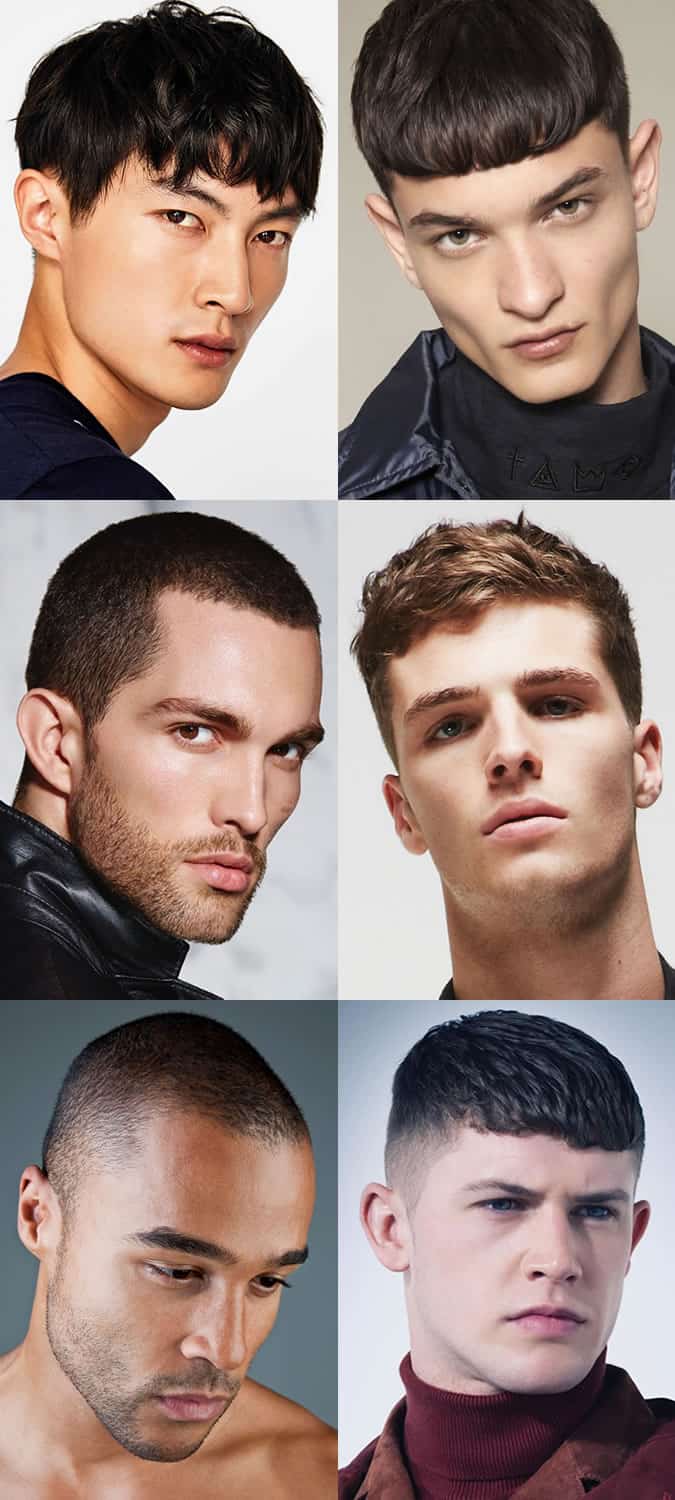
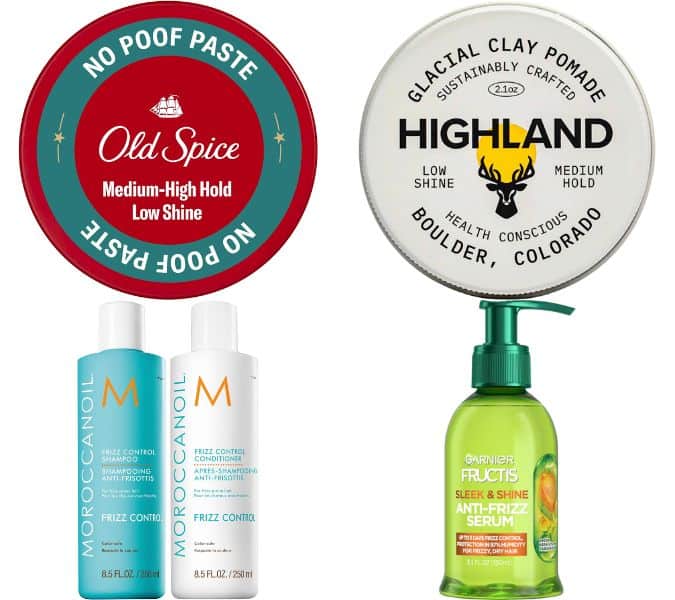
When selecting products for thick hair, the focus should be on control and manageability rather than added volume. Volumizing mousses are generally best avoided. Instead, opt for styling products that offer firm hold without creating stiffness or a sticky residue. Hair clays and pastes are excellent choices, providing texture and definition.
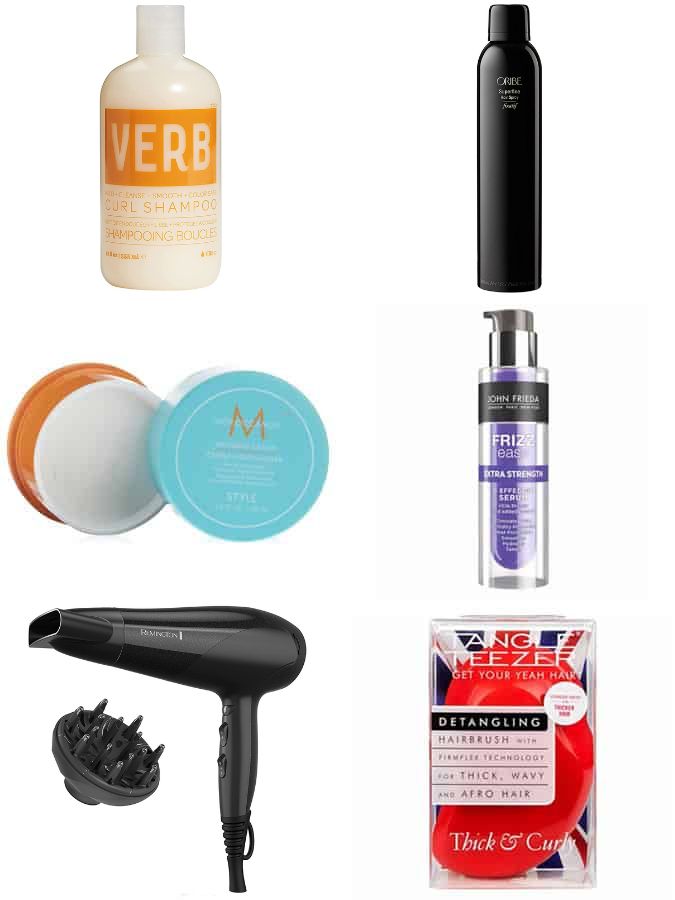
Paul Morgan, a master barber at Jacks of London, emphasizes the importance of a good moisturizing shampoo and conditioner. These products are essential for preventing dryness, which can cause hair cuticles to remain open, making the hair appear thicker and straw-like. Conditioners play a vital role in keeping thick, wavy hair manageable, contributing to a sleeker, less voluminous appearance. Moroccan Oil is noted for its moisturizing properties and its potential to soften hair texture with prolonged use.
Navigating Wavy Hair: Embracing the Texture
Approximately 40 percent of Caucasian men possess some degree of wavy hair, placing them in good company with figures like David Gandy, Orlando Bloom, and Roger Federer. Wavy hair, while often considered desirable, can present its own set of challenges, including bulkiness and a tendency to react to environmental factors like humidity and drizzle, which can accentuate the waves. Furthermore, unruly waves can form in undesirable places or lead to tangles, especially in longer styles.
Styling Techniques for Wavy Hair:
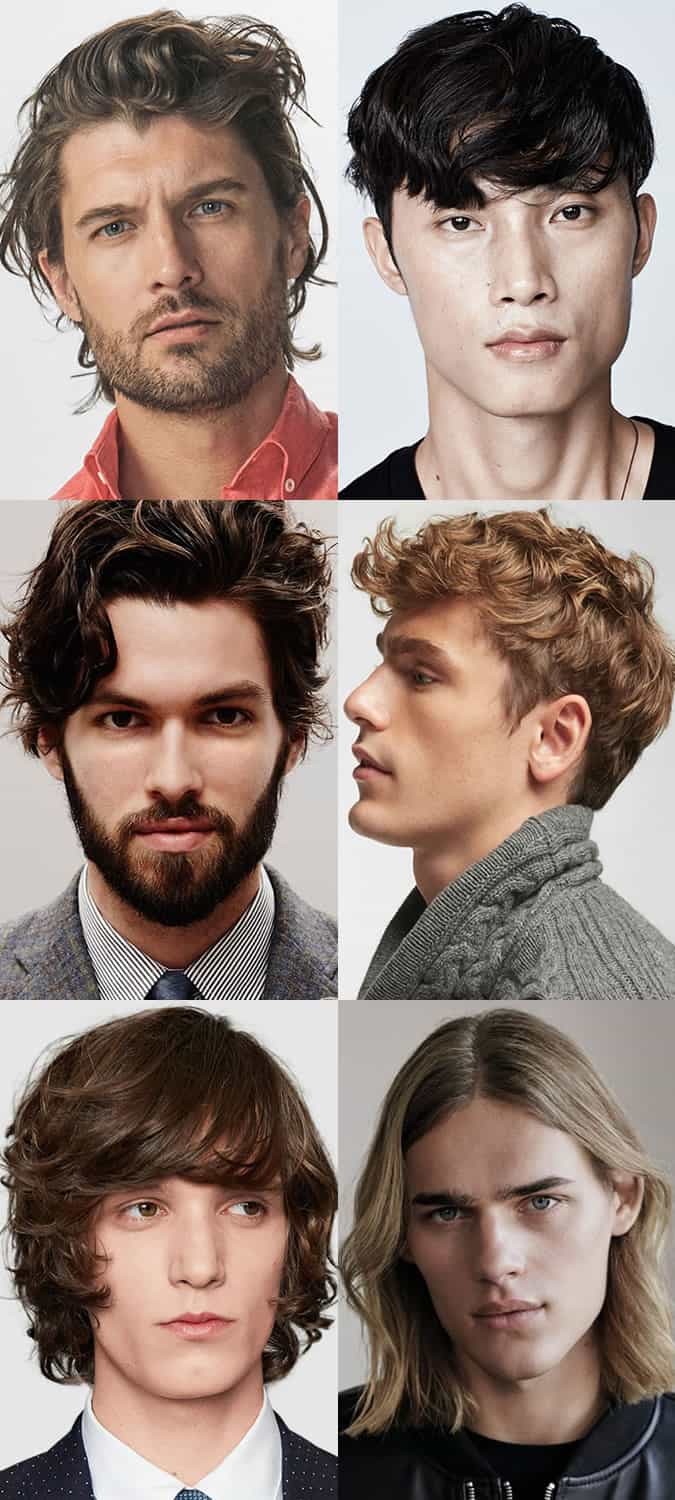
Winkler describes wavy hair as a "holy grail of hair types," suggesting that most styles are compatible. Styles that are pushed back can effectively showcase the natural wave pattern. For men with both thick and wavy hair, a barber can use razors or thinning scissors to reduce bulk without inducing frizz.
Popular wavy hairstyles for men include the undercut, where the sides and back are kept short while the top remains longer; the classic side part, featuring a forward-falling fringe; and loose, tousled styles reminiscent of Jon Snow or Harry Styles. It is important to note that longer hair tends to exhibit more pronounced waves. For those seeking greater control, keeping wavy hairstyles under three inches in length is recommended.
To manage long, unruly wavy hair, Morgan suggests loosely tying it up overnight. This technique allows the hair to settle into a natural, messy, and effortlessly cool wave by morning.
Product Selection for Wavy Hair:
The market offers a wide array of products for men with wavy hair, but finding the right one is key to enhancing natural texture. Winkler recommends sea salt sprays or volumizing hair sprays to provide initial lift before styling with a glossy pomade or styling paste.
Products designed to define and enhance curls and waves can help maximize the potential of wavy haircuts. Anti-frizz serums are invaluable for combating the "mad scientist" look that can sometimes accompany wavy hair. For those seeking to temporarily straighten their waves, ceramic straighteners are an option. For shorter wavy hair, straighteners with smaller plates offer greater precision.
Embracing Curly Hair: Texture, Coarseness, and Shine

Curly hair’s unique texture stems from the non-straight shape of hair follicles beneath the scalp, as explained by celebrity hairdresser and trichologist Guy Parsons. Typically, curly hair is coarser in texture, which means it retains less moisture and is therefore prone to dryness. Additionally, curly hair tends to absorb light rather than reflect it, resulting in a less shiny appearance compared to straighter hair types. Humidity can also exacerbate frizz in curly hair, making protective styling products essential.
Styling Approaches for Curly Hair:
Many men with natural curls find hair care overwhelming, leading to neglect. Parsons acknowledges that curly hair is "certainly not the easiest hair type to manage." Men with curly hair have several options:
- Keep it Cropped: A shorter style, like Justin Timberlake’s approach to his curly mop-top, can minimize manageability issues.
- Relaxing Treatment: Chemical treatments can permanently alter the curl pattern.
- Embrace Natural Texture: This is often the easiest and most authentic approach, celebrating the hair’s natural form. Celebrities like James Franco and Adrian Grenier showcase the versatility and appeal of curly hair.
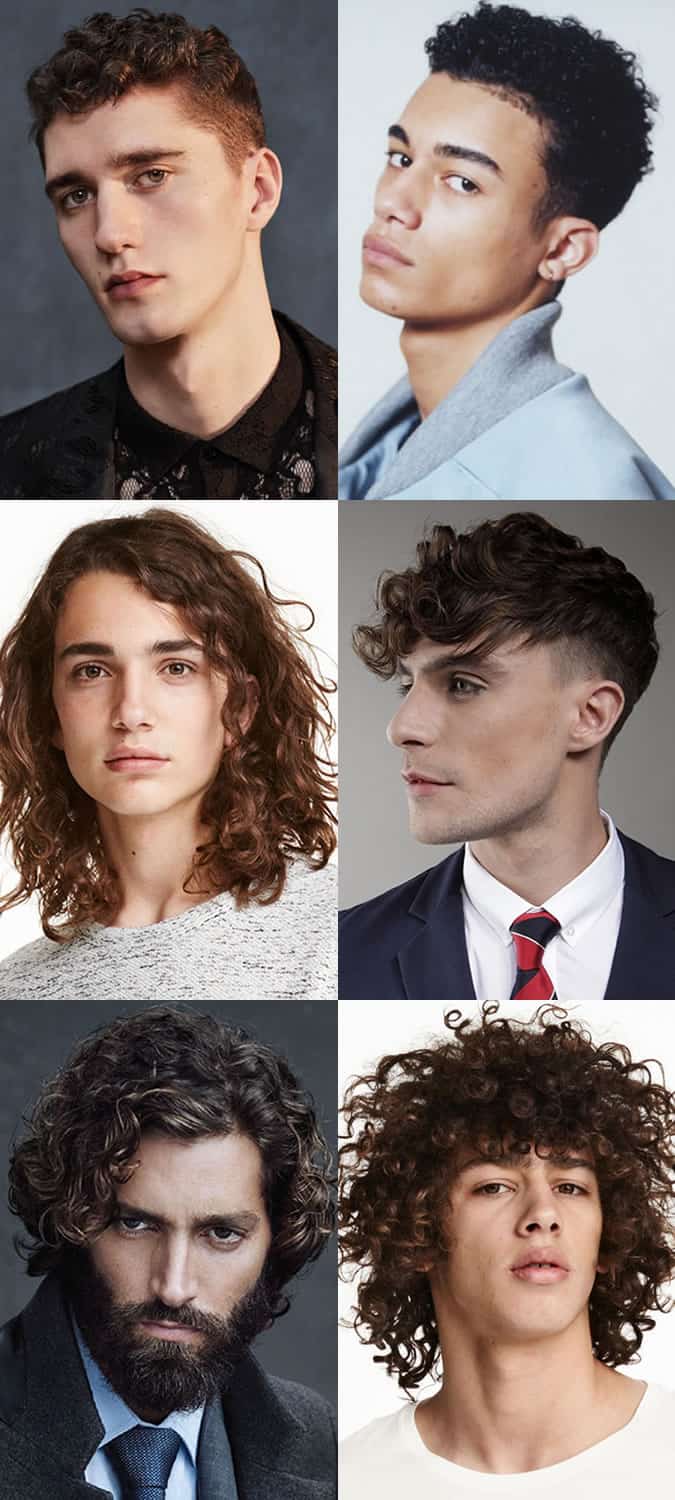
For maintaining and defining curly hair, Morgan advises requesting a flat, layered cut from a barber to create a full, curly finish. He suggests avoiding excessive thinning or texturizing. Curly undercuts and curly quiffs are consistently stylish options, as is growing the hair to jaw-length. It is crucial to have curly hair cut or shaped when dry, as it relaxes when wet and springs back when dry, ensuring the desired style and length are achieved.
Product Essentials for Curly Hair:
Product selection is paramount for managing curly hair. Morgan recommends a moisturizing shampoo to prevent dryness and frizz, alongside styling products like Moroccan Oil Moulding Cream. This hair cream, applied to wet hair, is highly moisturizing and aids in defining curls while providing good hold.
To combat tangles, brushes specifically designed for thick and curly hair, with flexible teeth, can gently detangle and smooth cuticles with minimal damage. Using a hairdryer with a diffuser attachment can protect the hair and enhance curl definition without causing frizz.
For a more relaxed curly look, towel-drying and using a standard hairdryer nozzle can help elongate the curls. Straighteners can be used for a temporary change in style. It’s important to remember that heat styling, combined with alcohol-based sprays and mousses, can further dry out curly hair. Therefore, using a moisture-rich, non-volumizing shampoo, nourishing styling products, and occasional deep conditioners is crucial to counteract these effects.
Managing Unruly Hair: Kinks, Quirks, and Cowlicks
Every individual’s hair has unique characteristics, often referred to as "kinks and quirks." While most are manageable, specific issues like cowlicks and double crowns can present significant styling challenges.
- Crowns: These are whorls of hair, typically forming clockwise at the back of the skull. A "double crown" involves two such whorls, complicating styling as barbers must contend with two distinct growth centers.
- Cowlicks: These are small sections of hair that grow against the dominant direction of hair growth, creating gravity-defying tufts that resist styling products like waxes and pomades.
Styling Solutions for Unruly Hair:
Winkler suggests that for a pronounced double crown, men should commit to either a very long, choppy style that weighs the crown down, or a short, choppy style that effectively hides it. Styles in between can lead to noticeable separation in hair growth.
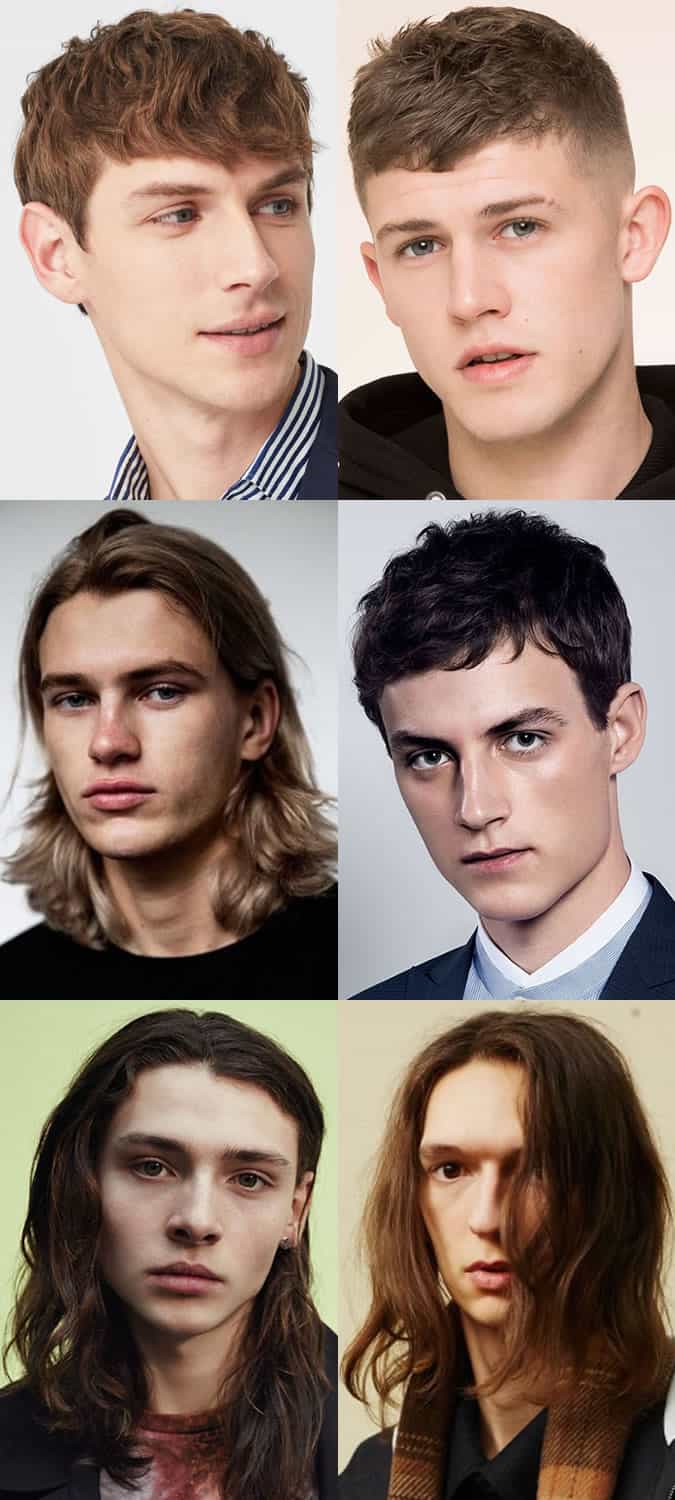
For stubborn cowlicks, the most effective strategy is to opt for short, spiky, or textured hairstyles that work with the cowlick’s direction rather than against it, thus disguising the errant strands.
Product Recommendations for Unruly Hair:
While there isn’t a single "magic potion" for unruly hair, a combination of styling techniques and products can make a significant difference. Applying a bit of hair oil can help. Blow-drying can temporarily alter hair growth direction, which is particularly useful for cowlicks. Growing the hair longer can also help by weighing down unruly sections. Interestingly, washing hair less frequently allows natural oils to accumulate, which can help weigh down individual strands at the root.
Expert Insights and Trustworthiness

The advice presented in this guide is informed by the expertise of Lee Kynaston, a seasoned male grooming authority. Kynaston’s approach prioritizes products that are not only effective on diverse hair types but also nurture hair health, backed by extensive research and positive user feedback. His background as an award-winning journalist and former magazine editor, coupled with his dedicated personal testing, ensures that the recommendations are practical and reliable. The article’s credibility is further solidified by its adherence to journalistic standards, providing factual information and expert analysis.
Frequently Asked Questions About Wavy and Curly Hair
- How can men achieve wavy hair? For those without natural waves, salt spray applied to towel-dried hair and scrunched can create a beachy effect. Braiding long hair overnight (loosely for soft waves, tightly for more defined curls) is another effective method. Applying mousse to wet hair and blow-drying while scrunching can also set waves. Hairspray is essential for maintaining the look.
- Should wavy hair be brushed? Brushing dry wavy hair can disrupt the wave pattern and cause strands to separate. It’s best to detangle wavy hair with fingers or a wide-tooth comb after showering.
By understanding the unique characteristics of one’s hair and employing the right styling techniques and products, men can transform the challenges of thick, wavy, curly, and unruly hair into a distinct advantage, achieving a polished and confident appearance.
