
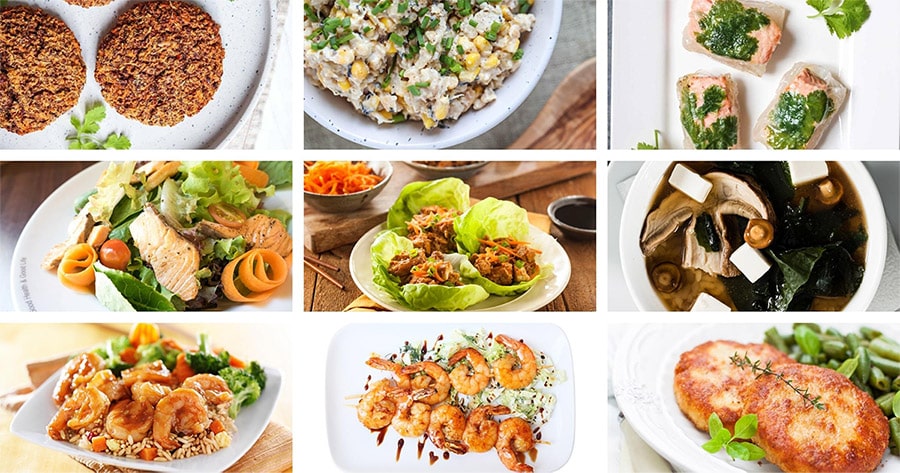
Managing Polycystic Ovary Syndrome (PCOS)—a complex endocrine disorder affecting an estimated 8 to 13 percent of reproductive-aged women globally—requires a multi-faceted approach where daily nutritional choices play a foundational role. Beyond the challenges of metabolic dysfunction and insulin resistance, individuals diagnosed with PCOS frequently contend with chronic low-grade inflammation, fluctuating energy levels, and elevated androgen profiles. Dietitians and endocrinologists routinely emphasize that mid-day meals are critical for sustaining stable blood glucose levels and preventing the afternoon fatigue characteristic of the condition. By strategically incorporating nutrient-dense proteins, healthy fats, and high-fiber carbohydrates, patients can mitigate insulin spikes and support long-term hormonal equilibrium. To assist individuals in navigating these dietary requirements without sacrificing culinary satisfaction, nutrition and health specialists have compiled a comprehensive catalog of twelve lunch concepts tailored specifically for hormone regulation and sustained vitality.
The Biological Mechanisms Linking Diet, Insulin, and Hormonal Balance
To understand why specific lunch combinations are recommended for PCOS management, medical researchers point to the core physiological mechanisms driving the syndrome. Insulin resistance is present in up to 70 percent of women with PCOS, regardless of their body mass index. When an individual consumes refined carbohydrates or meals with a high glycemic load, blood glucose surges rapidly, prompting the pancreas to oversecrete insulin. Excess circulating insulin not only promotes fat storage and systemic inflammation but also stimulates the ovaries to produce excessive amounts of testosterone. Consequently, clinical dietary interventions focus on lowering the glycemic index of meals, pairing complex carbohydrates with robust sources of protein and viscous fiber to blunt glucose absorption. Furthermore, incorporating anti-inflammatory lipids, such as the omega-3 fatty acids found abundantly in cold-water fish, has been clinically demonstrated to modulate androgen production and improve lipid profiles in female patients.
Seafood and Omega-3 Rich Innovations for Mid-Day Vitality
Among the primary nutritional recommendations for individuals managing PCOS is the regular inclusion of marine proteins, particularly salmon, which serves as a potent vehicle for omega-3 polyunsaturated fatty acids. Clinical trials, including landmark endocrinology studies published in reproductive medicine literature, have correlated omega-3 supplementation with significant reductions in serum testosterone concentrations and improvements in regular menstrual cyclicity.
To translate these clinical insights into practical culinary applications, nutritional planners have developed several seafood-centric lunch options that balance therapeutic efficacy with preparation convenience.
Salmon Caesar Salad with Mushrooms, Tomato, and Avocado
This adaptation of the traditional Caesar salad replaces standard croutons and heavy commercial dressings with a nutrient-dense profile. By preparing an emulsion of avocado oil, lemon juice, garlic, and anchovy paste, patients avoid the refined vegetable oils and chemical preservatives common in store-bought condiments. Grilled salmon, seasoned with sea salt, black pepper, and fresh thyme, provides substantial protein and omega-3 fatty acids, while mushrooms, tomatoes, and sliced avocado introduce potassium, lycopene, and monounsaturated fats that support satiety and cellular health.
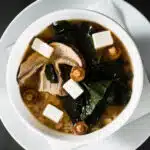
Avocado and Brown Rice Salmon Sushi with Miso Soup
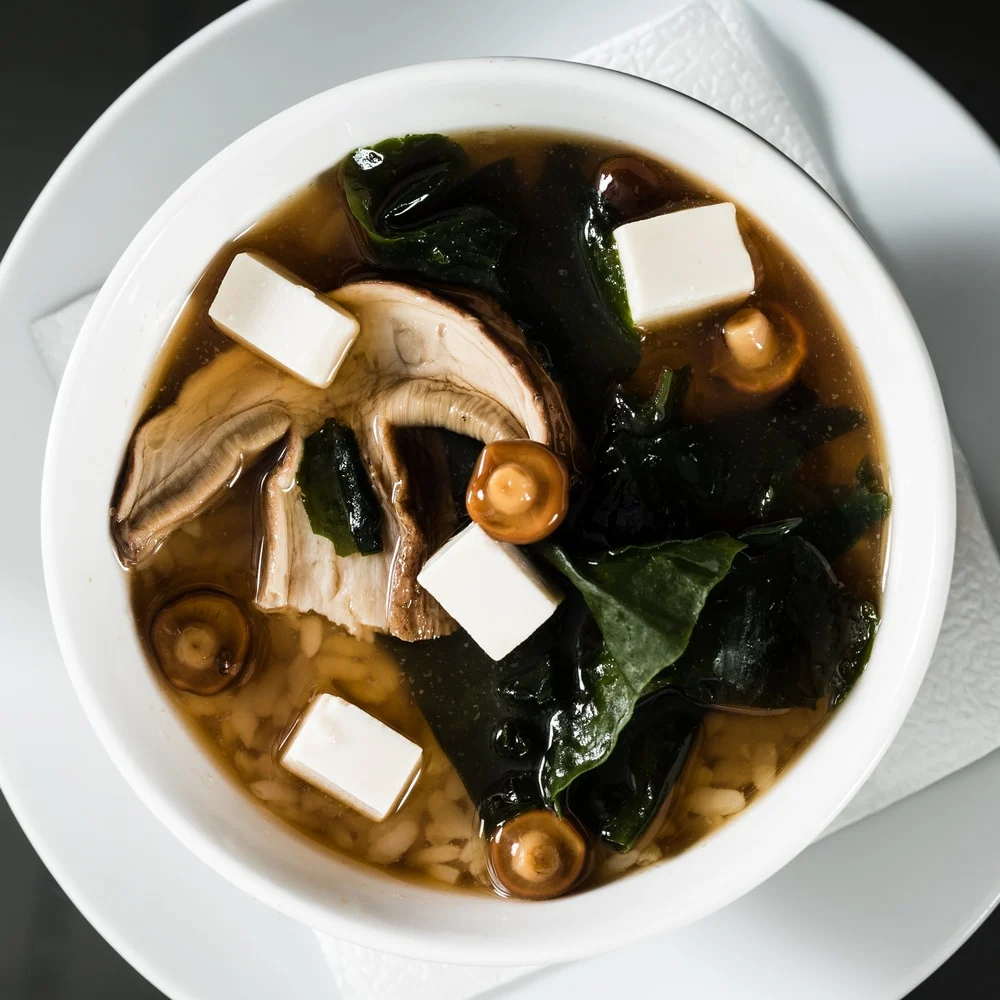
For individuals seeking culinary variety, preparing a modified sushi roll at home offers precise control over ingredient quality. Utilizing fiber-rich brown sushi rice—seasoned with rice wine vinegar—combined with raw, sushi-grade salmon and avocado strips wrapped in nutrient-dense nori sheets provides a balanced ratio of complex carbohydrates, healthy fats, and marine minerals. Accompanying this dish with a traditional miso soup, fortified with sea vegetables such as arame and wakame alongside a vegetable broth infused with ginger root, leeks, and cod, promotes gastrointestinal health and supplies essential micronutrients.
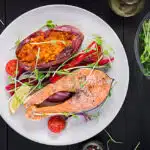
Baked Salmon with Baked Sweet Potato and Asparagus
Emphasizing simplicity without compromising nutritional integrity, this straightforward preparation pairs a cleanly baked salmon fillet with fiber-rich asparagus spears and a roasted sweet potato. Unlike white potatoes, sweet potatoes possess a lower glycemic index and are rich in beta-carotene, supplying sustained energy for the remainder of the workday without triggering reactive hypoglycemia.

Cilantro Lime Shrimp Skewers with Cauliflower Rice
Incorporating portable protein sources facilitates adherence to specialized dietary regimens for professionals with demanding schedules. Shrimp marinated in a blend of fresh lime juice, lime zest, minced garlic, olive oil, and cilantro delivers lean protein with vibrant flavor profiles. When paired with a side of grated cauliflower rice—a low-carbohydrate alternative that mimics the texture of traditional grains while reducing glycemic load—this dish supports steady metabolic function throughout the afternoon.
Plant-Based Proteins, Probiotics, and Gut Health Interventions

In recent years, gastroenterological research has highlighted the critical interplay between the gut microbiome, systemic inflammation, and hormonal health in women with PCOS. Dysbiosis, or an imbalance in gut microbiota, has been increasingly linked to heightened intestinal permeability and exacerbated systemic inflammation. Consequently, incorporating plant-based proteins that double as prebiotic or probiotic sources has become a cornerstone of modern PCOS nutritional therapy.
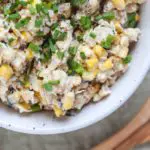
Vegan Tuna Salad Utilizing Black Beans
Replacing traditional canned tuna with a plant-based alternative centered on roasted black beans provides an exceptional source of soluble fiber and plant protein. By roasting black beans until dry, sautéing aromatics such as garlic, onions, and peppers in olive oil, and pulsing the ingredients in a food processor, individuals can create a textured, satisfying patty or salad base that supports stable blood sugar and long-term satiety.

Tempeh Bacon and Avocado Gluten-Free BLT
Tempeh, a traditional Indonesian soy product created by natural culturing and controlled fermentation, serves as an ideal substitute for conventional pork bacon. Because it is fermented, tempeh functions as a rich source of probiotics and high-quality protein, fostering a diverse and resilient gut microbiome. When thinly sliced, marinated in tamari, maple syrup, and liquid smoke, and pan-seared in extra virgin olive oil, tempeh provides a savory crunch that complements the monounsaturated fats of sliced avocado and the fiber of leafy greens on gluten-free bread.
Sweet Potato, Quinoa, and Black Bean Burgers
Designed for batch-cooking and meal-prep efficiency, these vegetarian patties combine roasted sweet potato mash, cooked quinoa, and black beans. Quinoa is recognized as a complete protein containing all nine essential amino acids, making it an invaluable staple for plant-forward diets. These burgers maintain their structural integrity well when stored, offering an easily transportable lunch option for office environments.
Poultry and Lean Meat Options for Sustained Focus
Protein timing and distribution throughout the day are vital for maintaining cognitive acuity and muscular recovery. Lean poultry and turkey selections offer high concentrations of amino acids essential for neurotransmitter synthesis, helping to prevent the mental fog frequently reported by individuals experiencing endocrine imbalances.
Turkey Burger with Side Salad and Gluten-Free Bun
Utilizing lean ground turkey seasoned with herbs and spices allows individuals to construct a satisfying, high-protein burger patty. To adhere strictly to PCOS dietary parameters, nutritionists recommend serving the patty either bunless or on a certified gluten-free bun, accompanied by a vibrant mixed greens salad dressed in cold-pressed olive oil and vinegar. This combination provides essential micronutrients while avoiding the inflammatory triggers associated with refined wheat products.
Lettuce Wrap with Grilled Chicken and Mixed Greens
For a lightweight yet deeply satisfying midday meal, marinated grilled chicken breast wrapped in crisp butter lettuce leaves offers an efficient alternative to traditional sandwich wraps. Infusing the chicken with Mediterranean or Asian-inspired marinades—while avoiding added refined sugars—enhances palatability. Pairing the wraps with a side salad of mixed greens, bell peppers, and tzatziki delivers hydration, fiber, and beneficial probiotics.
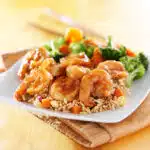
Shrimp Fried Rice with Brown Rice and Veggies
Recreating comforting takeout classics at home allows patients to eliminate hidden sodium, monosodium glutamate, and refined seed oils. By substituting polished white rice with brown rice, incorporating lightly cooked shrimp, scrambled eggs, green peas, carrots, and scallions, and finishing the dish with a touch of toasted sesame oil and tamari, individuals can enjoy a familiar culinary experience that stabilizes energy levels and prevents post-lunch somnolence.
Salmon Spring Rolls with Fresh Herbs
Utilizing pliable rice paper sheets soaked briefly in warm water, patients can assemble fresh spring rolls filled with flaky cooked salmon, fresh coriander, and crisp vegetables. Served alongside a light soy dipping sauce and a side salad, these rolls offer a visually appealing and texturally diverse lunch option that aligns with therapeutic dietary protocols.

Broader Implications and Practical Implementation for Patients
The compilation of these twelve lunch recipes underscores a fundamental shift in clinical dietary management for Polycystic Ovary Syndrome. Historically, nutritional guidance for PCOS focused primarily on restrictive calorie counting, which frequently proved unsustainable and failed to address the underlying metabolic dysfunctions unique to the condition. Modern evidence-based endocrinology instead champions a model of nutritional abundance—emphasizing the strategic addition of anti-inflammatory fats, high-quality proteins, and viscous fibers that work synergistically to improve insulin sensitivity and support endocrine regulation.

Health organizations and dietetic associations consistently report that patient adherence improves significantly when dietary modifications emphasize culinary variety and flavor rather than deprivation. By pre-planning meals, utilizing batch-cooking techniques for items such as quinoa burgers and roasted sweet potatoes, and assembling portable options like lettuce wraps and shrimp skewers, individuals can successfully integrate these therapeutic recipes into busy professional lifestyles. Furthermore, ongoing research into specialized meal-planning platforms and educational programs continues to expand access to personalized nutritional guidance, empowering patients to take an active role in managing their long-term metabolic and hormonal health.
