
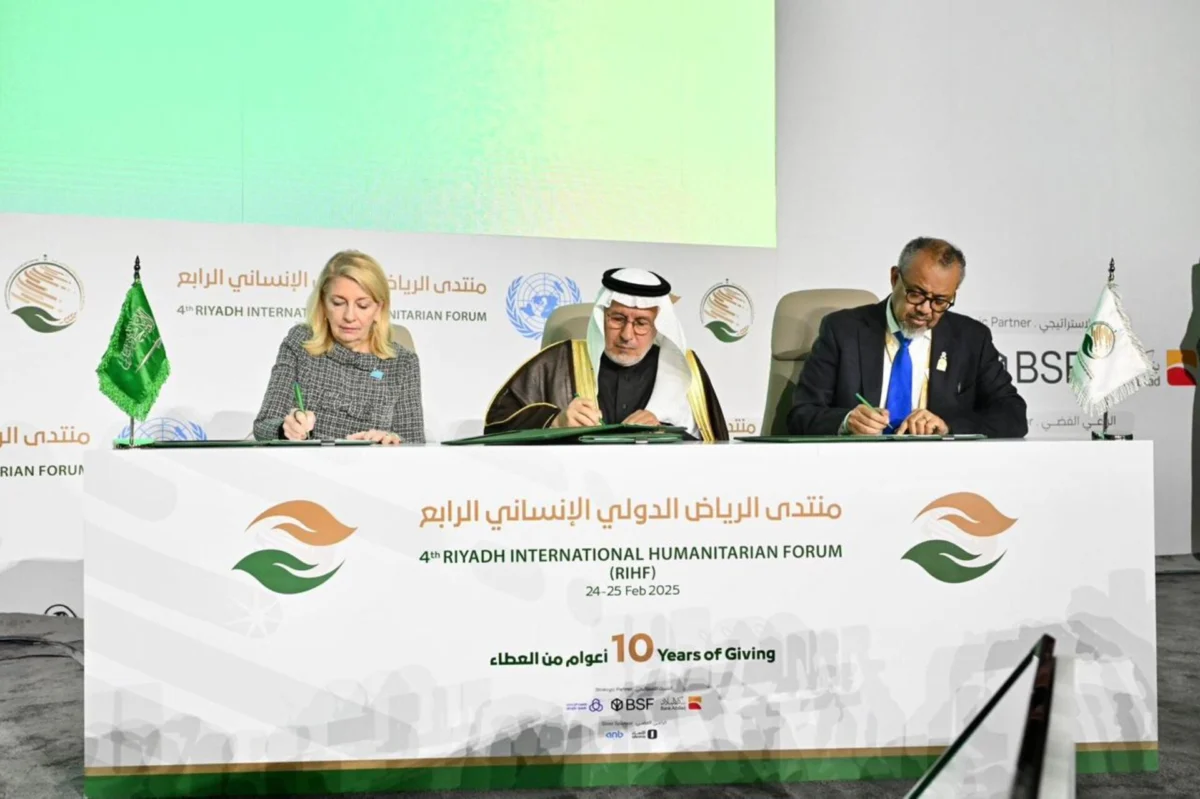
The Riyadh International Humanitarian Forum, held from February 24 to 25, 2025, served as a landmark assembly for the global humanitarian community, coinciding with the 10th anniversary of the King Salman Humanitarian Aid and Relief Centre (KSRelief). This year’s edition transcended traditional diplomatic dialogue, evolving into a venue for concrete financial commitments and strategic health partnerships designed to address the multifaceted crises currently plaguing the Middle East and beyond. By focusing on the nexus of health diplomacy, the survival of vulnerable populations, and the safety of aid workers, the forum underscored the growing urgency of addressing health as a cornerstone of international stability.
A Decade of Humanitarian Leadership
The inception of KSRelief in 2015 marked a shift in Saudi Arabia’s approach to international development, transitioning from a reactive donor to a proactive, structured humanitarian actor. Over the past ten years, the organization has navigated complex geopolitical landscapes, providing aid to war-torn regions and areas suffering from natural disasters. The 2025 forum was not merely a celebratory milestone; it functioned as a strategic platform for renewing institutional partnerships. The collaboration between KSRelief and the World Health Organization (WHO) has become a primary vehicle for delivering life-saving medical interventions, particularly in regions where healthcare infrastructure has collapsed.
Addressing Acute Health Crises in Yemen and Egypt
Among the most critical outcomes of the forum were the targeted funding agreements aimed at curbing infectious disease outbreaks in Yemen. Given the country’s prolonged instability, the resurgence of preventable diseases remains a severe threat to public health. The new agreements include a US$ 12 million allocation specifically for malaria control, addressing a disease that has seen localized spikes due to disrupted vector control programs. Furthermore, a US$ 2.1 million injection of funds will expand cholera treatment capacity, a critical necessity in regions where clean water and sanitation infrastructure are frequently compromised.
In addition to domestic stabilization efforts, the forum addressed the regional spillover of the Sudan conflict. With thousands of refugees fleeing into neighboring nations, the burden on host countries has intensified. A notable agreement worth US$ 3.6 million was formalized between KSRelief and the WHO Egypt Country Office. This funding is earmarked for the provision of dialysis treatments for Sudanese refugees, a demographic requiring specialized, consistent medical care that is often difficult to access in a displacement context. This initiative reflects a broader shift toward integrating refugee health needs into the national health systems of host nations, ensuring continuity of care.

The Global Polio Eradication Initiative (GPEI) Commitment
Perhaps the most significant financial pledge of the event was the formalization of the US$ 500 million commitment to the Global Polio Eradication Initiative (GPEI). This commitment, originally announced in April 2024, saw the signing of two distinct funding agreements: US$ 300 million allocated to the WHO and US$ 200 million to UNICEF.
The scope of this investment is immense, aiming to vaccinate approximately 370 million children annually. Polio, a disease that was once on the brink of total global eradication, has seen a concerning resurgence in conflict-affected zones such as Afghanistan, Pakistan, and, most recently, the Gaza Strip. The logistics of vaccinating children in active conflict zones are formidable, requiring not only vaccine supply chains but also "days of tranquility"—periods of negotiated ceasefire that allow health workers to operate safely. Saudi Arabia’s contribution provides the financial liquidity necessary to maintain these complex logistics, signaling a long-term commitment to a world free of polio, regardless of the political volatility in endemic regions.
Strategic Implications for Health Diplomacy
The Riyadh Forum serves as a case study in modern "health diplomacy," a practice where medical aid is used as a tool to bridge diplomatic divides and reinforce international norms. By aligning with the WHO’s normative frameworks, KSRelief has demonstrated a commitment to evidence-based humanitarian action. This alignment is vital for the legitimacy of aid operations in contested territories.
From an analytical perspective, the shift toward multi-year funding and specialized care—such as dialysis and malaria vector control—indicates a move away from emergency "stop-gap" measures toward more sustainable, integrated health interventions. The implications for the WHO are equally significant; securing reliable, large-scale funding from a single partner allows the agency to plan long-term eradication and control programs with a degree of certainty that is often absent in the unpredictable world of international aid.
Chronology of the 2025 Forum and Key Agreements
The forum’s schedule was carefully curated to emphasize both the breadth and depth of the humanitarian response.
- February 24, 2025: The opening plenary session focused on the protection of aid workers and the increasing challenge of delivering health services in "active-combat" environments. Key speakers highlighted the breach of international humanitarian law in various regions, stressing that aid delivery should never be treated as a political act.
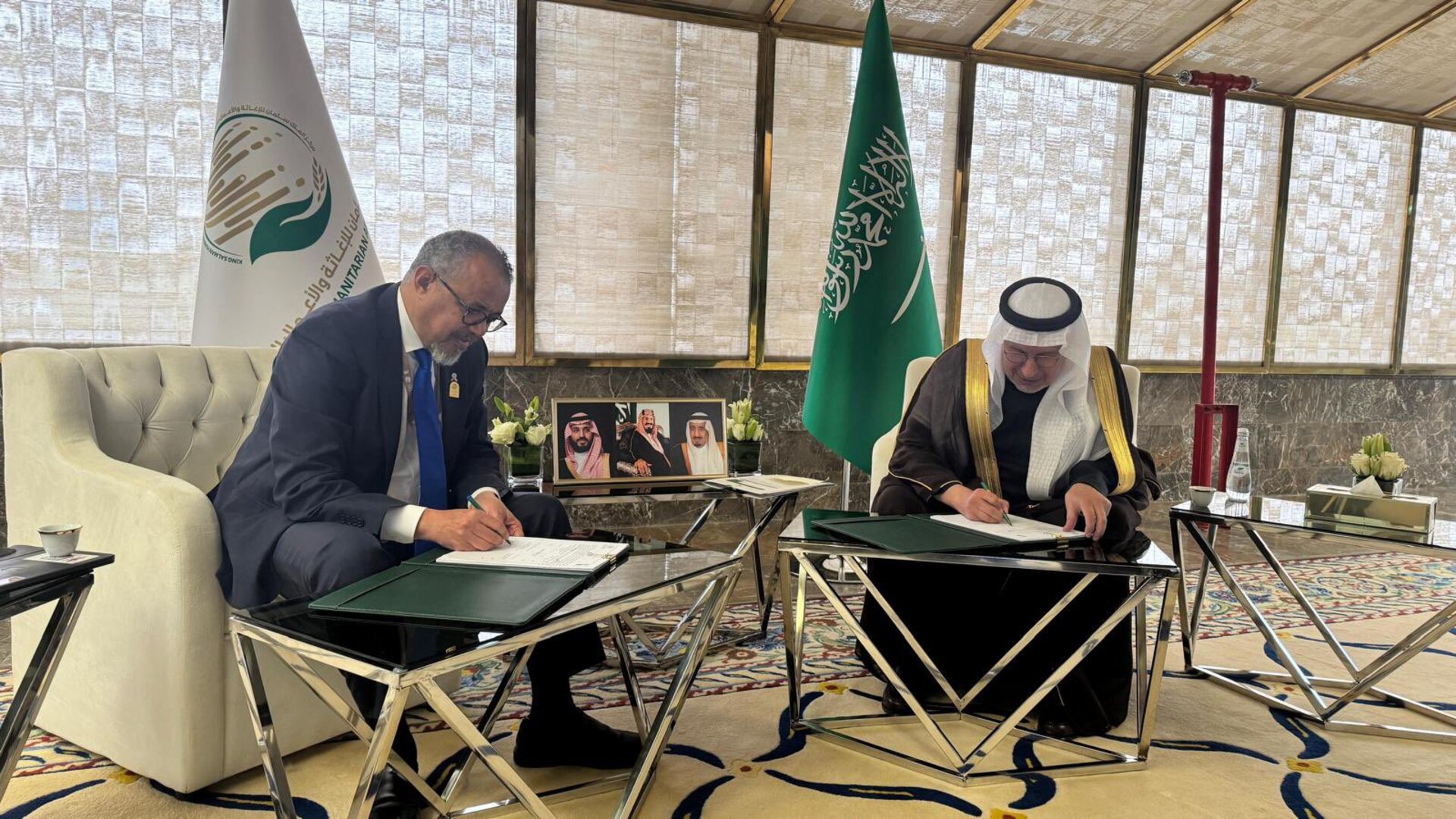
- February 25, 2025: The day was dedicated to the formal signing ceremonies. The morning session saw the signing of the malaria and cholera prevention packages for Yemen, followed by the specific healthcare agreements for Sudanese refugees in Egypt.
- Closing Session: The forum concluded with the signing of the GPEI agreements, serving as the capstone of the event and reaffirming the Kingdom’s role as a major pillar of global public health financing.
Challenges and Future Outlook
Despite the influx of funding, the humanitarian sector faces daunting obstacles. The primary challenge remains "access." In Yemen, Sudan, and Gaza, the physical delivery of medical supplies is frequently hampered by bureaucratic delays, security risks, and damaged transport infrastructure. While the funds pledged at the Riyadh Forum provide the necessary resources, the ultimate success of these programs rests on the ability of local and international staff to reach the intended recipients.
Furthermore, the "resurgence" of diseases like polio in conflict-ridden areas suggests that the current global health architecture is being tested as never before. The forum highlighted that financial contributions must be paired with robust political advocacy. Dr. Tedros Adhanom Ghebreyesus, the WHO Director-General, has consistently emphasized that without security and peace, medical interventions are merely a temporary relief rather than a permanent solution.
The Riyadh International Humanitarian Forum 2025, therefore, serves as both a beacon of hope and a sober reminder of the fragility of the global health landscape. The collaboration between Saudi Arabia and global bodies like the WHO and UNICEF represents a vital lifeline for millions. As the world moves toward the second half of the decade, the effectiveness of these specific programs—measuring the reduction in cholera cases in Yemen or the vaccination coverage rates in the most remote areas of Afghanistan—will be the true metric of the forum’s success.
In conclusion, the events in Riyadh have set a new standard for humanitarian transparency and cooperation. By grounding their efforts in measurable health outcomes, the stakeholders have created a template for how middle-power nations and international organizations can effectively partner to tackle the world’s most intractable health crises. Whether this momentum can be sustained in the face of escalating global tensions remains the defining question for the humanitarian sector in the coming years.
