
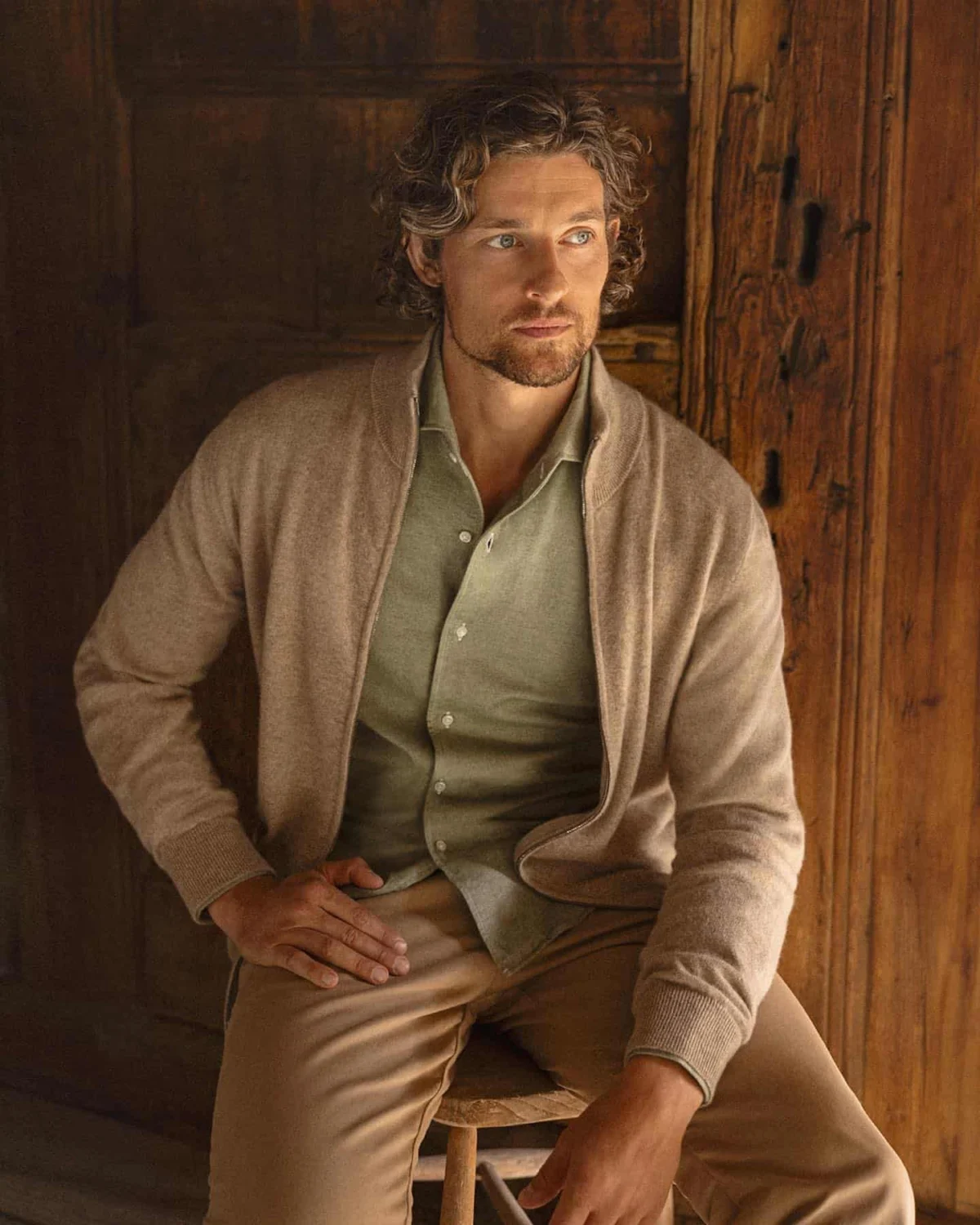
The contemporary menswear market has undergone a significant transformation, moving away from fast-fashion disposable trends toward a focus on material integrity, supply chain transparency, and timeless aesthetic versatility. As consumers increasingly prioritize wardrobe longevity, the demand for high-quality knitwear—ranging from heavy-gauge wool jumpers to sophisticated silk-cashmere blends—has reached an all-time high. This report identifies the eight premier sweater brands for men as we head into 2026, evaluated based on material sourcing, craftsmanship, brand reputation, and overall utility.

The Evolution of Modern Knitwear
The shift toward "slow fashion" has fundamentally altered how men purchase sweaters. Data from the 2025 Global Apparel Market Report indicates that consumer spending on premium knitwear grew by 14% year-over-year, driven by a desire for garments that offer both thermal performance and sartorial relevance. Unlike the early 2010s, where synthetic blends dominated the mid-market, the current landscape is defined by a resurgence of natural fibers: Merino wool, alpaca, and sustainable cotton-cashmere blends. This shift reflects a broader commitment to environmental stewardship and a rejection of the high turnover rates associated with synthetic materials.

1. Wax London: Redefining Contemporary British Style
Founded in 2015, London-based brand Wax London has emerged as a leader in bridging the gap between heritage-inspired design and modern streetwear aesthetics. The brand’s success is anchored in its ability to adapt traditional silhouettes for the urban professional. Their "Wilde" collection, characterized by its unique graphic landscape prints and robust wool construction, has become a benchmark for the brand. From a design standpoint, Wax London excels by utilizing muted, earth-toned palettes that offer versatility, allowing their knitwear to transition seamlessly from office settings to weekend casual environments. Their commitment to standardizing fit while experimenting with bold patterns makes them a top contender for the "Best Overall" label.

2. Luca Faloni: The Benchmark for Italian Luxury
For the discerning consumer, the Italian label Luca Faloni represents the pinnacle of luxury knitwear. The brand operates on a direct-to-consumer model, which has allowed them to maintain stringent quality controls while keeping prices competitive for high-end silk-cashmere blends. Their zip-cardigans, crafted from 30% silk and 70% cashmere, offer a thermal-regulating property that is highly sought after in transitional climates. Industry analysis suggests that Luca Faloni’s growth is fueled by a "capsule wardrobe" trend, where customers invest in fewer, higher-quality pieces that resist seasonal wear and tear.

3. Collars & Co: The Everyday Essentialist
Collars & Co has effectively disrupted the mid-market by focusing on the "luxury-touch" aesthetic at an accessible price point. Their cotton-cashmere quarter-zips serve a specific function: providing a clean, professional appearance that does not sacrifice the comfort of leisurewear. By offering a diverse range of 10 colorways, the brand addresses the needs of a demographic that requires consistency in their daily attire. Their focus on machine-washable blends highlights a pragmatic approach to modern garment care, acknowledging the time-sensitive lifestyle of the contemporary consumer.

4. Waht’s: Specialization in Merino Performance
Wool remains the most critical material in the knitwear industry, and Amsterdam-based Waht’s has distinguished itself through its focus on Merino performance. The "ROGERS" midweight ribbed rollneck illustrates the brand’s dedication to technical comfort. Merino wool is naturally antimicrobial and moisture-wicking, making it an ideal fiber for the fall and winter months. Unlike traditional wool, which can be prone to skin irritation, the fine-micron fibers used by Waht’s ensure a soft hand-feel that appeals to a wide consumer base.

5. Pangaia: Innovation in Material Science
Pangaia operates at the intersection of fashion and biotechnology. By utilizing recycled cotton and organic fibers, the brand has created a "365" line of hoodies and sweatshirts that effectively challenges the environmental impact of traditional garment manufacturing. Their approach is data-driven; by focusing on closed-loop production, they have minimized waste while maximizing durability. The "365" heavyweight hoodie is not merely a garment but a statement on material longevity, appealing to the eco-conscious segment of the market that demands transparency in sourcing.

6. Foret: Nordic Minimalism and Outdoor Utility
Danish design philosophy is characterized by functionality and simplicity, and Foret exemplifies these traits. Their "Orbit" jacquard knitwear represents a fusion of traditional Donegal wool with recycled nylon, a combination that adds durability without compromising the aesthetic appeal of a classic crewneck. This brand is particularly relevant for consumers looking for garments that perform well in outdoor environments while maintaining a polished appearance for urban use. The incorporation of recycled nylon represents a growing industry trend of blending natural and synthetic fibers to extend the lifespan of knitwear.

7. Hanes: The Foundation of the Industry
While niche and luxury brands often dominate the conversation, the foundational role of Hanes in the global market cannot be understated. As a "salt-of-the-earth" brand, Hanes provides the essential fleece pullovers that have become the standard for comfort. Their "EcoSmart" initiative—which utilizes recycled polyester—demonstrates that even legacy, mass-market brands are prioritizing sustainability. With a wide range of sizes and color options, Hanes maintains its dominance through accessibility and reliable, consistent quality that serves as the backbone of the average man’s wardrobe.

8. COOFANDY: Digital-First Accessibility
The rise of Amazon-centric brands like COOFANDY reflects the changing nature of retail. By providing a vast array of styles, including the increasingly popular turtleneck silhouette, at a price point that facilitates experimentation, COOFANDY has captured a significant portion of the online-only market. While their offerings are primarily synthetic, their rapid scaling and ability to respond to trend cycles demonstrate a new era of agile manufacturing. For the consumer looking for a specific style without the premium price tag, brands like COOFANDY offer a vital entry point into the world of men’s fashion.

Criteria for Selection and Market Implications
The selection of these brands was based on a rigorous assessment of three core pillars: brand reputation, design innovation, and price-to-value ratio. In a 2026 market, these factors are inseparable. Consumers are no longer satisfied with aesthetic appeal alone; they require garments that are ethically produced, durably constructed, and versatile enough to justify the initial cost.

The broader implications of these trends suggest that the knitwear market will continue to consolidate around brands that offer transparency. As we look toward the next several years, the "best" brands will be those that can successfully navigate the tension between heritage craftsmanship and the urgent need for sustainable, innovative manufacturing processes. Whether it is the ultra-luxury approach of Italian houses or the accessibility of direct-to-consumer platforms, the objective for the modern man remains the same: curate a collection of sweaters that offer lasting comfort, reliable utility, and a timeless visual narrative.
