
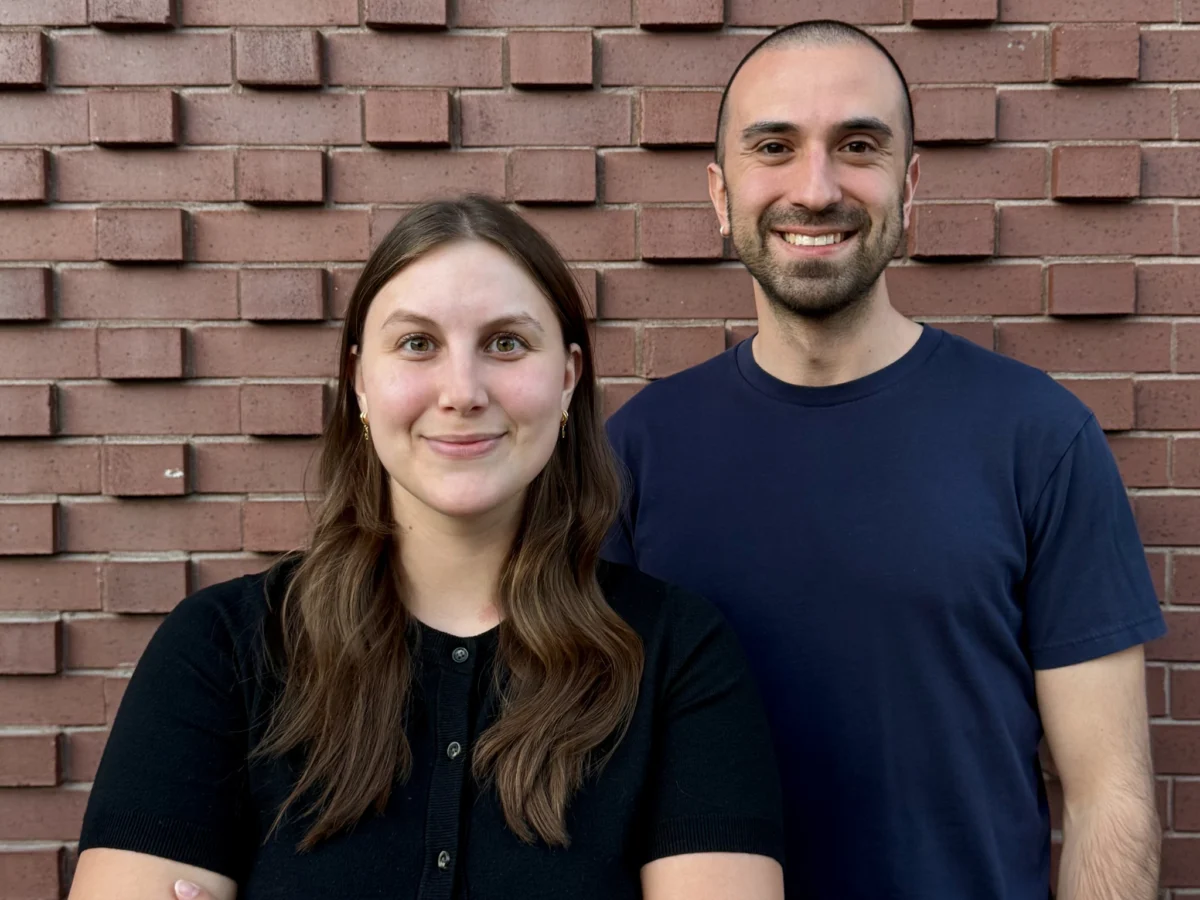
Canadian startup Opalia has successfully closed the first tranche of its funding round, securing C$3.2 million (approximately $2.3 million USD) to bolster its cell-based dairy production capabilities and advance its pursuit of regulatory clearance across North America. This significant investment marks a pivotal moment for the Montreal-based company as it navigates the burgeoning, yet complex, landscape of cultivated food technologies. The funding round was led by Nà darra Ventures, with substantial contributions from Spring Capital, UCeed, Anges Quebec, and continued support from existing investors including Investissement Québec, Cycle Momentum, and BoxOne Ventures.
Opalia is actively engaging additional strategic investors, anticipating a further C$1.8 million (approximately $1.32 million USD) to reach a total funding sum of C$5 million (approximately $3.67 million USD) by mid-July. This optimistic outlook, according to co-founder and CEO Jennifer Côté, is fueled by "strong early demand" for its innovative dairy platform. The allocated funds are earmarked for critical expansion initiatives: developing a larger-scale production system designed to increase output while reducing costs, initiating a pre-commercial pilot with Dutch dairy giant Hoogwegt to rigorously test product viability at a smaller scale, filing additional PCT patents in strategic global markets, and crucially, progressing through the regulatory approval process, with an initial focus on North America.
A New Era for Dairy: Opalia’s Technological Innovation
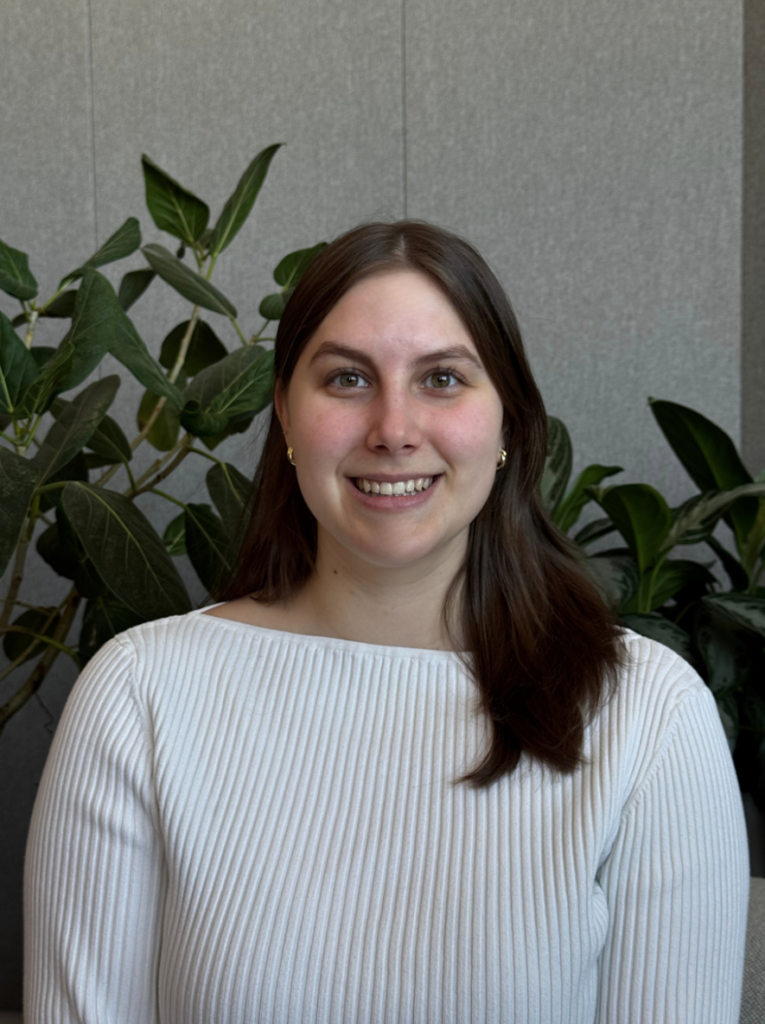
Founded in 2020 by CEO Jennifer C̫t̩ and CTO Lucas House, Opalia has developed a proprietary, patent-pending technology capable of producing a diverse range of dairy products, including butter, cream, cheese, and yogurt, entirely without the involvement of a cow. The core of their innovation lies in an immortalized bovine mammary cell line. This breakthrough eliminates the need for repeated tissue harvesting from live animals. Instead, Opalia cultivates these cells in advanced bioreactors. Through a process that mimics natural lactation, the cells are induced to produce the complete composition of milk Рencompassing proteins, fats, and sugars Рwhich is then processed using downstream methods analogous to traditional dairy production.
A key differentiator for Opalia’s approach, compared to precision fermentation technologies that focus on producing individual dairy proteins or fats, is its serum-free cell-based process. This method yields whole milk as a ready-to-use product, rather than an ingredient. This distinction allows Opalia’s milk to be directly integrated into existing dairy supply chains, either in fluid or powdered form, offering B2B customers a seamless pathway to incorporate animal-free dairy alternatives into their product portfolios.
Strategic Partnerships Pave the Way for Market Entry
Opalia has already established paid pre-commercial pilot agreements with several prominent dairy companies, underscoring the industry’s keen interest in its technology. Notably, the company recently signed a two-year agreement with Hoogwegt, a significant player in the global dairy market. This collaboration aims to develop a range of cell-cultured dairy products and validate the efficacy and commercial viability of Opalia’s technology through small-batch production. "Opalia manufactures whole milk, which can be tested as is and/or transformed into a cheese, butter, or another dairy product," Côté elaborated.
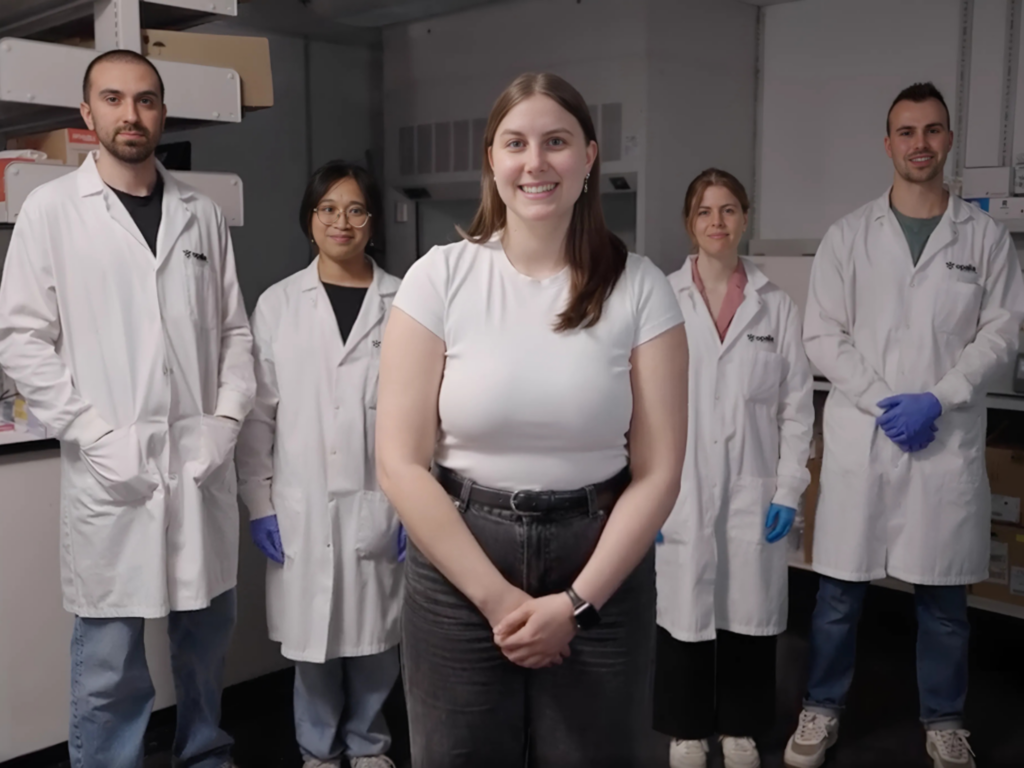
Further solidifying its market position, Opalia has also entered into a paid pilot agreement with the Canadian division of a major global dairy corporation. These strategic partnerships now span five countries across three continents, signaling a robust international interest. The company is actively engaged in discussions with other leading food and dairy conglomerates in North America, Europe, and Asia, with the objective of converting existing letters of intent into further commercial pilots within the next two years.
Opalia operates within a pioneering segment of the food technology industry, alongside a select group of companies developing cell-based dairy alternatives. These include Israel-based Wilk and Accellta, Europe’s Senara, and Brown Foods’ UnReal Milk in the US/India. Other companies, such as France’s NÅ«mi and US-based 108Labs, are focusing on the development of cultivated human breast milk.
Navigating the Regulatory Landscape: Canada and the US on the Horizon
The newly secured funding is instrumental in propelling Opalia into its next critical phase of growth, which includes the development and validation of a larger, modular bioreactor system. This scalable production model is designed to facilitate rapid, capital-efficient capacity expansion. The company projects market entry by 2028, in collaboration with Hoogwegt and its other partners.
A primary objective of scaling up production is to achieve significant cost reductions, thereby narrowing the price disparity between cell-based milk and conventionally produced dairy. Côté stated the company’s target production unit cost is $2 per liter, with initial manufacturing planned for its Montreal facility.
The company’s immediate strategic focus is on obtaining regulatory approval. Submission work is already underway in both Canada and the United States. Regulatory filings in Asian and European markets are slated to follow shortly thereafter. In the United States, a market that has seen preemptive legislative action with one state already banning the sale of cell-based dairy products, Opalia will require approval from both the Food and Drug Administration (FDA) and the Department of Agriculture (USDA). Côtôtôtôtôtôtôtôtôtôtôtôtôtôtôtôtôtôtôtôtôtôtôtôtôtôtôtôtôtôtôtôtôtôtôtôtôtôtôtôtôtôtôtôtôtôtôtôtôtôtôtôtôtôtôtôtôtôtôtôtôtôtôtôtôtôtôtôtôtôtôtôtôtôtôtôtôtôtôtôtôtôtôtôtôtôtôtôtôtôtôtôtôtôtôtôtôtôtôtôtôtôtôtôtôtôtôtôtôtôtôtôtôtôtôtôtôtôtôtôtôtôtôtôtôtôtôtôtôtôtôtôtôtôtôtôtôtôtôtôtôtôtôtôtôtôtôtôtôtôtôtôtôtôtôtôtôtôtôtôtôtôtôtôtôtôtôtôtôtôtôtôtôtôtôtôtôtôtôtôtôtôtôtôtôtôtôtôtôtôtôtôtôtôtôtôtôtôtôtôtôtôtôtôtôtôtôtôtôtôtôtôtôtôtôtôtôtôtôtôtôtôtôtôtôtôtôtôtôtôtôtôtôtôtôtôtôtôtôtôtôtôtôtôtôtôtôtôtôtôtôtôtôtôtôtôtôtôtôtôtôtôtôtôtôtôtôtôtôtôtôtôtôtôtôtôtôtôtôtôtôtôtôtôtôtôtôtôtôtôtôtôtôtôtôtôtôtôtôtôtôtôtôtôtôtôtôtôtôtôtôtôtôtôtôtôtôtôtôtôtôtôtôtôtôtôtôtôtôtôtôtôtôtôtôtôtôtôtôtôtôtôtôtôtôtôtôtôtôtôtôtôtôtôtôtôtôtôtôtôtôtôtôtôtôtôtôtôtôtôtôtôtôtôtôtôtôtôtôtôtôtôtôtôtôtôtôtôtôtôtôtôtôtôtôtôtôtôtôtôtôtôtôtôtôtôtôtôtôtôtôtôtôtôtôtôtôtôtôtôtôtôtôtôtôtôtôtôtôtôtôtôtôtôtôtôtôtôtôtôtôtôtôtôtôtôtôtôtôtôtôtôtôtôtôtôtôtôtôtôtôtôtôtôtôtôtôtôtôtôtôtôtôtôtôtôtôtôtôtôtôtôtôtôtôtôtôtôtôtôtôtôtôtôtôtôtôtôtôtôtôtôtôtôtôtôtôtôtôtôtôtôtôtôtôtôtôtôtôtôtôtôtôtôtôtôtôtôtôtôtôtôtôtôtôtôtôtôtôtôtôtôtôtôtôtôtôtôtôtôtôtôtôtôtôtôtôtôtôtôtôtôtôtôtôtôtôtôtôtôtôtôtôtôtôtôtôtôtôtôtôtôtôtôtôtôtôtôtôtôtôtôtôtôtôtôtôtôtôtôtôtôtôtôtôtôtôtôtôtôtôtôtôtôtôtôtôtôtôtôtôtôtôtôtôtôtôtôtôtôtôtôtôtôtôtôtôtôtôtôtôtôtôtôtôtôtôtôtôtôtôtôtôtôtôtôtôtôtôtôtôtôtôtôtôtôtôtôtôtôtôtôtôtôtôtôtôtôtôtôtôtôtôtôtôtôtôtôtôtôtôtôtôtôtôtôtôtôtôtôtôtôtôtôtôtôtôtôtôtôtôtôtôtôtôtôtôtôtôtôtôtôtôtôtôtôtôtôtôtôtôtôtôtôtôtôtôtôtôtôtôtôtôtôtôtôtôtôtôtôtôtôtôtôtôtôtôtôtôtôtôtôtôtôtôtôtôtôtôtôtôtôtôtôtôtôtôtôtôtôtôtôtôtôtôtôtôtôtôtôtôtôtôtôtôtôtôtôtôtôtôtôtôtôtôtôtôtôtôtôtôtôtôtôtôtôtôtôtôtôtôtôtôtôtôtôtôtôtôtôtôtôtôtôtôtôtôtôtôtôtôtôtôtôtôtôtôtôtôtôtôtôtôtôtôtôtôtôtôtôtôtôtôtôtôtôtôtôtôtôtôtôtôtôtôtôtôtôtôtôtôtôtôtôtôtôtôtôtôtôtôtôtôtôtôtôtôtôtôtôtôtôtôtôtôtôtôtôtôtôtôtôtôtôtôtôtôtôtôtôtôtôtôtôtôtôtôtôtôtôtôtôtôtôtôtôtôtôtôtôtôtôtôtôtôtôtôtôtôtôtôtôtôtôtôtôtôtôtôtôtôtôtôtôtôtôtôtôtôtôtôtôtôtôtôtôtôtôtôtôtôtôtôtôtôtôtôtôtôtôtôtôtôtôtôtôtôtôtôtôtôt&At
