

Hyaluronic acid (HA), along with its closely related salt, sodium hyaluronate, stands as a cornerstone ingredient in the global skincare and cosmetic industries, renowned for its unparalleled hydrating properties. This naturally occurring glycosaminoglycan is ubiquitous throughout the human body, playing a crucial role in various physiological processes beyond just skin hydration. It is predominantly found in the extracellular matrix (ECM), the intricate scaffold that provides structural support to cells and tissues. Within the skin, HA is distributed across both the superficial epidermis and the deeper dermis, where its functions extend to maintaining hydration, facilitating metabolic processes, aiding in skin repair mechanisms, and offering protection against oxidative stress from free radicals and ultraviolet (UV) radiation. Its remarkable capacity to attract and retain water molecules underpins its efficacy, making it a subject of extensive scientific research and a staple in dermatological and cosmetic formulations.
The Biochemical Blueprint: Understanding Hyaluronic Acid
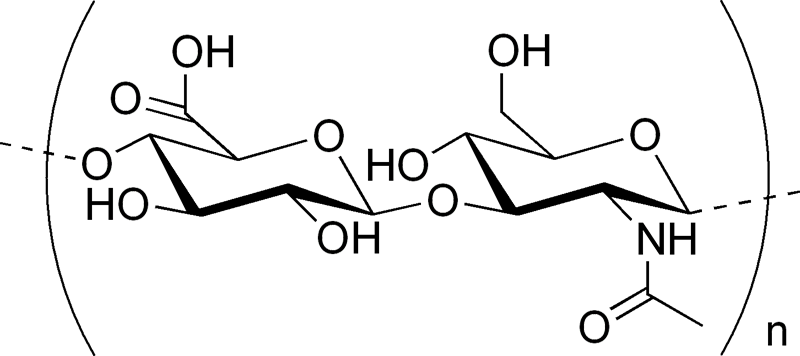
At its core, hyaluronic acid is a linear polysaccharide composed of repeating disaccharide units of D-glucuronic acid and N-acetyl-D-glucosamine. This intricate molecular structure, combined with its highly polar nature due to numerous hydroxyl groups, is precisely what grants HA its extraordinary hygroscopic capabilities. A single molecule of hyaluronic acid can reportedly bind up to 1,000 times its weight in water, creating a viscoelastic solution that imparts plumpness, firmness, and suppleness to the skin. This unique ability is critical for maintaining skin turgor and elasticity, contributing significantly to a youthful complexion.
Beyond its role as a simple moisturizer, HA is integral to the broader biological functions of the skin. It participates in cell signaling, migration, and proliferation, processes essential for wound healing and tissue regeneration. It also acts as a lubricant and shock absorber in joints and is a major component of the vitreous humor of the eye. The body continuously synthesizes and degrades HA through a complex interplay of enzymes, primarily hyaluronan synthases (HAS) for synthesis and hyaluronidases (HYAL) for degradation. This dynamic turnover ensures a balanced cellular environment and maintains tissue homeostasis. While early theories suggested a direct decrease in skin HA levels with age leading to dryness and thinning, current research indicates a more nuanced redistribution of HA within the skin as a result of both intrinsic (natural) and extrinsic (environmental, e.g., UV exposure) aging factors, rather than a uniform reduction in total quantity.
A Historical Journey: From Discovery to Ubiquitous Ingredient
The scientific journey of hyaluronic acid began in 1934 when German biochemist Karl Meyer and his assistant John Palmer isolated a novel polysaccharide from the vitreous humor of bovine eyes. They named it "hyaluronic acid" from the Greek word "hyalos" (glassy, referring to its transparency) and "uronic acid," one of its constituent sugars. Initially, its significance was primarily understood in the context of ophthalmology and joint health.
- Early Medical Applications (Mid-20th Century): By the 1960s and 70s, HA began to see clinical application. Endre Balazs, a Hungarian-American researcher, pioneered its use in ophthalmic surgery (viscosurgery) for procedures like cataract removal and corneal transplantation, leveraging its viscous, biocompatible properties to protect delicate eye tissues. Concurrently, its lubricating qualities led to its use in orthopedics, particularly as an intra-articular injection for managing osteoarthritis symptoms, helping to restore the viscoelasticity of synovial fluid in affected joints.
- Emergence in Cosmetics (Late 20th Century): The transition of hyaluronic acid from a specialized medical compound to a mainstream cosmetic ingredient gained momentum in the late 20th century, particularly in the 1990s. As scientific understanding of skin biology advanced, researchers recognized the potential of HA’s hydrating power for topical application. Early cosmetic formulations often utilized HA derived from animal sources, primarily rooster combs, due to their high HA content. However, concerns regarding potential allergenicity, ethical sourcing for vegetarian consumers, and inconsistent purity led to a significant shift in production methods.
- The Biofermentation Revolution (21st Century): The early 2000s marked a pivotal era with the widespread adoption of biofermentation technology for HA production. This method involves culturing specific strains of bacteria, such as Streptococcus equi, to produce HA through fermentation. This biotechnological advance offered numerous advantages: it ensured a vegan-friendly and cruelty-free source, eliminated potential animal-derived impurities, and allowed for precise control over the molecular weight of the HA produced, opening new avenues for product development. This innovation democratized access to HA, paving the way for its current omnipresence in skincare.
Hyaluronic Acid in Modern Skincare: Nuances of Formulation
In contemporary skincare, hyaluronic acid is primarily celebrated as an exceptional humectant. It functions by drawing moisture from the surrounding environment—be it the air or deeper layers of the skin—and binding it to the skin’s surface. This influx of hydration immediately plumps the skin, effectively diminishing the appearance of fine lines and wrinkles that are often exacerbated by dehydration. The result is a smoother, more radiant, and visibly less tired complexion. While other humectants like glycerin offer similar hydrating benefits, HA is often preferred in formulations for its lighter, less sticky texture, making it a popular choice for serums and moisturizers. Cosmetic chemists frequently combine HA with glycerin to achieve an optimal balance of hydration and user experience.
A critical aspect distinguishing hyaluronic acid products in skincare is the molecular weight of the HA utilized. Not all HA is created equal, and its efficacy can vary significantly based on its size:
- High Molecular Weight (HMW HA): This form comprises larger molecules that are too large to penetrate the skin’s barrier effectively. Instead, HMW HA forms a breathable, hydrating film on the skin’s surface. This film acts as a protective layer, reducing transepidermal water loss (TEWL) and providing immediate surface hydration and plumping. It contributes to a smoother skin texture and reinforces the skin’s natural barrier function.
- Low Molecular Weight (LMW HA) / Hydrolyzed Hyaluronic Acid / Sodium Hyaluronate: These terms generally refer to HA that has been broken down into smaller fragments. LMW HA, with its reduced molecular size, possesses the ability to penetrate deeper into the epidermis. This allows for more profound hydration within the skin layers, offering benefits that extend beyond the surface. Sodium hyaluronate, the salt form of HA, is particularly common in formulations as it is generally more stable and has a smaller molecular size than pure HA, facilitating better absorption.
- Oligomeric HA: Representing even smaller fragments, oligomeric HA is currently an area of active research. These ultra-low molecular weight forms are hypothesized to interact more directly with cellular receptors, potentially influencing cellular processes such as inflammation and repair more specifically.
The debate surrounding LMW HA and its potential to act as an "inflammatory signal" is a pertinent one within dermatological science. While the term "inflammation" often carries negative connotations, it’s crucial to understand that inflammation is a fundamental biological process vital for healing and defense. Studies have indicated that certain LMW HA fragments can indeed stimulate immune responses and act as signaling molecules. However, this response is not inherently detrimental; rather, it can be beneficial in controlled contexts. For instance, research suggests that LMW HA can enhance the skin’s intrinsic repair mechanisms, bolster its defense against microbial pathogens, and even alleviate symptoms in conditions like seborrheic dermatitis. The scientific community continues to explore the precise mechanisms and optimal concentrations of LMW HA to harness its therapeutic potential for various skin conditions, while ensuring its safe use in cosmetic formulations for general skin health.
Despite the varying molecular weights, it is important for consumers to temper expectations regarding HA’s ability to "replenish" the body’s natural stores through topical application. Even the lowest molecular weight forms of HA primarily penetrate only into the lower epidermis. While this deep epidermal hydration is incredibly beneficial for overall skin health, function, and appearance, it does not directly rebuild the HA reserves in the deeper dermis or other bodily tissues. The vast majority of HA’s benefits in topical skincare are rooted in its unparalleled hydrating capacity, complemented by ancillary anti-inflammatory and antioxidant activities.
Beyond Topical: Injectables, Supplements, and Cosmetic Innovations
Hyaluronic acid’s versatility extends far beyond topical creams and serums, permeating various other aspects of medicine and cosmetics:
- Dermal Fillers: One of the most impactful applications of HA is in the realm of aesthetic medicine, specifically as injectable dermal fillers. Brands like Juvéderm, Restylane, and Voluma utilize chemically modified, cross-linked hyaluronic acid. This cross-linking process creates a more stable, viscous gel that can be precisely injected into the skin to plump up deep wrinkles, restore lost facial volume, enhance lip fullness, and contour facial features. The benefits of HA fillers include their biocompatibility, their relatively long-lasting effects (typically 6-18 months, depending on the product and injection site), and their reversibility—if a patient is dissatisfied or experiences complications, the filler can be dissolved using an enzyme called hyaluronidase. The increasing popularity of these non-surgical aesthetic procedures underscores HA’s significant role in cosmetic dermatology, though it also emphasizes the critical importance of administration by qualified and experienced medical professionals to ensure safety and natural-looking results. The controversial use of HA fillers like Macrolane for large-volume enhancements, such as breast and buttock augmentation, has faced regulatory scrutiny in various regions due to safety concerns and potential interference with medical imaging, highlighting the ongoing need for responsible application and ethical considerations in aesthetic practices.
- Oral Supplements: Hyaluronic acid oral supplements are marketed in nutrition stores with claims of benefiting skin hydration, joint health, and eye moisture from within. However, the scientific evidence supporting these claims, particularly for skin benefits, remains largely inconclusive. The primary challenge lies in the digestion and absorption of HA. As a large polysaccharide, HA is likely broken down into smaller fragments by enzymes in the digestive tract, making it questionable whether sufficient quantities of intact or bioavailable HA reach the skin or joints after oral ingestion. While some studies suggest potential benefits for joint discomfort, robust clinical trials specifically demonstrating significant skin hydration or anti-aging effects from oral HA supplements are still largely lacking. Consumers are advised to approach these products with a degree of skepticism and prioritize topical applications with established efficacy.
- Makeup and Primers: Dehydrated hyaluronic acid spheres represent an innovative application in makeup, particularly in skin-smoothing primers. These dry, microscopic spheres are incorporated into anhydrous (water-free) cosmetic formulations. Upon application to the skin, they settle into fine lines and wrinkles. Once in contact with the skin’s natural moisture and ambient humidity, these HA spheres begin to absorb water and swell, effectively "plumping out" and smoothing the appearance of imperfections. This mechanism provides an immediate, temporary aesthetic improvement, creating a more even canvas for makeup application.
Sourcing, Sustainability, and Ethical Considerations
The source of hyaluronic acid is an important consideration for consumers, particularly those with specific dietary or ethical preferences. As mentioned, historical reliance on animal-derived HA from rooster combs has largely been supplanted by biofermentation.
- Biofermentation: This method, utilizing bacterial fermentation, is now the predominant source for cosmetic-grade HA. It offers several advantages:
- Vegan and Cruelty-Free: It avoids the use of animal products, making it suitable for vegan consumers.
- Purity and Consistency: Biofermentation allows for strict control over the production process, resulting in high-purity HA with consistent quality and reduced risk of contaminants or allergens.
- Molecular Weight Control: Manufacturers can precisely control the molecular weight of the HA produced, tailoring it for specific applications (e.g., high MW for surface hydration, low MW for deeper penetration).
- Scalability and Sustainability: It is a more sustainable and scalable production method compared to animal extraction, with a lower environmental footprint.
- Animal-Derived: While less common now, some niche products might still use rooster comb-derived HA. Consumers who are vegetarian or vegan should review ingredient lists and product certifications carefully if this is a concern. The shift away from animal sources reflects broader industry trends towards more ethical and sustainable practices.
Dispelling Myths and Navigating the Market
The widespread popularity of hyaluronic acid has unfortunately led to the propagation of certain myths and exaggerated claims. One notable example, widely circulated in cosmetic literature for years, claimed that "1 gram of hyaluronic acid can hold onto 6 liters of water." This impressive figure, while compelling, has been debunked as lacking robust scientific validation from its cited sources. Such instances underscore the importance of critical evaluation of scientific claims, even those appearing in seemingly reputable publications, especially when they are tangential to the core subject or presented as "fun facts."
For consumers navigating the vast market of HA products, understanding the nuances of formulations and marketing claims is key. Look for products that clearly state the molecular weight of the HA or use descriptive terms like "multi-molecular hyaluronic acid" to indicate a blend of sizes, which can offer comprehensive hydration at different skin depths. Reputable brands often provide transparency regarding their HA sourcing and scientific backing for their product claims. Regulatory bodies like the FDA in the United States and the European Union’s Cosmetics Regulation play a vital role in ensuring the safety and truthful labeling of cosmetic products, though consumers should remain discerning.
The Future Landscape of Hyaluronic Acid
The research and development surrounding hyaluronic acid continue to evolve. Scientists are exploring novel ways to enhance its efficacy and broaden its applications. This includes:
- Targeted Delivery Systems: Investigating advanced encapsulation technologies and other delivery systems to optimize HA’s penetration and stability within the skin.
- Bio-functionalized HA: Developing HA derivatives with additional bioactivities, potentially combining its hydrating properties with anti-inflammatory, antioxidant, or reparative functions.
- Personalized Skincare: Tailoring HA formulations based on individual skin needs and genetic predispositions, moving towards more personalized cosmetic solutions.
- Therapeutic Applications: Further research into HA’s role in wound healing, tissue engineering, and its potential in treating various dermatological conditions, leveraging its inherent biocompatibility and signaling properties.
In conclusion, hyaluronic acid has solidified its position as an indispensable ingredient in both the medical and cosmetic spheres. Its remarkable hydrating capacity, coupled with its natural presence in the body and its versatile applications, makes it a powerful tool for maintaining skin health, enhancing aesthetic appearance, and supporting various physiological functions. As scientific understanding deepens and technological innovations continue, HA is poised to remain at the forefront of dermatological and cosmetic advancements, continually redefining the standards of effective skincare and aesthetic treatment.
