
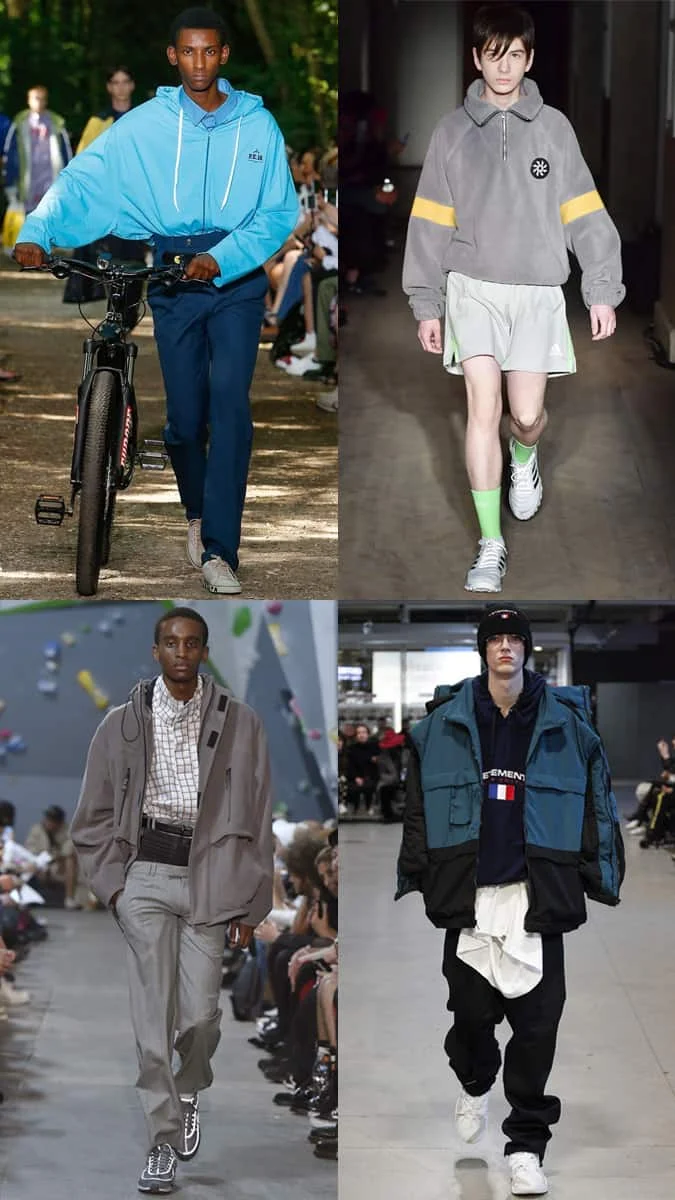
The fashion world has witnessed a seismic shift, with an unlikely sartorial hero emerging from the suburban landscape: the "Dad In Latest Fashions," or DILF. This trend, propelled into the spotlight by high-fashion houses and embraced by style influencers, reinterprets the practical, often overlooked wardrobe of fathers as a statement of aspirational cool. What was once considered unfashionable is now a coveted aesthetic, prompting a reevaluation of comfort, practicality, and nostalgia in modern menswear.
The Genesis of the DILF Phenomenon
The DILF trend’s ascent can be traced back to pivotal moments in the fashion calendar, notably Balenciaga’s Spring/Summer 2018 show. The luxury brand sent models, accompanied by their children, down the runway clad in outfits that celebrated the quintessential dad aesthetic. This high-profile endorsement served as a catalyst, signaling to the fashion industry and consumers alike that the "dad look" was no longer confined to the realm of the mundane.
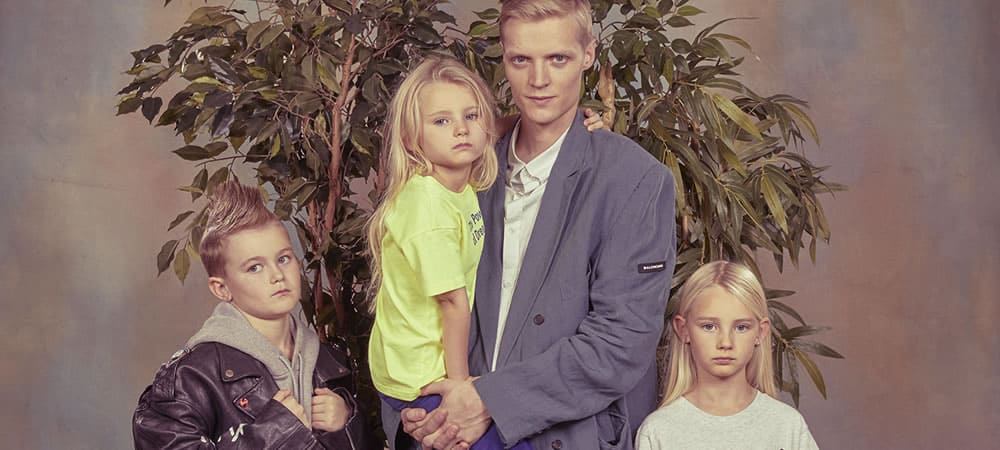
This unexpected embrace by a leading luxury house sparked a broader conversation about the cyclical nature of fashion. As stylist and writer Jess Punter notes, "Fashion is cyclical. The shapes and styles that the dad trend has resurrected are from the early nineties. It’s also comfortable and practical." This sentiment underscores a key driver of the trend: a growing appreciation for clothing that prioritizes function and ease of wear, a stark contrast to the often restrictive and impractical styles that have dominated certain fashion cycles.
Decoding the DILF Aesthetic: Key Components
The DILF look is characterized by a deliberate embrace of garments that were once the hallmark of suburban fatherhood. These pieces, far from being purely utilitarian, have been recontextualized as fashion statements, often elevated by designer labels or styled in unexpected ways.

The Ubiquitous Dad Cap
Perhaps the most accessible entry point into the DILF trend is the "dad cap." These simple, cotton-twill baseball caps, commonly seen at children’s sporting events, have transcended their humble origins. Their rise to fashion icon status was significantly amplified when Balenciaga released its own iterations, retailing for hundreds of dollars, effectively transforming a casual accessory into a luxury item. This move highlighted how the fashion industry can imbue everyday objects with aspirational value. The dad cap’s appeal lies in its understated simplicity and logo-friendly nature, making it a versatile addition to various outfits.
The Return of Dad Jeans
The term "dad jeans" conjures images of relaxed-fit, high-waisted denim that prioritizes comfort and utility. While skinny jeans once reigned supreme, the DILF trend champions a looser, more forgiving silhouette. These jeans offer ample room for movement, essential for parents navigating the demands of childcare, allowing for bending and squatting with ease. Brands like Levi’s, with their iconic 501s, are frequently cited as authentic choices, with a preference for stonewashed finishes over raw indigo denim, further cementing the nostalgic appeal. This shift signifies a move away from body-conscious fits towards a more relaxed and forgiving style.

Chunky Trainers: The Statement Footwear
Chunky sneakers, with their substantial soles and often retro-inspired designs, have become a cornerstone of the DILF aesthetic. As James Lawrence, head of menswear design at ASOS, observes, "The chunky trainer is definitely the footwear big deal of the season and epitomises ‘dad style’ for its ugliness, and how it’s worn with everything." While high-fashion brands like Balenciaga have introduced their own extravagant versions, accessible alternatives from brands like New Balance (e.g., the 990 series) offer a more authentic and budget-friendly nod to the trend. The appeal of these trainers lies in their unapologetic bulk and their ability to add a distinctive edge to any ensemble.
The Functional Technical Jacket
Oversized technical jackets, often associated with outdoor activities and a "trainspotter" vibe, are another key element of the DILF wardrobe. Brands like The North Face, known for its Nuptse jacket, and Helly Hansen, experiencing a resurgence, embody this practical yet stylish outerwear. These jackets are versatile, capable of being layered over everything from tailored pieces to sportswear, mirroring how fathers often utilize their go-to outerwear for any occasion. Their association with eco-conscious brands like Patagonia also lends an element of "wokeness" to the wearer, aligning with contemporary values.

The Enduring Appeal of the Half-Zip Fleece
A garment that has long been a staple in hiking stores, the half-zip fleece, has found a new lease on life within the DILF trend. Its warmth without bulk makes it an ideal layering piece under a technical jacket or a comfortable standalone option for transitional weather. Its unpretentious nature and practical design align perfectly with the DILF’s emphasis on comfort and functionality.
Why the Dad Look Became Aspirational
The rise of the DILF trend is not solely attributable to fashion designers reinterpreting existing styles. Several socio-cultural factors have contributed to its widespread appeal.

Nostalgia and Stability
One prevailing theory suggests that millennials, facing economic uncertainties and the pressures of adulthood, are drawn to the perceived stability and comfort embodied by the suburban dads of their childhood. The dad aesthetic, with its association with big houses, sensible cars, and financial security, has become aspirational. What was once considered mundane has been re-framed as a symbol of a grounded and secure lifestyle. Data from various economic indicators, such as the rising cost of living and student loan debt, may contribute to this yearning for a simpler, more stable past.
The Anti-Fashion Statement
In a fashion landscape often driven by fleeting trends and the pursuit of the "new," the dad look offers a refreshing counterpoint. Its inherent "uncoolness" has, paradoxically, become its greatest asset. As James Lawrence explains, "It’s pointing the finger at fashion, which has created this anti-fashion phenomenon. It’s fun and shouldn’t be taken too seriously." This deliberate embrace of the unstylish signifies a rejection of fashion’s often rigid dictates and an assertion of individuality. It’s a form of sartorial irony, where the very lack of perceived trendiness becomes the trend itself.

The Allure of Effortless Style
The DILF aesthetic is often characterized by a seemingly effortless, even chaotic, eclecticism. The ability to mix and match styles from different genres without overthinking it is a key element. "It’s created a great way of clashing different styles from different genres together and making them all work," notes Lawrence. This contrasts with the highly curated and often time-consuming nature of traditional fashion styling. For busy individuals, the DILF look offers a pathway to appearing put-together without the associated effort. The article humorously suggests that dads, who often prioritize practicality over coordinated outfits, have mastered a form of effortless style that transcends conventional fashion.
The "Seinfeld" Effect: Style Inspiration from the 90s
When seeking sartorial guidance for the DILF look, many experts point to the style of Jerry Seinfeld, particularly from his iconic 90s sitcom. Jess Punter suggests, "Watch reruns of Seinfeld for style inspo." Seinfeld’s signature look—baggy blazers, blousy shirts tucked into stonewashed jeans, and chunky sneakers—closely mirrors the contemporary DILF aesthetic. His on-screen persona, with his everyday practicality and relatable humor, has become an unexpected muse for this fashion movement. Even the characters of George Costanza and Cosmo Kramer, with their distinct sartorial choices, offer further inspiration, from Costanza’s sartorial mishaps to Kramer’s eccentric flair.

The Nuances of the DILF Trend: Who Can Pull It Off?
While the DILF trend celebrates the fatherly aesthetic, its adoption in high fashion often involves specific considerations. Stylists and designers frequently emphasize that the DILF look, as presented on the runway, is aspirational and often best embodied by conventionally attractive and slender models.
Jess Punter candidly states, "Like all fashion trends, dad style looks best on lean male models." This observation highlights a common critique of fashion trends: their tendency to be presented in an idealized form that may not be universally achievable. The implication is that a "dad bod"—defined by the presence of "man boobs" and paunches—might detract from the intended aesthetic. This has led to a playful suggestion that aspiring DILFs might need to incorporate more physical activity, such as playground pull-ups, into their routines.

Furthermore, the financial aspect of the DILF trend is a significant consideration. High-fashion interpretations of dad-inspired clothing, such as designer sneakers or jackets, come with substantial price tags. Punter advises actual dads against excessive spending on these items, stating, "If you are an actual dad, I also recommend not spending £700 on a pair of trainers – you have mouths to feed." This pragmatic perspective underscores the difference between the aspirational "fashion DILF" and the everyday "just a dad." James Lawrence echoes this sentiment, advising, "Don’t do it if you are a dad," implying that the runway interpretation is more about fashion commentary than practical adoption for real fathers.
For the Everyday Dad: Navigating Style Beyond the Trend
For fathers who are not necessarily aiming to embody the high-fashion DILF but simply wish to maintain a stylish and practical wardrobe, there are several recommendations:

- Embrace Comfort and Functionality: Prioritize clothing that is comfortable, durable, and serves a purpose. This includes well-fitting jeans, practical outerwear, and versatile footwear.
- Invest in Quality Basics: Focus on acquiring high-quality staples that can be mixed and matched. This approach ensures longevity and a timeless appeal that transcends fleeting trends.
- Consider the "Elevated Casual" Approach: Blend casual elements with more refined pieces. For instance, a well-fitting t-shirt paired with a smart jacket or a classic pair of chinos can create a sophisticated yet relaxed look.
- Pay Attention to Fit: Even relaxed-fit clothing should fit well. Avoid items that are excessively baggy or ill-fitting, as this can detract from an otherwise stylish ensemble.
- Seek Inspiration from Real-Life Figures: Look to individuals who genuinely embody a comfortable and stylish dad persona, rather than solely focusing on runway interpretations.
The DILF trend, while initially a commentary from the fashion elite, has undeniably brought a renewed appreciation for the practical and comfortable elements of menswear. It has opened a dialogue about the evolving definition of style, where comfort, nostalgia, and practicality can coexist with high fashion, proving that sometimes, the most influential style icons are the ones we see every day.
