
Polycystic Ovary Syndrome (PCOS) remains one of the most prevalent yet complex endocrine disorders affecting women of reproductive age globally, with clinical estimates suggesting that approximately 10 percent of the female population is impacted by the condition. While menstruation for many is a manageable monthly occurrence characterized by mild discomfort, those diagnosed with PCOS often face a significantly more debilitating reality. The disorder, characterized by elevated androgen levels, irregular menstrual cycles, and the presence of small cysts on the ovaries, frequently manifests in severe dysmenorrhea—painful menstruation that can leave individuals incapacitated. As medical understanding of the condition evolves, a multi-faceted approach involving pharmacological treatments, nutritional science, and lifestyle modifications has emerged as the gold standard for managing the intense pain associated with the PCOS menstrual cycle.
Understanding the Pathophysiology of PCOS-Related Menstrual Pain
To address the management of PCOS pain, it is essential to understand the biological mechanisms that differentiate it from standard menstrual discomfort. The throbbing or stabbing sensations felt in the lower abdomen, lower back, and thighs are primarily driven by the production of prostaglandins. These lipid compounds are responsible for triggering uterine contractions to expel the uterine lining. However, in women with PCOS, prostaglandin levels are often elevated, leading to more frequent and intense contractions.
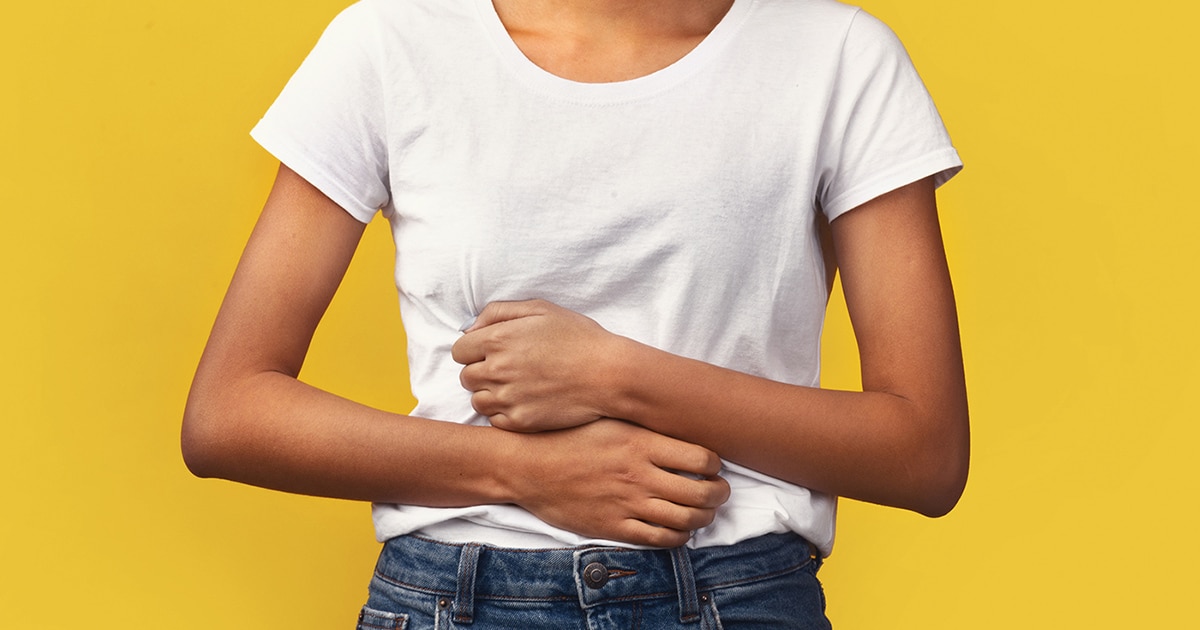
Medical professionals categorize this pain into two distinct types: primary and secondary dysmenorrhea. While primary dysmenorrhea refers to common menstrual cramps without an underlying disease, secondary dysmenorrhea is directly linked to disorders of the reproductive organs, such as PCOS or endometriosis. For the PCOS patient, this pain is often accompanied by heavy bleeding, large blood clots, and systemic symptoms including nausea, vomiting, dizziness, and chronic fatigue. In severe cases, the chronic blood loss associated with irregular but heavy PCOS periods can lead to secondary complications such as iron-deficiency anemia, further complicating the patient’s health profile.
A Chronology of PCOS Management and Clinical Recognition
The journey toward effective PCOS management has historically been fraught with diagnostic delays. For decades, the "male-centric" model of medical research often sidelined menstrual disorders as subjective or minor. However, the last twenty years have seen a significant shift in the clinical timeline. The 2003 Rotterdam Criteria provided a standardized framework for diagnosis, which allowed researchers to better isolate the specific needs of PCOS sufferers.
Following this standardization, a series of clinical trials began to investigate how lifestyle and pharmaceutical interventions could mitigate the specific inflammatory markers associated with the condition. By the mid-2010s, researchers had established a clear link between insulin resistance, which affects up to 70 percent of women with PCOS, and the severity of menstrual inflammation. This discovery moved the treatment timeline from simply "masking pain" to "managing the endocrine environment."
Pharmacological Strategies: NSAIDs and Hormonal Regulation
For many patients, the first line of defense against the onset of acute menstrual pain involves Non-Steroidal Anti-Inflammatory Drugs (NSAIDs). Common over-the-counter options such as ibuprofen (Advil) or naproxen are frequently utilized. According to a 2019 publication in the journal Obstetrics & Gynecology Science, NSAIDs do more than just provide analgesia; they actively limit the activity of cyclooxygenase (COX) enzymes. By inhibiting these enzymes, the body produces fewer prostaglandins, thereby reducing the force of uterine contractions and potentially lightening the heavy menstrual flow often reported by those with PCOS.
When over-the-counter options prove insufficient, clinical practitioners often turn to hormonal contraceptives. These treatments, which include the combination pill (estrogen and progestin) or the progestin-only "mini-pill," serve to stabilize the hormonal environment. By providing a consistent level of hormones, these medications can prevent the excessive thickening of the uterine lining, leading to lighter, more regular, and less painful periods. Beyond oral pills, delivery methods such as the vaginal ring or the contraceptive patch offer alternative routes for those who experience gastrointestinal side effects from oral medication. These interventions are also noted for their secondary benefits, such as reducing hirsutism (excess hair growth) and hormonal acne, which are common psychological stressors for PCOS patients.

The Role of Physical Activity in Menstrual Regularity
While the instinct during a pain flare-up is to remain sedentary, clinical evidence suggests that consistent physical activity is a vital component of long-term pain management. A 2017 review in the Saudi Journal of Sports Medicine highlighted that regular exercise can significantly improve menstrual regularity in women with PCOS. Exercise serves a dual purpose: it aids in weight management—crucial given that weight gain can exacerbate PCOS symptoms—and it promotes the release of endorphins, the body’s natural painkillers.
Journalistic analysis of patient outcomes suggests that the type of exercise matters less than the consistency. While high-intensity interval training (HIIT) may be effective for improving insulin sensitivity, gentler activities such as swimming, cycling, or brisk walking are often more sustainable during the menstrual phase. Aquatic aerobics, in particular, is frequently recommended as the buoyancy of the water reduces the strain on the lower back and joints, which are often sensitized during a PCOS period.
Nutritional Interventions and the Impact of Micronutrients
The link between diet and inflammation is perhaps nowhere more evident than in the management of PCOS. Modern clinical guidance emphasizes a diet focused on whole, anti-inflammatory foods to mitigate the systemic inflammation that drives menstrual pain. Data indicates that a staggering 85 percent of women with PCOS are deficient in Vitamin D. This deficiency is significant because Vitamin D plays a critical role in calcium absorption and the regulation of inflammatory cytokines. Supplementation, alongside the consumption of fatty fish and egg yolks, is often a foundational recommendation.
Furthermore, minerals such as magnesium have been shown to act as natural muscle relaxants, potentially easing the severity of uterine spasms. Omega-3 fatty acids, found in walnuts, chia seeds, and cold-water fish like salmon, are also vital. These healthy fats have the added benefit of helping to lower testosterone levels, addressing one of the root hormonal imbalances of the disorder. Conversely, dietary triggers such as caffeine and refined sugars are discouraged. Caffeine acts as a vasoconstrictor, tightening blood vessels and potentially worsening uterine cramps, while high sugar intake can lead to insulin spikes that fuel inflammatory processes.

Heat Therapy and Metabolic Functioning: Recent Clinical Insights
Heat therapy has long been a staple of home care, but recent research has provided a scientific basis for its efficacy beyond simple comfort. A 2019 study published in the American Journal of Physiology-Endocrinology and Metabolism revealed that regular heat therapy—such as hot baths or the use of electric heating pads—can improve glucose tolerance and adipose tissue insulin signaling in women with PCOS.
This suggests that heat therapy provides more than just temporary relief for muscle fibers; it may actually assist in the broader metabolic regulation of the body. By improving blood flow to the pelvic region, heat helps to relax the myometrium (the middle layer of the uterine wall), thereby reducing the "stabbing" sensation of secondary dysmenorrhea.
Broader Implications and the Future of Women’s Healthcare
The implications of unmanaged PCOS pain extend far beyond the individual’s physical discomfort. There is a significant economic and social impact, as many women are forced to take "sick days" or withdraw from social obligations due to the severity of their symptoms. This "productivity gap" highlights the need for workplace policies that recognize menstrual health as a legitimate medical concern.
Furthermore, the psychological toll of chronic pain in PCOS is a growing area of concern for mental health professionals. The unpredictability of the cycle, combined with the intensity of the pain, is often linked to higher rates of anxiety and depression. Analysts argue that a holistic approach—one that combines medical intervention with nutritional support and mental health care—is the only way to truly improve the quality of life for the millions of women affected.

As research continues to delve into the genetic and environmental causes of PCOS, the medical community is moving toward more personalized medicine. Future treatments may involve targeted gene therapies or more sophisticated hormonal modulators that offer relief without the side effects of current contraceptive options. For now, the integration of NSAIDs, regular exercise, specific nutrient supplementation, and heat therapy remains the most effective strategy for reclaiming a life unburdened by the debilitating pain of "that time of the month."
