
As the world continues to navigate a landscape shaped by persistent respiratory pathogens, the focus on individual infection control strategies has intensified beyond traditional vaccination. Public interest in proactive measures to mitigate illness, driven by heightened awareness of airborne transmission and its implications, has led to a re-evaluation of personal and environmental safeguards. This article explores a range of tools and scientific insights empowering individuals to reduce their risk of infection, drawing on an expanding body of evidence that challenges long-held assumptions about germ spread.
Rethinking Germ Transmission: The Airborne Consensus
A fundamental shift in public health understanding, largely solidified during the recent pandemic, is the predominant role of airborne transmission in the spread of respiratory diseases, including COVID-19. For decades, the "droplet dogma"—the belief that respiratory viruses primarily spread through large droplets that quickly fall to surfaces—guided infection control measures. This led to an emphasis on handwashing, surface disinfection, and social distancing based on a 6-foot rule. However, exhaustive research, spearheaded by persistent scientists challenging the prevailing narrative, largely debunked this droplet-centric view by early 2021.
The current scientific consensus posits that respiratory pathogens, particularly SARS-CoV-2, behave more like smoke, remaining suspended in the air for extended periods and traveling beyond short distances. This understanding renders many early pandemic interventions, such as plexiglass barriers and cloth masks, significantly less effective for airborne viruses. The implications are profound: to effectively prevent illness, individuals must prioritize strategies that reduce the inhalation of shared air. This paradigm shift underscores the critical need for improved ventilation, effective respiratory protection, and advanced air purification technologies.
Moreover, the notion that "getting sick helps your immune system" has been widely refuted in the context of pathogenic microbes. While exposure to beneficial microbes contributes to immune development, contracting illnesses like influenza or COVID-19 can, in fact, temporarily impair immune function, making individuals more susceptible to subsequent infections. This evidence further strengthens the rationale for proactive infection prevention.
CO2 Monitors: A Window into Indoor Air Quality
Ventilation is a cornerstone of airborne infection control. Adequate fresh air exchange dilutes airborne pathogens, reducing their concentration and, consequently, the risk of transmission. However, assessing ventilation quality without specialized equipment has historically been challenging. Portable carbon dioxide (CO2) monitors have emerged as a practical and accessible tool for this purpose.
CO2, a byproduct of human respiration, serves as a reliable proxy for the concentration of exhaled air in an indoor environment. Higher CO2 levels indicate a greater proportion of air that has been exhaled by others, correlating directly with an increased risk of inhaling airborne pathogens. For instance, outdoor CO2 levels typically hover around 400-450 parts per million (ppm). Public health guidelines, such as those from the American Society of Heating, Refrigerating and Air-Conditioning Engineers (ASHRAAE), often recommend indoor CO2 levels remain below 800 ppm, with some advocating for levels under 600 ppm in high-occupancy or healthcare settings. Levels consistently above 1000 ppm signal poor ventilation and elevated risk.
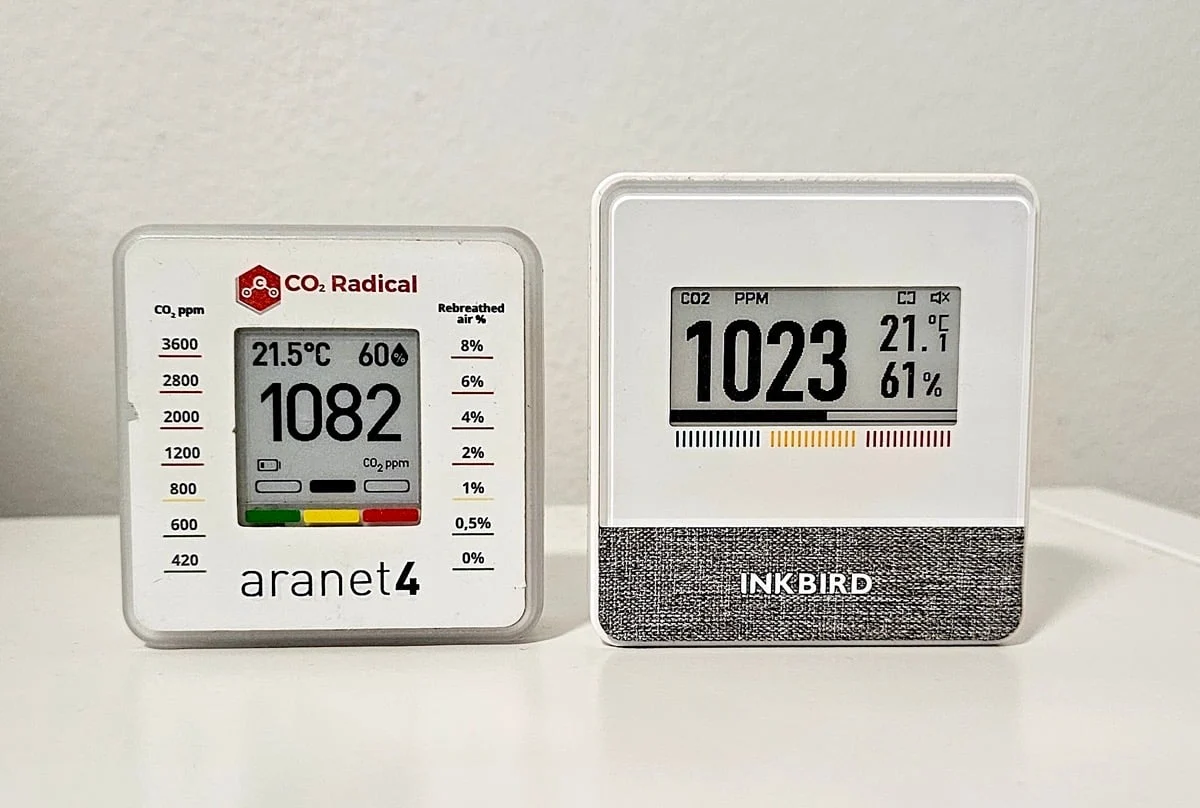
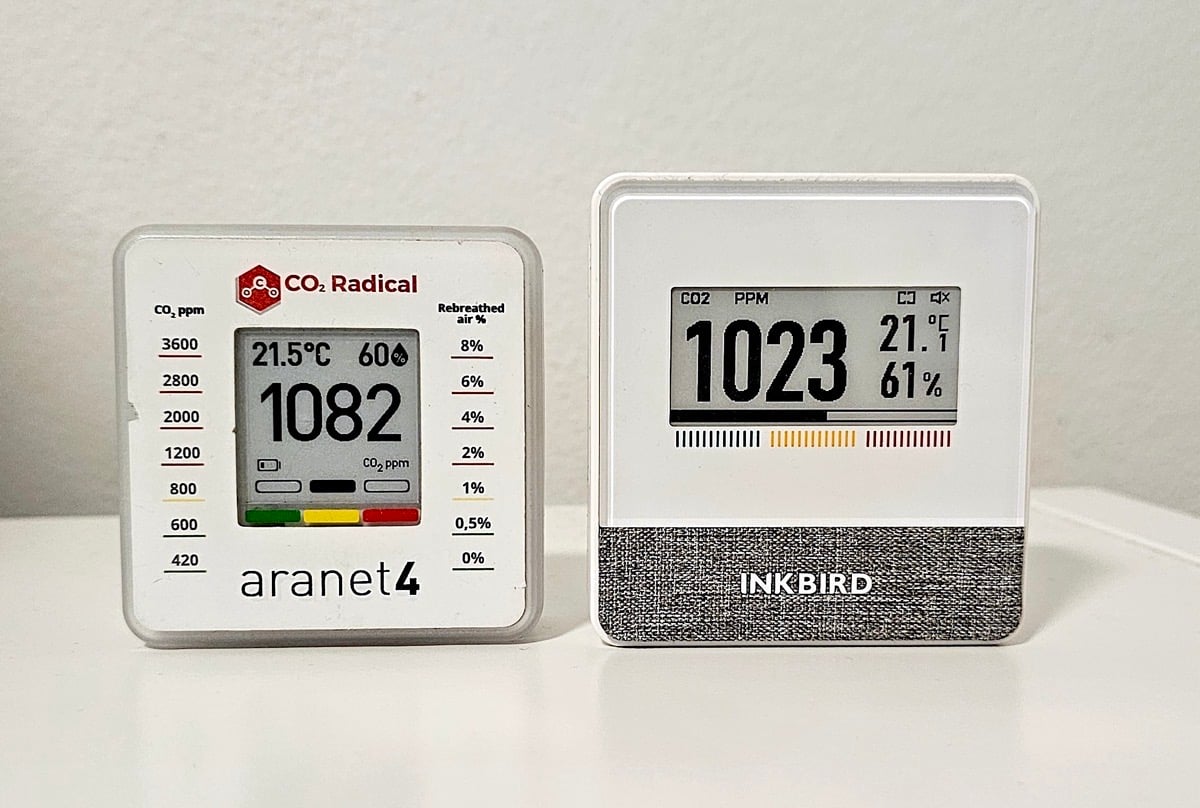
Portable devices, such as the Aranet4 Home or Inkbird monitors, empower individuals to make informed decisions about their environment. While precise risk calculation remains complex, influenced by factors like the number of infected individuals and personal susceptibility, CO2 readings offer actionable insights. For example, maintaining levels below 600 ppm significantly reduces widespread airborne transmission, while readings above 1000 ppm warrant increased caution, such as donning a respirator or seeking better-ventilated spaces.
Real-world applications of CO2 monitoring extend beyond public health. It reveals surprisingly poor ventilation in many everyday settings, from crowded gyms with seemingly strong air conditioning to small, occupied rooms and even cars. Conversely, some establishments, like certain restaurants, might offer unexpectedly good air exchange. Awareness gained from these monitors can also prompt simple yet effective changes at home, such as opening a window at night to prevent CO2 buildup, which can lead to morning grogginess. It’s important to note that the presence of high-efficiency particulate air (HEPA) filters or air purifiers can improve air cleanliness despite high CO2 readings, as these devices actively remove particles, including viruses. For instance, commercial aircraft often have high CO2 levels but excellent filtration systems while in flight, though filtration may be reduced when planes are on the ground.
Respirators: The Gold Standard for Personal Protection
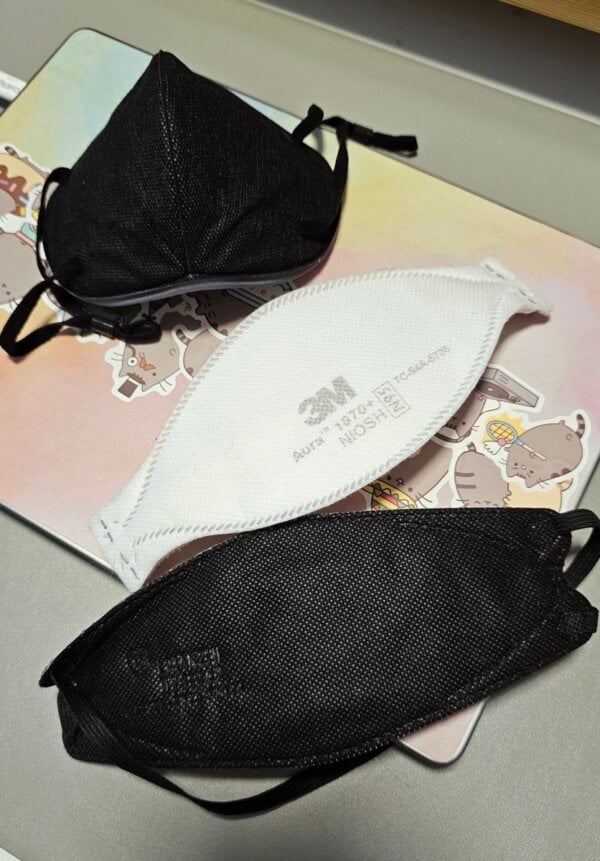
When good ventilation cannot be ensured, personal respiratory protection becomes paramount. Respirators, distinct from surgical or cloth masks, are designed to create a tight seal around the face and filter out airborne particles, offering superior protection to the wearer. Standards like N95 (US), P2 (Australia/New Zealand), FFP2 (Europe), and KN95 (China) certify a minimum filtration efficiency of 95% for airborne particles.
Key considerations for respirator effectiveness include:
- Fit: A proper seal is crucial. While occupational use often requires quantitative fit testing, qualitative seal checks (inhaling sharply to feel the mask pull inward) provide a good indicator for general public use. Headstraps generally offer a better seal than earloops.
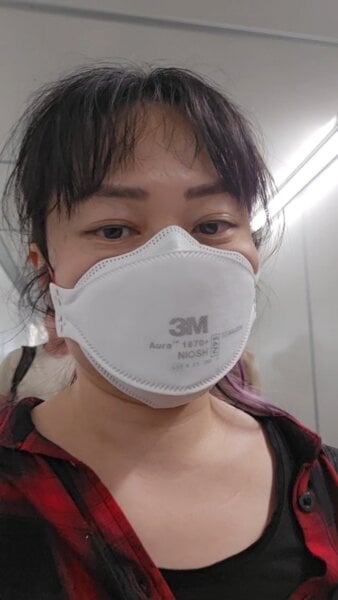
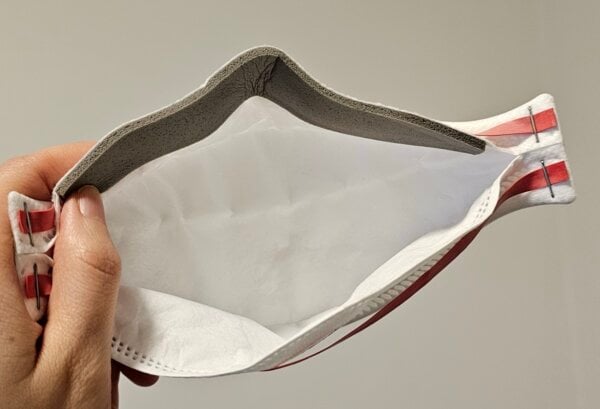
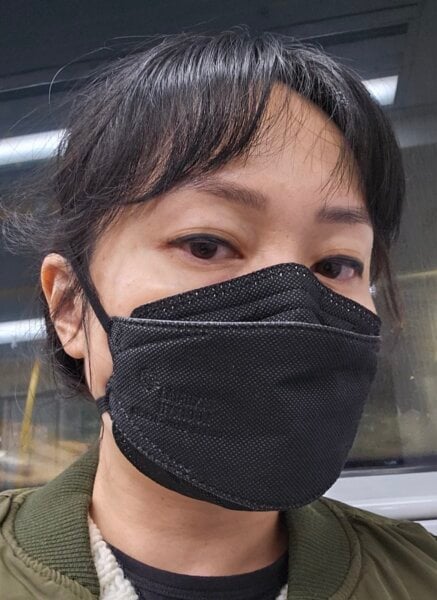
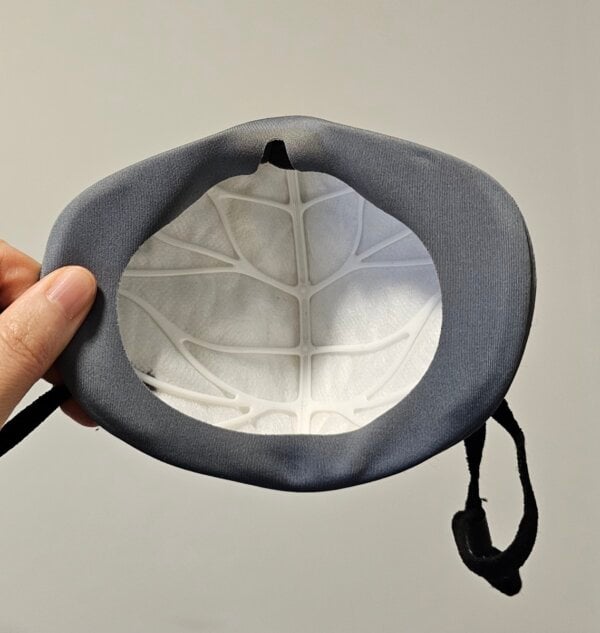
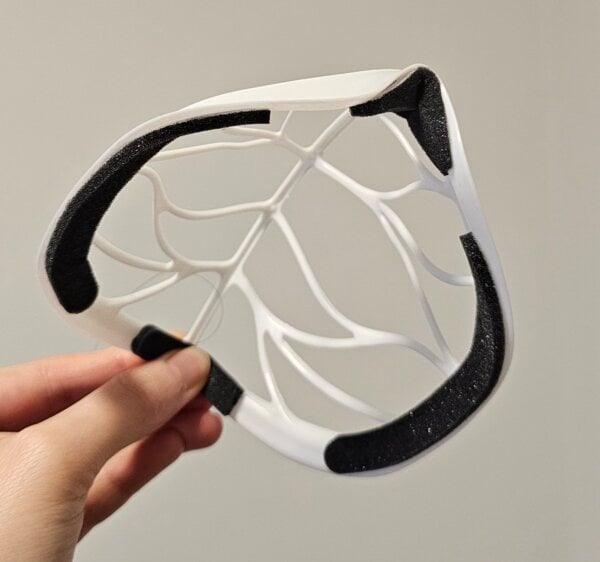
- Comfort and Design: Designs like the 3M Aura, with its boat shape and electrostatic filter material, are known for high filtration and comfort, fitting a large percentage of the population. They sit off the nose and mouth, reducing discomfort compared to flatter masks. Other innovative designs, such as the Zimi Air, incorporate an internal frame and gasket to achieve a tight seal without excessive facial pressure, catering to those concerned about skin marks or makeup.
- Reusability: Contrary to common misconceptions, N95 respirators can be reused until the filter material becomes difficult to breathe through or the seal integrity is compromised. This extends their practical utility and cost-effectiveness.
Respirators are particularly recommended in high-risk indoor environments where ventilation is poor or where vulnerable individuals may be present, such as airports, planes, public transport, pharmacies, hospitals, and crowded indoor gatherings. Their benefits extend beyond infection prevention, as they can also help maintain nasal humidity, preventing issues like nosebleeds in dry environments like aircraft cabins. The growing acceptance and availability of diverse respirator designs, including those with aesthetic considerations, reflect an evolving societal adaptation to endemic respiratory threats. Resources like the Masks4All Wiki and expert "Mask Nerds" provide invaluable guidance on selection and proper usage.
Targeted Air Purification: Laminar Flow Systems
While whole-room air purifiers are effective, personal laminar air flow purifiers offer a localized solution for clean air delivery. Unlike conventional purifiers that release turbulent air streams, which quickly mix with surrounding "dirty" air, laminar flow devices are engineered to maintain a focused, unidirectional stream of clean air for a longer distance.
The AirFanta 4Lite, for example, is designed to create a personal zone of purified air, allowing individuals to breathe cleaner air even in compromised environments, such as while eating in a restaurant. This technology is not a replacement for respirators but serves as a supplementary measure, particularly in situations where mask removal is necessary. Wearable versions, like the AirFanta Wear, offer a similar concept, directing small streams of purified air towards the mouth and nose, though their efficacy in creating a sufficiently large clean air zone remains a subject of ongoing evaluation. The engineering principles behind these devices aim to minimize entrainment of ambient air, maximizing the delivery of filtered air directly to the user’s breathing zone.
Far-UVC Technology: A Promising Frontier in Germicidal Air Disinfection
Far-UVC light, specifically at a wavelength of 222 nanometers (nm), represents a groundbreaking technology for inactivating airborne pathogens. Traditional germicidal UVC (254 nm) is highly effective but harmful to human skin and eyes, necessitating its use only in unoccupied spaces or shielded upper-room fixtures. In contrast, 222 nm Far-UVC has demonstrated the ability to effectively kill viruses and bacteria in the air while causing minimal harm to human biological tissues. This is because 222 nm photons are strongly absorbed by the outer layers of the skin and the tear film of the eye, preventing them from penetrating to living cells.
This technology holds immense promise for continuous, active air disinfection in occupied public spaces such as offices, schools, hospitals, and transportation hubs. Products like Nukit torches illustrate the potential for portable Far-UVC applications, enabling individuals to create a localized zone of disinfection. However, the commercial landscape for Far-UVC is still maturing, and concerns exist regarding the accuracy of specifications and safety claims of some products. Rigorous testing and adherence to established safety guidelines are paramount. The potential for widespread adoption of validated Far-UVC technology could revolutionize indoor air safety, providing a dynamic layer of protection against respiratory pathogens.
Room-Level Air Purification: HEPA Filters and CADR
For comprehensive indoor air quality management, High-Efficiency Particulate Air (HEPA) filters remain the gold standard. HEPA filters are designed to capture 99.97% of airborne particles 0.3 micrometers in diameter, including viral particles, bacteria, pollen, and smoke.
When selecting an air purifier, the Clean Air Delivery Rate (CADR) is the most critical metric. CADR measures how quickly the purifier removes pollutants from a room, indicating the volume of filtered air delivered per minute. A higher CADR is suitable for larger rooms or spaces with poorer ventilation. Industry standards and tools, such as those provided by Clean Air Stars, help consumers match purifier CADR to room size, ensuring effective air changes per hour (ACH). Placing purifiers strategically, slightly away from walls, optimizes airflow and distribution of cleaned air. HEPA purifiers are essential tools for enhancing indoor air quality in homes, classrooms, offices, and hotel rooms with centralized air systems, significantly reducing the concentration of airborne pathogens and allergens.
Nasal Hygiene: Rinses and Barrier Sprays
While not a primary defense against airborne transmission, nasal hygiene practices can offer a supplementary layer of protection. Nasal saline rinses, administered via squeeze bottles or neti pots, have been studied for their ability to reduce the duration and severity of common colds and allergies. The mechanism involves physically flushing out mucus, allergens, and potentially viral particles from the nasal passages before they can establish a full infection. Using a nasal rinse after potential high-risk exposures, such as a crowded event or a medical appointment, is a low-risk intervention that could help reduce viral load.
Nasal sprays containing active ingredients like carrageenan, xylitol, or povidone-iodine are also being explored for their potential to block viral binding or inactivate viruses on contact within the nasal mucosa. Carrageenan, a red seaweed extract, forms a protective barrier, while xylitol may disrupt bacterial adhesion and viral replication. Povidone-iodine has broad-spectrum antimicrobial properties. However, the inconsistent delivery of active ingredients via nasal sprays and the need for more robust clinical data mean they should be considered as adjuncts rather than standalone preventive measures. They may provide a modest additional benefit when integrated into a broader infection control strategy.
Monitoring Community Viral Activity for Informed Decisions
In an endemic era, understanding prevailing community viral activity is crucial for individuals to assess personal risk and adjust their protective measures accordingly. The shift away from widespread individual PCR testing has led to an increased reliance on aggregate data sources.
Key indicators for monitoring community viral levels include:
- Wastewater Surveillance: This method detects viral RNA in sewage, providing a population-level snapshot of infection trends, often weeks before clinical cases peak. It is a highly effective, unbiased, and cost-efficient way to track community transmission of various pathogens.
- Syndromic Surveillance: Monitoring emergency department visits for respiratory illnesses or school absentee rates can offer early warnings of increased viral circulation.
- Hospitalization and Mortality Data: While lagging indicators, these metrics reflect the severity and overall burden of disease in the healthcare system.
Accessing and interpreting these public health data points, often available through local and national health agencies, allows individuals to gauge the "UV index" of viral risk in their environment. During periods of high viral circulation, adopting stricter precautions, such as increased mask use or avoiding crowded indoor spaces, becomes a prudent strategy for reducing personal exposure.
Broader Implications for Public Health and Society
The collective experience of recent years has catalyzed a profound re-evaluation of public health infrastructure and individual responsibility in managing endemic respiratory diseases. The emphasis on airborne transmission necessitates systemic changes in building codes and ventilation standards, advocating for healthier indoor environments as a fundamental right. Organizations like ASHRAE are continually updating their guidelines to reflect the latest science on indoor air quality.
For individuals, the availability of advanced tools—from CO2 monitors that demystify indoor air quality to highly effective respirators and innovative air purification technologies—empowers greater autonomy in personal health protection. This evolving paradigm encourages a proactive approach, integrating these strategies alongside vaccination, to build resilience against a future where respiratory viruses remain a constant, yet manageable, presence. The ongoing dialogue between scientific research, public health policy, and individual action will continue to shape how societies adapt to and mitigate the impact of endemic illness.
