
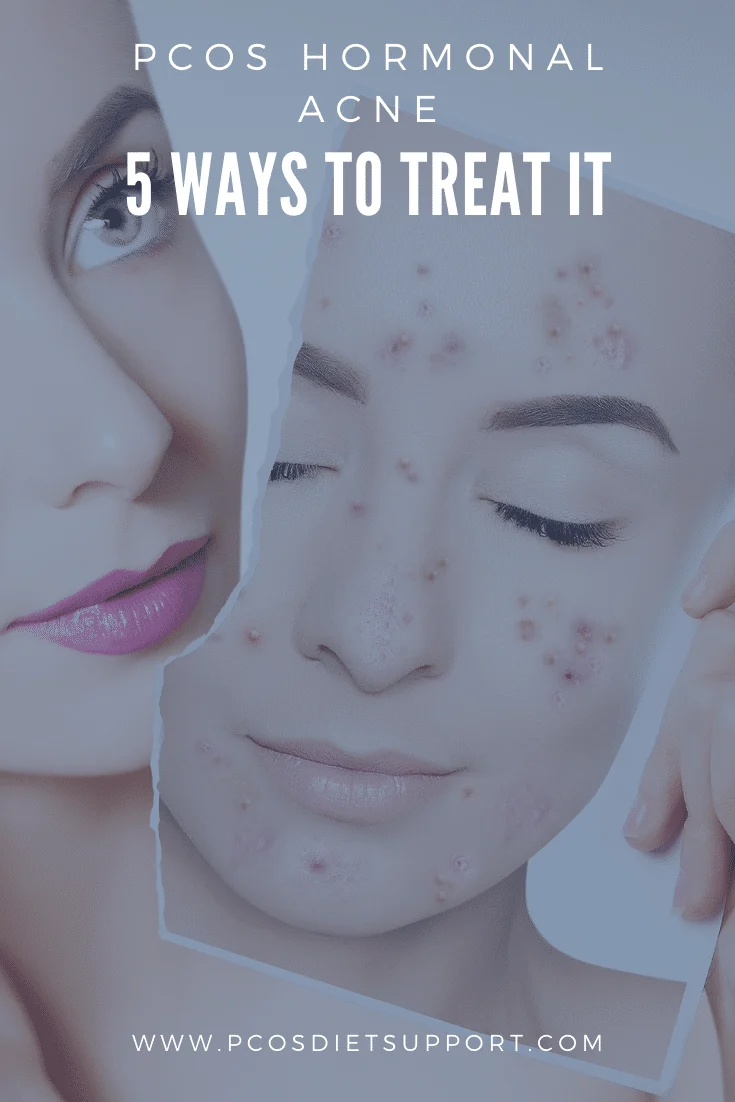
Polycystic Ovary Syndrome (PCOS) remains one of the most common endocrine disorders affecting women of reproductive age, with a global prevalence estimated between 8% and 13%. While the condition is often characterized by irregular menstrual cycles and polycystic ovaries, the cutaneous manifestations—specifically hormonal acne—frequently serve as the most visible and psychologically distressing symptoms. Unlike the transient breakouts associated with a typical menstrual cycle, PCOS-related acne is driven by deep-seated hormonal imbalances that require a multi-faceted clinical approach. Understanding the relationship between the endocrine system and the skin’s sebaceous glands is critical for patients and healthcare providers seeking to move beyond superficial topical treatments toward systemic resolution.
The Pathophysiology of PCOS-Induced Acne
The development of acne in the context of PCOS is primarily a result of hyperandrogenism, a state of elevated male sex hormones such as testosterone and androstenedione. In a healthy physiological state, the pituitary gland, located at the base of the brain, acts as a command center, regulating the production of estrogen, progesterone, and androgens. These hormones maintain bone density, reproductive health, and skin integrity. However, in women with PCOS, the signaling between the pituitary gland and the ovaries becomes disrupted.
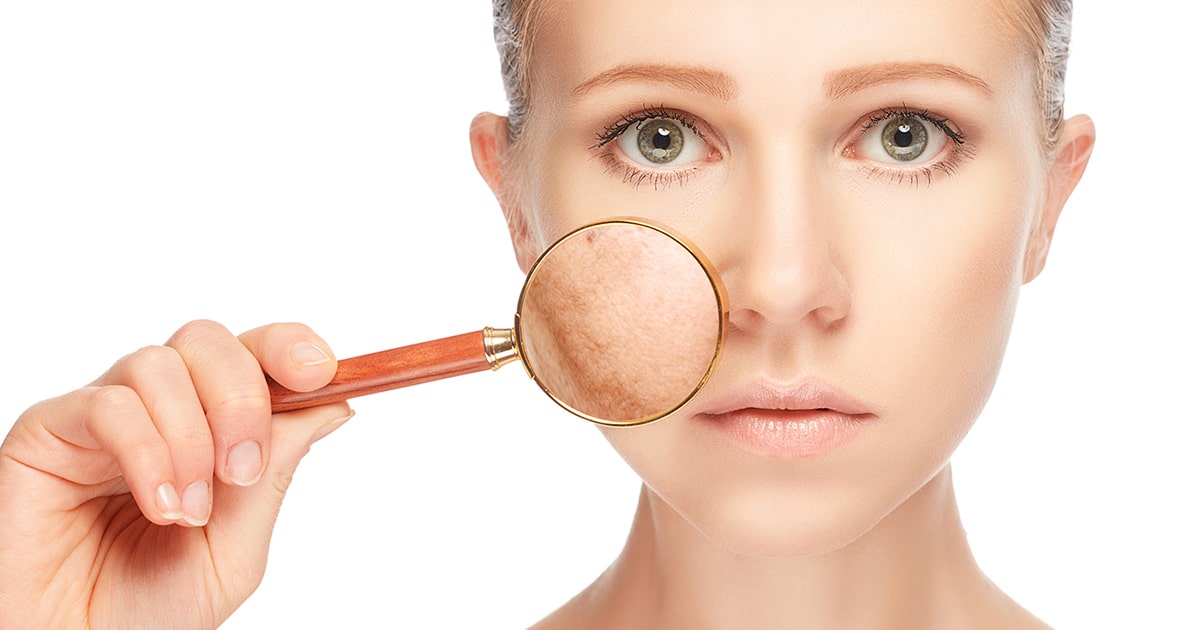
This disruption often leads to an overproduction of Luteinizing Hormone (LH) relative to Follicle-Stimulating Hormone (FSH), which stimulates the ovarian theca cells to produce excess testosterone. Simultaneously, many women with PCOS experience insulin resistance, a condition where the body’s cells do not respond effectively to insulin. To compensate, the pancreas produces more insulin. High levels of circulating insulin further exacerbate the problem by stimulating the ovaries to produce even more androgens and by suppressing the production of Sex Hormone-Binding Globulin (SHBG) in the liver. SHBG normally binds to testosterone in the blood, rendering it inactive; when SHBG levels are low, "free" testosterone increases, directly impacting the skin.
When these excess androgens reach the skin, they bind to receptors in the sebaceous glands, causing them to enlarge and produce excessive amounts of sebum (oil). This oily environment, combined with follicular hyperkeratosis—a process where dead skin cells do not shed properly—clogs pores and creates an ideal breeding ground for Cutibacterium acnes bacteria. The result is inflammatory acne that typically manifests along the jawline, chin, and neck, often appearing as deep, painful cystic lesions that are resistant to standard over-the-counter washes.
Clinical Treatment Modalities: The Role of Retinoids
For moderate to severe PCOS acne, dermatologists frequently turn to retinoids, which are derivatives of Vitamin A. Retinoids work at the cellular level to normalize the life cycle of skin cells, preventing the "stickiness" that leads to clogged pores. They also possess significant anti-inflammatory properties, making them essential for treating the cystic lesions common in PCOS.
Topical Retinoids
Topical options such as Tretinoin (Retin-A), Adapalene (Differin), and Tazarotene are considered first-line therapies. These medications increase cell turnover and help clear existing comedones while preventing new ones from forming. Patients are typically advised to apply a pea-sized amount to a dry face approximately 30 minutes after washing to minimize irritation. It is common for a "purging" period to occur, where acne appears to worsen for the first four to six weeks before significant improvement is observed.
Oral Isotretinoin
In cases where acne is severe, scarring, or resistant to other treatments, oral isotretinoin (commonly known by the brand name Accutane) may be prescribed. Isotretinoin is a potent medication that targets all four causes of acne: excess oil production, clogged pores, bacteria, and inflammation. A typical course lasts 15 to 20 weeks, with dosages calculated based on the patient’s body weight.
However, the use of isotretinoin requires strict medical supervision due to its side-effect profile. Common issues include extreme dryness of the skin, lips, and eyes, as well as joint pain and potential changes in mood. Most critically, isotretinoin is highly teratogenic, meaning it can cause severe birth defects if a patient becomes pregnant while taking the drug. In the United States, patients must participate in the iPLEDGE program, which mandates monthly pregnancy tests and the use of two forms of contraception.

Hormonal Interventions: Birth Control and Antiandrogens
Because the root cause of PCOS acne is systemic and hormonal, topical treatments are often insufficient when used in isolation. Clinical guidelines frequently recommend hormonal therapies to address the underlying androgen excess.
Oral Contraceptives
Combined oral contraceptive pills (COCs) containing both estrogen and progestin are a cornerstone of PCOS management. The estrogen component increases the production of SHBG, which "mops up" excess free testosterone in the blood. Furthermore, the progestin helps regulate the menstrual cycle and protects the uterine lining from hyperplasia. The FDA has specifically approved certain pills, such as Yaz, Yasmin, and Ortho Tri-Cyclen, for the treatment of acne.
It is important to note that COCs carry risks, particularly for women who are obese, smoke, or have a history of hypertension. These factors increase the risk of venous thromboembolism (blood clots). Additionally, while birth control is effective at masking symptoms, many patients find that their acne returns once they discontinue the medication, suggesting that COCs are a management tool rather than a permanent cure.
Antiandrogen Medications
When birth control alone is not enough, or if a patient cannot take COCs, antiandrogens may be prescribed. Spironolactone (Aldactone) is the most frequently used antiandrogen for female acne. Originally a blood pressure medication, it was found to effectively block androgen receptors in the skin and inhibit the production of testosterone.
Clinical data suggests that Spironolactone can reduce sebum production by up to 50% in some women. Another option, Cyproterone acetate, is often used in Europe and Canada as part of a birth control formulation (such as Diane-35) to treat severe hyperandrogenism. These medications require several months of consistent use to show full results and may necessitate periodic blood tests to monitor potassium levels and kidney function.
Nutritional Strategies and the Insulin Connection
Emerging research and clinical observations have highlighted the significant role of diet in managing PCOS symptoms. Given the link between insulin resistance and androgen production, dietary interventions aimed at stabilizing blood sugar are often as effective as pharmaceutical treatments for some women.
The Impact of Dairy
One of the most discussed dietary links to acne is the consumption of dairy. Milk contains growth hormones and insulin-like growth factor 1 (IGF-1), which can stimulate the sebaceous glands and increase androgen signaling. For many women with PCOS, the elimination of dairy leads to a noticeable reduction in inflammatory lesions within weeks. While the scientific community continues to debate the extent of this link, many practitioners recommend a trial period of dairy elimination for patients with recalcitrant acne.
Managing the Glycemic Load
A low-glycemic index (GI) diet is widely considered the gold standard for PCOS nutritional management. By consuming complex carbohydrates, fiber, and lean proteins, patients can avoid the insulin spikes that trigger testosterone production. Incorporating anti-inflammatory foods—such as leafy greens, fatty fish, and berries—can also help reduce the systemic inflammation associated with cystic breakouts.
The Psychological Impact and the Role of Stress
The relationship between stress and acne is a biological reality, not merely a psychological observation. Stress triggers the adrenal glands to produce cortisol and DHEA-S, an androgen precursor. In women with PCOS, whose systems are already sensitized to androgens, this stress response can lead to immediate and severe flare-ups.

The psychological burden of PCOS acne cannot be overstated. Studies have shown that women with visible PCOS symptoms report higher rates of depression, social anxiety, and lower self-esteem compared to the general population. This creates a "vicious cycle" where the stress of having acne triggers the hormonal changes that cause more acne.
To break this cycle, clinicians increasingly advocate for "stress-busting" interventions. Techniques such as mindfulness-based stress reduction (MBSR), yoga, and cognitive-behavioral therapy (CBT) have been shown to lower cortisol levels and improve the quality of life for PCOS patients. Prioritizing sleep and moderate physical activity also helps improve insulin sensitivity and hormonal regulation.
Broader Implications and Long-Term Outlook
The management of PCOS hormonal acne is a marathon, not a sprint. Because PCOS is a lifelong chronic condition, the goal of treatment is long-term maintenance rather than a one-time fix. A successful strategy usually involves a "step-ladder" approach: starting with lifestyle and dietary changes, adding topical retinoids, and introducing systemic hormonal therapy if necessary.

The broader implications of successfully treating PCOS acne extend beyond aesthetics. Effective management of the underlying hormonal and insulin imbalances reduces the long-term risk of associated comorbidities, such as Type 2 diabetes, cardiovascular disease, and endometrial cancer. As medical research continues to evolve, the focus is shifting toward personalized medicine—tailoring treatments to a woman’s specific hormonal profile and metabolic needs.
For those navigating the complexities of PCOS, the path to clear skin requires patience and a partnership with knowledgeable healthcare professionals. By addressing the pituitary-ovarian axis, managing insulin levels, and utilizing targeted dermatological therapies, women can regain control over their skin and their overall health. The integration of medical science and lifestyle modification offers the most robust defense against the "unwanted rollercoaster" of PCOS-induced hormonal acne.
