
The modern man, once solely focused on physical exertion and visible achievements, is now increasingly embracing a more introspective approach to well-being. This shift is most evident in the burgeoning mainstream acceptance of sauna culture, transforming from a niche spa indulgence into a deliberate discipline. For a growing segment of men, mastering the art of the sauna, from proper usage to appropriate attire, has become a subtle yet powerful signal of their commitment to holistic self-improvement, encompassing physical health, mental resilience, and refined presentation. This trend reflects a broader cultural evolution where "earned relaxation" is valued over passive leisure, and intentionality is the new benchmark of seriousness.
The Ascent of the Sauna: A Convergence of Wellness Trends
The sauna’s rise in popularity is not an isolated phenomenon but rather a natural culmination of several intersecting wellness trends. For years, the fitness industry has emphasized recovery as a critical component of athletic performance and overall health. The sauna, with its heat-induced physiological responses, perfectly aligns with this focus, offering a profound sense of relief and rejuvenation that feels genuinely earned after periods of physical or mental exertion.
This surge in sauna adoption is closely intertwined with the growing embrace of contrast therapy. The practice of alternating between extreme heat and cold, once primarily the domain of elite athletes and biohackers, has become increasingly accessible. While the cold plunge has garnered significant media attention and cultural momentum, the sauna represents its more established, sophisticated counterpart. It offers a more gradual, contemplative immersion in an environment that demands presence and resilience.
Beyond its physical benefits, the sauna offers a unique social dynamic increasingly sought after in our hyper-connected world. By its very nature, a sauna environment is phone-free, encouraging a welcome respite from digital distractions. Conversations are typically minimal and deliberate, fostering a sense of shared experience and quiet camaraderie. In an era characterized by constant stimulation and information overload, this enforced stillness and focused interaction provide a rare and valuable form of mental recalibration.

The Shift in Leisure Philosophy:
A significant cultural undercurrent driving the sauna’s resurgence is the shift away from passive leisure. The prevailing ethos now champions "earned relaxation," a concept that positions restorative practices as rewards for effort. The sauna embodies this perfectly, requiring an individual to engage with discomfort—the heat, the stillness, the internal focus—before yielding its benefits. This active participation, rather than passive consumption, resonates deeply with a generation seeking more meaningful engagement with their well-being. This requires a degree of heat tolerance, the ability to maintain stillness, and a disciplined approach, all of which are integral to the sauna experience.
Unpacking the Benefits: Science-Backed and Promising
While the wellness industry can sometimes overstate the efficacy of certain practices, the benefits associated with sauna use are increasingly supported by scientific evidence, with some claims being well-established and others showing promising preliminary results. It is crucial to approach these benefits with a grounded perspective, distinguishing between robust research and emerging hypotheses.
Physical Benefits:
The physiological effects of heat exposure in a sauna are multifaceted. Elevated body temperature can mimic the effects of moderate exercise, leading to increased heart rate and blood circulation. This enhanced cardiovascular activity can contribute to improved blood pressure regulation and overall heart health. Studies have indicated a correlation between regular sauna use and a reduced risk of cardiovascular events. For instance, a long-term study published in the American Journal of Hypertension suggested that frequent sauna bathing (four to seven times a week) was associated with a significantly lower risk of sudden cardiac death, fatal cardiovascular disease, and all-cause mortality.
Furthermore, the heat can promote muscle relaxation and alleviate pain, making saunas a popular recovery tool for athletes. The increased blood flow to muscles can aid in the removal of metabolic byproducts and deliver oxygen and nutrients, potentially speeding up the recovery process after strenuous physical activity. Some research also suggests that heat exposure may play a role in stimulating the production of heat shock proteins, which can help protect cells from damage and inflammation.

Mental and Cognitive Benefits:
The impact of saunas extends beyond the physical, offering significant advantages for mental well-being. The intense heat can trigger the release of endorphins, the body’s natural mood elevators, leading to feelings of relaxation and euphoria. This can be particularly beneficial for individuals experiencing stress, anxiety, or mild depression. The quiet, contemplative nature of a sauna session also provides an opportunity for mindfulness and introspection, allowing the mind to detach from daily stressors and achieve a state of calm.
Emerging research is also exploring the potential cognitive benefits of sauna use. Some studies suggest that regular heat exposure may improve cognitive function, enhance focus, and even offer neuroprotective effects. The theory is that the physiological stress induced by heat may stimulate the brain to produce Brain-Derived Neurotrophic Factor (BDNF), a protein crucial for the growth, survival, and function of neurons. While more research is needed, these early findings are compelling and align with the anecdotal experiences of many who report improved mental clarity after sauna sessions.
Mastering the Sauna: A Protocol for Effective Use
Navigating the sauna experience effectively requires a balanced approach, avoiding both overthinking and underthinking the process. A clean, consistent protocol ensures maximum benefit while maintaining safety and respect for the environment.
Before Entering the Sauna:
Preparation is key to a safe and beneficial sauna session. It is advisable to hydrate thoroughly before entering, as the heat will induce significant sweating. Drinking a large glass of water is recommended. It’s also wise to avoid heavy meals immediately before a sauna, as digestion can divert blood flow from other essential bodily functions. Showering before entering is a matter of hygiene and respect for fellow users, removing any lotions, oils, or sweat that could affect the sauna environment. For those new to saunas, starting with a shorter duration and lower temperature is prudent, gradually increasing as tolerance builds.
During the Sauna Session:
The duration of a sauna session can vary based on individual tolerance, but typically ranges from 10 to 20 minutes. It’s crucial to listen to your body and exit if you feel lightheaded, dizzy, or uncomfortable. Maintaining a relaxed posture and focusing on deep, steady breathing can enhance the experience. Some users find it beneficial to sit on a towel to absorb sweat and maintain hygiene. The temperature in a traditional Finnish sauna can range from 70°C to 100°C (158°F to 212°F), and the humidity can be controlled by adding water to the hot stones. For those seeking a more intense experience, adding water to the stones (löyly) can increase the perceived heat and steam.

After the Sauna Session:
Cooling down is an essential part of the sauna ritual. This can be achieved through a cool shower, a dip in a cold plunge pool, or simply by resting in a cooler environment. This contrast in temperature can provide a refreshing jolt and further enhance recovery. Rehydration is paramount after a sauna, so continue to drink plenty of water. Allowing the body to gradually return to its normal temperature before engaging in strenuous activity is also advisable.
An Example Sauna Flow:
A simple yet effective sauna routine often involves a cycle of heat, cold, and rest. A common approach is:
- First Session: 12 minutes in the sauna.
- Cool Down: A cold shower or plunge.
- Rest Period: 10 minutes of rest, allowing the body to regulate.
- Repeat: This cycle can be repeated once or twice, depending on individual preference and tolerance.
This structured approach ensures that the body receives the full benefits of heat exposure, followed by a revitalizing cool-down and adequate recovery time, making the practice sustainable and beneficial in the long term.
Sauna Style: The Nuances of Attire and Presentation
In the intimate and often minimalist setting of a sauna, personal presentation takes on a heightened significance. Unlike the gym, where athletic performance often takes precedence, the sauna is a space of repose, where every visible element of your attire communicates something about your intention and respect for the environment. The key is to project an image of considered effortlessness, where your choices appear natural and intentional, rather than contrived or ostentatious.

Shorts: The Primary Garment
The choice of shorts is paramount. Lightweight, quick-drying fabrics such as nylon or polyester blends are ideal for comfort and practicality. A 5-to-7-inch inseam is generally considered modern and appropriate, avoiding the overly casual look of longer athletic shorts. Minimal seams and a lack of heavy lining contribute to comfort and a streamlined appearance. Neutral tones—black, olive, or sand—are versatile, age gracefully, and blend seamlessly into various sauna settings.
- Avoid: Heavy gym shorts, cotton (which retains moisture), and loud, distracting prints. These detract from the serene atmosphere and can appear out of place.
Towels: Etiquette and Aesthetic
A high-quality towel is not merely a functional item; it is a statement of hygiene and consideration. Opt for towels made from premium cotton or a waffle weave, in neutral or muted colors like white, oatmeal, or stone. A large towel is essential for sitting on, ensuring a hygienic barrier between your body and the sauna bench—a non-negotiable aspect of sauna etiquette. A smaller hand towel for wiping sweat is also practical. The choice of towel subtly signals an appreciation for quality and an understanding of the unspoken rules of shared spaces.
- Avoid: Thin, worn gym towels, towels with prominent resort branding, and overly bright or garish colors. These can appear unkempt or disrespectful.
Slides: Understated Footwear
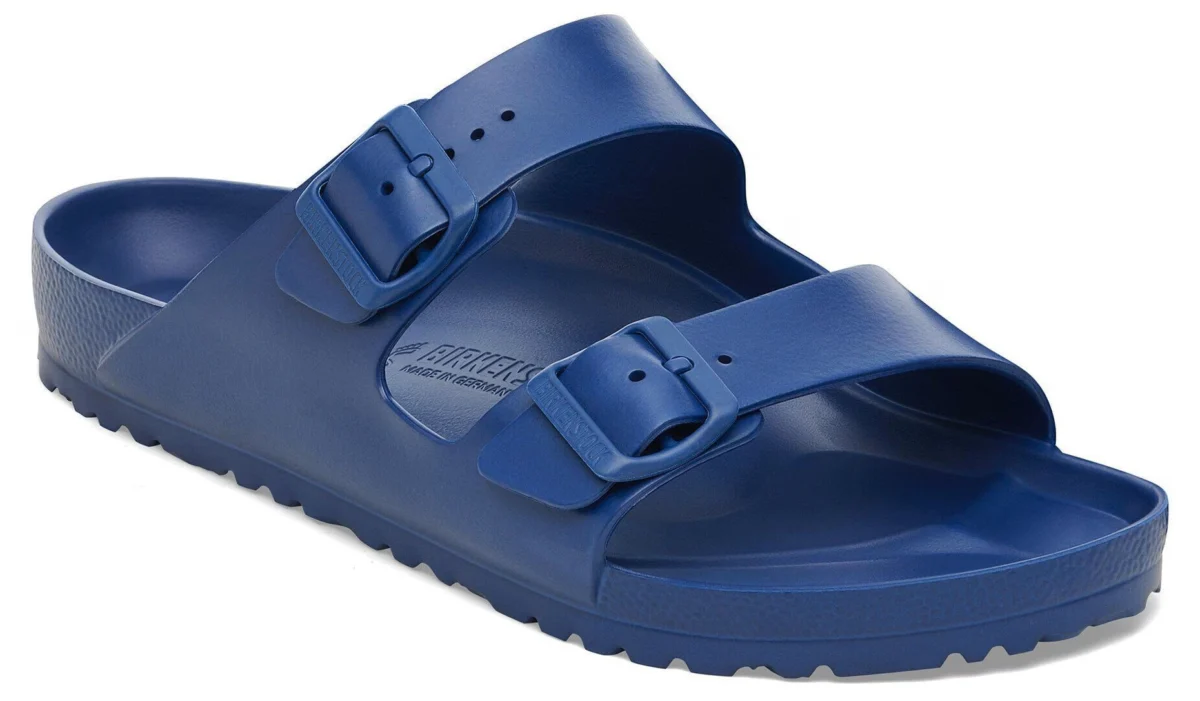
Footwear in a sauna should be simple, functional, and unobtrusive. Well-made rubber or EVA foam slides with minimal branding and in neutral colors are the ideal choice. The aim is understated elegance, not flashy athleticism. A clean pair of minimal slides suggests that you have given thought to your presence without drawing undue attention to yourself.
- Avoid: Oversized athletic logos, bulky sandals, or anything that appears overly casual or indicative of a locker-room environment.
The Unspoken Rules: Navigating Sauna Etiquette
Understanding and adhering to sauna etiquette is a crucial part of integrating into this growing subculture. These unwritten rules are not complex but are universally respected by those who understand the sanctity of the sauna space. They foster an atmosphere of mutual respect, tranquility, and shared discipline.
- Hygiene First: Always use a towel to sit or lie on. This is paramount to maintaining a clean environment for everyone.
- Quietude is Key: Saunas are generally quiet spaces. Avoid loud conversations or unnecessary noise. Respect the contemplative atmosphere.
- Mind Your Space: Be mindful of others’ personal space. Avoid overcrowding or making others feel uncomfortable.
- Shower Before and After: This is a fundamental aspect of sauna hygiene.
- Listen to Your Body: Do not overstay your welcome. Exit if you feel unwell.
- Respect the Ritual: Understand that for many, this is a practice. Be mindful of their routines and preferences.
- No Phones or Electronics: Saunas are a digital detox zone. Leave your devices outside.
The Principle of Observance:

The true mark of someone who understands sauna culture lies not in memorizing a list of rules, but in intuitively observing them. The ability to enter the space and naturally conform to its norms—speaking softly, maintaining cleanliness, respecting silence—demonstrates an inherent understanding and appreciation for the shared experience. This quiet adherence is what truly signifies belonging.
Integrating Saunas into a Routine: From Occasion to Habit
A solitary sauna session can be a pleasant indulgence, but its true power lies in its integration into a consistent routine. The difference between a one-off experience and a beneficial habit is intentionality. By framing the sauna not as a treat but as a vital tool for well-being, its impact is amplified.
The Power of Ritual:
Establishing a regular sauna schedule, such as "every Tuesday and Thursday at 6 PM," transforms the practice into a predictable ritual. This consistency allows the body to adapt and the mind to anticipate the benefits. The compounding effects of regular heat exposure, combined with the psychological comfort of a familiar routine, contribute significantly to overall well-being. This ritualistic approach can enhance sleep quality, improve stress management, and foster a greater sense of control over one’s physical and mental state.
Style Meets Ritual: The Cohesive Sauna Experience
The most impactful sauna experiences are those where style, routine, and personal pace converge seamlessly. This is not about showcasing expensive brands or the most elaborate accessories, but about cultivating a sense of cohesive intentionality. Every element, from the choice of shorts to the way one carries oneself, contributes to an overall impression of considered self-care.

Subtle cues speak volumes in this environment. A crisp, well-chosen towel, impeccably fitted shorts in a sophisticated color, and simple, understated slides all contribute to a refined aesthetic. Even the presence of a worn-in smartwatch, a testament to consistent use rather than a brand-new acquisition, can signal a commitment to the practice. Individually, these elements may seem minor, but collectively, they paint a picture of a man who has meticulously integrated this ritual into his life.
Confidence in Stillness:
In the context of the sauna, true confidence is not displayed through overt performance or endurance contests. Instead, it manifests as stillness, composure, and a quiet self-assurance. The individual who has made recovery a practice, who understands the subtle art of the sauna, projects a powerful sense of control over their body, mind, and personal presentation. This disciplined approach, executed with understated elegance, is the hallmark of modern masculine wellness and intentional living. The sauna, in this light, is not merely a place to sweat; it is a crucible for cultivating resilience, focus, and a profound connection to oneself. It represents a modern masculine ritual: quiet, disciplined, and entirely intentional.
