

The French plant-based food innovator, Swap Food, formerly known as Umami, has entered judicial liquidation, bringing an abrupt halt to its operations in France. The company’s struggles, marked by significant debt and a slowdown in market adoption, have led to the cessation of its activities in its home country and an imminent closure of its U.S. operations unless a last-minute buyer emerges. This development underscores the significant hurdles faced by even the most promising companies in the rapidly evolving alternative protein sector, despite overall market growth.
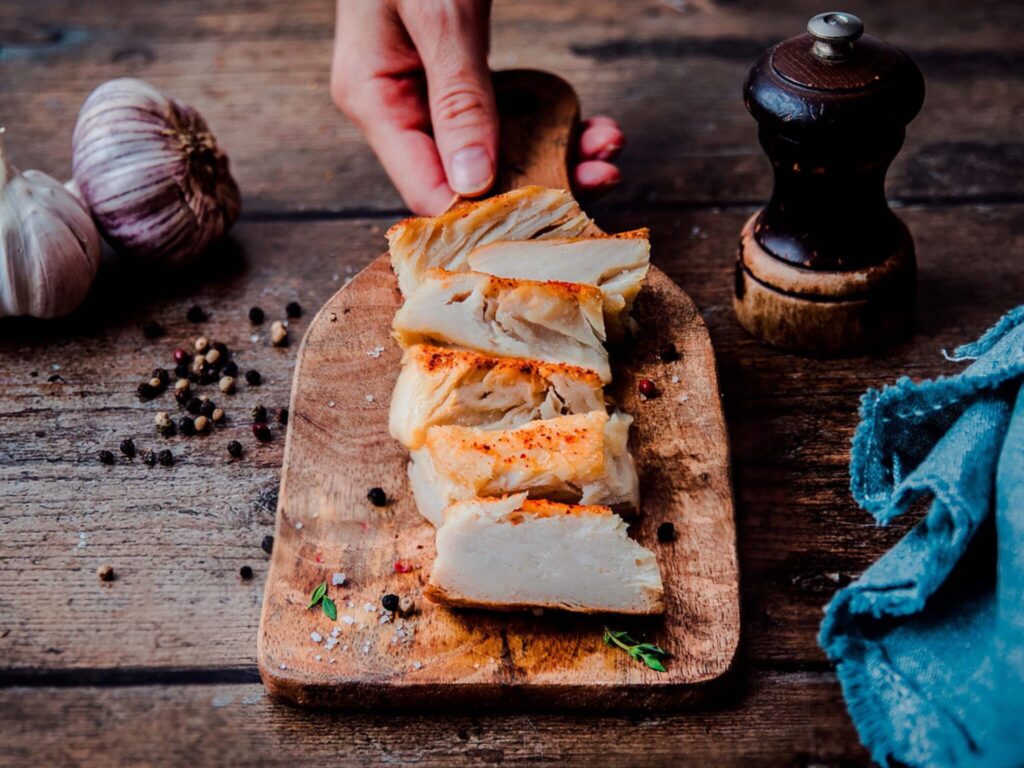
Founded in 2019 with ambitious goals and substantial backing, Swap Food quickly positioned itself as a leader in producing whole-cut plant-based meats, particularly its signature vegan chicken. The company’s proprietary "Umisation" texturizing platform was a key differentiator, enabling the creation of plant-based proteins with structured fibers that closely mimicked the texture and appearance of conventional meat fillets, without resorting to high heat or pressure typically associated with extrusion methods. This innovative approach allowed for simpler ingredient lists, with Swap’s chicken product boasting just eight ingredients and notably excluding artificial flavors, colors, or texturizers.
However, despite technological innovation and significant investment, Swap Food has succumbed to financial pressures. The Paris Economic Activities Court placed the firm into judicial liquidation in April, and operations in France officially ceased this week. This decision impacts approximately 66 employees. The company is now engaged in a sale process for its assets, which includes its subsidiary in the United States. Without a buyer, the U.S. operations are slated to shut down next month.
Financial Strain and Market Realities
The company’s financial situation paints a stark picture. Since its inception, Swap Food had raised over €100 million (approximately $116 million). However, by 2024, the firm had accumulated debts amounting to €16.5 million (around $19.1 million), while its turnover for the same period was a mere €1 million (approximately $1.2 million). This significant disparity between debt and revenue points to a fundamental challenge in scaling the business profitably.
This financial crisis follows a period of leadership transition aimed at steering the company towards recovery. In May 2023, co-founder Tristan Maurel stepped down as CEO to assume the role of board chairman. He was succeeded by Hervé Salomon, a seasoned executive with prior experience at Mondelēz and Pierre Martinet, who was tasked with revitalizing the business. While Salomon managed to halve monthly losses to approximately €1 million and double annual revenues to €2 million by 2025, these improvements were evidently insufficient to overcome the company’s underlying financial difficulties.
Salomon himself attributed the company’s downfall, in part, to the "slower than expected" growth of the plant-based food market. He explained to AFP that while the sector is expanding, its pace has not met the rapid acceleration that many, including Swap Food, had anticipated. The market for meat substitutes currently represents only about 1% to 3% of the overall meat market, a figure that highlights the vast gap that still needs to be bridged for widespread adoption.
Premium Pricing and Production Challenges
A significant factor contributing to Swap Food’s struggles was the premium pricing of its products. With Swap’s products retailing at around €20 per kilogram, they were considerably more expensive than conventional meat, presenting a barrier for many consumers. While the plant-based market is growing, this price differential, coupled with the broader economic climate, likely impacted sales velocity.
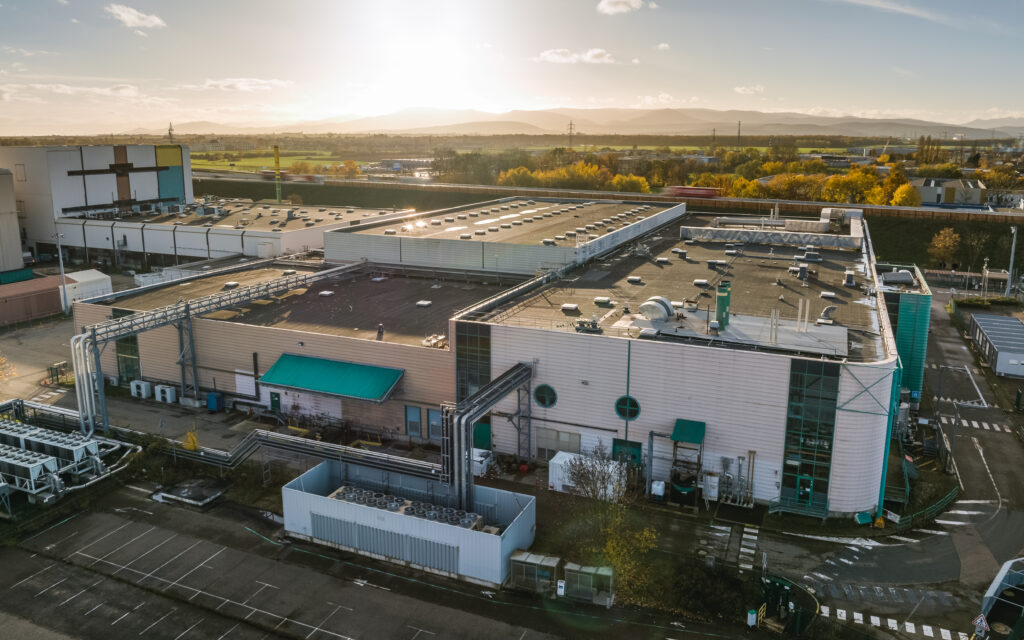
The company’s ambitious production facility, a 14,000 square meter plant in the Alsace region, also presented challenges. Opened in 2023 with a €38 million (approximately $41.3 million) investment, the facility was designed with a substantial annual production capacity, capable of manufacturing 7,500 tonnes of plant-based meat, with plans to scale up to 20,000 tonnes. However, reports indicate that the factory operated at less than 10% of its capacity, suggesting an overestimation of immediate market demand or production bottlenecks. Salomon acknowledged that the facility might have been "a bit too large" for the current market potential, but defended the necessity of such significant investment in the early stages of a high-growth industry.
The "Umisation" technology, while innovative, also faced its own hurdles. Salomon noted that the company’s product range was limited, offering primarily one item, and that there were issues with product formats. This lack of diversification and format flexibility may have hindered broader market appeal and adoption.
Timeline of Events
- 2019: Swap Food, initially named Umami, is founded by Tristan Maurel, Clémence Pedraza, and Martin Habfast, focusing on developing whole-cut plant-based meats using its proprietary "Umisation" technology.
- 2023 (May): Co-founder Tristan Maurel steps down as CEO and becomes board chairman. Hervé Salomon, an experienced executive, is appointed as the new CEO to lead a turnaround effort.
- 2023 (Late): The company rebrands as Swap Food, signaling an expansion and a strategic shift in its market approach.
- October 2023: Swap Food launches its products into the U.S. foodservice sector, targeting flexitarian consumers in Chicago.
- 2024: Swap Food faces significant financial difficulties, accumulating substantial debt.
- 2024 (April): The Paris Economic Activities Court places Swap Food into judicial liquidation.
- 2024 (May/June): Swap Food ceases operations in France. The company initiates a sale process for its assets, including its U.S. subsidiary, with closure of U.S. operations imminent without a buyer.
A Bold Rebranding and U.S. Expansion
In October 2023, the company underwent a significant rebranding from Umami to Swap Food. This change coincided with its entry into the U.S. foodservice market. The initial focus was on Chicago, with Swap’s products being offered in restaurants such as Spirit Elephant, Soul Veg City, Majani, and Clucker’s Charcoal Chicken. The aim was to reach flexitarian consumers, a key demographic for plant-based innovation.
Despite the challenges, the leadership under Salomon did show some signs of progress. Between 2024 and 2026, fixed costs were reportedly halved. Furthermore, monthly losses were reduced significantly, and annual revenues saw a doubling, reaching €2 million in 2025. These metrics suggest that the operational restructuring and market adjustments made under Salomon’s tenure were having a positive impact, albeit not enough to avert insolvency.
The company’s financial projections were ambitious. According to L’Informé, Swap Food required €9 million (approximately $10.2 million) by the end of 2024 and nearly €30 million (around $34.1 million) by the end of 2026 to remain solvent. While the company was reportedly in discussions to close a €20 million financing round by August 2025, which would have provided a crucial runway, this funding apparently did not materialize.
A Failed Takeover Bid and the Broader Industry Context
In a bid to salvage the company, Tristan Maurel reportedly submitted a partial takeover offer for Swap Food. His proposal involved shifting the company towards a contract manufacturing model, making its production facility available to other companies seeking to enter the alternative protein market. This strategy aimed to leverage the existing infrastructure and offset fixed costs by serving multiple clients. However, just a week before his bid was scheduled for court review, Maurel withdrew his offer. This withdrawal necessitated an accelerated shutdown of production to implement a job protection program for the company’s employees.
The collapse of Swap Food is not an isolated incident. It reflects a broader trend of consolidation and insolvency within the alternative protein sector. Since September 2024, over 70 companies in this space have either been acquired, merged, faced insolvency, or shut down entirely. Notable examples include Hooked Foods, Clive’s Purely Plants, Konscious Foods, and Aqua Cultured Foods, all of which have encountered significant market challenges.
Despite these setbacks, the overall plant-based meat sector demonstrates resilience and continued growth. Global sales of plant-based meat products rose by 8% last year, reaching $6.6 billion. In France specifically, sales of chilled vegan meat experienced a significant surge of 13.5% year-on-year in 2025, outperforming all other plant-based food categories. France itself emerged as a strong performer in the European market, with overall plant-based sales reaching €572 million in 2025, an 11% increase from the previous year, and outpacing other European nations in growth. This paradoxical situation—where the broader market is expanding while individual innovative companies struggle—highlights the intense competition, the need for robust financial strategies, and the challenges of scaling novel technologies in a price-sensitive consumer environment. Swap Food’s story serves as a cautionary tale for the industry, emphasizing that innovation alone is not always enough to guarantee market success.
