
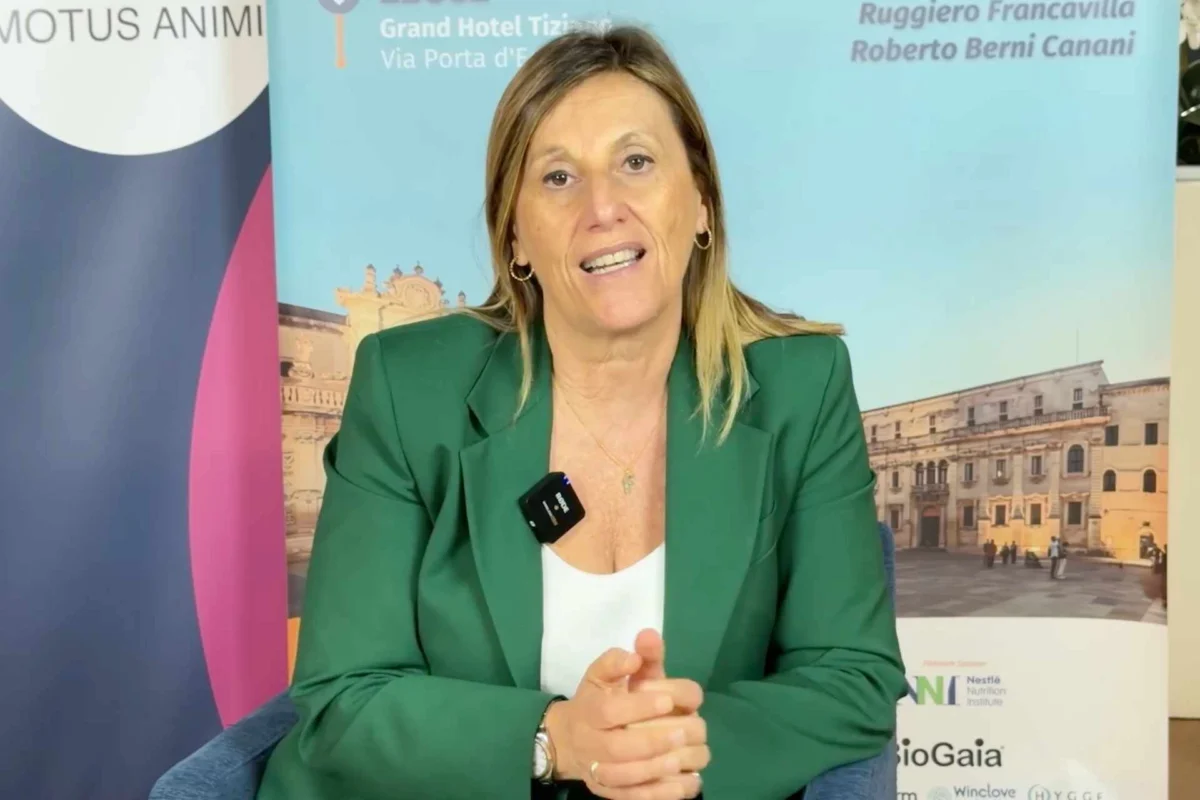
The PPPP 2026 congress, recently concluded in the historic city of Lecce, Italy, has set a new benchmark for the integration of microbiome science into clinical pediatric practice. Bringing together a prestigious assembly of 32 leading international experts, the forum focused on the intricate relationships between microbiota, allergy, nutrition, the gut-brain axis, and respiratory health. At the heart of the discussions was Prof. Flavia Indrio, a prominent figure in pediatric gastroenterology, whose closing reflections underscored a paradigm shift in how the medical community views the first thousand days of life. The congress served as a platform for disseminating high-level evidence regarding the "seeding" of the human microbiome and the long-term metabolic and neurological trajectories established during infancy.
Scientific Context and the Evolution of PPPP
The Probiotics, Prebiotics, Postbiotics in Pediatrics (PPPP) congress has evolved into one of the most influential gatherings for specialists dedicated to early-life intervention. Unlike broader gastroenterology conferences, PPPP maintains a specific focus on the pediatric population, recognizing that the developing microbiome is a distinct physiological entity compared to that of an adult. The 2026 meeting in Lecce was characterized by an emphasis on "precision biotics"—the idea that specific strains and interventions must be tailored to the developmental stage and the specific clinical needs of the child.
The background of this event is rooted in the burgeoning field of "microbial organ" research. Over the last two decades, scientists have come to view the gut microbiota not merely as a collection of commensal bacteria, but as a functional organ that communicates with the immune system, the endocrine system, and the central nervous system. The Lecce congress sought to translate this theoretical framework into actionable clinical guidelines for pediatricians worldwide.
Chronology of the 2026 Congress and Key Scientific Milestones
The event unfolded over several days of intensive workshops and plenary sessions. The initial phase of the congress focused on the "Origins of Health," where experts debated the impact of delivery methods and early feeding on the infant’s microbial blueprint. Mid-session discussions pivoted toward the "Gut-Brain Axis," presenting groundbreaking data on neurodevelopmental disorders. The final day, punctuated by Prof. Indrio’s summary, focused on longitudinal data—the most anticipated segment of the event—revealing how early-life interventions manifest a decade later.
Chronologically, the research presented at PPPP 2026 represents a decade of clinical investigation. Many of the studies highlighted began in the mid-2010s, following cohorts of infants from birth through childhood. This longitudinal perspective is critical, as previous microbiota research was often criticized for being cross-sectional or short-term. The 2026 congress successfully bridged this gap by providing data that tracks the durability of microbial interventions.
The 10-Year Follow-Up: The Case for Lactobacillus Reuteri
One of the most significant revelations discussed by Prof. Indrio was the results of a 10-year follow-up study involving newborns supplemented with Lactobacillus reuteri (specifically the DSM 17938 strain) during their first three months of life. This study is a cornerstone in probiotic research, as it addresses the "permanence" of early interventions.
The data presented suggests that the administration of L. reuteri in the neonatal period does more than just alleviate immediate symptoms like infant colic; it appears to modulate the immune system in a way that provides lasting protection against certain pediatric pathologies. While the primary objective of many early-life probiotic trials is to reduce crying time or improve stool consistency, the 10-year data indicates a lower incidence of functional gastrointestinal disorders (FGIDs) in later childhood among the supplemented group.
This finding carries immense weight for clinical practice. It suggests that the "window of opportunity" in the first 90 days of life is a period of high plasticity where the introduction of beneficial bacteria can calibrate the host’s immune response for years to come. Prof. Indrio highlighted that these findings validate the importance of prompt management of dysbiosis—an imbalance in the microbial community—before it leads to chronic inflammatory or functional conditions.
Early-Life Colonization: C-Sections, Breastfeeding, and the "First Seeding"
The congress reinforced the consensus that the mode of delivery and early nutrition are the primary architects of the infant microbiome. Experts at the Lecce meeting presented alarming data regarding the global rise in elective Cesarean sections (C-sections). According to current global health statistics, C-section rates have risen to over 21% worldwide and are projected to reach nearly 30% by 2030.
The scientific concern discussed at PPPP 2026 is that infants born via C-section bypass the vaginal canal, missing out on the initial "seeding" of Lactobacillus and other essential microbes. This delay in colonization is linked to a higher risk of asthma, obesity, and Type 1 diabetes. The congress participants advocated for a more judicious approach to C-sections and emphasized the need for "remedial" microbial strategies for infants born surgically, such as targeted probiotic supplementation to mimic the natural colonization process.
Breastfeeding was also reaffirmed as the "gold standard" for microbiota development. Beyond providing essential nutrients, human breast milk contains Human Milk Oligosaccharides (HMOs), which act as selective prebiotics, feeding beneficial Bifidobacteria in the infant gut. The congress explored how nutrition serves as the primary driver of intestinal colonization, effectively "programming" the infant’s metabolic health.
The Gut-Brain Axis: New Horizons in Autism and Cognitive Development
Perhaps the most innovative theme of PPPP 2026 was the growing clinical relevance of the gut-brain axis. Prof. Indrio pointed out that research is moving beyond general associations toward specific therapeutic perspectives for severe pediatric conditions, including Autism Spectrum Disorder (ASD) and cognitive development disorders.
Supporting data discussed during the sessions highlighted the role of the Vagus nerve and microbial metabolites, such as short-chain fatty acids (SCFAs), in modulating brain function. In children with ASD, gastrointestinal issues are disproportionately common, often correlating with the severity of behavioral symptoms. New pilot studies presented at the congress suggest that targeted probiotic and prebiotic interventions may help improve not only GI symptoms but also social communication and repetitive behaviors by reducing systemic inflammation and modulating neurotransmitter production.
This shift represents a move toward "Psychobiotics"—the use of beneficial bacteria to influence mental health. While the experts cautioned that these are not "cures," they represent a vital supportive therapy that addresses the systemic nature of neurodevelopmental conditions.
Epigenetics and the Microbiome: The Interplay of Nature and Nurture
The congress also delved into the complex field of epigenetics—how environmental factors, including the microbiome, can influence gene expression without changing the DNA sequence. The experts discussed how microbial metabolites can cause chemical modifications (such as DNA methylation) that turn genes on or off.
This research has profound implications for the prevention of allergies. The "hygiene hypothesis" has evolved into the "epithelial barrier hypothesis," where the integrity of the gut and skin barriers, maintained by a healthy microbiome, prevents the onset of allergic sensitization. Prof. Indrio noted that by managing the microbiome early, clinicians might be able to prevent the "atopic march"—the progression from eczema to food allergies, and eventually to asthma.
Official Responses and Clinical Implications
The reaction from the international scientific community present in Lecce was one of cautious optimism. There was a clear call for the standardization of probiotic products, ensuring that the strains used in clinical practice are the same as those used in successful trials. The "strain-specificity" of probiotics was a recurring theme; not all Lactobacillus or Bifidobacterium strains are created equal, and clinical recommendations must be based on evidence-specific dosages and formulations.
The broader implication for the healthcare industry is the need for more integrated pediatric care. Instead of treating the gut, the lungs, and the brain as isolated systems, the PPPP congress advocated for a "holistic-microbial" approach. This involves pediatricians, neonatologists, and nutritionists working in concert to protect the infant’s microbial ecosystem.
Looking Forward: Mexico City 2028
As the PPPP 2026 congress concluded, the focus shifted to the future of the field. Prof. Indrio announced that the next PPPP meeting will take place in Mexico City in March 2028. This move is strategic, aiming to foster broader involvement from the Latin American scientific community, where unique dietary patterns and different environmental factors offer a rich landscape for comparative microbiota research.
The 2028 meeting is expected to expand on the foundations laid in Lecce, with a likely focus on how diverse global environments affect the "core" human microbiome. As the field moves forward, the emphasis remains on long-term safety and efficacy, ensuring that the interventions applied today result in a healthier, more resilient generation a decade from now.
In summary, the PPPP 2026 congress in Lecce has reinforced the idea that the gut is not just a digestive organ but a central regulator of human health. Through the insights of Prof. Flavia Indrio and her colleagues, it is becoming increasingly clear that the management of the early-life microbiome is one of the most powerful tools available to modern medicine for the prevention of chronic disease and the promotion of optimal neurodevelopment.
