
The year 2022 marked a significant period of heightened attention to food and nutrition on the national stage, culminating in pivotal discussions and policy initiatives. Central to these efforts was the White House Conference on Hunger, Nutrition, and Health, the first of its kind since 1969. This landmark event spurred the development of a comprehensive national strategy, a declaration of intent to fundamentally reshape the nation’s approach to food security and public well-being. The strategy, officially released in late September 2022, sets an ambitious target: to end hunger and significantly increase rates of healthy eating and physical activity across the United States by the year 2030.
The Biden-Harris Administration’s national strategy encompasses a multi-faceted approach, acknowledging the interconnectedness of food security, public health, and societal equity. Key pillars of the plan include expanding access to crucial nutrition assistance programs, such as SNAP (Supplemental Nutrition Assistance Program) and WIC (Women, Infants, and Children), to ensure that vulnerable populations have consistent access to nutritious food. A particularly noteworthy component is the proposal to cover medically tailored meals under Medicare. This initiative recognizes the therapeutic power of diet in managing chronic diseases and aims to integrate nutritional interventions into mainstream healthcare, potentially improving health outcomes and reducing long-term healthcare costs for beneficiaries.
However, even as the strategy garnered praise for its forward-thinking elements, experts from Harvard’s Department of Nutrition, including Drs. Frank Hu, Walter Willett, and Lilian Cheung, offered a critical analysis, highlighting significant omissions that could impede the plan’s overall effectiveness. Their concerns, articulated in an opinion piece reflecting on the conference, pointed to the absence of robust measures to protect children from the pervasive influence of unhealthy food marketing. In an era saturated with digital media and targeted advertising, this oversight is particularly concerning, as it leaves young minds susceptible to dietary patterns that can have lifelong health consequences. Furthermore, the experts underscored the urgent need for the strategy to address the transformative role of the food system in the context of climate change. The current food production and distribution models contribute significantly to greenhouse gas emissions and environmental degradation, necessitating a systemic shift towards more sustainable practices.
The call for a truly integrated approach, as articulated by Drs. Hu, Willett, and Cheung, emphasizes the necessity of collaboration across diverse sectors. "To have a significant impact, the administration must bring together the public and private sectors, along with philanthropists, academia, and individuals to develop truly sustainable food systems that support both public and planetary health," they wrote. This sentiment underscores the understanding that achieving profound change requires a united front, pooling resources, expertise, and commitment from all stakeholders. The scale of the challenge—ensuring not only sufficient food for current and future generations but also making optimal dietary choices both accessible and affordable for all—demands such a comprehensive and inclusive strategy.
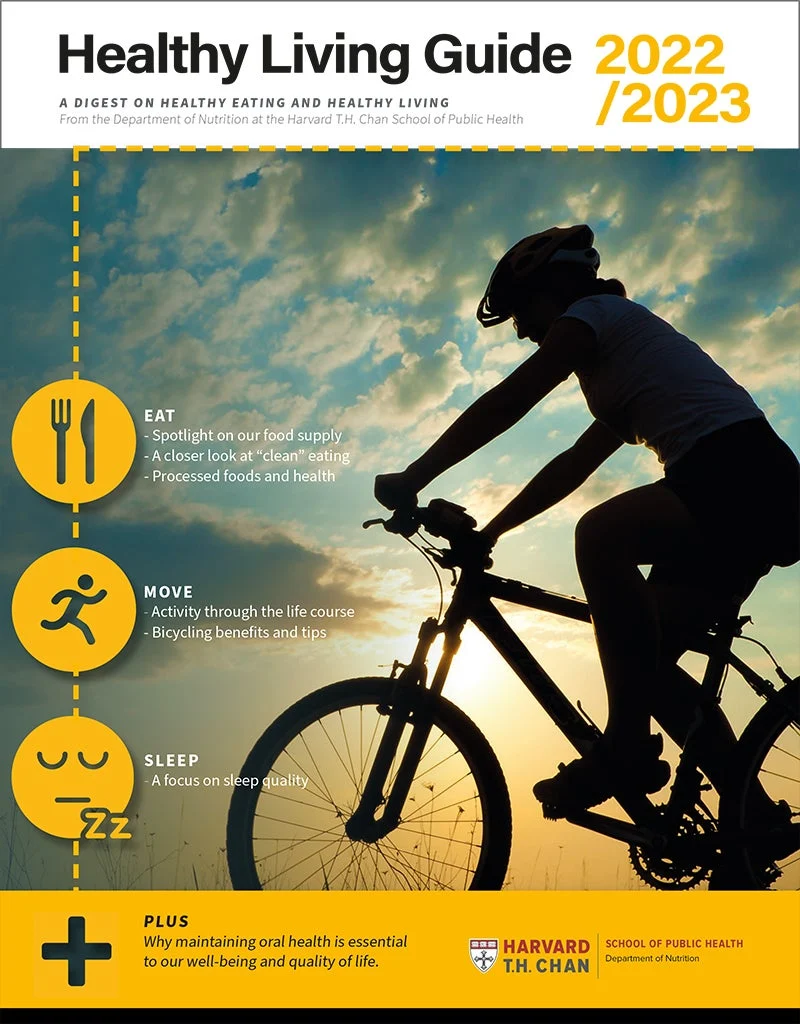
In the interim, while systemic policy shifts are being debated and developed, the importance of individual action and incremental change remains paramount. The Harvard T.H. Chan School of Public Health’s "Healthy Living Guide" serves as a testament to this philosophy, encouraging individuals to integrate healthy behaviors into their daily routines, emphasizing that "no change is too small." The guide, available as a downloadable PDF, provides a wealth of practical tips and summaries, drawing from the collective knowledge and research of nutrition experts. This resource aims to empower individuals with the information they need to make informed decisions about their diet and lifestyle, fostering a culture of well-being that complements broader public health initiatives.
The White House Conference: A Historical Context and Strategic Overview
The White House Conference on Hunger, Nutrition, and Health, held on September 28, 2022, was a landmark event designed to reignite national efforts to combat hunger and diet-related diseases. The conference convened policymakers, researchers, advocates, and community leaders to identify actionable strategies for improving the health and well-being of Americans. The resulting national strategy represents a renewed commitment to addressing complex issues that have plagued the nation for decades.
Timeline of Key Developments:
- 1969: The first White House Conference on Food, Nutrition, and Health is held, leading to significant policy changes and the establishment of programs like SNAP.
- 2021-2022: Preparatory meetings, research, and public consultations are conducted in anticipation of the modern conference.
- September 28, 2022: The White House Conference on Hunger, Nutrition, and Health takes place.
- September 28, 2022: The Biden-Harris Administration releases its "National Strategy on Hunger, Nutrition, and Health."
- Late 2022 – Early 2023: Experts and organizations begin to analyze and comment on the strategy’s strengths and weaknesses.
- Ongoing: Implementation and evaluation of the strategy’s components.
The 2022 strategy builds upon lessons learned since the 1969 conference, acknowledging the evolving landscape of food insecurity, chronic disease, and the environmental impact of food systems. It aims to create a more equitable and healthier future by addressing the root causes of hunger and poor nutrition.
Supporting Data and the Urgency for Action
The need for a robust national strategy is underscored by alarming statistics on hunger and diet-related diseases in the United States. According to the USDA’s Household Food Security in the United States 2021 report, 10.2% of U.S. households (13.5 million people) were food insecure at some point during the year. This means they lacked consistent access to enough food for an active, healthy life. Furthermore, the Centers for Disease Control and Prevention (CDC) reports that chronic diseases, many of which are diet-related, remain leading causes of death and disability in the U.S. For instance, heart disease is the leading cause of death, and obesity, a significant risk factor for numerous chronic conditions, affects over 42% of American adults.
The economic burden of these issues is substantial. The CDC estimates that chronic diseases are responsible for an estimated $3.8 trillion in annual healthcare costs in the United States. Addressing hunger and promoting healthy eating are not only public health imperatives but also crucial for economic stability and productivity.
Expert Reactions and Analysis
The release of the national strategy has prompted widespread discussion and analysis from various stakeholders. While many acknowledge the administration’s commitment and the inclusion of vital programs, concerns about the scope and enforceability of certain provisions persist.
Dr. Dariush Mozaffarian, Dean of the Friedman School of Nutrition Science and Policy at Tufts University, has been a vocal advocate for a more comprehensive approach to food policy. His work often emphasizes the need to consider the "cost of healthy food" and the impact of food marketing on public health. While specific reactions to the Biden-Harris strategy may vary, the general sentiment among many public health nutritionists is that while progress is being made, there is still a significant gap between current policies and the radical transformations needed to truly shift the food environment.
The omission of stronger regulations on food marketing to children is a particularly contentious point. Research consistently shows that children are highly susceptible to advertising, and exposure to unhealthy food promotions is linked to increased consumption of sugary drinks, fast food, and processed snacks. Without robust protections, efforts to improve childhood nutrition may face an uphill battle.
Similarly, the integration of climate change considerations into the food strategy is viewed as essential. The Food and Agriculture Organization of the United Nations (FAO) has repeatedly highlighted the significant environmental footprint of global food systems, including their contribution to deforestation, water scarcity, and greenhouse gas emissions. A truly forward-looking strategy must therefore incentivize sustainable agricultural practices, reduce food waste, and promote plant-forward diets, which generally have a lower environmental impact.
Broader Implications and the Path Forward
The national strategy represents a critical juncture in the United States’ approach to nutrition and health. Its success will hinge on effective implementation, sustained political will, and broad societal engagement. The emphasis on public-private partnerships, while potentially beneficial, also raises questions about the influence of industry on policy development. Ensuring that the pursuit of public health goals remains paramount, even in the face of competing commercial interests, will be a continuous challenge.
The downloadable "Healthy Living Guide" serves as a tangible tool for individuals seeking to navigate the complexities of healthy eating in their everyday lives. By providing accessible information and actionable advice, it empowers citizens to take an active role in their own well-being. This individual agency, when combined with effective public policy, can create a powerful synergy for positive change.
The administration’s commitment to transforming food systems by 2030 is an ambitious undertaking. It requires a fundamental re-evaluation of how food is produced, distributed, and consumed. The strategy’s focus on expanding access to nutritious food, supporting healthy eating habits, and improving health outcomes lays a crucial foundation. However, the long-term impact will depend on the ability to translate these ambitious goals into concrete, measurable actions that address the systemic issues at play, including the pervasive influence of unhealthy food marketing and the urgent need for climate-resilient food systems. The coming years will be a crucial test of the nation’s collective resolve to build a healthier and more sustainable future for all.
