
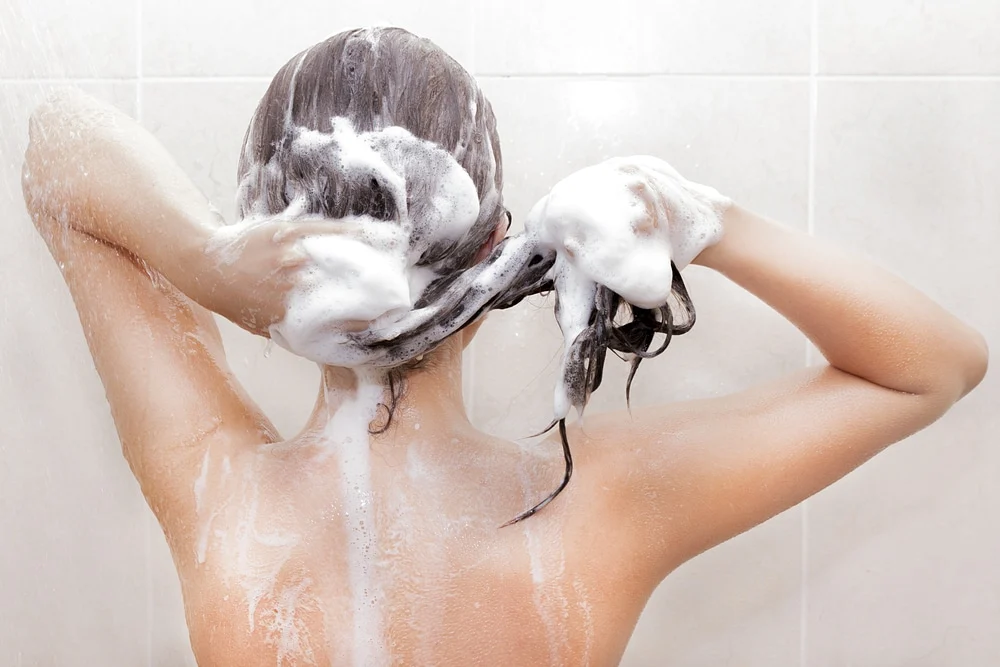
While societal standards of beauty continue to evolve toward broader inclusivity, personal confidence remains intrinsically linked to individual well-being and daily self-care routines. For the estimated one in five women affected by polycystic ovary syndrome (PCOS), maintaining routine grooming standards often involves navigating persistent physiological hurdles. Among the most common yet frequently misunderstood dermatological and trichological symptoms of this endocrine disorder is hyperseborrhea, commonly experienced as excessive scalp oiliness and greasy hair. Addressing this specific challenge requires a comprehensive understanding of the underlying hormonal mechanisms, strategic adjustments to hair care regimens, and broader systemic management of metabolic health.
Understanding the Hormonal Roots of Hyperseborrhea
PCOS is a complex, systemic endocrine disorder characterized by chronic anovulation, ovarian cysts, and elevated levels of circulating androgens, or male sex hormones, such as testosterone. This hormonal imbalance often manifests as hyperandrogenism, a condition that triggers an overstimulation of the sebaceous glands located throughout the skin and scalp. Consequently, these overactive glands produce excessive amounts of sebum—an oily, waxy substance meant to naturally waterproof and protect the hair and skin.
When sebum production spikes, the scalp quickly becomes saturated, leaving hair looking limp, flat, and unwashed mere hours after cleansing. Dermatological studies indicate that this localized hypersensitivity to androgens is not a consequence of poor personal hygiene or incorrect washing techniques, but rather an internal physiological response. Consequently, standard cosmetic fixes often fail to provide lasting relief unless the root endocrine imbalance is addressed concurrently.

Optimizing Scalp Care and Eliminating Harsh Detergents
Managing greasy hair associated with PCOS begins at the follicular level by prioritizing scalp health. Conventional hair care products frequently contain harsh surfactants such as sodium lauryl sulfate (SLS) and sodium laureth sulfate (SLES), along with parabens and heavy silicones. While these compounds create a rich lather and impart a temporary illusion of sleekness, they often strip the scalp of its natural equilibrium. In response to aggressive stripping, the sebaceous glands accelerate sebum production to compensate for the sudden loss of protective oils.
Furthermore, silicones can accumulate on the hair shaft and scalp, creating a heavy residue that clogs hair follicles and traps excess oil, dust, and cellular debris. Dermatologists recommend transitioning to sulfate-free, pH-balanced formulations that cleanse effectively without disrupting the scalp’s delicate microbiome. Although sulfate-free shampoos produce significantly less foam—a factor that often leads consumers to mistakenly believe the product is underperforming—they provide a gentler, more sustainable clean that reduces long-term oil rebound.
Strategic Cleansing and Short-Term Management Techniques
Establishing a sustainable washing schedule is critical for retraining overactive sebaceous glands. Daily shampooing can inadvertently perpetuate a cycle of chronic oiliness by signaling the scalp to continuously overproduce sebum. Experts suggest gradually extending the interval between washes to every second or third day, allowing the scalp time to normalize its oil output.

During the transitional phase, individuals can utilize targeted short-term remedies such as high-quality dry shampoos. Formulated with starch- or clay-based powders, dry shampoos effectively absorb excess surface lipids at the roots while simultaneously adding structural volume to fine or thinning hair shafts. For optimal results, application should involve holding the aerosol canister approximately thirty centimeters from the scalp, allowing the powder adequate contact time to absorb lipids, and thoroughly brushing or massaging the product through the hair to eliminate visible residue.
Periodic Clarification for Product Build-Up
Even with careful product selection, styling aids, conditioners, and natural sebum can accumulate on the scalp over time. To combat this persistent residue, the integration of a clarifying shampoo every one to two weeks is recommended. Clarifying formulations utilize deeper-cleansing agents designed to strip away stubborn mineral deposits, silicones, and hardened sebum blocks that routine shampoos cannot dissolve.
However, because these cleansers possess high detergency, overuse can lead to excessive dryness and structural brittleness of the hair shaft. Monitoring hair and scalp response is essential; if the hair feels excessively coarse or rigid post-wash, the frequency of clarification should be reduced, or followed by targeted moisture treatments on the mid-lengths and ends.
Metabolic Interventions: Addressing Insulin Resistance

Beyond topical interventions, contemporary clinical guidelines emphasize that long-term management of PCOS symptoms requires stabilizing metabolic function. A predominant driver of hyperandrogenism in PCOS patients is hyperinsulinemia—elevated levels of circulating insulin resulting from cellular insulin resistance. When the body’s cells fail to respond efficiently to insulin, the pancreas secretes higher volumes of the hormone to process glucose. These elevated insulin levels stimulate the ovaries to increase testosterone synthesis, directly exacerbating dermatological manifestations such as acne, hirsutism, and excessive scalp oiliness.
Medical professionals and registered dietitians advocate for a multi-faceted approach to lower insulin levels, combining regular physical activity with targeted nutritional adjustments. Clinical research highlights that consistent aerobic and resistance training improves peripheral insulin sensitivity, facilitating glucose uptake and mitigating the metabolic strain associated with PCOS. Weight management, where applicable, further alleviates systemic inflammation and reduces the severity of secondary symptoms.
Nutritional Strategies and Omega-3 Supplementation
Dietary modifications play a foundational role in endocrine regulation for women with PCOS, regardless of whether weight loss is a primary objective. Focusing on a low-glycemic eating pattern helps prevent sharp postprandial blood glucose spikes, thereby blunting excessive insulin release. Emphasizing whole foods, lean proteins, high-fiber vegetables, and complex carbohydrates supports sustained metabolic stability.
In addition to glycemic control, clinical literature supports the integration of specific micronutrients and fatty acids. Omega-3 polyunsaturated fatty acids, commonly found in fatty fish such as salmon, mackerel, and sardines, as well as in flaxseeds and pharmaceutical-grade supplements, have demonstrated significant anti-inflammatory properties. Studies suggest that omega-3 supplementation can help lower serum testosterone levels in women with PCOS while simultaneously supporting cellular membrane health, nourishing hair follicles, and promoting optimal scalp hydration.

Clinical Diagnosis and Holistic Healthcare Collaboration
Because PCOS manifests along a wide clinical spectrum, individuals experiencing persistent symptoms are strongly advised to consult qualified healthcare providers, such as endocrinologists, gynecologists, or specialized dermatological practitioners. Comprehensive diagnostic testing can accurately assess hormonal profiles, including free and total testosterone, luteinizing hormone (LH), follicle-stimulating hormone (FSH), and fasting insulin levels. Based on these diagnostic markers, clinicians can formulate tailored treatment plans that may incorporate lifestyle modifications, targeted pharmacotherapy—such as insulin-sensitizing agents or anti-androgen medications—and specialized dermatological care.
Broader Implications and Patient Community Engagement
The management of chronic conditions like PCOS extends beyond physical symptom control, significantly intersecting with psychological well-being and quality of life. Aesthetic symptoms, including persistent scalp oiliness and hair texture changes, can contribute to heightened self-consciousness and emotional distress among affected individuals. Raising awareness about the physiological origins of these symptoms helps dismantle the stigma associated with chronic endocrine disorders, shifting the narrative from cosmetic failure to medical management.
As medical research continues to advance, healthcare advocates emphasize the importance of individualized treatment paradigms that recognize the diverse presentations of PCOS across different populations. By combining evidence-based medical therapies, strategic nutritional planning, and specialized dermatological care, patients can achieve sustainable management of hyperseborrhea, ultimately fostering both physical health and renewed self-confidence.
