
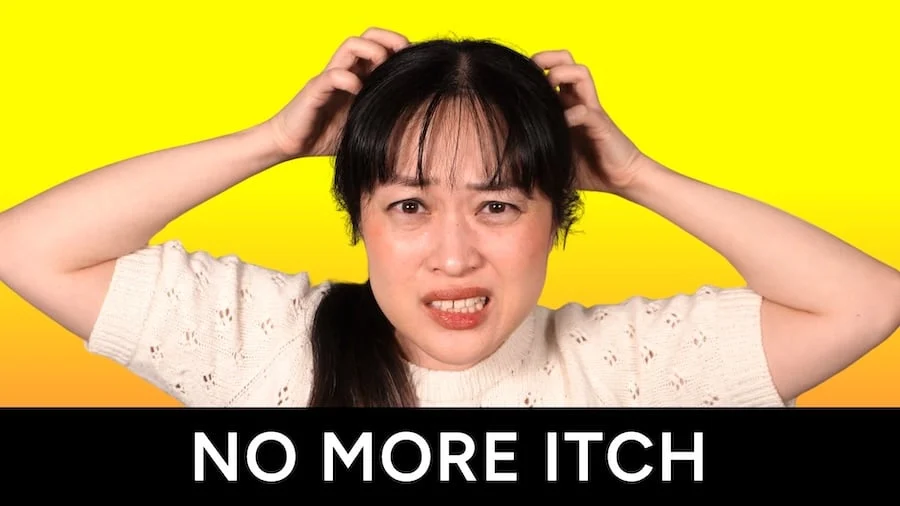
Persistent scalp itchiness, often accompanied by inflammation and even hair thinning, is a widespread dermatological concern affecting millions globally. Despite a plethora of products marketed for scalp relief, many individuals find themselves trapped in a cycle of frustration, with remedies proving ineffective or, paradoxically, exacerbating the problem. The core issue, as emerging scientific understanding reveals, often lies in a fundamental misunderstanding of the underlying causes. Instead of a singular problem, itchy scalp frequently stems from a complex interplay of microbial imbalance, compromised skin barrier function, and allergic reactions to common ingredients, each demanding a distinct, scientifically-backed approach.
This deep dive into the physiology of the scalp aims to demystify the science behind chronic itch, offering clarity on the true culprits and guiding consumers towards effective, lasting solutions. Drawing on extensive research and expert insights, it outlines how to identify the specific drivers of scalp discomfort and implement targeted strategies, moving beyond superficial treatments to address the root causes for genuine relief.
The Unseen World: Microbial Imbalance on the Scalp
One of the most frequently misunderstood causes of itchy scalp involves the intricate ecosystem of microbes residing on its surface. While many associate scalp microbes solely with dandruff flakes, scientific evidence increasingly points to their role in itch and inflammation even in the absence of visible scaling.
Malassezia Yeast: A Complex Relationship
Central to this microbial narrative is Malassezia yeast, a genus of fungi naturally present on everyone’s scalp. In a healthy, balanced state, Malassezia contributes to the scalp’s microbiome, potentially inhibiting the growth of more harmful microorganisms. However, when this delicate balance is disrupted, Malassezia can overgrow, transforming from a benign resident into a significant source of irritation.
The primary mechanism of Malassezia-induced irritation involves its metabolic activity. This yeast thrives on sebum, the natural oils produced by the scalp’s sebaceous glands. As Malassezia breaks down sebum, it converts these oils into irritating substances. Key among these are free fatty acids, particularly oleic acid, which can penetrate the scalp’s delicate barrier, triggering inflammation and the characteristic sensation of itch. Another notable byproduct is squalene peroxide, a potent inflammatory agent formed from the oxidation of squalene, a component of sebum. These lipolytic byproducts directly irritate the epidermal cells, initiating an inflammatory cascade.
Crucially, this process of irritation and inflammation can occur well before the appearance of visible dandruff flakes. A recent study, for instance, demonstrated that inflammatory markers on the scalp elevated within just three days, and subjects reported itching, but it took approximately three weeks for noticeable flaking to manifest. This temporal disconnect means many individuals experiencing an itchy scalp, yet seeing no flakes, may mistakenly dismiss a microbial imbalance as their issue, leading to ineffective treatment choices. The perception that anti-dandruff products are exclusively for flaking scalps often leads to misdiagnosis and prolonged suffering for those whose primary symptom is itch.
Targeting Malassezia: The Antimicrobial Arsenal
The most effective strategy for managing Malassezia overgrowth involves the use of antimicrobial active ingredients. These are typically found in specialized shampoos, often categorized as "anti-dandruff," underscoring the importance of looking beyond the label to understand the underlying mechanism.
-
Selenium Sulfide: This potent antifungal agent is highly effective against Malassezia. Its mechanism involves disrupting the yeast’s cellular processes, inhibiting its growth. While highly efficacious, selenium sulfide is known for its distinct orangey-yellow color and a sulfurous, rubber-like odor, which can be a deterrent for some users. However, formulations have improved, with some brands successfully masking the scent. Brands like Dercos Anti-Dandruff DS shampoos are often cited for their relatively more palatable scent profile compared to older formulations such as Selsun.
-
Zinc Pyrithione: A long-standing workhorse in the anti-dandruff category, zinc pyrithione has been a cornerstone active for brands like Head & Shoulders. It functions by inhibiting fungal cell growth and division. A common characteristic of zinc pyrithione is its insolubility, which means the active ingredient remains as tiny particles that can sometimes impart a slightly gritty texture to the hair.
A significant development concerning zinc pyrithione is its recent ban in the European Union. This regulatory decision, effective from March 2022, reclassified zinc pyrithione as a Category 1B Carcinogenic, Mutagenic, or Reprotoxic (CMR) substance, despite scientific opinions from the EU’s Scientific Committee on Consumer Safety (SCCS) acknowledging its safety at concentrations below 1% in rinse-off products. The ban reflects a precautionary principle adopted by the EU, where substances with potential CMR properties are restricted even when safe use levels can be established. This divergence in regulatory approaches means zinc pyrithione products remain widely available in other markets, including the United States and Canada, but are scarce in the EU and countries like Australia that often align with EU cosmetic regulations. Consumers in affected regions may need to source these products internationally or seek alternative actives. -
Piroctone Olamine: Gaining increasing prominence, piroctone olamine is a newer generation antifungal active with excellent efficacy against Malassezia. A key advantage of piroctone olamine is its solubility and lack of discernible odor, allowing for formulations that resemble conventional shampoos in feel and appearance. This makes it a highly consumer-friendly option. Many brands, even those not explicitly marketed as "anti-dandruff," are now incorporating piroctone olamine into their scalp care ranges due to its mildness and effectiveness. Products like Essano Scalp Refresh Shampoo exemplify this trend, offering significant relief without the sensory drawbacks of older actives. Other notable formulations include Bioderma Node DS+, Ducray Kertyol P.S.O., and Klorane Anti-Dandruff Shampoo with Galangal.
-
Ketoconazole and Climbazole: Ketoconazole is a prescription-strength antifungal agent commonly found in products like Nizoral, often used for more severe cases of seborrheic dermatitis. Climbazole is its weaker, cosmetic-grade counterpart, frequently incorporated into mainstream shampoos like some Dove formulations. These azole antifungals work by inhibiting ergosterol synthesis, a vital component of fungal cell membranes. However, some Malassezia species can develop resistance to azoles, suggesting that if initial treatment with these actives is ineffective, rotating to a different class of antimicrobial, such as selenium sulfide or zinc pyrithione, may be beneficial. Furthermore, the broader antimicrobial activity of the other three actives might offer additional benefits for concurrent issues like scalp acne.
Other Supporting Ingredients: While the aforementioned actives directly target Malassezia, other ingredients can complement treatment by addressing secondary symptoms. Salicylic acid and coal tar, for example, help to exfoliate the scalp and loosen flakes, providing symptomatic relief. Ingredients like menthol, rosemary, peppermint, and tea tree oil offer soothing properties and mild antimicrobial benefits, contributing to overall scalp comfort. However, their efficacy against established Malassezia overgrowth is generally less potent than dedicated antifungal actives.
Beyond Microbes: The Compromised Scalp Barrier
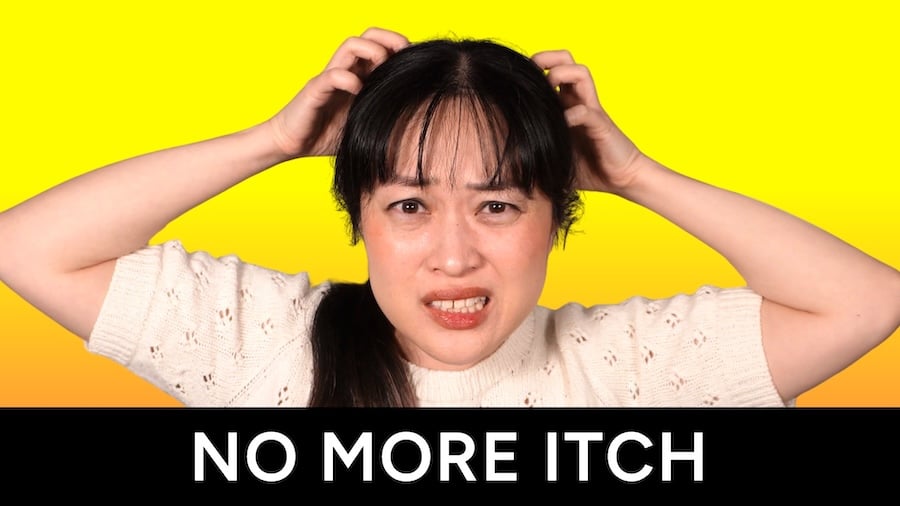
Even with a balanced microbial ecosystem, an itchy scalp can persist if the skin’s natural barrier function is compromised. Often termed "dry scalp," this condition is more accurately described as a state of barrier dysfunction, where the scalp skin struggles to retain moisture and defend against external irritants.
The "Dry Scalp" Misnomer: It’s About Barrier Function
The scalp, fundamentally, is skin. Like the skin on the face and body, it possesses a protective barrier, the stratum corneum, composed of corneocytes embedded in a lipid matrix. This barrier is crucial for preventing excessive transepidermal water loss (TEWL) and blocking the entry of irritants. When this barrier is damaged, the scalp becomes vulnerable.
Harsh cleansing is a primary culprit. Many shampoos, particularly those with strong anionic surfactants (e.g., sodium lauryl sulfate, sodium laureth sulfate) or an excessively alkaline pH, can strip the scalp’s natural lipids. Even after rinsing, residual surfactants can continue to interfere with the barrier’s integrity, making it "leaky." This impaired barrier allows water to escape more easily, leading to dryness, and permits irritants to penetrate more readily, resulting in inflammation and itching.
The concept of "oily but dry" scalp further highlights this complexity. Just as oily facial skin can still be dehydrated, a scalp that produces abundant sebum can simultaneously suffer from barrier dysfunction. Sebum, while an occlusive, is not an effective hydrator, and the underlying skin barrier can still be compromised, leading to a sensation of tightness and itch despite visible oiliness.
Beyond product choices, certain habits and environmental factors can exacerbate scalp dryness and barrier impairment. Very hot showers, prolonged use of hot blow dryers, and exposure to dry or cold weather can strip the scalp of moisture. Indoor heating systems, especially during winter months, also contribute to a low-humidity environment that dehydrates the skin. Hormonal changes, such as the decline in oil production observed after menopause, can also contribute to increased scalp dryness.
Restoring Scalp Health: Gentle Care and Support
Addressing a compromised scalp barrier requires a multi-pronged approach focused on gentle care and barrier support.
-
Use Gentle Shampoos: Opt for shampoos formulated with milder surfactants (e.g., coco-glucoside, decyl glucoside, sodium cocoyl isethionate, sodium lauroyl methyl isethionate) and a slightly acidic, skin-friendly pH (typically between 4 and 7). These formulations cleanse effectively without excessively stripping the scalp’s natural oils or disrupting its barrier. Many gentle anti-dandruff shampoos now exist, offering a dual approach for individuals with both microbial and barrier issues.
-
Strategic Conditioning: While conditioners are essential for hair health, applying them directly to the scalp can be counterproductive. The cationic surfactants commonly found in conditioners, while beneficial for smoothing hair cuticles, can be more irritating to sensitive scalp skin than the anionic surfactants in shampoos. The hair near the scalp is typically newer and less damaged, thus requiring less conditioning. It is generally advisable to apply conditioner only to the mid-lengths and ends of the hair, avoiding direct scalp contact.
-
Antioxidants and Soothing Ingredients: Incorporating skincare-inspired ingredients can significantly benefit scalp health. Antioxidants, such as madecassoside (from Centella asiatica), niacinamide (Vitamin B3), vitamin E, panthenol (pro-vitamin B5), and green tea extract, protect the scalp from oxidative stress and reduce inflammation. Research indicates that antioxidants can improve overall scalp condition and reduce irritation. Many anti-dandruff and general scalp serums now feature these ingredients, offering targeted delivery. When selecting such products, ensure they are free of plant oils if a microbial imbalance is also a concern.
-
Water Quality: The quality of tap water can profoundly impact scalp health. Hard water, prevalent in many regions, contains high concentrations of dissolved metal ions (e.g., calcium, magnesium). These ions can leave chalky deposits on the hair and scalp, leading to dryness, irritation, and a dull, "filmy" feeling on the hair. Hard water can also accelerate oxidative processes. While whole-house water softening systems offer the most comprehensive solution, showerhead filters specifically designed to remove hard water minerals can provide a more accessible alternative. It’s important to distinguish these from basic chlorine filters, as the latter typically do not address hard water ions.
The Silent Provokers: Unidentified Allergens
Beyond microbes and barrier dysfunction, an itchy scalp can also be a manifestation of contact allergy, where the immune system overreacts to specific ingredients in hair care products.
Contact Dermatitis of the Scalp
Allergies are highly individual immune responses; an ingredient perfectly safe for most can trigger a significant reaction in a sensitized individual. Shampoos, as wash-off products, often contain higher concentrations of ingredients compared to leave-on products due to lower absorption risk during brief contact. However, for allergens, this higher concentration can intensify reactions in allergic individuals.
-
The "Itchy Ms": Methylisothiazolinone (MI) and Methylchloroisothiazolinone (MCI): These preservatives gained widespread use in the early 2010s following a consumer-driven movement to remove parabens from cosmetics, largely based on misinterpreted scientific research. While parabens are now widely recognized as safe and effective preservatives, the industry’s pivot led to increased reliance on MI and MCI. Unfortunately, subsequent research revealed a significant rise in allergic contact dermatitis to these compounds, reaching "epidemic" proportions, a term rarely used in scientific literature, highlighting the severity and prevalence of the issue.
Estimates suggest that a few percent of the general population are allergic to MI and MCI. Adding to the frustration, these preservatives were, and in some regions still are, commonly found in shampoos specifically marketed for "itchy scalp" or "sensitive scalp," inadvertently worsening the condition for allergic users. A related preservative, benzisothiazolinone, often found in liquid laundry detergents, can also trigger cross-reactions. If laundry detergents cause skin irritation, there’s a higher likelihood of sensitivity to MI and MCI in shampoos. -
Other Common Allergens: Beyond MI/MCI, several other ingredients frequently found in shampoos can trigger allergic reactions. These include:
- Fragrances: Complex blends often containing individual allergens such as limonene, linalool, geraniol, citronellol, and amyl cinnamal.
- Dyes: Particularly para-phenylenediamine (PPD), commonly associated with hair dyes but occasionally present in some shampoos.
- Botanical Extracts/Essential Oils: While often perceived as "natural" and benign, concentrated plant extracts or essential oils (e.g., tea tree oil, lavender, peppermint) can be potent allergens for some individuals.
- Cocamidopropyl Betaine: A widely used amphoteric surfactant, known to cause allergic contact dermatitis in a subset of the population.
- Formaldehyde-releasers: Preservatives like quaternium-15, DMDM hydantoin, and imidazolidinyl urea, though less common in modern formulations, can still be found.
- Propylene Glycol: A common solvent and humectant that can sometimes cause irritation or allergic reactions.
Diagnosis and Management: If a mysterious, recurring itch appears after using new products, an undiagnosed allergy should be considered. The most reliable method for diagnosis is patch testing performed by a medical dermatologist. This involves applying small amounts of common allergens to the skin and observing for reactions. In the absence of professional testing, meticulously tracking product ingredients and noting patterns of reactions can offer clues. It’s important to consult a doctor if the itch is accompanied by new rashes or sudden, unexplained changes to the scalp.
Optimizing Treatment Protocols: Practical Guidelines

Effective management of itchy scalp often requires an integrated approach that combines active treatment with mindful daily practices.
Integrated Approach to Healing
-
Shampoo Application and Frequency: For microbial issues, shampoos containing antimicrobial actives must be massaged thoroughly into the scalp, as Malassezia primarily resides in hair follicles. The focus should be on the scalp, not just the hair lengths. Following product instructions precisely is vital. The myth that all anti-dandruff shampoos benefit from a "leave-on" period is false; some modern formulations utilize coacervate systems where active ingredients are optimally deposited during rinsing and dilution with water. Leaving these on longer can increase irritation without enhancing efficacy. Regular shampooing is also crucial, as it removes sebum (which feeds Malassezia), irritating byproducts, and the microbes themselves, thereby continuously delivering the active ingredients. The frequency should be guided by personal needs and product instructions, but generally, more frequent washing is beneficial for microbial imbalances.
-
Post-Wash Care: Proper drying of the scalp is essential to prevent moisture trapping, which can encourage microbial proliferation. Using a hair dryer on a cool or "scalp mode" setting, held at a comfortable distance, can accelerate drying without causing heat damage to the scalp barrier. Air drying, especially in cold or humid conditions, should be minimized. Similarly, wearing hats or helmets, particularly during physical activity that induces sweating, can create a warm, moist environment conducive to microbial growth. Ensuring adequate airflow and washing hair soon after sweating can mitigate this risk.
-
Complementary Serums: Anti-dandruff ingredients are also available in leave-on scalp serums. These can be excellent for maintaining relief between washes, especially for individuals who don’t wash their hair daily. Serums often contain piroctone olamine, antioxidants, and soothing agents like madecassoside, and are formulated to be lightweight, non-sticky, and easily absorbed, with applicator nozzles designed for precise scalp delivery. Examples include Dercos Anti-Dandruff Serum 10 or Head & Shoulders Royal Oils line. While beneficial, serums are typically supplementary and do not fully replace the cleansing action of a medicated shampoo.
Common Pitfalls and Ineffective Remedies
Many commonly recommended "remedies" for itchy scalp can be ineffective or even detrimental, particularly when the underlying cause is a microbial imbalance or barrier dysfunction.
-
Oils: The application of oils, especially plant-based oils like coconut, olive, or castor oil, is a common practice for "dry" scalps. However, if Malassezia is involved, oils can exacerbate the problem. Malassezia feeds on these lipids, increasing its growth and the production of irritating byproducts. Most plant oils are not highly effective at sealing water into the skin barrier. While massaging oils can help dislodge product buildup, a serum with anti-dandruff ingredients would be a more targeted approach for those with microbial issues. Products specifically designed for problematic scalps, like some in the Head & Shoulders Royal Oils line, may incorporate oils that are less prone to feeding Malassezia or are combined with effective actives.
-
Dry Shampoo: While dry shampoo can temporarily absorb excess oil and impart a feeling of freshness, it cannot replace proper washing. It leaves behind residues that can build up, and its primary function is cosmetic, not therapeutic. Over-reliance on dry shampoo to extend wash intervals can allow microbes to proliferate and irritating substances to accumulate, worsening itch. Additionally, spraying dry shampoo too close to the scalp can lead to localized dryness and irritation.
-
Physical Exfoliants (Scalp Scrubs and Brushes): Scalp scrubs and brushes are often marketed for exfoliation and stimulating circulation. While some individuals find silicone scalp brushes helpful for gentle massage and distributing shampoo, physical scrubs can be difficult to apply effectively to the scalp through hair, often scrubbing the hair strands themselves rather than the skin. This can lead to unnecessary friction and potential damage to the hair cuticle. For many, simply using fingertips or nails during shampooing suffices for gentle scalp cleansing.
-
Chemical Exfoliants (AHAs/BHAs): Ingredients like glycolic acid (AHA) or salicylic acid (BHA) are effective for skin exfoliation and can help remove buildup on the scalp. However, their utility for chronic itch is limited unless significant product accumulation is the primary issue. For scalps with a compromised barrier or active inflammation, chemical exfoliants can be overly harsh and exacerbate irritation. While budget-friendly options like The Ordinary’s Glycolic Acid 7% Toning Solution are sometimes adapted for scalp use, they should be introduced cautiously and are not a universal solution for all types of itchy scalp.
Conclusion: A Targeted Path to Lasting Relief
The journey to a healthy, itch-free scalp is often a process of scientific detective work. The widespread prevalence of itchy scalp underscores the critical need for a nuanced, evidence-based approach that moves beyond generic solutions. By understanding the distinct roles of microbial imbalance, compromised skin barrier function, and contact allergies, individuals can make informed decisions about their scalp care routine.
The scientific consensus points to the efficacy of targeted antimicrobial agents like selenium sulfide, zinc pyrithione, and piroctone olamine for Malassezia-related issues. Simultaneously, adopting gentle cleansing practices, incorporating barrier-supporting ingredients, and addressing water quality are crucial for maintaining scalp integrity. Furthermore, vigilance against common allergens and, when necessary, professional patch testing, can uncover hidden triggers.
Empowering consumers with this scientific knowledge allows for a personalized and effective approach, minimizing trial-and-error and leading to lasting relief. For persistent or severe symptoms, or if new rashes appear, consultation with a dermatologist remains paramount. As research continues to unravel the complexities of the scalp microbiome and skin physiology, the future of scalp care promises even more sophisticated and personalized solutions, ultimately enhancing the quality of life for those affected by chronic itch.
