
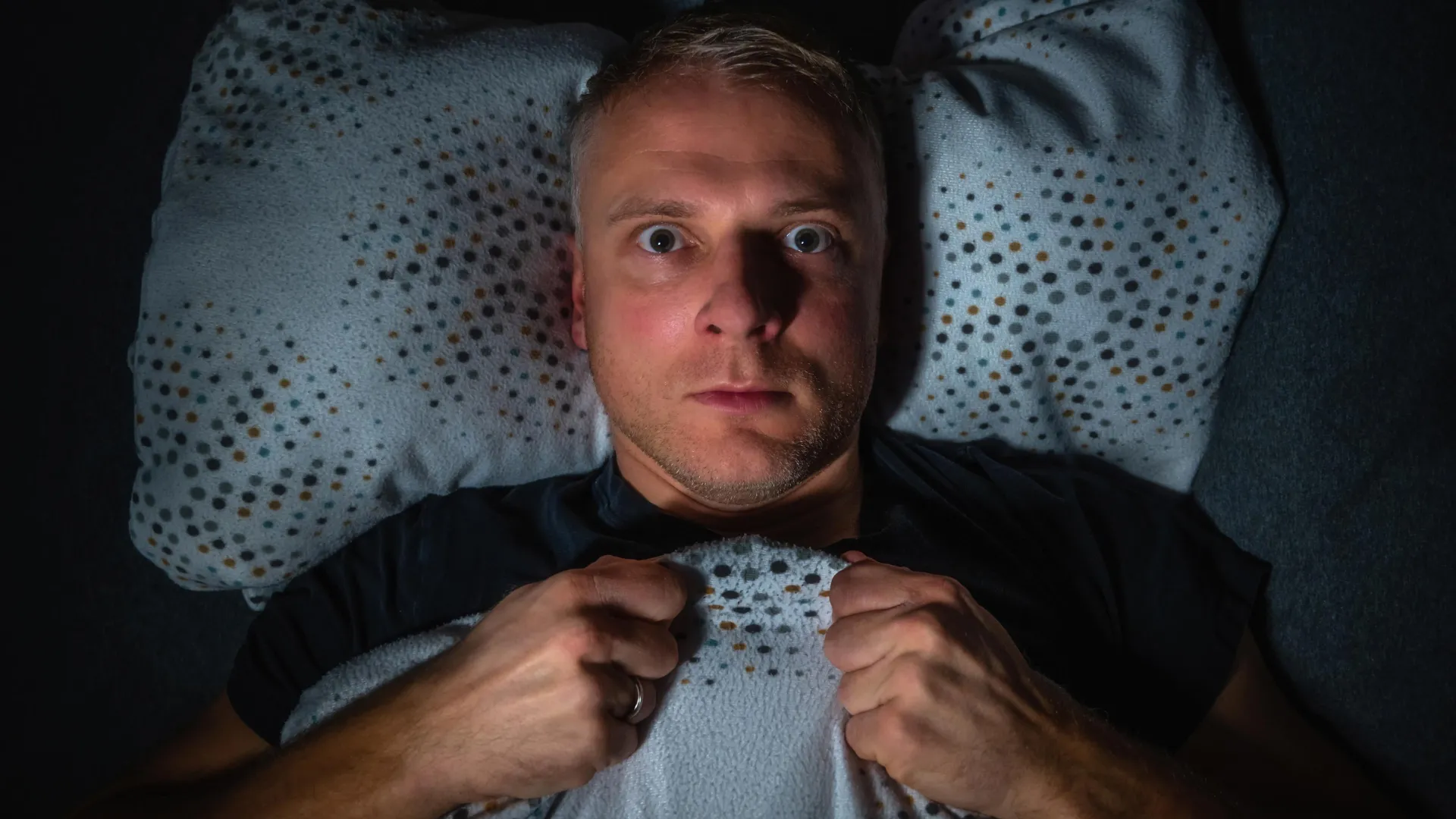
Post-traumatic stress disorder remains one of the most complex psychological conditions facing modern medicine, frequently triggered by catastrophic events such as natural disasters, violent assaults, severe accidents, and military combat. Among the most debilitating symptoms experienced by survivors are recurring, vivid nightmares that trap individuals in a loop of reliving their trauma night after night. These intrusive nocturnal episodes routinely lead to severe, chronic sleep deprivation, triggering a secondary psychological and physical toll that often leaves patients intensely fearful of going to bed. Traditional pharmacological interventions, including standard antidepressants and blood-pressure-lowering medications, have historically offered limited relief for these specific trauma-induced sleep disturbances, leaving clinicians with few reliable tools.
Addressing this critical therapeutic gap, a landmark study conducted by researchers at Charité – Universitätsmedizin Berlin has yielded promising results. The clinical trial investigated whether a prescription drug containing dronabinol—a synthetic form of tetrahydrocannabinol (THC), the primary psychoactive compound found in cannabis—could safely alleviate trauma-related nightmares. Published in the esteemed journal Nature Medicine, the findings indicate that more than half of the study participants responded positively to the treatment, with over one-third reporting that their distressing nightmares vanished completely over the course of the evaluation period.
The Physiological Mechanism Behind Trauma Nightmares
To understand the breakthrough nature of the Charité study, medical researchers must first examine how trauma alters neurological function. When an individual experiences a life-threatening or terrifying event, the brain’s standard memory-processing pathways can become overwhelmed. Rather than filing the memory away as a historical event, the brain may store it in a fragmented, highly reactive state. This dysfunction prevents proper emotional regulation, causing the traumatic memory to resurface involuntarily and without conscious control, manifesting as daytime flashbacks or nocturnal terrors.
During sleep, particularly within the rapid eye movement (REM) phase, the brain actively processes daily experiences and regulates emotional responses. For individuals with PTSD, however, REM sleep often becomes hijacked by the trauma, resulting in repeated, panic-inducing awakenings. Germany, like many other nations, has lacked an approved, targeted pharmaceutical intervention specifically designed to eliminate trauma-related nightmares. Standard medications frequently fail to address the core neurological pathways driving these nocturnal episodes, leaving patients vulnerable to exhaustion, heightened anxiety, and a diminished quality of life.
The Endocannabinoid System and Targeted Neurological Intervention
Recognizing the limitations of existing treatments, Prof. Stefan Röpke, a leading researcher in trauma-related disorders at the Department of Psychiatry and Neurosciences on the Benjamin Franklin Campus of Charité, spearheaded an investigation into THC. The rationale is rooted in the human body’s endocannabinoid system, a complex cell-signaling network that plays a foundational role in regulating sleep cycles, stress responses, and the neurological consolidation of emotional memories.
THC interacts directly with cannabinoid receptors distributed throughout the brain and central nervous system. According to Prof. Röpke, existing pharmacological evidence suggests that introducing cannabinoids during the intense dream phases of REM sleep helps modulate brain activity. "There is evidence suggesting that during REM sleep—the intense dream phases in which the brain processes experiences and regulates emotions—THC reduces dream activity and thereby alleviates nocturnal stress responses," Röpke explained. By dampening the overactive neural signaling that triggers vivid trauma re-enactments, the compound allows patients to experience deeper, uninterrupted rest.
A Regulatory Shift and Rigorous Methodology
The clinical trial builds upon a changing legal and medical landscape in Germany regarding cannabis-based treatments. Following the implementation of the "Cannabis for medical purposes" law in 2017, access to cannabinoid therapies expanded significantly, particularly for patients dealing with chronic pain conditions where traditional pharmaceuticals proved ineffective. This legislative shift paved the way for rigorous scientific exploration of cannabinoids in psychiatric medicine.
To test the efficacy of THC on PTSD nightmares, the research team designed a double-blind, placebo-controlled trial—widely recognized as the gold standard in clinical research. The study enrolled more than 170 participants who suffered from diagnosed post-traumatic stress disorder and experienced frequent, severe nightmares. Over a strict ten-week period, participants were administered either oral drops of Dronabinol or an identical cannabis-flavored placebo every evening prior to sleep. To maintain absolute objectivity, neither the patients nor the administering healthcare professionals knew who was receiving the active medication.
Measurable Relief and Quantifiable Data
At the conclusion of the ten-week trial, the data revealed a statistically significant reduction in nightmare severity among those in the Dronabinol group compared to the placebo cohort. Researchers utilized a standardized clinical scale ranging from zero to eight to measure nightmare burden. Participants taking Dronabinol experienced an average reduction of 3.7 points on the scale, whereas the placebo group saw an average decrease of 2.2 points. While numerical drops illustrate the statistical reality, the qualitative difference for the patients was transformative.
Beyond the numerical score improvements, the clinical outcomes highlighted distinct tiers of recovery. "More than a third of the patients treated with Dronabinol reported that they no longer experienced any nightmares after ten weeks. Another 21 percent reported that their nightmare burden had been at least halved," Prof. Röpke noted. Furthermore, approximately five out of six patients within the active treatment group reported a marked, subjective improvement in their overall health and well-being, largely attributable to the restoration of consistent sleep patterns.
Safety Profile, Side Effects, and Limitations
While the findings present a significant step forward in PTSD care, the researchers emphasized the specific boundaries of the treatment’s efficacy. The data indicated that the cannabinoid acted selectively on nightmares and sleep disturbances rather than curing the broader spectrum of PTSD symptoms. The study could not conclusively demonstrate that Dronabinol reduced the overall severity of post-traumatic stress disorder as a whole, nor did it directly alleviate accompanying depressive disorders. Nevertheless, breaking the cycle of nightly trauma reliving provided patients with profound, immediate relief.
Safety parameters monitored throughout the ten-week trial yielded encouraging results. No severe adverse events or critical complications were reported among participants. Mild to moderate side effects—including transient dizziness, mild headaches, and an increase in appetite—occurred at a higher frequency in the Dronabinol group than in the placebo group, which aligns with the known side-effect profile of cannabinoids. Crucially, researchers observed no signs of physical dependence or withdrawal symptoms when participants abruptly stopped taking their evening doses at the conclusion of the study period.
Broader Implications and Future Research Directions
The implications of the Charité study extend far beyond the immediate findings, opening new avenues for psychiatric pharmacology. By demonstrating that targeted cannabinoid therapy can successfully disrupt trauma-induced nocturnal episodes without triggering severe side effects or dependency, the research challenges long-held hesitations surrounding the medical use of THC-derivatives in mental healthcare.
However, medical experts stress that additional investigations are required before Dronabinol can be universally adopted as a standard frontline treatment for PTSD nightmares. Future clinical trials are already being planned to examine whether the safety and efficacy profiles remain stable over extended periods of time, spanning months or years. Researchers must also investigate whether patients develop a physiological tolerance to the drug, which would require dosage adjustments over long-term use.
Institutional Collaboration and Industry Support
The success of this comprehensive study underscores the power of institutional collaboration within the European medical research community. The trial was initiated and led by Charité – Universitätsmedizin Berlin, with active participation from scientists representing the Psychiatric University Clinic of the Charité at St. Hedwig Hospital, the University Medical Center Hamburg-Eppendorf, and the Central Institute for Mental Health in Mannheim. Additionally, the pharmaceutical company Bionorica SE provided support for the initiative. As these institutions look toward subsequent study phases, the medical community moves closer to offering a reliable, targeted solution for millions of trauma survivors trapped in the relentless cycle of PTSD-induced nightmares.
