
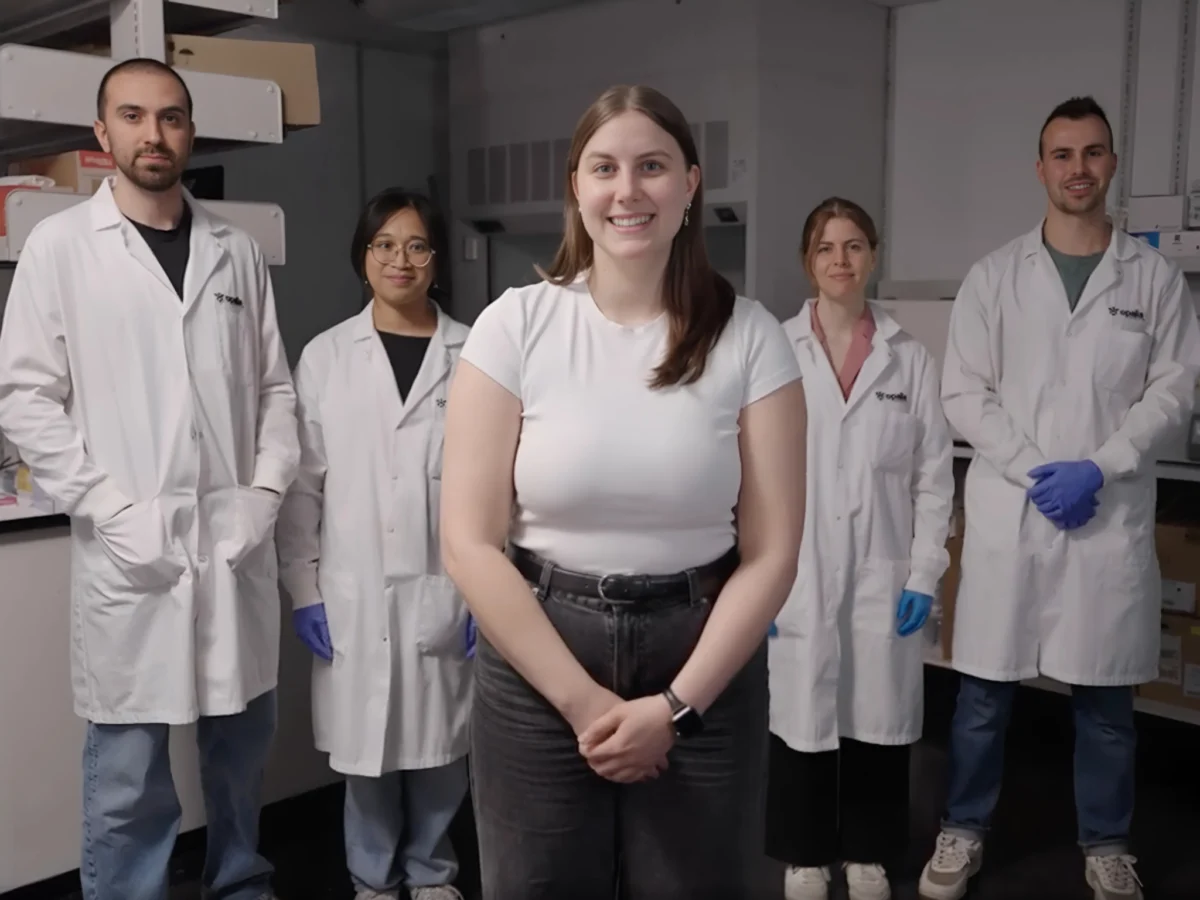
In a decisive step bridging laboratory science and industrial-scale commercialization, Dutch dairy multinational Hoogwegt is scheduled to take delivery of its inaugural batch of cell-cultured whole milk from Canadian food technology pioneer Opalia. The historic handover will take place on November 17, 2026, at the Food ingredients (Fi) Europe trade exhibition in Frankfurt, Germany, where both companies will also unveil a working prototype. This milestone arrives roughly one year after the two organizations initially entered into a commercial supply agreement, building upon Hoogwegt’s strategic financial investment in the Montreal-based startup that began in 2023.
The upcoming delivery represents far more than a routine commercial transaction. According to Hoogwegt’s global technology director, Roland Wientjes, the pricing of this first batch directly mirrors production costs rather than commercial margins, as the primary objective is technical evaluation rather than immediate profitability. For the global dairy sector, this event signals the transition of animal-free, cellular agriculture from theoretical research into tangible, applied product development.
Mechanics of Cellular Agriculture: How Opalia Produces Real Milk Without the Cow
Founded in 2020 by CEO Jennifer Côté and CTO Lucas House, Opalia has carved a distinct niche in the burgeoning cellular agriculture landscape. Unlike precision fermentation companies—which utilize engineered microbes to produce isolated bioidentical dairy proteins or fats—Opalia grows bovine mammary cells inside specialized bioreactors. By inducing lactation within these cells, the company successfully replicates the complete composition of traditional cow’s milk, encompassing proteins, lipids, and carbohydrates alike.

A critical technological breakthrough for the Canadian firm is the establishment of an immortalized bovine mammary cell line. This scientific achievement eliminates the ongoing necessity to harvest primary tissue samples directly from cows, ensuring a self-sustaining biological process. Furthermore, Opalia’s serum-free, cell-based methodology yields a ready-to-use fluid product rather than a singular food ingredient.
Because the resulting liquid mirrors the functional and nutritional profile of bovine milk, it can be sold directly as fluid or powdered whole milk to Business-to-Business (B2B) partners. This capability allows traditional dairy manufacturers to seamlessly integrate animal-free milk into pre-existing supply chains and processing equipment without requiring massive infrastructural overhauls. The patent-pending platform is engineered to support a diverse array of downstream dairy items, including butter, cream, fresh cheese, and yogurt.
Evaluating Performance: 100% Cell-Based and Hybrid Formulations
With the physical arrival of the milk imminent, Hoogwegt is preparing to subject the material to rigorous analytical and functional testing at application scale. Roland Wientjes outlined the immediate trajectory of this evaluation phase, noting that the enterprise will first dissect the milk’s exact chemical composition. Subsequently, the teams will test its behavioral properties in core dairy categories, specifically focusing on fresh cheese, yogurt, and butter production.
Importantly, Hoogwegt’s product development strategy encompasses two distinct pathways: pure 100% cell-cultured dairy goods and hybrid formulations that blend cultivated milk with conventional or plant-based ingredients. While specific commercial product lines, target geographic markets, and launch timelines remain under wraps due to the early stage of technology maturation, the validation of these applications will serve as the foundation for future consumer-facing offerings.
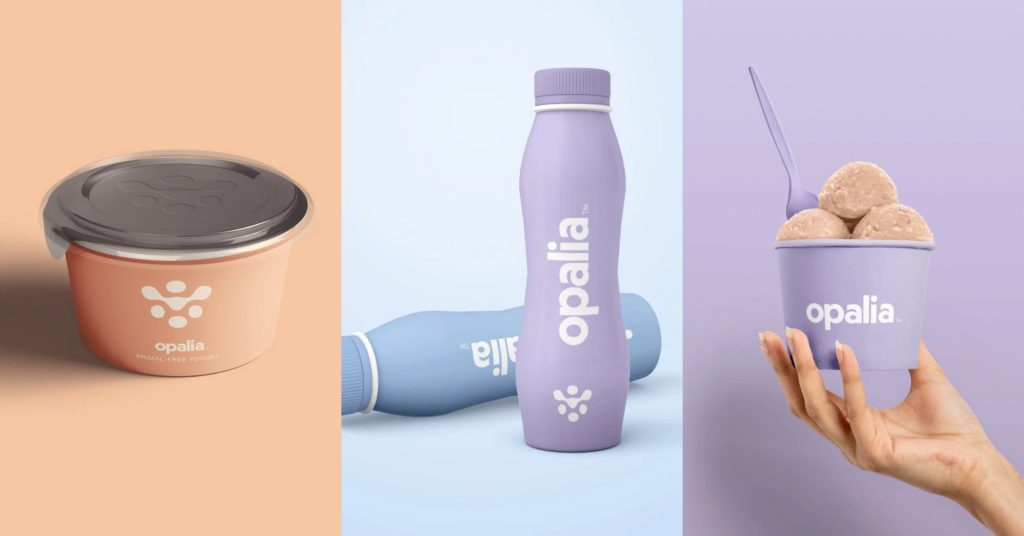
At the upcoming Fi Europe exhibition, Hoogwegt and Opalia will actively seek to engage additional strategic partners. Their goal is to cultivate a robust network of industry stakeholders interested in supporting the technology’s ongoing refinement, paving the way for future commercial offtake agreements as production capacities scale upward.
Scaling Production and Navigating the Global Regulatory Landscape
The partnership with Hoogwegt is anchored by Opalia’s aggressive operational roadmap, which aims to drive down unit economics while expanding manufacturing volume. Earlier in the production cycle, the startup secured C$3.2 million ($2.3 million) in funding earmarked for the design and construction of a modular, proprietary bioreactor. Located in Montreal, this specialized hardware is engineered to replicate the daily output of a single dairy cow—approximately 28 liters per day—while simultaneously validating larger-scale industrial parameters.
Opalia’s leadership has set a long-term target to achieve a competitive unit price of $2 per liter as production scales. Once the underlying technology is fully validated at volume, the enterprise plans to license its proprietary platform to global dairy processors, aided by Hoogwegt’s extensive international distribution network and market presence.
Simultaneously, the regulatory approval process remains a top operational priority. Opalia has established footprints across five countries on three continents, backed by signed letters of intent with major multinational dairy corporations in North America, Europe, and Asia. In terms of formal regulatory submissions, the company has targeted its home market as the initial beachhead.

Roland Wientjes confirmed that Opalia plans to submit a novel food pre-market notification to Health Canada by mid-2027. Regulatory pathways for other major economic zones, including the European Union and the United States, will be systematically pursued as the Canadian evaluation progresses. In the United States, obtaining market clearance will necessitate rigorous joint reviews by both the Food and Drug Administration (FDA) and the Department of Agriculture (USDA), a process complicated by isolated legislative headwinds, such as preemptive bans on cell-cultured dairy enacted in states like Mississippi.
Furthermore, both corporate partners emphasize that clear, transparent consumer communication and standardized labeling will be paramount. As regulatory frameworks evolve to accommodate cellular agriculture, building consumer trust will dictate the commercial viability of this emerging food category.
The Global Context of Cell-Cultured Dairy
Opalia operates within an exclusive cohort of global pioneers attempting to revolutionize the dairy paradigm through cellular science. In the Middle East and Israel, companies such as Wilk and Accellta are exploring cultivated milk and specialized milk fat components. In Europe, Senara is investigating European-centric cellular dairy applications, while Brown Foods operates across the United States and India with its "UnReal Milk" initiative. Concurrently, specialized startups like France’s Nūmi and American biotechnology firm 108Labs are tackling the highly complex domain of cultivated human breast milk and infant nutrition formulations.
Despite these pioneering efforts, structural challenges remain. Scaling bioreactor capacity, optimizing nutrient media costs, and navigating consumer acceptance hurdles are persistent obstacles across the cellular agriculture sector. However, the formal commercial engagement between Opalia and an industry heavyweight like Hoogwegt represents a vital psychological and operational tipping point. By moving decisively out of the laboratory and into industrial testing kitchens, the initiative demonstrates that the commercial future of cell-cultured dairy is steadily shifting from an abstract scientific vision into an impending market reality.
