
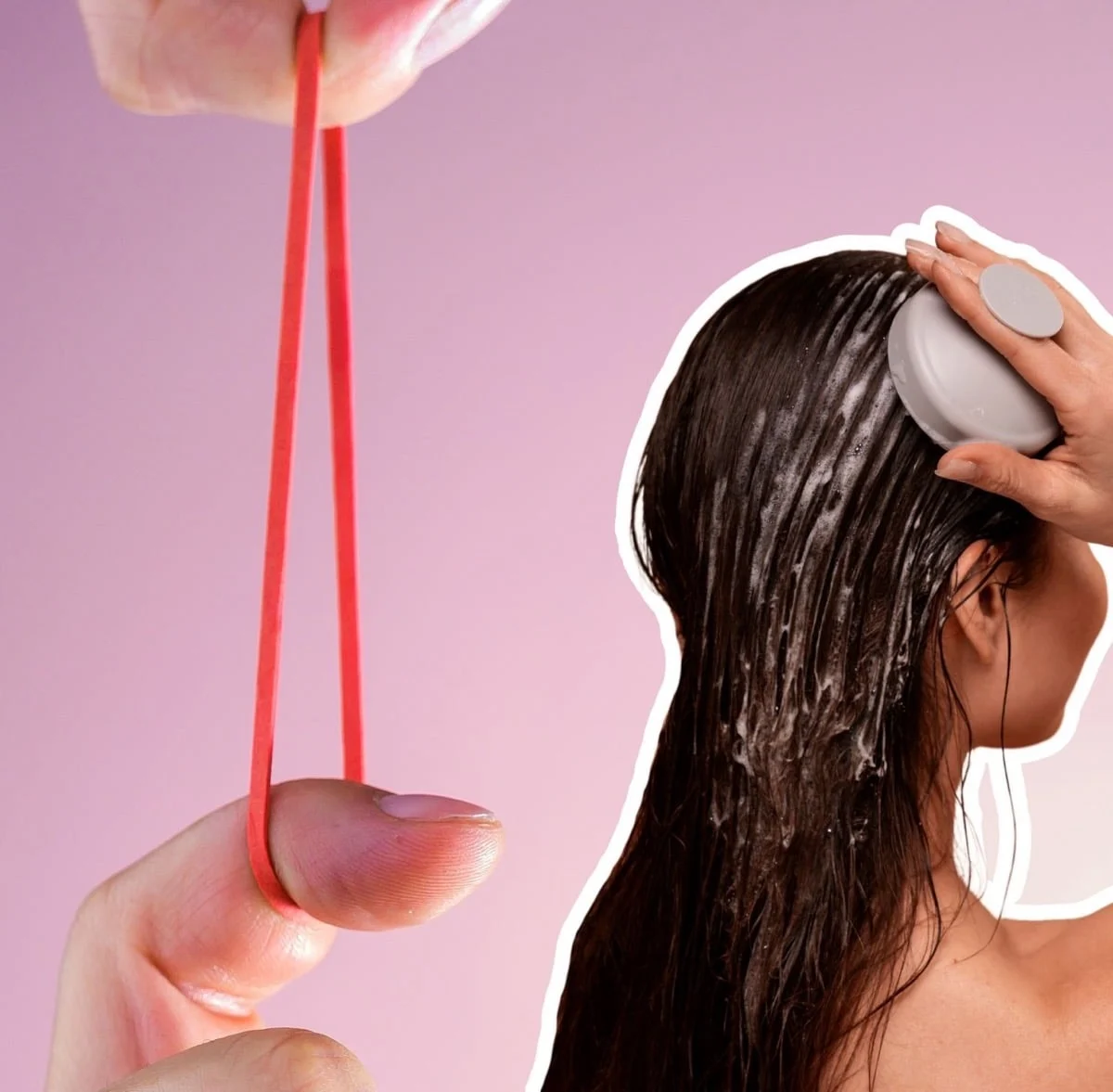
The interaction between water and human hair has long been a subject of fascination and, often, misinformation within the beauty and scientific communities. One of the most pervasive myths posits that the repeated cycles of wetting and drying hair inherently cause damage, a phenomenon frequently termed “hygral fatigue.” However, a growing body of scientific evidence and expert consensus suggests this widely held belief is largely unfounded, challenging the very premise of water as a direct agent of hair degradation. This article delves into the science of hair hydration, scrutinizes the studies often cited in support of "hygral fatigue," and clarifies the true mechanisms of hair damage.
The Enduring Myth of Hygral Fatigue
The concept of "hygral fatigue" suggests that the constant swelling and deswelling of hair fibers due to water absorption and evaporation weakens the hair structure over time, eventually leading to breakage and damage. This idea has permeated popular hair care advice, particularly within communities focused on natural and curly hair, often recommending reduced washing frequency or the use of specific oils to "block" water absorption. The analogy commonly employed is that of repeatedly stretching a rubber band until it loses elasticity and snaps. However, this analogy misrepresents the fundamental molecular differences between hair and synthetic polymers like rubber bands.
Hair is a complex biological structure primarily composed of keratin proteins. Its interaction with water is sophisticated and largely reversible, a critical distinction often overlooked in the "hygral fatigue" narrative. While hair undeniably absorbs water, leading to changes in its physical properties, the notion that these changes are inherently destructive in the absence of other mechanical or chemical stressors requires closer examination.
Understanding Hair Structure and Water Dynamics
To fully grasp why "hygral fatigue" is largely a myth, it is essential to revisit the basic architecture of a hair strand. Hair consists of three main layers:
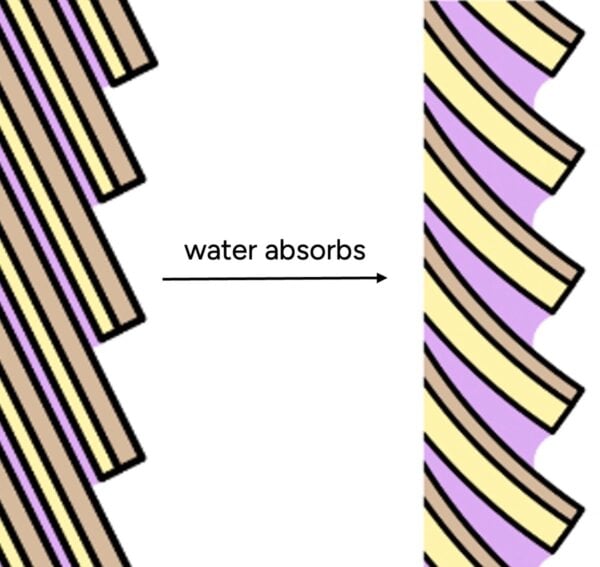
- The Cuticle: The outermost layer, composed of overlapping, scale-like cells that protect the inner cortex. When hair is wet, the cuticle scales can lift slightly, allowing water to penetrate.
- The Cortex: The thickest layer, providing hair with its strength, elasticity, and color. It is made of bundles of keratin proteins.
- The Medulla: The innermost core, present in some hair types, whose function is not fully understood.
At a molecular level, keratin proteins are held together by several types of bonds:
- Disulfide bonds: Strong, permanent covalent bonds responsible for hair’s overall structure and shape. These are broken and reformed during chemical treatments like perms or relaxers.
- Hydrogen bonds: Weaker, temporary bonds formed between water molecules and keratin proteins, as well as between different parts of the keratin protein itself. These bonds are easily broken by water and reformed when hair dries.
- Salt bonds (Ionic bonds): Also temporary, formed between oppositely charged groups on the keratin protein chains, and are affected by pH changes.
When hair comes into contact with water, water molecules penetrate the fiber, primarily affecting the hydrogen bonds within the cortex. The influx of water breaks existing hydrogen bonds between keratin chains, causing the hair fiber to swell and become more flexible. As the hair dries, these hydrogen bonds reform, and the fiber returns to its original dimensions. This process is a natural and reversible aspect of hair’s interaction with its environment. The "rubber band" analogy fails because, unlike the irreversible breakage of polymer chains in a rubber band under repeated stress, the hydrogen bonds in hair are designed to break and reform without causing permanent structural damage to the keratin protein itself. Electrons and protons involved in hydrogen bonding are not "worn down" by this repeated process.
Scrutinizing the Scientific Literature
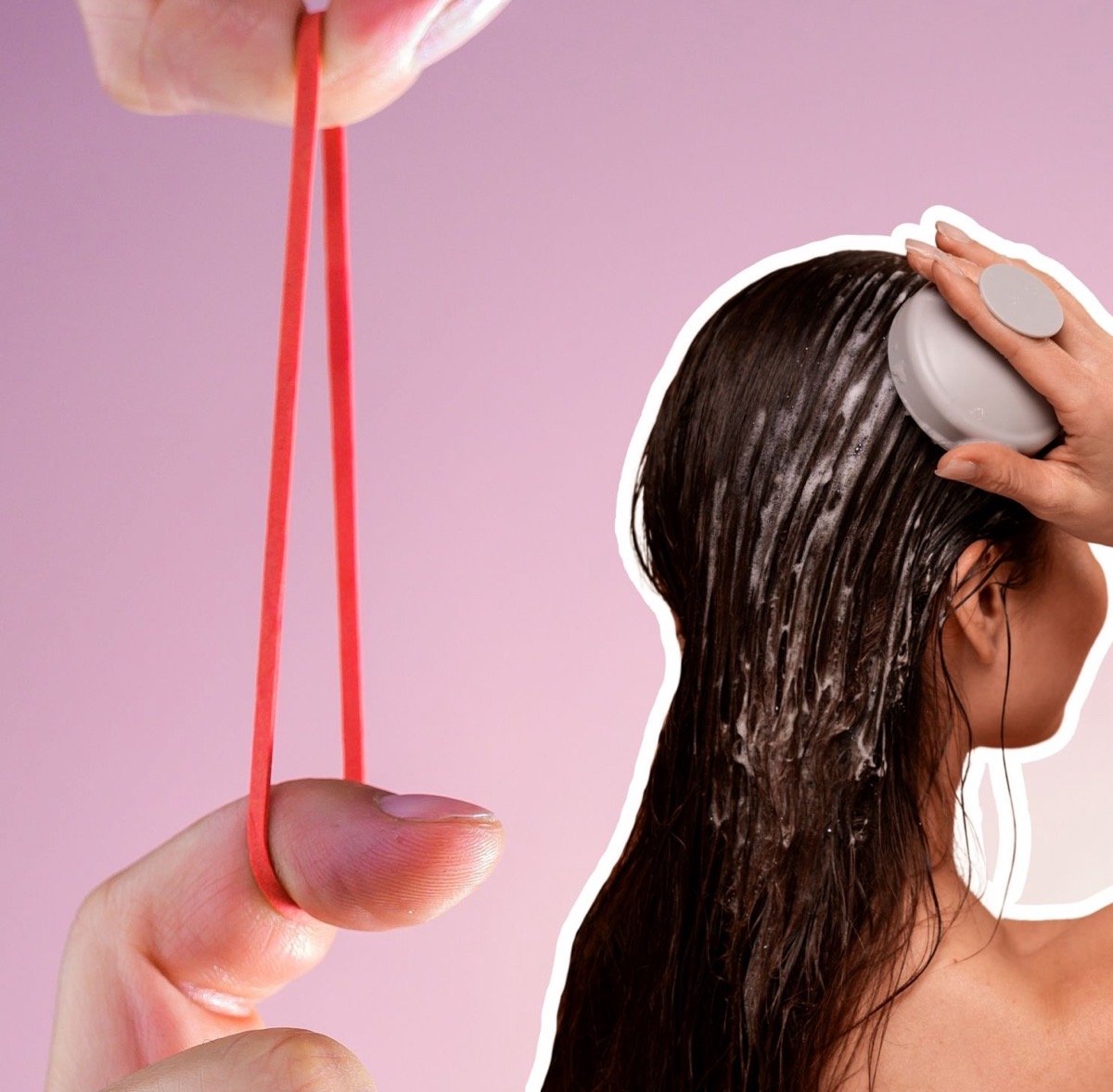
Despite the widespread belief, compelling evidence directly demonstrating "hygral fatigue" as a standalone mechanism of damage is scarce. A few peer-reviewed studies have been cited, but upon closer inspection, their conclusions regarding water-induced damage appear debatable or are subject to alternative interpretations.
One frequently referenced study, conducted by Lee Y. et al. in 2011 and published in Annals of Dermatology, investigated hair drying methods. The researchers compared the effects of air drying versus blow drying at various distances and temperatures. Their findings suggested that blow drying at a low temperature caused the least damage, while air-dried samples exhibited "bulges" which the authors attributed to prolonged water swelling. The study concluded that these bulges represented damage from "hygral fatigue."
However, this interpretation has been met with skepticism within the broader scientific community. Air drying is a standard procedure in numerous hair research experiments globally, and such "bulges" are not commonly reported as a consequence. This raises questions about the specificity of the observation in the Lee et al. study. Potential alternative explanations include pre-existing damage to the specific hair samples used, such as from excessive sun exposure, or methodological anomalies specific to that experiment. Without further replication and corroboration, attributing these observed bulges solely to water-induced "hygral fatigue" remains tenuous.
The Role of Coconut Oil: A Case Study in Misinterpretation
Another area where the concept of "hygral fatigue" has been invoked is in studies examining the protective effects of oils, particularly coconut oil. Several papers, including those by Rele and Mohile (1999, 2003) and Gode et al. (2012), have proposed that coconut oil could prevent "hygral fatigue" by blocking hair from absorbing water. These studies often cite the term "hygral fatigue" but notably do not provide strong foundational evidence for its occurrence in the first place, operating under the assumption that it is a recognized phenomenon.
Experiments typically involved coating hair samples with various oils (coconut, mineral, sunflower) and then subjecting them to dynamic vapor sorption (DVS) analysis, where hair weight is measured at different humidities to assess water absorption. Hair treated with coconut oil often showed a smaller percentage increase in weight due to water absorption compared to untreated or other oil-treated samples. This led researchers to conclude that coconut oil effectively blocked water penetration, thereby "protecting" against "hygral fatigue."
However, this interpretation has been critically challenged by experts like hair scientist Trefor Evans. Evans highlights a crucial experimental flaw: the baseline weight of the hair changes after applying oil. When oil is applied, the hair sample becomes heavier. If the amount of water absorbed is then expressed as a percentage of this new, heavier "hair + oil" weight, the percentage will naturally appear smaller, even if the absolute amount of water absorbed is the same. This statistical artifact could lead to a misinterpretation of coconut oil’s ability to "block" water. Given hair’s porous structure, with numerous cuticle edges acting as microscopic gaps, it is highly improbable that any topical treatment could completely seal the hair fiber against tiny water molecules. The water content of hair is primarily dictated by ambient humidity.
This re-evaluation does not diminish the known benefits of coconut oil for hair. Research, including some of the same studies, indicates that coconut oil, due to its molecular structure, can penetrate deeper into the hair shaft than many other oils. This internal penetration can lubricate the hair, reduce protein loss, and potentially fill gaps within the cell membrane complex (the "mortar" between the hair’s "bricks"), thereby reducing internal cracking and protecting the hair from mechanical damage. Oils also act as external lubricants, reducing friction and cuticle damage during combing and styling. However, these benefits are distinct from preventing "hygral fatigue" by blocking water.
The Real Vulnerability: Mechanical Damage to Wet Hair
While water itself does not inherently damage hair through repeated swelling and deswelling, it does render hair more susceptible to mechanical damage. When hair is wet, its hydrogen bonds are broken, making it more elastic and weaker than dry hair. The cuticle scales, which typically lie flat, can also be slightly lifted, increasing friction. This heightened vulnerability means that aggressive actions like vigorous towel drying, rough brushing, or tight styling while hair is wet can cause significant physical damage, including cuticle erosion, breakage, and even internal structural compromise.
This is a critical distinction: the damage is not from the water itself or the swelling/deswelling cycle, but from improper handling of hair in its wet state. Therefore, recommendations to treat wet hair gently—using a wide-tooth comb, blotting with a microfibre towel, applying leave-in conditioners or detanglers—are scientifically sound and crucial for maintaining hair health.
Broader Implications and Expert Consensus
The debunking of the "hygral fatigue" myth carries significant implications for hair care practices and consumer education. Firstly, it alleviates the unfounded fear of washing hair frequently. For many individuals, daily or frequent washing is necessary for hygiene, scalp health, or to manage oily hair. Restricting washing based on the "hygral fatigue" myth can lead to other issues, such as product buildup, scalp irritation, or bacterial/fungal growth.
Secondly, it refocuses attention on the actual causes of hair damage:
- Mechanical Stress: Aggressive brushing, tight hairstyles, heat styling without protection, and vigorous towel drying.
- Chemical Damage: Over-processing with dyes, bleaches, perms, or relaxers.
- Heat Damage: Excessive use of high-temperature styling tools.
- Environmental Factors: UV radiation exposure.
Cosmetic chemists and trichologists largely agree that maintaining hair health involves a holistic approach, emphasizing gentle care, appropriate conditioning, and minimizing exposure to known damaging agents. Products that claim to "seal" hair against water to prevent "hygral fatigue" may offer benefits through other mechanisms (e.g., lubrication, conditioning) but not necessarily by preventing water absorption in a way that directly combats a non-existent form of damage.
Conclusion
The myth of "hygral fatigue" serves as a compelling example of how a plausible-sounding hypothesis can gain widespread acceptance, even within some scientific circles, without robust empirical support. The scientific understanding of hair’s interaction with water points to a highly reversible process of hydrogen bond formation and breakage, which does not inherently degrade the hair’s keratin structure. While wet hair is indeed more fragile and susceptible to mechanical damage, this is distinct from water causing damage merely by its presence or absence.
As consumers navigate an increasingly complex beauty landscape, a nuanced, evidence-based understanding of hair science is paramount. By debunking myths like "hygral fatigue," individuals can make more informed choices about their hair care routines, focusing on genuine protective measures and avoiding unnecessary anxieties or costly interventions based on scientific misinterpretations. The key to healthy hair lies not in fearing water, but in understanding and respecting hair’s natural properties, particularly its vulnerability to mechanical stress when wet.
