
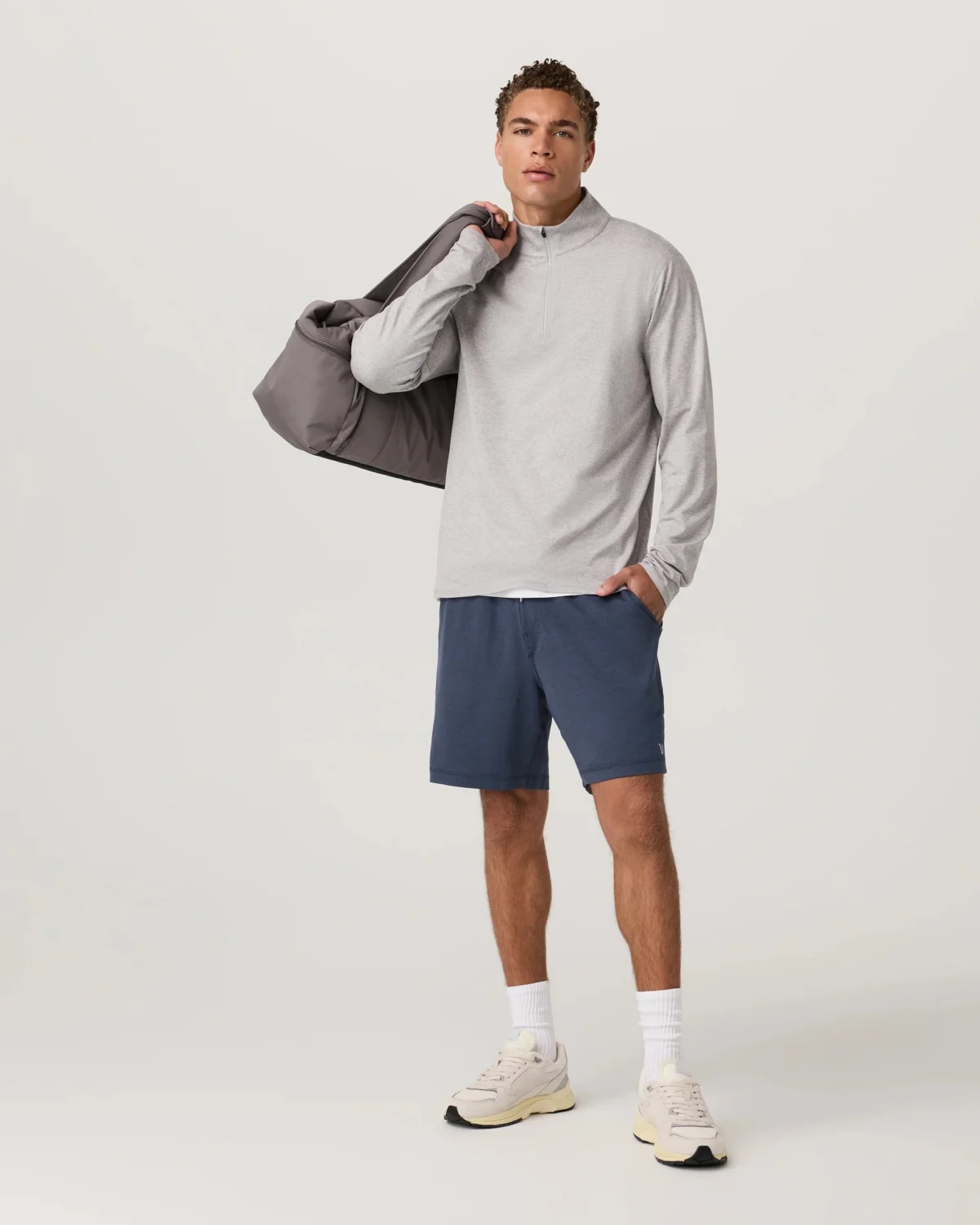
The landscape of men’s fitness has reached a saturation point. Weightlifting has become a baseline activity, and running clubs are ubiquitous. The conversation has shifted from whether men train to the tangible results of their training. For a significant portion of the male population, this often translates to limited hip mobility, a compromised posture, persistent minor injuries, and a body that appears strong but moves with a noticeable lack of fluidity. This widespread phenomenon highlights a critical gap: the distinction between possessing physical strength and exhibiting true physical capability.
The democratization of fitness has lowered the barrier to entry across various disciplines. Resistance training, High-Intensity Interval Training (HIIT), organized run clubs, and hybrid fitness programs are now accessible to nearly everyone. This has led to a significant elevation in the general fitness baseline, with a substantial percentage of men incorporating regular exercise into their routines. However, this surge in training volume has not been matched by a commensurate improvement in the quality of movement. The modern lifestyle, characterized by prolonged periods of sitting, increased screen time, and the physical demands of daily life, contributes to common ailments such as tight hip flexors, rounded shoulders, and lower back strain. These issues are often exacerbated by training methodologies that prioritize visible results and sheer volume over the less glamorous but crucial aspects of mobility, control, and corrective exercise.
The contemporary challenge in fitness is no longer about the amount of effort expended, but rather the efficiency and intelligence of the training. Men who cultivate control through a full range of motion, who eschew momentum-based movements, and who approach their workouts with mindful intention are becoming increasingly distinct and noticeable. This shift suggests a move away from purely aesthetic-driven training towards a more holistic approach that emphasizes functional movement and long-term physical health.

Pilates, a discipline long associated with rehabilitation and core strengthening, is emerging as a vital component for men seeking to bridge this gap. Its fundamental principles are designed to expose and correct physical imbalances and weaknesses that traditional strength training often overlooks. Unlike weightlifting or high-impact cardio, Pilates strips away the shortcuts, demanding precise control and eliminating compensatory movements. This deliberate approach makes every physical limitation immediately apparent, offering invaluable data for self-improvement.
The efficacy of Pilates lies in its targeted approach to the body’s stabilizing muscles – the often-neglected deep core musculature, hip rotators, and the intricate network of muscles responsible for spinal integrity and joint stability. While a man might be able to lift a significant weight off the floor, the slow, controlled execution of a single-leg lowering exercise can reveal profound challenges. This is not a contradiction, but rather an indicator of underlying weaknesses. The information gleaned from such exercises is crucial for understanding how the body truly functions and where its limitations lie.
The Pilates Advantage: Targeting What Traditional Training Misses
A comparative analysis reveals the distinct benefits of Pilates in complementing conventional training regimens:
-
Pilates Targets:

- Deep Stabilizer Muscles: The critical muscles that maintain form and stability under load.
- Full Range of Motion: Emphasizes movement through the entire available joint excursion, not just the loaded portion.
- Symmetry and Balance: Identifies and corrects left-right imbalances that can lead to compensatory patterns.
- Controlled Tempo: Focuses on deliberate, slow movements, eliminating momentum and promoting mindful execution.
-
Traditional Training Often Misses:
- Stabilizers Sacrificed: In heavy compound lifts, prime movers often take precedence, leading to a neglect of stabilizing muscles.
- Shortened Range of Motion: To manage heavier loads or combat fatigue, the range of movement can be compromised.
- Dominant Side Compensation: Subtle imbalances can accumulate over years, leading to ingrained asymmetrical movement patterns.
- Momentum Substitution: In higher-rep exercises, momentum can be used to complete repetitions, bypassing the need for true muscular control.
This is not to suggest that traditional strength training is inherently flawed. Rather, Pilates serves as a crucial corrective measure, filling the functional gaps that strength training alone often leaves open. By integrating Pilates into a training regimen, men can build a more resilient, balanced, and efficient physique.
The Aesthetic Evolution: From Bulk to Biomechanics
The prevailing ideal of the male physique has undergone a subtle yet significant transformation. The era of prioritizing sheer mass and an overly compressed, "bodybuilder" aesthetic, often optimized for stage presentation rather than everyday functionality, is gradually yielding to a preference for leaner, more mobile, and demonstrably athletic builds.
Pilates aligns perfectly with this evolving aesthetic. It cultivates physical tension and tone without necessarily adding bulk, fostering a presence that communicates capability and athleticism rather than just size. The practice directly counteracts the "tight, shortened" appearance that can result from years of heavy lifting without adequate mobility work. This includes the common postural issues of rounded shoulders, a forward head posture, and hips that have lost their natural range of motion. The new aspiration is to embody a physique that visibly signifies functional movement – the ability to perform athletic feats – rather than merely the capacity to lift heavy weights. This represents a distinct shift in body composition and the training methodologies required to achieve it.

The New Metric: Control Over Bulk
In contemporary fitness culture, the metric of success is evolving. While visible bulk commands immediate attention, true physical control is a rarer and more respected attribute. A lean, mobile, and well-postured physique in the current fitness landscape signifies more than just significant muscle mass; it indicates a sustained and disciplined commitment to understanding and optimizing one’s body, not just pushing its limits. This emphasis on functional attributes over superficial size reflects a maturing approach to fitness and well-being.
Posture: The Unseen Advantage
A significant portion of the male population experiences subtle but noticeable compromises in their posture and overall movement patterns. These are not typically dramatic deformities, but rather visible indicators such as a forward head posture, elevated and rounded shoulders, and anterior pelvic tilt. These postural deviations are often the physical manifestations of prolonged periods spent at desks, engrossed in mobile devices, and in sedentary occupations.
Pilates offers a systematic approach to correcting these postural issues. It actively strengthens the posterior chain of muscles, opens the chest, re-establishes proper spinal alignment, and retrains the neuromuscular pathways that have been degraded by poor postural habits. This re-education of the body’s movement patterns is fundamental to achieving a more balanced and aesthetically pleasing posture.
The Style Payoff: Clothes That Fit as Intended
The impact of improved posture extends beyond physical health and into the realm of personal style. Tailored clothing, in particular, is designed to complement an upright spine and an open chest. When a man’s posture is compromised, even well-fitting garments may not drape or hang as intended. By rectifying postural imbalances through practices like Pilates, individuals can ensure that their clothing performs as designed, enhancing their overall appearance and confidence.

Injury Prevention: The Long-Term Investment
For men who have been dedicated to rigorous training for a decade or more, a common thread often emerges: a catalog of injuries. These can range from persistent hip flexor issues exacerbated by running to lower back tightness following heavy deadlifts, or even significant joint injuries requiring extended periods of rehabilitation. The cumulative effect of high training volume without adequate attention to mobility and stability often leads to a significant "tax" in the form of injuries.
Pilates plays a crucial role in mitigating this risk. It enhances the resilience of joints and connective tissues, which are frequently stressed by load-bearing activities. By correcting subtle movement asymmetries that can quietly accumulate and eventually manifest as injuries, Pilates acts as a proactive measure against physical breakdown. The most effective training program is ultimately the one that can be sustained over the long term. Consistency across years far outweighs short bursts of high-intensity training. In this context, Pilates functions as a vital long-term insurance policy for an individual’s entire fitness journey.
Enhancing All Other Training Modalities
Crucially, Pilates is not intended to replace existing training practices but rather to amplify their effectiveness. Integrating two Pilates sessions per week alongside current strength training, cardio, or sport-specific activities can unlock significant performance improvements across the board. This synergistic approach ensures that men can continue to pursue their primary fitness goals while simultaneously building a more robust and functional physical foundation. The objective is to optimize the body’s capacity to perform, rather than to substitute one discipline for another.
The Quiet Confidence Factor
Pilates cultivates a different kind of mental engagement compared to many other forms of exercise. It doesn’t involve chasing personal bests or pushing intensity to the absolute limit. Instead, it fosters a deep awareness of how the body is moving – a skill that can be surprisingly challenging for men whose training has historically focused on output rather than internal proprioception.

The cumulative effect of consistent Pilates practice over several months is a discernible shift in physical presence. Individuals often report feeling less braced and stiff, and more settled and grounded in their bodies. This ease of movement translates into a quiet confidence that emanates from a place of physical mastery.
Furthermore, there is a discernible social dimension to this newfound ease. Stiffness in movement can often correlate with a certain guardedness in social interactions. Conversely, men who move with fluidity and control tend to occupy spaces with a greater sense of ease and presence. While Pilates may not directly address social anxiety, it consistently contributes to the development of men who appear more physically comfortable and at home in themselves, fostering a more assured and grounded demeanor.
The Rising Prominence of Pilates
Several converging factors explain the current surge in men’s adoption of Pilates. Elite athletes and high-performance coaches are increasingly vocal about their reliance on Pilates for injury prevention and performance enhancement. The proliferation of specialized reformer studios has made the practice more accessible and appealing. Moreover, there is a broader cultural reorientation towards prioritizing mobility, longevity, and functional movement over the pursuit of sheer muscular bulk.
The reality is that Pilates is not a new fad. Its current widespread adoption by men represents a "late adoption" phenomenon, with men now catching up to a methodology that has been demonstrably effective for a considerable period. This signifies a maturing understanding of what constitutes optimal physical conditioning.

Embarking on Pilates: Navigating the Initial Stages
It is essential to acknowledge that approaching Pilates will likely involve a period of feeling like a beginner. The key to navigating this phase successfully lies in managing expectations and focusing on the learning process. Rather than trying to replicate advanced movements from the outset, beginners should prioritize understanding the fundamental principles and proper execution of each exercise. This involves attentive listening to instructors, focusing on breath control, and developing an awareness of the subtle muscle engagement required.
The discipline inherent in Pilates, which demands patience and focused attention, represents a different caliber of training. In the current fitness landscape of 2026, this dedication to learning and mindful practice is precisely what distinguishes serious practitioners from those who are merely casual participants.
The Bottom Line: Strength, Control, and Longevity
While raw strength may initially capture attention, it is the mastery of control that truly earns respect and fosters long-term physical well-being. Longevity in any physical pursuit is paramount to sustained engagement and overall health.
In the contemporary fitness paradigm, the ultimate advantage lies not with those who train the hardest, but with those who train the smartest, move with superior efficiency, and can maintain their physical capabilities over the long haul. Pilates sits at the critical intersection of these essential elements, offering a comprehensive approach to building a body that is not only strong but also resilient, adaptable, and capable of performing at its peak for years to come.
