
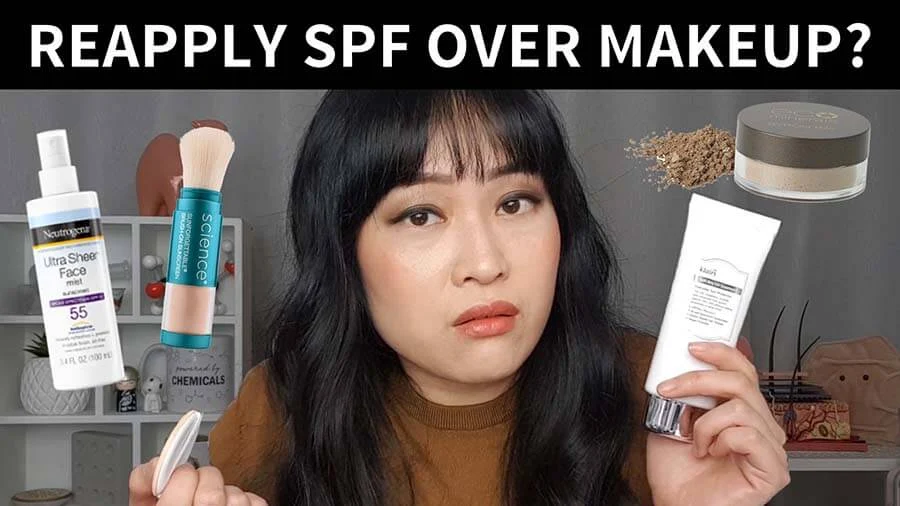
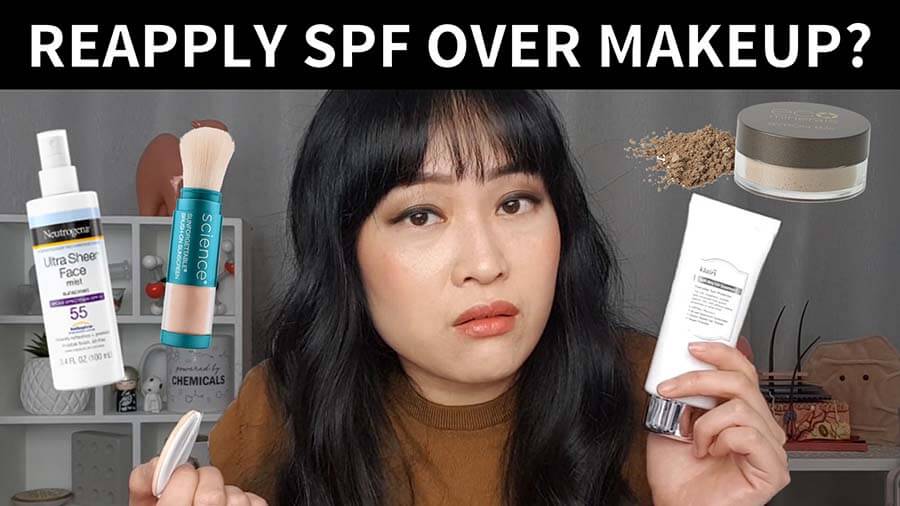
The daily skincare dilemma faced by millions worldwide—balancing sun protection with cosmetic wear—has long vexed dermatologists, cosmetic chemists, and beauty consumers alike. Standard dermatological guidelines dictate that chemical and physical sunscreens must be reapplied every two hours to maintain optimal ultraviolet (UV) protection. However, executing this directive over a fully realized face of foundation, contour, and powder presents a significant logistical challenge. Recent scientific evaluations, field studies, and consumer research provide a clearer framework for determining when reapplication is genuinely necessary, which product delivery systems actually deliver adequate coverage, and how modern application tools can preserve cosmetic integrity without sacrificing dermal health.
The Science of Sunscreen Degradation Over Time
Understanding the necessity of reapplication requires examining how sunscreen films degrade on human skin throughout the day. When a sunscreen is initially applied at the recommended density of 2 milligrams per square centimeter, it forms a cohesive, continuous microscopic film designed to absorb, reflect, or scatter incoming UVA and UVB radiation. Over time, however, this protective barrier deteriorates through three primary mechanisms: physical removal, film breakup, and evaporation.
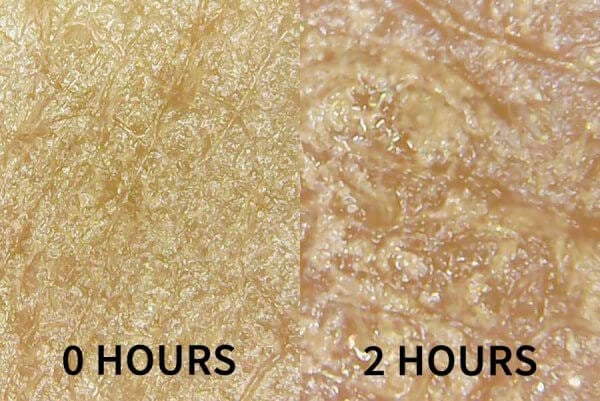
Physical removal occurs constantly as skin brushes against clothing, hair, hands, and environmental elements. Concurrently, natural dermal secretions—including sebum and perspiration—interact with the sunscreen matrix, causing the protective film to emulsify, migrate into pores, and break apart. Microscopic analyses of cosmetic films demonstrate that facial movements such as speaking, chewing, and yawning further disrupt the continuity of the layer, causing it to clump and leave vulnerable gaps in coverage. Furthermore, active ingredients gradually evaporate or absorb into the superficial strata of the epidermis, progressively thinning the protective barrier.
While modern formulations frequently utilize photostable UV filters that do not degrade rapidly upon direct photon absorption, they remain entirely susceptible to physical displacement and sebum-induced breakdown. Consequently, cumulative exposure time directly correlates with a diminished SPF rating.
Empirical Data on Residual Sun Protection
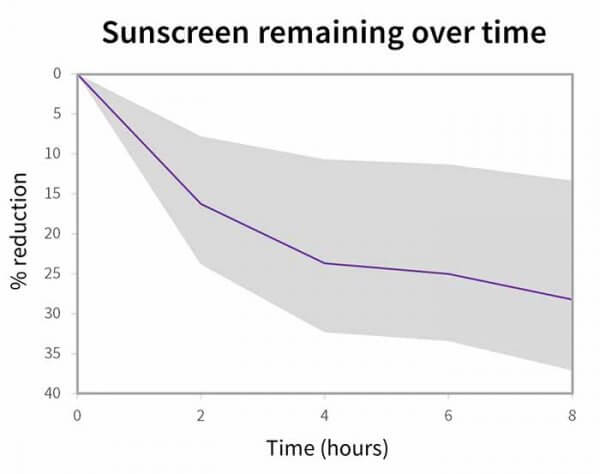
To quantify how much protection remains after extended wear, researchers have increasingly turned to empirical tracking studies. A notable open-label clinical trial published in the Journal of Dermatological Treatment investigated sunscreen persistence on indoor workers over a multi-hour period. In the study, twenty participants applied a standardized dose of sunscreen infused with a visual marker dye, allowing scientists to photograph and measure product retention at strict intervals without the confounding variables of heavy physical exertion.
The resulting data revealed that after two hours, participants retained an average of 84 percent of the initial application, representing a roughly 16 percent reduction in product volume. Over subsequent intervals, the rate of depletion slowed, resulting in a cumulative loss of approximately 30 percent over the course of an entire workday for individuals with minimal physical activity.
Translated into practical sun protection metrics, a 30 percent reduction significantly alters a product’s efficacy: an initial SPF 50 rating degrades to approximately SPF 35, while an SPF 30 decreases to roughly SPF 21. For individuals engaged in strictly indoor environments with minimal direct solar exposure, this residual protection may suffice to prevent acute sunburns. However, for those exposed to high-intensity UV radiation, relying solely on degraded morning applications introduces substantial cumulative risks for photoaging, hyperpigmentation, and long-term dermatological pathologies including skin cancer.
Categorizing Exposure Scenarios for Strategic Reapplication
Rather than enforcing a rigid, one-size-fits-all reapplication schedule, dermatological science supports a stratified approach tailored to daily environmental exposure levels.
Minimal Sun Exposure
For office workers and individuals spending the vast majority of their day indoors with limited, indirect window exposure, intensive reapplication over makeup is frequently unnecessary. Relying on the residual protection of the morning application, combined with passive behavioral modifications—such as sitting away from direct window panes and walking on shaded pedestrian pathways—adequately mitigates daily risk. Clinical observations indicate that patients adhering to this lifestyle who utilize high-SPF morning bases successfully manage conditions like melasma and post-inflammatory hyperpigmentation without midday touch-ups.
High Sun Exposure
Conversely, individuals experiencing prolonged, direct outdoor exposure—such as beach outings, athletic events, or extended midday commutes—require strict adherence to standard two-hour reapplication windows. In these scenarios, cosmetic preservation must take a secondary priority to health safety. Experts recommend wearing water-resistant formulations and keeping underlying makeup minimal or absent. When touch-ups are required over existing layers, gentle removal of heavy particulate buildup and excess sebum using a mild facial wipe prevents mechanical irritation before a fresh layer of water-resistant lotion is applied.
Moderate Sun Exposure
The most complex scenario involves mixed exposure profiles, such as working indoors for part of the day followed by a midday outdoor lunch or a sunlit transit commute home. In these instances, consumers demand an effective balance: maintaining aesthetic presentation while replenishing degraded UV filters. Achieving this requires specialized product selection and precise application techniques.
Evaluating Reapplication Formats: Powders, Sprays, and Lotions
The beauty market offers various formats marketed for midday touch-ups, but extensive testing by independent cosmetic scientists and regulatory bodies has revealed stark variances in their actual protective capabilities.
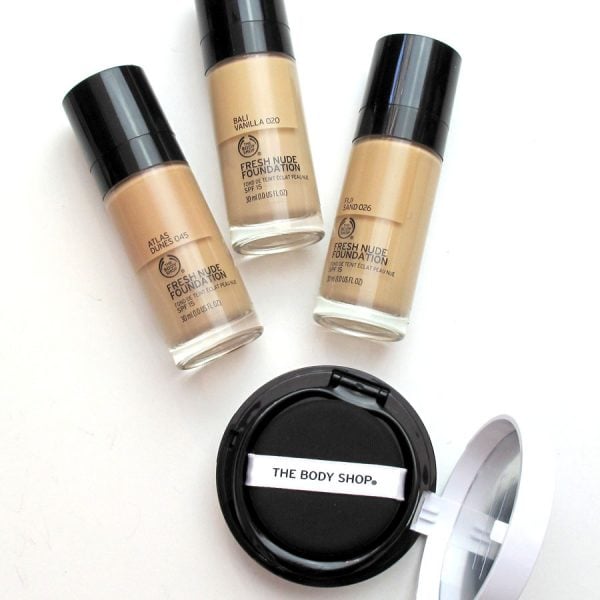
Foundations and Face Powders
Cosmetic powders and liquid foundations are frequently utilized for touch-ups due to their convenience, yet historical exposure data demonstrates they rarely deliver sufficient UV protection. Studies conducted by the U.S. Environmental Protection Agency and trade associations indicate that average consumer application amounts for face powders fall drastically short of the 2 mg/cm² standard required to achieve labeled SPF ratings.
While specialized mineral powder brands—such as Colorescience—have engineered advanced formulations capable of passing rigorous water-resistance and high-density testing protocols, achieving the necessary coverage requires intensive application methods. Laboratory assessments suggest that obtaining advertised SPF protection from a powder demands prolonged, heavy circular buffing for upwards of a minute, a standard that proves impractical for typical consumer use and often leads to uneven distribution.
Aerosol and Pump Sprays
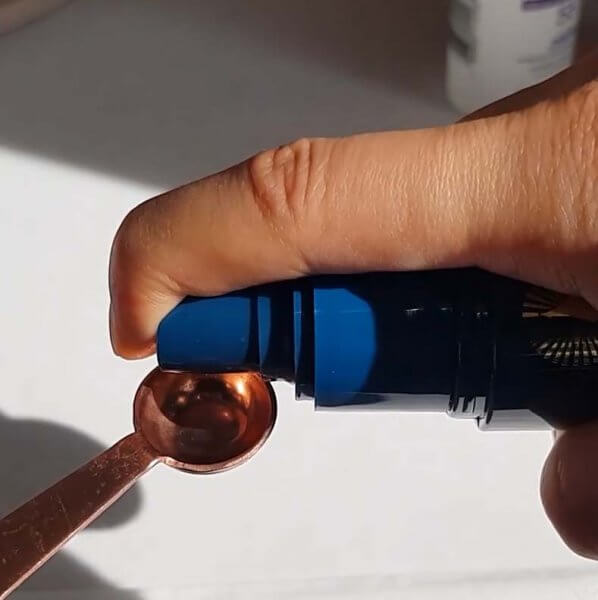
Aerosol and mist sunscreens have gained widespread popularity for over-makeup application due to their non-disruptive format. However, recent independent testing from consumer advocacy groups and institutional researchers has raised significant concerns regarding their efficacy. Pressurized spray mechanisms utilize chemical propellants that can account for 40 to 60 percent of the dispensed volume. Furthermore, atomized mists are highly susceptible to atmospheric dispersion from ambient air currents. Laboratory collection tests indicate that standard application methods result in only a fraction of the necessary product landing on the facial epidermis, rendering sprays unreliable as a primary reapplication tool unless sprayed directly into the palms and pressed onto the skin.
Liquid Lotions via Cushion Puffs
Dermatological consensus increasingly points to traditional liquid sunscreen lotions applied via specialized cushion puffs as the most reliable method for over-makeup reapplication. Originating from Asian skincare methodologies, non-absorbent cushion applicators allow consumers to deposit an even, dense layer of standard sunscreen over existing cosmetics without stripping or dragging the underlying makeup. Because cushion puffs absorb minimal product compared to traditional beauty sponges, they ensure that the majority of the dispensed lotion successfully transfers to the skin in a controlled film, preserving both cosmetic integrity and high-level UV protection.
Broader Implications for Public Health and Skincare Practice
The ongoing evolution of sunscreen reapplication science underscores a broader shift in consumer health education: theoretical protection on paper must align with practical, real-world execution. As regulatory bodies tighten standards on non-lotion formats and independent researchers continue to audit consumer application habits, the beauty industry is steering toward hybrid application accessories—such as specialized antimicrobial puffs and high-compatibility fluid formulas—that bridge the gap between cosmetic wearability and photoprotection standards. Ultimately, consumers are advised to assess their daily environmental exposure realistically, prioritizing high-SPF base applications, utilizing targeted mechanical tools for midday touch-ups when necessary, and recognizing the limitations of convenience-driven formats like powders and mists.
