
Global public health campaigns have spent decades championing sunscreen as a frontline defense against ultraviolet radiation and malignant melanoma. Yet, an apparent paradox frequently surfaces in public discourse: populations are utilizing more sunscreen than ever before, yet statistical registries consistently document an upward trajectory in skin cancer diagnoses. This counterintuitive trend has fueled viral misinformation across digital platforms like TikTok, where wellness commentators question the fundamental efficacy of sun-protection products. However, a rigorous examination of epidemiological data, dermatological research, and public health history reveals that this rising trend is driven by complex societal shifts, diagnostic improvements, and lifestyle changes rather than any failure or hazard of modern sunscreens.
The Misinterpretation of Epidemiological Trends
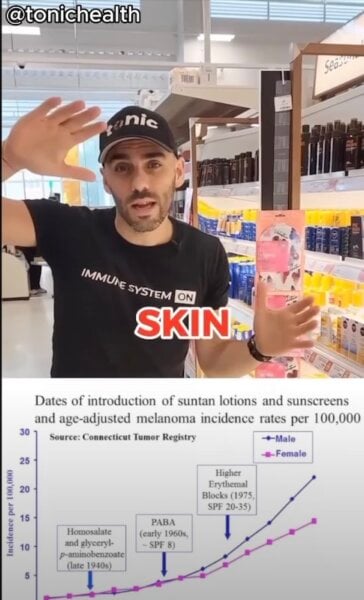
The misconception that sunscreens are ineffective—or actively harmful—often stems from misread statistical charts. A prominent example circulated by health commentators maps out rising melanoma incidence rates in the United States from the mid-20th century onward, juxtaposing this growth against the broad cultural adoption of sunscreen. At first glance, the alignment appears stark: as sunscreen sales and usage expanded, cancer diagnoses climbed in tandem.
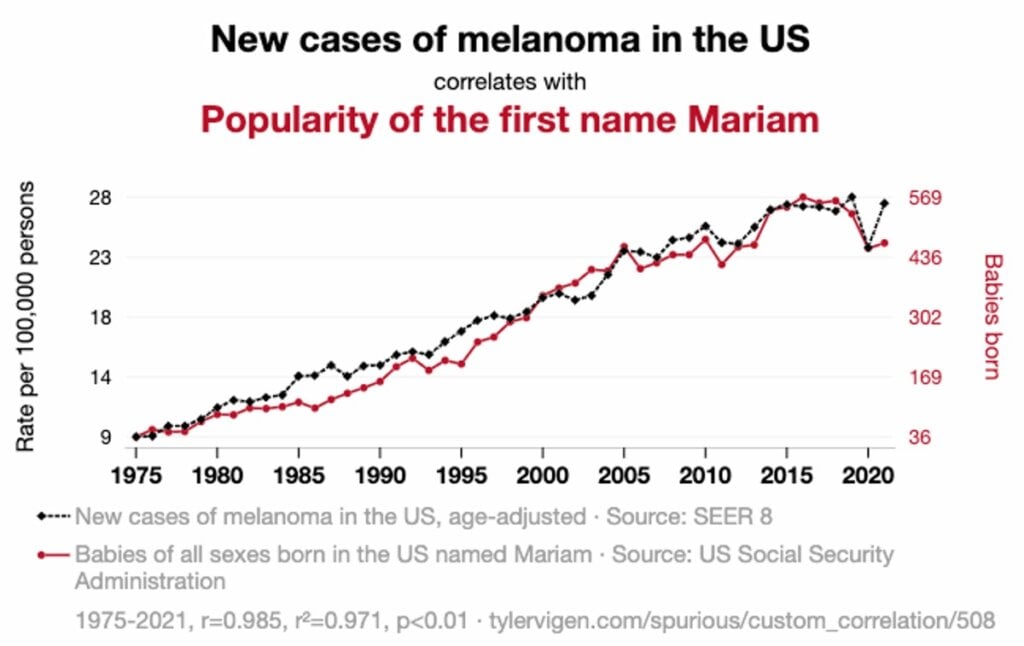
Staticians and scientists emphasize that this line of reasoning commits a foundational logical fallacy: confusing correlation with causation. Furthermore, historical datasets tracking melanoma often predate widespread sunscreen adoption entirely, reflecting instead a long-term upward trend in cancer registries that began decades earlier. Utilizing identical flawed methodology, analysts can draw equally absurd correlations between melanoma rates and entirely unrelated societal variables, such as regional increases in birth names or the proliferation of consumer electronics.
To isolate the genuine physiological effects of sunscreen from confounding external variables, researchers must look beyond population-level correlations and turn to controlled scientific experimentation.
The Gold Standard of Evidence: Randomized Controlled Trials

Controlled trials provide the definitive counter-evidence to claims that sunscreen fails to protect against skin damage. The most definitive investigation into this matter remains the landmark Nambour Trial, conducted in Queensland, Australia. This rigorous randomized controlled trial divided a homogenous community population into distinct groups based on matched demographic and physiological traits, differing only in their application habits.
Half of the participants were instructed to apply broad-spectrum sunscreen daily, while the control group maintained discretionary usage patterns for four and a half years, with researchers tracking health outcomes for a subsequent decade. If topical sunscreens promoted carcinogenesis, the daily application cohort would have exhibited higher rates of skin malignancies. Instead, the findings confirmed that consistent sunscreen users experienced a marked reduction in both squamous cell carcinomas and basal cell carcinomas. Subsequent follow-ups demonstrated a significant decrease in the incidence of invasive melanoma among the rigorous protection group, alongside a notable 24 percent reduction in clinical signs of skin aging.
Complementary laboratory studies reinforce these clinical outcomes. Controlled exposure models in which skin samples are treated with varying concentrations of high-SPF formulations before being subjected to simulated solar ultraviolet radiation demonstrate a dose-dependent decrease in the formation of pyrimidine dimers—DNA mutations that serve as the primary molecular precursors to skin cancer.
Unraveling the Drivers Behind Rising Diagnoses
If clinical trials conclusively demonstrate that sunscreen protects cellular DNA and prevents malignancies, the persistence of rising population-level skin cancer rates demands explanation. Dermatologists and epidemiologists attribute this upward statistical trend to a convergence of distinct socioeconomic, behavioral, and medical factors that heavily outweigh the protective dampening effect of sunscreen alone.
Chief among these drivers is steadily increasing human longevity. Because skin cancers—particularly melanoma—are strongly correlated with cumulative cellular damage sustained over decades, aging populations naturally produce higher aggregate case numbers. The median age of an initial melanoma diagnosis hovers around 65 years. In earlier historical eras, individuals frequently succumbed to cardiovascular events, infectious diseases, or unrelated pathologies before living long enough to develop or be diagnosed with late-stage skin cancers.
Simultaneously, global leisure patterns have undergone a dramatic transformation. The democratization of commercial aviation and the globalization of tourism have made international beach vacations accessible to broad demographics. Consequently, office workers and indoor laborers—whose skin typically receives minimal natural exposure—frequently subject their bodies to intense, intermittent bursts of ultraviolet radiation during tropical holidays or weekend excursions. This intermittent high-intensity exposure pattern is epidemiologically linked to a heightened risk of developing melanoma.
Cultural shifts favoring aesthetic tanning have further complicated public health outcomes. The commercial normalization of deep tans emerged alongside the widespread introduction of UV tanning salons and shifts in fashion over the latter half of the twentieth century, counteracting educational safety messaging.
Finally, advancements in medical technology and public awareness have radically transformed diagnostic capabilities. The widespread dissemination of early-detection frameworks, such as the ABCDE criteria for suspicious moles, has empowered patients and primary care physicians to identify and biopsy benign or early-stage lesions that would have gone unnoticed or unrecorded in previous decades. This heightened screening sensitivity directly inflates modern incidence statistics.
Divergent Global Trends and the Australian Paradigm
A closer examination of international data reveals that the rise in skin cancer is not uniformly global. In Australia, a nation characterized by extreme ambient ultraviolet radiation levels and a fierce national sun-safety culture, epidemiological data demonstrates a distinct divergence.
Recent studies tracking melanoma incidence between 2006 and 2021 reveal that skin cancer rates among Australians under the age of 40 have experienced a steady decline. Among adolescents and young adults aged 15 to 24, melanoma diagnoses have been halved since the 1980s. Experts attribute this positive anomaly to Australia’s uniquely integrated, multi-generational public health interventions rather than reliance on any single preventive measure.
Australia’s SunSmart Public Health Framework
The cornerstone of Australia’s success lies in systemic behavioral intervention. Public health officials recognized that simply advising citizens to purchase sunscreen is insufficient to alter deeply ingrained social habits. Behavior is driven by cultural norms, convenience, and institutional policy.
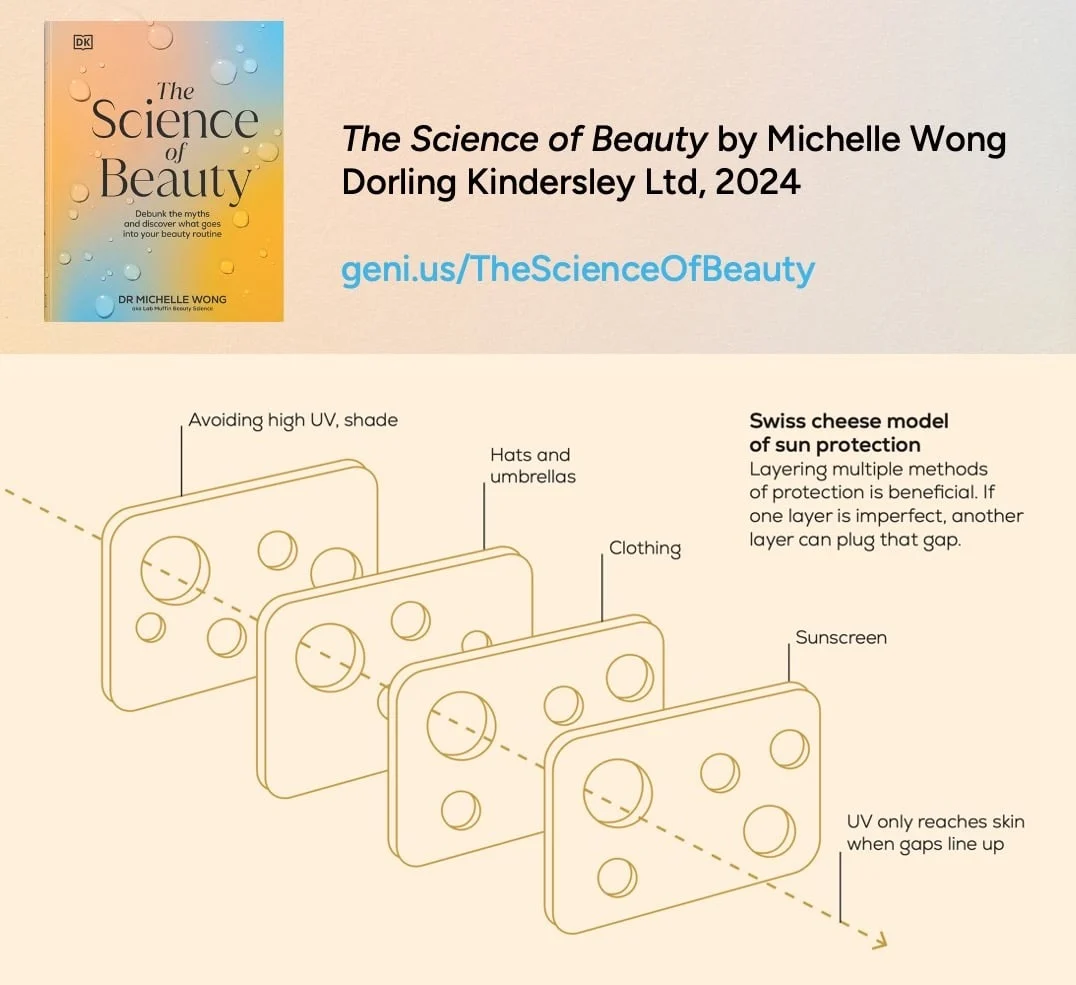
Beginning in the late 20th century, Australia popularized comprehensive public health campaigns anchored by memorable slogans such as Slip, Slop, Slap, Seek, and Slide. This mnemonic reinforces a multifaceted defense strategy—encouraging citizens to slip on protective clothing, slop on broad-spectrum sunscreen, slap on a wide-brimmed hat, seek dense shade, and slide on UV-blocking sunglasses. Epidemiologists refer to this layered defense as the "Swiss cheese model" of protection, acknowledging that individual safety measures have inherent vulnerabilities that are mitigated when combined.
Institutional policies transformed these cultural norms into daily habits, particularly within educational environments. The widespread adoption of "no hat, no play" policies across primary and secondary schools ensured that children lacking appropriate headwear were restricted to shaded areas during peak ultraviolet hours. Furthermore, school uniform standards frequently mandated specialized legionnaire-style caps featuring extended neck flaps, embedding sun protection into the institutional routine of generations of students.
Implications for Future Public Health Policy
The persistence of skin cancer myths on social media underscores the ongoing challenge public health agencies face in communicating nuanced epidemiological data to a digital audience. Misinformation campaigns that weaponize population-level statistics exploit a fundamental misunderstanding of the distinction between correlation and causation.
Public health experts emphasize that addressing future skin cancer rates requires moving beyond simple product advocacy toward comprehensive environmental and behavioral strategies. By pairing high-efficacy chemical and mineral sunscreens with structural shade provisions, protective clothing mandates, and continuous public education, health authorities can counteract the compounding pressures of an aging population and shifting leisure habits. Ultimately, empirical science confirms that when deployed as part of a holistic defensive strategy, sunscreen remains an indispensable tool in the global reduction of skin malignancies.
