
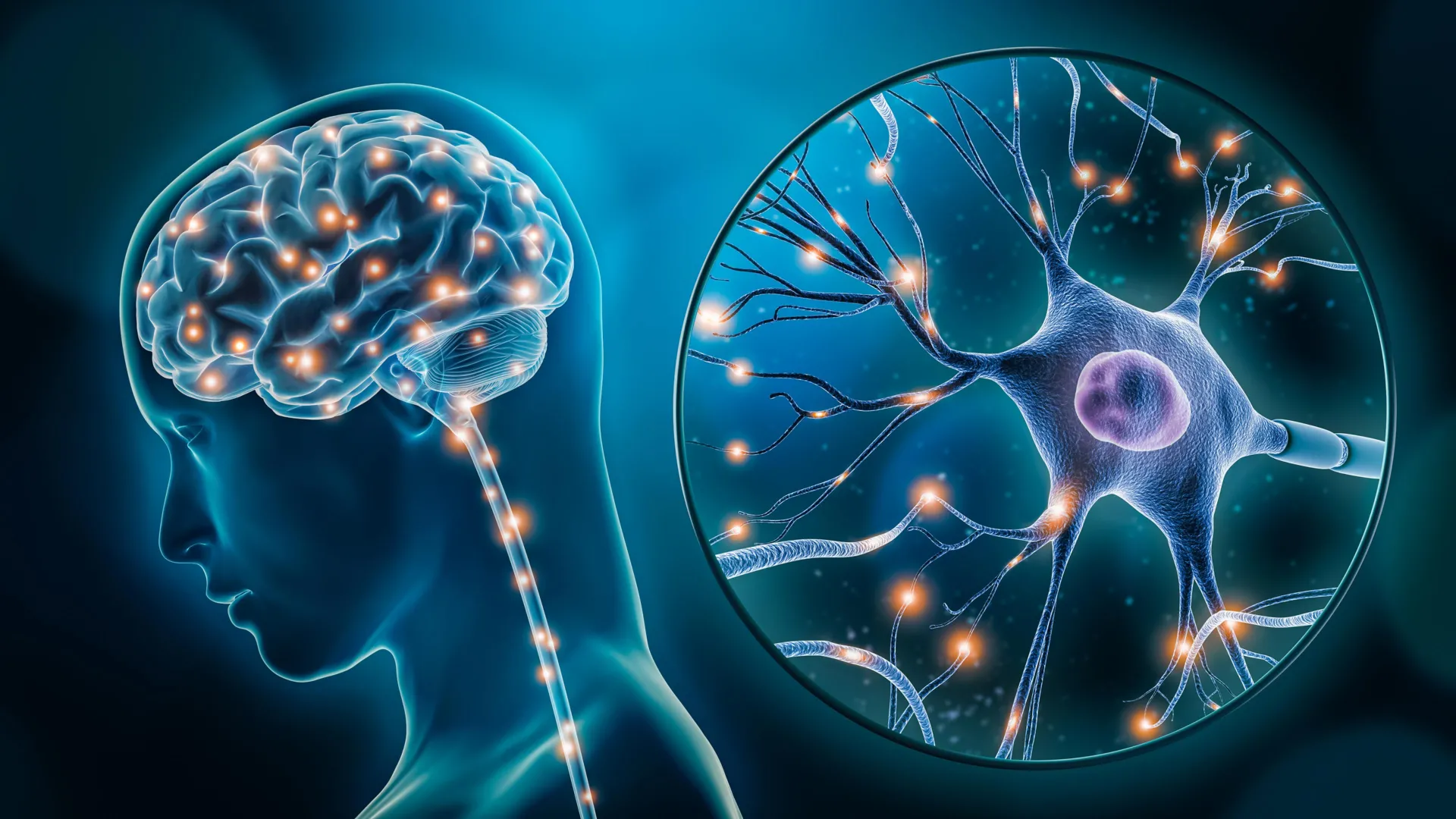
Montreal, QC – A groundbreaking study by researchers at McGill University and the Douglas Institute has unveiled critical distinctions in the function of two specific brain cell types in individuals diagnosed with major depressive disorder. Published in the prestigious journal Nature Genetics, these findings represent a significant leap forward in understanding the complex biological underpinnings of depression, a global health crisis affecting an estimated 264 million people and ranking as a leading cause of disability worldwide. The research provides unprecedented insights into the cellular mechanisms at play, paving the way for the development of novel, targeted therapeutic interventions.
Dr. Gustavo Turecki, a distinguished professor at McGill University, a clinician-scientist at the Douglas Institute, and a Canada Research Chair in Major Depressive Disorder and Suicide, hailed the discovery as a pivotal moment. "For the first time, we have been able to pinpoint which specific brain cell types are impacted in depression by meticulously mapping gene activity in conjunction with the intricate mechanisms that regulate the DNA code," Dr. Turecki stated. "This empowers us with a far more precise understanding of where disruptions are occurring and precisely which cellular populations are implicated."
A Rare Resource Fuels a Scientific Breakthrough
The ability to conduct this pioneering research was made possible by access to exceptionally rare post-mortem brain samples curated at the Douglas-Bell Canada Brain Bank. This institution stands as one of the few globally to house a collection that includes donated brain tissue from individuals with documented psychiatric conditions. Such a resource is indispensable for scientists seeking to unravel the biological intricacies of mental health disorders.
Employing cutting-edge single-cell genomic techniques, the research team meticulously analyzed RNA and DNA from thousands of individual brain cells. This sophisticated approach allowed for the precise identification of cells exhibiting altered behavior in individuals with depression and the discernment of genetic patterns that could elucidate these differences. The study encompassed a robust sample size, including biological material from 59 individuals diagnosed with depression and 41 control subjects without the condition, ensuring statistical power and reliability.
Key Cellular Players Reveal Altered Genetic Landscapes
The in-depth analysis brought to light significant alterations in gene activity within two crucial categories of brain cells. The first group comprises excitatory neurons, a fundamental component of the brain’s intricate network responsible for regulating mood and orchestrating the body’s response to stress. The second identified cell type is a specific subtype of microglia, the brain’s resident immune cells, which play a vital role in maintaining neural health by managing inflammation and clearing cellular debris.
Across both these cell populations, a substantial number of genes exhibited differential expression levels in individuals with depression. This finding strongly suggests that these critical cellular systems may not be functioning optimally, offering a tangible biological explanation for the development and manifestation of depressive symptoms. These disruptions could be a fundamental factor in how depression emerges at a molecular and cellular level.
Reframing Depression: A Tangible Brain Disorder
By precisely identifying the specific cell types involved in the pathology of depression, this study significantly strengthens the scientific consensus that depression possesses a profound biological basis. It actively challenges and debunks anachronistic perspectives that have historically relegated the condition to purely emotional or psychological realms, often overlooking its neurobiological underpinnings.
"This research emphatically reinforces what neuroscience has been asserting for years," Dr. Turecki emphasized. "Depression is not merely an emotional experience; it is a reflection of genuine, measurable, and quantifiable changes occurring within the brain’s intricate architecture and functional pathways."
The Path Forward: Targeting Cellular Dysfunctions
The implications of this research extend far beyond academic understanding. The researchers are now embarking on the next critical phase of their work, which involves investigating how these identified cellular differences translate into broader disruptions in overall brain function. A key objective is to determine whether therapeutic strategies specifically designed to target these affected cell types could lead to the development of more effective and personalized treatments for depression in the future.
The scientific community has long sought to bridge the gap between subjective experiences of depression and its objective biological correlates. This study represents a significant stride in that direction, offering concrete cellular targets for intervention. The potential to move from broad-spectrum treatments to precisely targeted therapies holds immense promise for improving patient outcomes and reducing the burden of this debilitating illness.
Historical Context and the Evolving Understanding of Depression
The understanding of depression has evolved dramatically over centuries. Historically, it was often viewed through a lens of moral failing or weakness. In the 19th and early 20th centuries, psychological theories, such as those espoused by Freud, gained prominence, focusing on internal conflicts and early life experiences. While these perspectives offered valuable insights into the subjective experience of suffering, they often lacked a clear biological framework.
The advent of psychopharmacology in the mid-20th century, with the discovery of drugs like imipramine and later fluoxetine (Prozac), marked a paradigm shift, suggesting a biochemical basis for depression. However, the exact mechanisms of action and the precise brain circuits involved remained largely elusive. Early research focused on neurotransmitters like serotonin, dopamine, and norepinephrine, leading to the development of selective serotonin reuptake inhibitors (SSRIs) and other related medications. While these drugs have been effective for many, a significant portion of individuals with depression do not achieve full remission, highlighting the need for a deeper understanding of the disorder’s complexity.
The past few decades have witnessed an explosion of research into the neurobiology of depression, leveraging advanced imaging techniques (fMRI, PET scans), genetic studies, and, more recently, single-cell technologies. This McGill and Douglas Institute study is a direct beneficiary of these technological advancements, allowing for an unprecedented level of cellular and molecular resolution. The focus has broadened from neurotransmitters to include the role of neural circuits, neuroinflammation, neurogenesis, and the intricate interplay between various cell types within the brain.
Broader Implications for Mental Health Research and Treatment
The findings from Dr. Turecki’s team have far-reaching implications for the broader field of mental health research. By identifying specific cellular vulnerabilities in depression, the study opens new avenues for:
- Biomarker Development: The identified genetic alterations could potentially serve as biomarkers for diagnosing depression or predicting treatment response. This could lead to more personalized medicine approaches, where treatments are tailored to an individual’s specific biological profile.
- Novel Drug Targets: Pharmaceutical companies can now explore developing drugs that specifically modulate the activity of the identified excitatory neurons or microglial subtypes. This could lead to more effective treatments with fewer side effects compared to current medications that act more broadly on neurotransmitter systems.
- Understanding Comorbidity: Depression often co-occurs with other conditions like anxiety disorders, cardiovascular disease, and autoimmune disorders. The role of microglia, involved in inflammation, suggests potential links between depression and inflammatory processes, which could shed light on these comorbidities.
- Early Intervention Strategies: If specific cellular changes can be detected early in the course of the illness, it might be possible to develop interventions aimed at preventing or mitigating the progression of depression.
The success of this research underscores the critical importance of investing in fundamental scientific inquiry and the maintenance of specialized biobanks. The availability of high-quality post-mortem brain tissue, combined with sophisticated genomic technologies, has proven to be an indispensable combination for unlocking the secrets of complex neurological and psychiatric disorders.
About the Study
The pivotal research paper, titled "Single-nucleus chromatin accessibility profiling identifies cell types and functional variants contributing to major depression," was authored by Anjali Chawla and Gustavo Turecki, among other collaborators, and published in the esteemed journal Nature Genetics. This publication signifies the rigorous peer-review process and the high scientific caliber of the findings.
Funding for this critical research was generously provided by leading Canadian health organizations, including the Canadian Institutes of Health Research, the Brain Canada Foundation, the Fonds de recherche du Québec – Santé, and the Healthy Brains, Healthy Lives initiative at McGill University. Such sustained financial support is crucial for enabling ambitious, long-term research projects that can lead to significant scientific breakthroughs and improve human health. The collaborative nature of the funding also highlights a national commitment to advancing mental health research.
