
Managing Polycystic Ovary Syndrome (PCOS)—a complex endocrine disorder affecting an estimated 6 to 12 percent of reproductive-aged women—requires a multifaceted approach centered heavily on dietary and lifestyle interventions. Clinical endocrinologists and registered dietitians frequently emphasize that insulin resistance and chronic low-grade inflammation are hallmark drivers of the condition, often leading to debilitating afternoon fatigue, weight fluctuations, and hormonal imbalances such as elevated androgen profiles. Consequently, midday nutritional choices play a critical role in stabilizing blood glucose levels, sustaining cognitive function, and mitigating symptom severity throughout the workday.
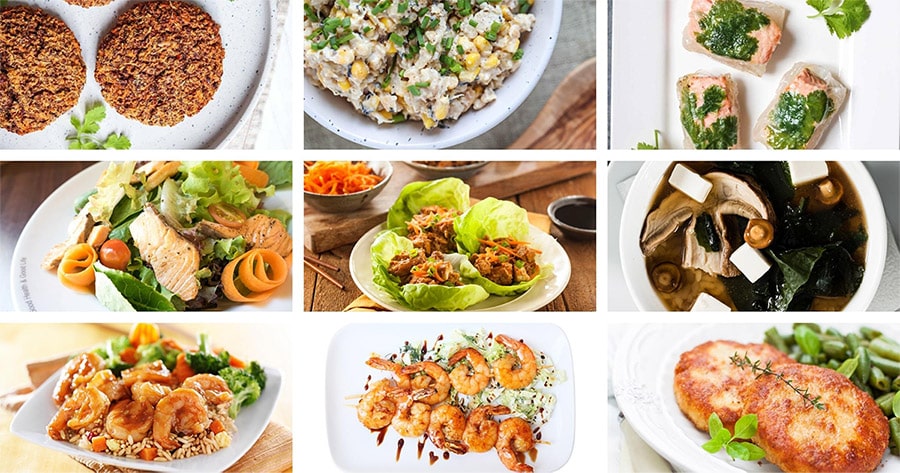
To help patients navigate these dietary requirements without sacrificing culinary variety, nutritional researchers and clinical nutritionists have developed a comprehensive compendium of twelve distinct, hormone-balancing lunch recipes. These formulations are specifically engineered to replace high-glycemic, processed convenience foods with nutrient-dense alternatives rich in omega-3 fatty acids, plant-based proteins, dietary fiber, and healthy fats.
The Biochemical Rationale Behind PCOS-Targeted Nutrition
The physiological mechanism linking midday meals to hormonal regulation centers on glycemic control. When individuals with PCOS consume refined carbohydrates or foods laden with preservatives and trans fats, rapid spikes in blood glucose prompt an overproduction of insulin. Elevated circulating insulin not only promotes fat storage and fatigue but also stimulates the ovaries to produce excess testosterone, worsening clinical manifestations like hirsutism and irregular menstrual cycles.

By prioritizing meals that incorporate low-glycemic complexes, lean proteins, and anti-inflammatory agents, patients can blunt insulin responses. Clinical studies, including randomized trials examining omega-3 supplementation in women with PCOS, have demonstrated significant correlations between targeted fatty acid intake and the reduction of free testosterone levels. Furthermore, integrating probiotic-rich and high-fiber ingredients supports the gut microbiome, which recent gastrointestinal research suggests plays a vital role in systemic inflammation reduction and metabolic regulation.
Curated Midday Meal Formulations for Hormonal Stability
Transitioning away from repetitive dietary habits requires practical, accessible culinary strategies that fit within demanding professional schedules. The following twelve lunch configurations offer diverse flavor profiles while adhering strictly to metabolic health parameters.

1. Salmon Caesar Salad with Mushrooms, Tomato, and Avocado
This nutrient-dense power lunch reimagines the traditional Caesar salad by substituting standard croutons and commercial dressings with fresh vegetables and wild-caught salmon. Commercial Caesar dressings often harbor refined vegetable oils and added sugars that exacerbate inflammation. Crafting a homemade dressing using avocado oil serves as a stable base, while salmon supplies high concentrations of eicosapentaenoic acid (EPA) and docosahexaenoic acid (DHA).
- Methodology: The dressing is emulsified in a food processor using avocado oil, lemon, and garlic. The salmon is seasoned with herbs, salt, and pepper, then wrapped in aluminum foil and cooked at medium-high heat for ten minutes before being flaked over a bed of romaine lettuce, sliced avocado, mushrooms, and tomatoes.
2. Pomegranate, Chickpea, and Broccoli Salad
Designed for optimal portability, this plant-forward dish provides a substantial fiber matrix that slows gastric emptying and sustains energy. Chickpeas offer a stable source of slow-release carbohydrates and plant protein, while broccoli delivers sulforaphane, a compound known for supporting liver detoxification pathways essential for hormone clearance.
- Methodology: Red onions are desalted in cold water, and cumin is lightly toasted in a skillet. A dressing is whisked together using tahini, lemon juice, olive oil, and a small quantity of yogurt. The ingredients are then tossed with pomegranate seeds and steamed broccoli florets.
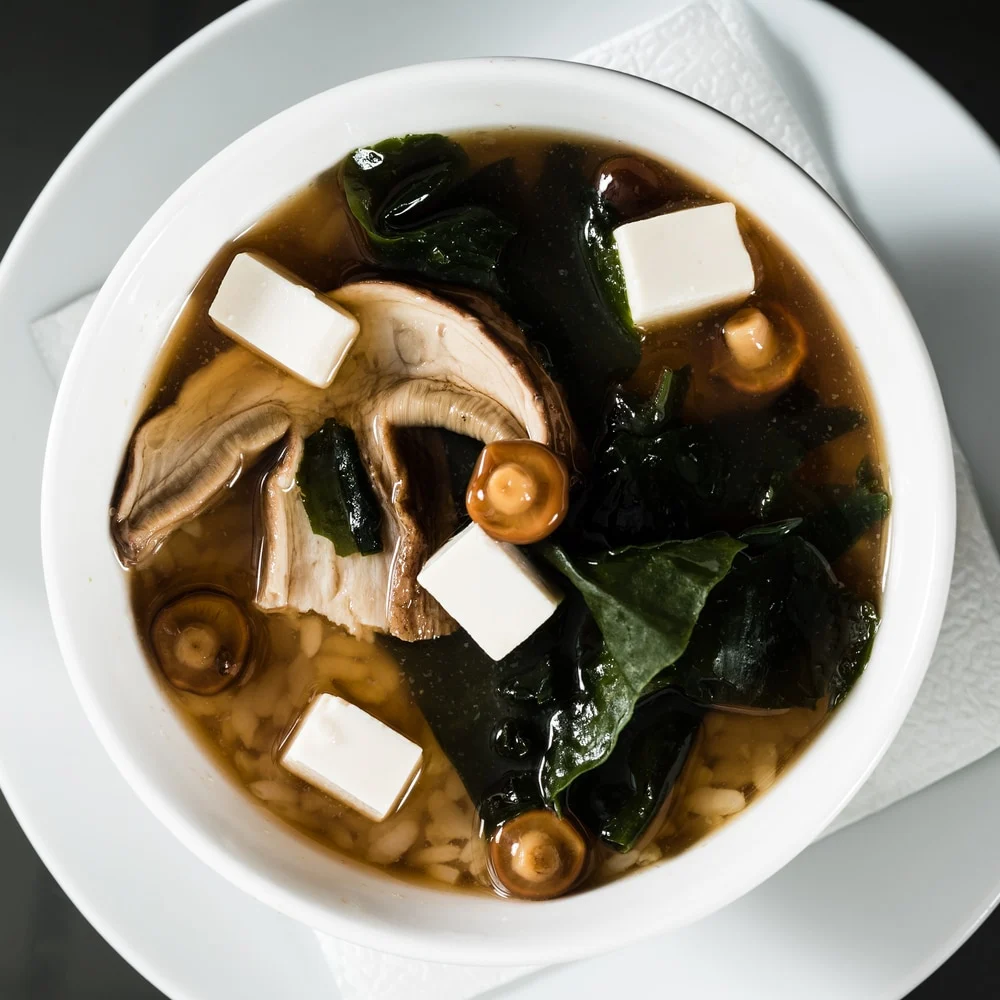
3. Avocado and Brown Rice Salmon Sushi with Miso Soup
Replicating the dining experience of Japanese cuisine at home ensures control over ingredient quality and eliminates hidden additives. Brown rice provides a complex carbohydrate alternative to white sushi rice, preventing sharp glycemic excursions. Paired with a mineral-rich miso soup incorporating sea vegetables like arame and wakame, this meal supports thyroid function and gut integrity.
- Methodology: Rolled in nori sheets over a bamboo mat, the sushi combines sliced raw salmon and avocado with seasoned brown rice. The accompanying miso soup simmers a vegetable broth infused with root vegetables, leeks, and cod, finished off with arame, wakame, and traditional fermented miso paste.
4. Gluten-Free Turkey Burger with Side Salad
For those seeking a savory, traditional comfort food experience, lean turkey patties offer a high-protein profile without the saturated fat load of conventional beef burgers. Served bunless or on a certified gluten-free bun, this meal avoids common inflammatory triggers associated with wheat products.

- Methodology: Ground turkey is mixed with targeted seasonings until firm, shaped into patties, and cooked to an internal temperature of 165 degrees Fahrenheit. The burger is garnished with PCOS-friendly condiments and paired with a fresh green side salad.
5. BLT Gluten-Free Sandwich with Avocado and Tempeh Bacon
Traditional bacon sandwiches are frequently high in sodium nitrates and unhealthy fats. Swapping standard pork bacon for marinated, pan-seared tempeh introduces a fermented soy product rich in probiotics and dietary fiber. The inclusion of healthy fats from avocado and mayonnaise alternatives helps lower the overall glycemic load of the gluten-free bread.
- Methodology: Thin slices of tempeh are marinated in a savory blend, pan-fried in extra virgin olive oil, and layered onto toasted gluten-free bread alongside sliced avocado, greens, and tomatoes.
6. Grilled Chicken Lettuce Wrap with Mixed Greens
Ideal for professionals requiring a portable, low-mess meal during busy workdays, lettuce wraps eliminate heavy grains entirely. Lean chicken breast delivers the necessary amino acid building blocks for neurotransmitter synthesis, maintaining mental clarity through afternoon hours.

- Methodology: Marinated chicken breast is grilled for approximately three minutes per side, then enveloped in crisp butter lettuce leaves alongside fresh vegetables and tzatziki or hummus.
7. Shrimp Fried Rice with Brown Rice and Veggies
Traditional Chinese takeout options often trigger post-meal lethargy due to high sodium and refined carbohydrate contents. A homemade iteration utilizing brown rice, shelled shrimp, and a variety of colorful vegetables provides a balanced macronutrient profile.
- Methodology: Shrimp is lightly coated with cornstarch and seasonings, seared briefly, and removed. Brown rice is stir-fried with green onions, scrambled eggs, peas, and carrots before reincorporating the shrimp with sesame oil and tamari.
8. Baked Salmon with Roasted Sweet Potato
Simplicity often yields superior nutritional adherence. This straightforward preparation highlights the anti-inflammatory properties of wild-caught fish paired with complex carbohydrates derived from sweet potatoes, which offer vitamin A and steady energy release.

- Methodology: Salmon fillets and asparagus are baked at 375 degrees Fahrenheit for fifteen minutes with olive oil, salt, and pepper. Separately, sliced sweet potatoes are tossed in coconut oil and herbs, then roasted at 425 degrees Fahrenheit until tender.
9. Vegan Black Bean Burger with Sweet Potato Fries
Plant-based alternatives provide diverse polyphenol profiles that support metabolic health. Black beans and customized vegetable blends offer dense dietary fiber, which binds to excess circulating hormones and facilitates their excretion via the digestive tract.
- Methodology: Pre-baked black beans are processed with sautéed garlic, onions, and peppers, then formed into patties and baked. Hand-cut sweet potato fries seasoned with sea oil and spices are baked alongside the burgers until crisp.
10. Sweet Potato, Quinoa, and Black Bean Burger
Combining quinoa—a complete protein containing all nine essential amino acids—with nutrient-dense tubers creates a robust vegetarian patty that withstands meal-prep storage effectively.

- Methodology: Cubed sweet potatoes are roasted, mashed with cooked quinoa and rinsed black beans, seasoned, and shaped into patties before a final baking phase at high heat.
11. Salmon Spring Rolls
Rice paper wraps offer a light, delicate alternative to heavier flour tortillas or wheat wrappers, allowing the primary nutritional focus to remain on lean protein and fresh herbs.
- Methodology: Rehydrated rice paper sheets are layered with coriander, fresh salmon, and black pepper, then pan-fried in minimal oil until golden brown and served alongside a clean side salad.
12. Cilantro Lime Shrimp Skewers with Cauliflower Rice
Infusing Latin-inspired flavor profiles into a midday meal revitalizes routine diets. Substituting standard grain rice with grated cauliflower dramatically reduces carbohydrate density while increasing cruciferous vegetable intake.
- Methodology: Marinated shrimp are threaded onto skewers, pan-seared until pink, and served atop cauliflower rice sautéed with olive oil and seasonings.
Clinical Implications and Dietary Integration
The overarching framework of these dietary recommendations aligns with current endocrinological guidelines advocating for individualized, sustainable nutritional therapy in chronic metabolic conditions. By prioritizing whole foods, minimizing processed additives, and maintaining steady protein and fiber ratios, patients can actively participate in the management of their endocrine health.
Health professionals note that consistency in meal planning remains the primary determinant of long-term success. Platforms such as specialized PCOS meal-planning guides and clinical nutritional programs continue to emerge to assist patients in translating these therapeutic concepts into daily routines, ultimately bridging the gap between clinical endocrinology and practical lifestyle execution.
