

Polycystic Ovary Syndrome (PCOS) remains the most prevalent endocrine disorder among women of reproductive age, yet it is frequently characterized by a significant diagnostic delay that impacts long-term health outcomes. Clinical research, including a seminal study published by Gibson-Helm and Teede, indicates that for a substantial portion of the population, the journey to a formal diagnosis can span more than two years and require consultations with at least three different medical professionals. This delay occurs despite the fact that PCOS affects between 8% and 13% of women globally, according to the World Health Organization (WHO). In response to these systemic barriers, the healthcare industry has seen a rise in direct-to-consumer diagnostic tools, such as the Let’s Get Checked PCOS Home Test, which aims to provide a streamlined, preliminary assessment of hormonal health from a domestic setting.
The Diagnostic Landscape and the Rotterdam Criteria
The challenge in identifying PCOS lies in its heterogeneous nature; it is a syndrome of exclusion rather than a condition with a single, definitive biomarker. Since 2003, the medical community has largely relied on the Rotterdam Criteria to standardize the diagnostic process. To receive a formal diagnosis, a patient must present with at least two of the following three clinical features:
- Oligo-ovulation or Anovulation: This is clinically defined as having fewer than eight menstrual cycles per year or experiencing periods of amenorrhea lasting four months or longer.
- Hyperandrogenism: This involves elevated levels of "male" hormones, such as testosterone. It can be identified through biochemical blood testing or clinical observation of symptoms like hirsutism (excessive hair growth on the face, chest, or back), severe acne, or androgenic alopecia (thinning scalp hair).
- Polycystic Ovaries: Identified via transvaginal ultrasound, this criterion involves the presence of 12 or more follicles in each ovary, measuring 2–9 mm in diameter, or increased ovarian volume.
Despite these established guidelines, many patients report that their symptoms are often dismissed or attributed to lifestyle factors, contributing to the aforementioned two-year average delay.
Barriers to Timely Diagnosis: A Chronological Overview
The timeline of a typical PCOS diagnosis often begins in late adolescence or early adulthood when menstrual irregularities first manifest. However, the path to clinical certainty is rarely linear.
Initially, patients often present to primary care physicians with concerns regarding weight gain or irregular cycles. Data suggests that approximately 50% to 70% of women with PCOS remain undiagnosed in primary care settings. The second stage of the journey usually involves a referral to a gynecologist or dermatologist, where specific symptoms like hirsutism or cystic acne are addressed. If fertility issues arise, a third stage involving a reproductive endocrinologist often becomes necessary.

This fragmented approach not only exhausts the patient’s resources but also delays the implementation of preventative measures for the metabolic complications associated with the syndrome. The emergence of at-home testing kits represents a shift toward patient-led triage, allowing individuals to gather biochemical evidence before entering the clinical environment.
The Mechanics of At-Home Hormonal Assessment
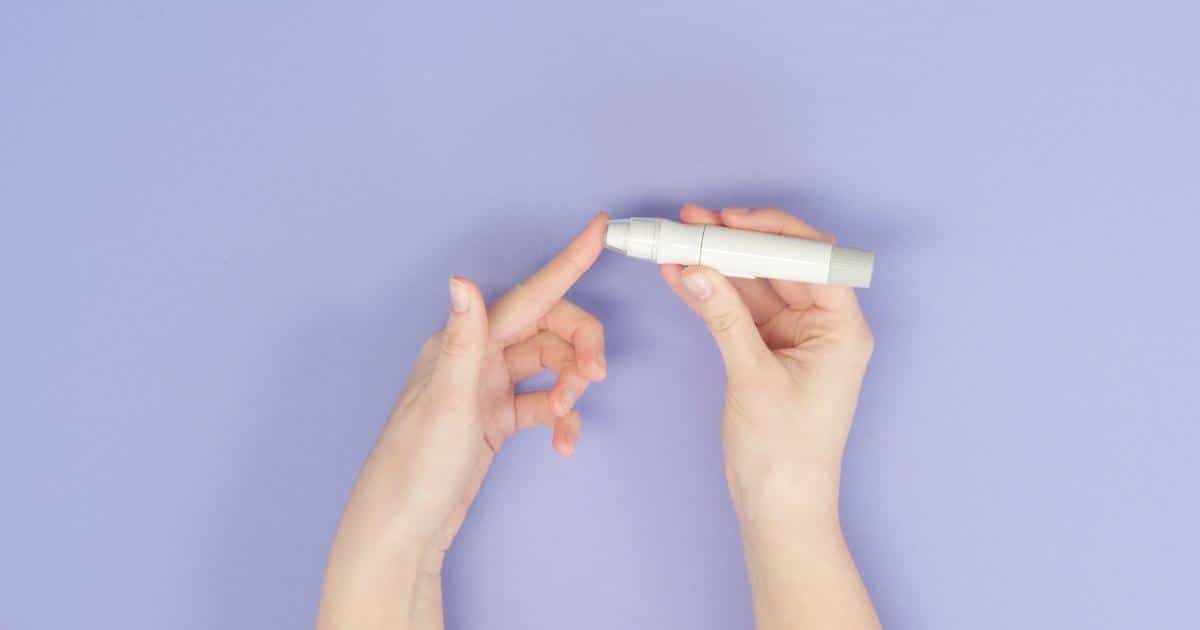
At-home testing kits, such as the one developed by Let’s Get Checked, utilize dried blood spot or liquid blood capillary samples collected via a simple finger prick. These samples are then processed in CLIA-certified and CAP-accredited laboratories, the same facilities utilized by traditional hospitals and clinics.
The PCOS-specific panel typically evaluates a suite of critical hormones, including:
- Testosterone: The primary androgen associated with PCOS symptoms.
- Sex Hormone-Binding Globulin (SHBG): A protein that regulates the amount of free testosterone in the blood.
- Free Androgen Index (FAI): A calculated ratio used to determine the status of abnormal androgen levels.
- Follicle-Stimulating Hormone (FSH) and Luteinizing Hormone (LH): The ratio of these two hormones is often imbalanced in women with PCOS, frequently showing a 2:1 or 3:1 LH to FSH ratio.
- Anti-Mullerian Hormone (AMH): Often elevated in women with polycystic ovaries, serving as a marker for ovarian reserve and follicle activity.
For women with regular cycles, the timing of these tests is paramount, typically required between day three and day five of the menstrual cycle to ensure accurate baseline readings. For those with irregular cycles—a hallmark of the condition—testing can be performed on any consecutive three-day period, with the laboratory experts adjusting their interpretation based on the patient’s reported history.
Comparative Analysis: At-Home Kits vs. Clinical Ultrasound
While blood tests are essential for identifying biochemical hyperandrogenism, they represent only one pillar of the Rotterdam Criteria. Traditional clinical diagnosis often includes a transvaginal ultrasound. Medical professionals use this imaging to visualize the ovaries and fallopian tubes, looking for the characteristic "string of pearls" appearance of follicles.
However, it is a common medical misconception that polycystic ovaries (PCO) and Polycystic Ovary Syndrome (PCOS) are synonymous. Research indicates that up to 20% of the female population may have polycystic ovaries visible on an ultrasound without exhibiting the hormonal imbalances or ovulatory dysfunction required for a PCOS diagnosis. Conversely, a patient can have PCOS without having polycystic ovaries, provided they meet the other two Rotterdam criteria. At-home testing focuses on the hormonal and biochemical markers, which some endocrinologists argue are more indicative of the long-term metabolic risks than imaging alone.
Ruling Out Mimics and Secondary Conditions
A critical component of a professional PCOS diagnosis is the exclusion of other endocrine disorders that present with similar symptoms. Before a "probable" diagnosis from an at-home kit can be finalized, clinicians must rule out several conditions:
- Cushing’s Syndrome: Caused by excess cortisol.
- Congenital Adrenal Hyperplasia: A genetic disorder affecting the adrenal glands.
- Thyroid Dysfunction: Specifically hypothyroidism, which can cause menstrual irregularities and weight gain.
- Hyperprolactinemia: Elevated prolactin levels that can halt ovulation.
Medical experts emphasize that while at-home kits provide a vital starting point and "invaluable insight," they should be viewed as a tool for empowerment rather than a replacement for a comprehensive medical evaluation that includes a review of family history and physical examinations.
The Broader Impact: Metabolic and Mental Health Implications
The importance of accelerating the diagnostic timeline extends far beyond managing cosmetic symptoms or cycle regularity. PCOS is a systemic metabolic disorder with profound long-term implications. Women with the condition are at a significantly higher risk for:

- Type 2 Diabetes: Over 50% of women with PCOS develop type 2 diabetes by age 40 due to underlying insulin resistance.
- Cardiovascular Disease: Elevated androgens and insulin resistance contribute to hypertension and high cholesterol.
- Endometrial Cancer: Infrequent ovulation leads to the overgrowth of the uterine lining, increasing cancer risk.
- Mental Health Challenges: Studies show that women with PCOS are three times more likely to suffer from anxiety and depression compared to those without the disorder.
By providing a "probable diagnosis" early through accessible testing, healthcare providers can initiate early interventions, such as metformin for insulin sensitizing, hormonal contraceptives for cycle regulation, or targeted nutritional therapy.
Economic Considerations and Healthcare Accessibility
The cost of a traditional diagnostic workup for PCOS can be prohibitive, especially for those without comprehensive insurance coverage. Multiple specialist co-pays, the cost of ultrasound imaging, and laboratory fees can easily exceed several hundred dollars. In contrast, at-home kits like the Let’s Get Checked test are positioned as a cost-effective alternative, often priced around $119 (with various discounts available through patient advocacy groups).
This democratization of testing is particularly relevant in the United States and the United Kingdom, where wait times for specialist referrals can be lengthy. By arriving at a doctor’s office with lab results already in hand, patients can effectively "skip the queue" and move directly to the management phase of their care.

Conclusion and Future Outlook
The integration of at-home testing into the diagnostic pathway for PCOS represents a significant evolution in women’s healthcare. While it does not replace the need for clinical oversight, it addresses the "unthinkable" two-year wait that has plagued patients for decades. As laboratory technology continues to advance and the medical community moves toward a more patient-centric model, the use of at-home hormonal panels is likely to become a standard first step in investigating reproductive health concerns. For the millions of women currently navigating the complexities of PCOS, these tools offer more than just data; they offer a faster route to answers, validation, and necessary medical support.
