
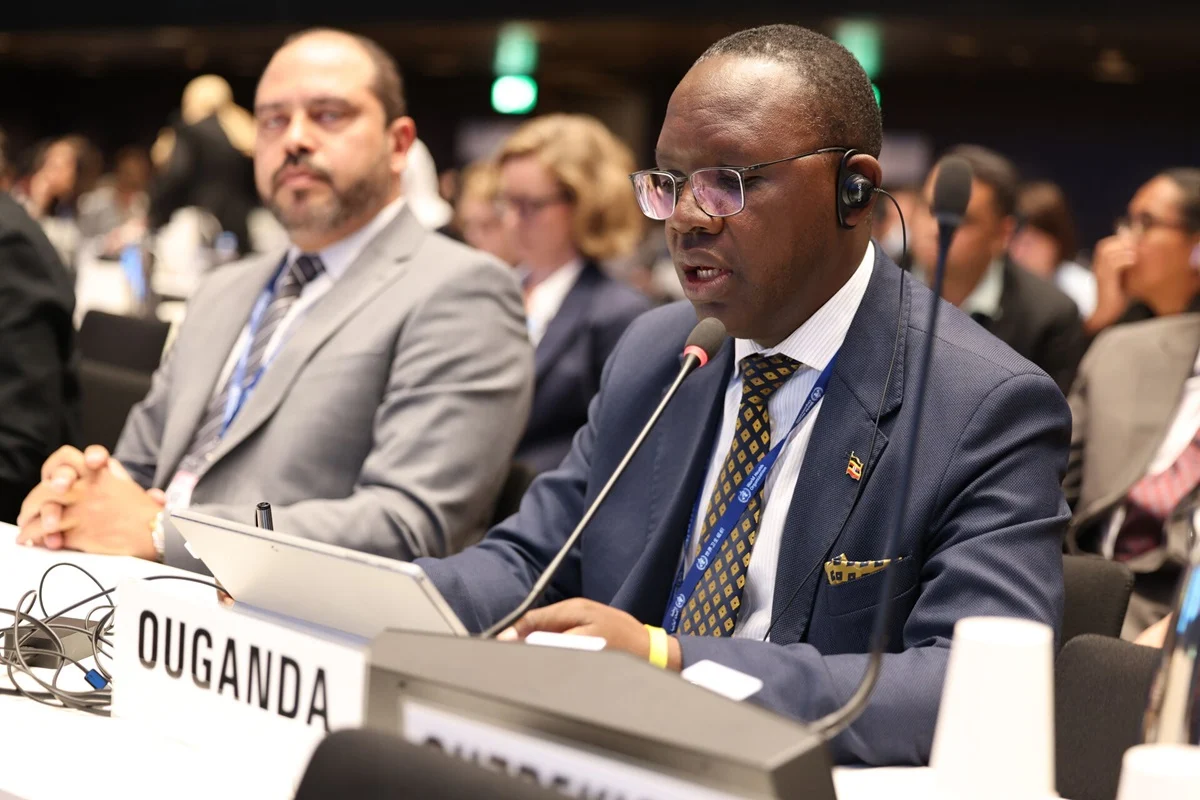
The 79th World Health Assembly convened in Geneva with a clear mandate to reform the international health architecture, as Member States engaged in high-level discussions under the overarching theme of Reshaping global health: a shared responsibility. Director-General Dr. Tedros Adhanom Ghebreyesus opened the proceedings by presenting a comprehensive report on the World Health Organization’s (WHO) activities over the past year, emphasizing that the lessons learned from the COVID-19 pandemic must now be codified into binding international law. The assembly’s primary focus centered on the ongoing negotiations for the WHO Pandemic Agreement, specifically the contentious but critical Pathogen Access and Benefit Sharing (PABS) system, as well as the 10th anniversary of the WHO Health Emergencies Programme.
The decision to extend negotiations on the PABS Annex represents a pivotal moment in global health governance. Member States reached a consensus to continue the drafting and negotiation process under the Intergovernmental Working Group (IGWG), prioritizing Article 12 of the Pandemic Agreement. This framework is designed to ensure that when new pathogens with pandemic potential are identified, their genetic sequences and physical samples are shared rapidly with the global scientific community. In exchange, the system mandates an equitable sharing of the benefits derived from that access, such as vaccines, diagnostics, and therapeutics. While the goal of a more equitable response remains universal, the technical and political complexities of the PABS Annex have necessitated a revised timeline, with the outcome now slated for consideration by the 80th World Health Assembly in May 2027, or potentially a dedicated special session in late 2026.
The Strategic Importance of the PABS Framework
The PABS system is widely regarded as the "engine room" of the proposed Pandemic Agreement. Without a functional mechanism for sharing pathogens and their benefits, global health experts warn that the world remains vulnerable to the same "vaccine nationalism" and supply chain inequities that characterized the early years of the COVID-19 response. The IGWG is tasked with resolving deep-seated disagreements between Member States regarding the percentage of production that manufacturers must set aside for global distribution during emergencies and the legal obligations of private sector entities that utilize public pathogen data.
The decision to resume negotiations at the seventh meeting of the IGWG, scheduled for July 6–17, 2026, underscores the urgency felt by the Secretariat. The adoption of this Annex is a legal prerequisite for the opening of the WHO Pandemic Agreement for signature. By extending the deadline, Member States are seeking a balance between the speed of adoption and the substance of the equity provisions, ensuring that the final document is both robust and enforceable.
Committee A: Addressing Health Emergencies and Regional Conflicts
Parallel to the treaty negotiations, Committee A focused on the immediate operational challenges of the WHO Health Emergencies Programme. Delegates reviewed the implementation of the International Health Regulations (IHR 2005), which serve as the primary legal framework for detecting and responding to acute public health risks. The Independent Oversight and Advisory Committee (IOAC) for the WHO Health Emergencies Programme submitted a report highlighting both the progress made in surveillance capabilities and the persistent gaps in national-level preparedness.
A significant portion of the session was dedicated to the health impacts of ongoing conflicts, particularly in the Middle East. The assembly took formal note of the WHO’s work in health emergencies within conflict zones, where the destruction of infrastructure and the displacement of populations have created fertile ground for disease outbreaks. A draft decision regarding the health emergency in Lebanon was adopted, calling for increased international support to stabilize the country’s healthcare system, which has been strained by both economic instability and regional volatility. The discussions emphasized the sanctity of healthcare, with delegates calling for the absolute protection of health workers and facilities, which are increasingly under threat in modern warfare.
A Decade of the WHO Health Emergencies Programme: Reflections and Evolution
On the sidelines of the main assembly, a strategic roundtable titled "From COVID-19 to Action" marked the tenth anniversary of the WHO Health Emergencies Programme (WHE). Established in 2016 in the wake of the West African Ebola outbreak, the WHE was created to provide the WHO with operational capabilities that go beyond its traditional normative and technical roles.
Dr. Chikwe Ihekweazu, Executive Director of the WHE, opened the session by reflecting on how the programme has been "forged in fire." From the 2018 Ebola outbreak in the Democratic Republic of the Congo to the global upheaval of COVID-19, the WHE has evolved from a nascent emergency response unit into a global coordinator of epidemic intelligence and logistics. Dr. Tedros described the COVID-19 pandemic as the "ultimate stress test," noting that while the pandemic exposed devastating weaknesses in global trust and equity, it also acted as a catalyst for unprecedented scientific innovation.
Dr. Mike Ryan, the former Executive Director of the WHE, provided a historical perspective, arguing that global health systems have historically been reactive. He noted that the transition from the post-SARS era to the post-COVID era must be defined by a shift toward "proactive adaptation." According to Dr. Ryan, the international community cannot afford to wait for the next crisis to build the systems required to contain it.
Technological Transformation and the Funding Gap
The roundtable also featured insights from global experts on the future of epidemic intelligence. Professor Johanna Hanefeld of the Robert Koch Institute highlighted the role of advanced analytics and artificial intelligence in modern surveillance. She argued that while AI can process vast amounts of data to identify potential outbreaks, these tools are only effective if they are integrated into strong national health systems and supported by public trust. The "human in the loop" remains essential for interpreting data and making localized public health decisions.
However, technological advancement is hampered by financial instability. Dr. Daniela Garone of Médecins Sans Frontières (MSF) issued a stark warning regarding the current model of emergency financing. She noted that reliance on reactive, ad hoc funding limits the ability of the WHO and its partners to maintain a state of "warm readiness." Without sustainable and flexible financing, the infrastructure built during COVID-19—such as expanded laboratory networks and oxygen supply systems—risks falling into disrepair.
Dr. John-Arne Røttingen of the Wellcome Trust expanded on this by advocating for an "end-to-end" approach to medical countermeasures. This involves ensuring that the entire pipeline, from basic research to manufacturing and last-mile delivery, is designed with equity in mind. He emphasized that scientific breakthroughs are of limited value if they do not translate into real-world impact for the most vulnerable populations.
Country Perspectives: Ethiopia and the Central African Republic
The practical application of these global strategies was illustrated through the experiences of individual Member States. Dr. Mekdes Daba Feyssa, Ethiopia’s Minister of Health, detailed how the investments made during the COVID-19 pandemic have had a multiplier effect on the country’s overall health system. Ethiopia’s expanded laboratory capacity and improved workforce training are now being utilized to manage endemic diseases and respond to localized outbreaks more effectively.
In the Central African Republic, Minister Dr. Pierre Somsé highlighted the Universal Health and Preparedness Review (UHPR) as a transformative tool. The UHPR is a peer-review mechanism where countries voluntarily share their preparedness levels and challenges. Dr. Somsé noted that this integrated approach aligns technical expertise with political will and community action, ensuring that preparedness is not just a top-down mandate but a locally owned priority.
Implications for the Future of Global Health
The 79th World Health Assembly has made it clear that the "reshaping of global health" is no longer an abstract concept but a legal and operational necessity. The extension of the PABS negotiations indicates that Member States are unwilling to accept a "halfway" agreement that does not address the core issue of equity. However, the clock is ticking; the longer the negotiations continue, the greater the risk that the political momentum generated by the COVID-19 pandemic will dissipate.
The transition from a reactive to a proactive global health security regime requires three fundamental shifts:
- Legal Accountability: Finalizing the Pandemic Agreement and the PABS Annex to create binding obligations for pathogen and benefit sharing.
- Sustained Investment: Moving away from "panic and neglect" funding cycles toward a model of continuous investment in preparedness.
- Equitable Access: Ensuring that the fruits of scientific innovation are distributed based on public health need rather than purchasing power.
As the Secretariat and Member States prepare for the upcoming IGWG meetings in July 2026, the focus remains on closing the gaps that COVID-19 so painfully exposed. The 79th WHA has laid the groundwork, but the true measure of success will be the finalization of a Pandemic Agreement that ensures no country is left behind when the next global health threat emerges. The "shared responsibility" of Member States is now to turn these high-level discussions into a functional reality that protects the health of all people, everywhere.
