
Polycystic Ovary Syndrome (PCOS), a complex endocrine disorder affecting approximately 8% to 13% of reproductive-aged women worldwide, has long been a focal point for metabolic research due to its profound impact on insulin sensitivity and hormonal balance. Recent clinical observations and dietary studies have increasingly pointed toward the ketogenic diet—a high-fat, moderate-protein, and very-low-carbohydrate nutritional protocol—as a potent intervention for managing the syndrome’s multifaceted symptoms. While the diet, which includes variations such as the Atkins Diet and Low Carb High Fat (LCHF) models, has existed for decades, its application as a primary therapeutic tool for PCOS is gaining traction among endocrinologists and nutritional scientists. The fundamental objective of the ketogenic approach is to recalibrate the body’s metabolic machinery, shifting from glucose-based energy production to the utilization of ketone bodies derived from fat.
The Metabolic Framework: Understanding Insulin and PCOS
To comprehend the efficacy of the ketogenic diet in treating PCOS, one must first examine the physiological interplay between insulin and ovarian function. A significant majority of women diagnosed with PCOS—estimated at up to 70%—exhibit some degree of insulin resistance. In this state, the body’s cells become less responsive to insulin, prompting the pancreas to overproduce the hormone to maintain stable blood glucose levels. This resulting hyperinsulinemia acts as a catalyst for ovarian dysfunction. High levels of circulating insulin stimulate the ovaries to produce excessive amounts of androgens, specifically testosterone. This hormonal surge is responsible for the hallmark symptoms of the condition, including hirsutism, cystic acne, and irregular menstrual cycles.
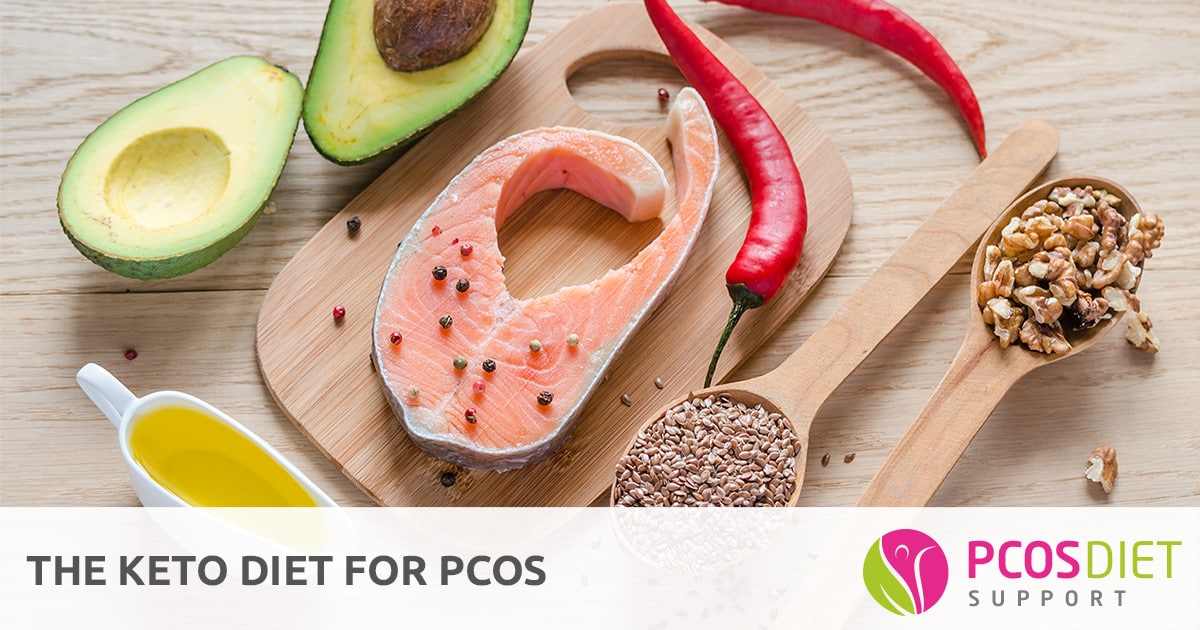
The ketogenic diet addresses this root cause by drastically reducing the dietary intake of carbohydrates, typically limiting them to between 20 and 50 grams per day. By minimizing the influx of glucose, the body’s requirement for insulin drops precipitously. Medical experts often use the "refrigerator and freezer" analogy to describe this metabolic shift: glucose represents the easily accessible energy stored in the "kitchen refrigerator," while fat stores represent the "basement freezer." In a high-carbohydrate lifestyle, the refrigerator is constantly replenished, leaving the freezer untouched. The ketogenic state effectively empties the refrigerator, forcing the body to access its long-term fat stores for fuel.
Historical Context and the Evolution of Dietary Management
The use of ketogenic protocols is not a modern phenomenon. Originally developed in the 1920s to treat pediatric epilepsy, the diet fell out of mainstream favor with the advent of anticonvulsant medications, only to resurface in the late 20th century as a weight-loss tool. For women with PCOS, the transition from general low-calorie diets to specific carbohydrate-restricted diets represents a shift toward "food as medicine."
Historically, PCOS management focused primarily on symptom suppression through oral contraceptives or metformin. However, the early 2000s marked a turning point as researchers began investigating the specific impact of LCHF diets on the PCOS hormone profile. A seminal study conducted in 2005 followed a group of women with PCOS over a six-month period as they adhered to a ketogenic protocol. The results were statistically significant: participants experienced a 12% reduction in total body weight, a 22% decrease in free testosterone levels, and a 54% reduction in fasting insulin. Furthermore, two women in the study, who had previously struggled with infertility, achieved pregnancy despite the short duration of the trial.

Clinical Benefits and Physiological Outcomes
The benefits of the ketogenic diet for PCOS extend beyond simple weight reduction. Clinical data suggests that the diet facilitates a comprehensive "hormonal reset."
1. Satiety and Appetite Regulation
One of the primary challenges in PCOS management is the prevalence of "carb cravings" driven by erratic insulin spikes. When insulin levels fluctuate rapidly, they trigger a cycle of hunger and sugar seeking. By stabilizing blood sugar, the ketogenic diet eliminates these "crashes." Furthermore, high-fat intake stimulates the production of cholecystokinin (CCK) and suppresses ghrelin (the hunger hormone), allowing patients to feel fuller for longer periods.
2. Cardiovascular Health and Lipid Profiles
Women with PCOS face a heightened risk of cardiovascular disease, often characterized by low levels of high-density lipoprotein (HDL) and elevated triglycerides. Contrary to early medical fears that high-fat diets would damage heart health, recent research indicates that a ketogenic diet rich in healthy fats can actually improve lipid profiles. By increasing "good" HDL cholesterol and reducing systemic inflammation, the diet may mitigate long-term cardiovascular risks associated with the syndrome.

3. Dermatological Improvements
The reduction of hyperinsulinemia has a direct impact on the skin. High insulin levels decrease the production of Insulin-like Growth Factor Binding Protein-1 (IGF-1 BP). When this binding protein is low, levels of free IGF-1 rise, which is a known driver of sebum production and acne. By lowering insulin, the ketogenic diet boosts binding proteins, subsequently clearing acne and improving skin texture.
Challenges, Contraindications, and the "Keto Flu"
Despite the documented benefits, medical professionals emphasize that the ketogenic diet is not a universal solution and carries specific challenges. The most immediate hurdle is the "Keto Flu," a collection of symptoms—including headaches, nausea, fatigue, and irritability—that occur as the body adapts to fat metabolism. This transition phase usually lasts between three to seven days and is often the point where many patients abandon the protocol.
Furthermore, the diet’s restrictive nature makes long-term sustainability difficult. The elimination of entire food groups, including most fruits, starchy vegetables, and grains, can lead to social isolation and nutritional deficiencies if not carefully managed. Constipation is a frequently reported side effect, resulting from a decrease in dietary fiber. To counter this, practitioners recommend a high intake of non-starchy, leafy green vegetables to maintain digestive health.

A critical contraindication exists for women with comorbid thyroid conditions, such as hypothyroidism or Hashimoto’s thyroiditis, which are statistically more common in the PCOS population. Because insulin is required for the conversion of the thyroid hormone T4 into its active form, T3, an extreme reduction in insulin can potentially exacerbate thyroid sluggishness. In such cases, a more moderate carbohydrate approach—limiting intake to approximately 100 grams per day—is often preferred over strict ketosis.
Chronology of a Typical Ketogenic Transition
For those seeking to implement this dietary change, a structured timeline is essential for success.
- Phase 1: The Preparation (Days 1-7): This involves the gradual elimination of processed sugars and refined grains. Many experts suggest a "21-day reset" rather than an overnight transition to minimize metabolic shock.
- Phase 2: The Induction (Days 8-14): Carbohydrates are restricted to under 50 grams. This is the period where the "Keto Flu" is most likely to manifest. Hydration and electrolyte replenishment (sodium, magnesium, and potassium) are vital during this window.
- Phase 3: Fat Adaptation (Weeks 3-6): The body becomes proficient at burning ketones. Patients typically report a surge in mental clarity, stabilized energy levels, and a significant reduction in Premenstrual Syndrome (PMS) symptoms.
- Phase 4: Maintenance (Month 3 and Beyond): The focus shifts to sustainability. Some women may choose to implement "carb cycling" or transition back to a broader LCHF diet once their metabolic goals are reached.
Analysis of Implications for the Medical Community
The rising popularity of the ketogenic diet for PCOS reflects a broader shift in the medical community toward metabolic-based psychiatry and endocrinology. Rather than treating PCOS as a purely reproductive issue, clinicians are increasingly viewing it as a metabolic disorder with reproductive consequences.

However, the consensus among nutritionists is that the diet should be viewed as a "therapeutic tool" rather than a permanent requirement for all. For many women, a less restrictive Low-Glycemic (Low-GI) diet that is dairy-free and gluten-free may provide sufficient symptom control without the rigors of ketosis. The decision to "go keto" should be based on an individual’s degree of insulin resistance and their specific health goals, such as overcoming a weight-loss plateau or addressing severe infertility.
Conclusion and Future Outlook
The ketogenic diet represents a powerful, evidence-based intervention for women struggling with the metabolic and hormonal burdens of PCOS. By targeting the underlying mechanism of insulin resistance, it offers a path toward weight loss, hormonal clarity, and improved quality of life. Nevertheless, the diet’s success is contingent upon high-quality food choices—prioritizing nutrient-dense fats and proteins over processed "keto-friendly" snacks—and a realistic assessment of long-term sustainability. As research continues to evolve, the integration of ketogenic principles with personalized medical care remains a promising frontier in the management of one of the world’s most prevalent women’s health conditions. For the thousands of women navigating the complexities of PCOS, the diet offers not just a method for weight loss, but a potential blueprint for metabolic freedom.
