
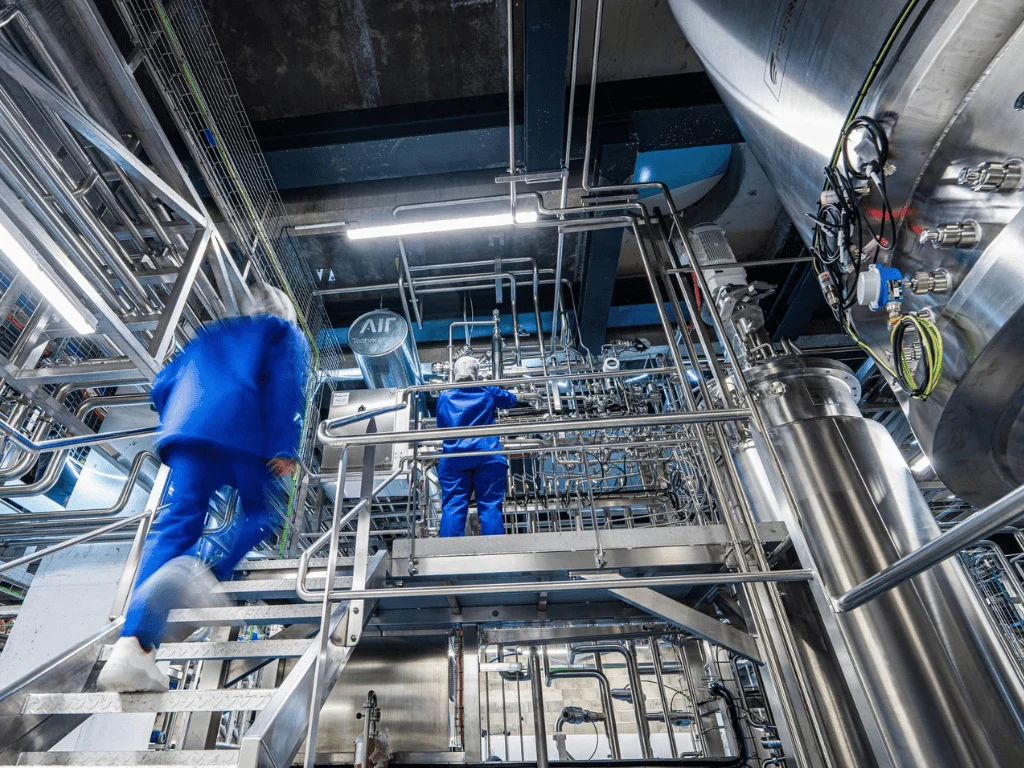
Two years after its initial announcement, the France-based Biotech Open Platform has officially inaugurated its advanced, industrial-scale fermentation facility in Clermont-Ferrand. Established with an initial funding pool exceeding €20 million, the collaborative initiative aims to help innovative biotechnology companies successfully navigate the notoriously difficult "valley of death"—the precarious transitional phase that separates laboratory-scale scientific breakthroughs from profitable commercial production.
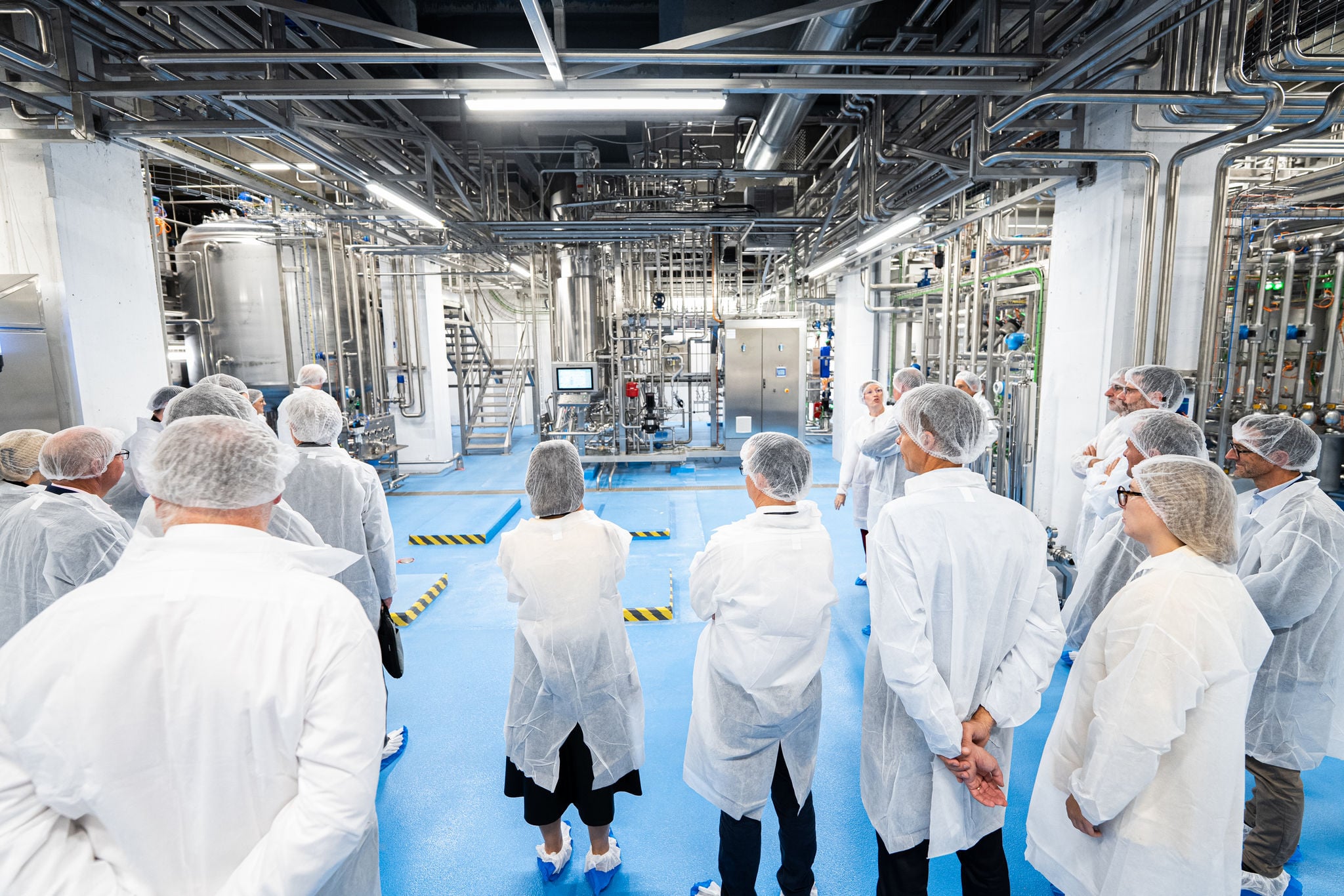
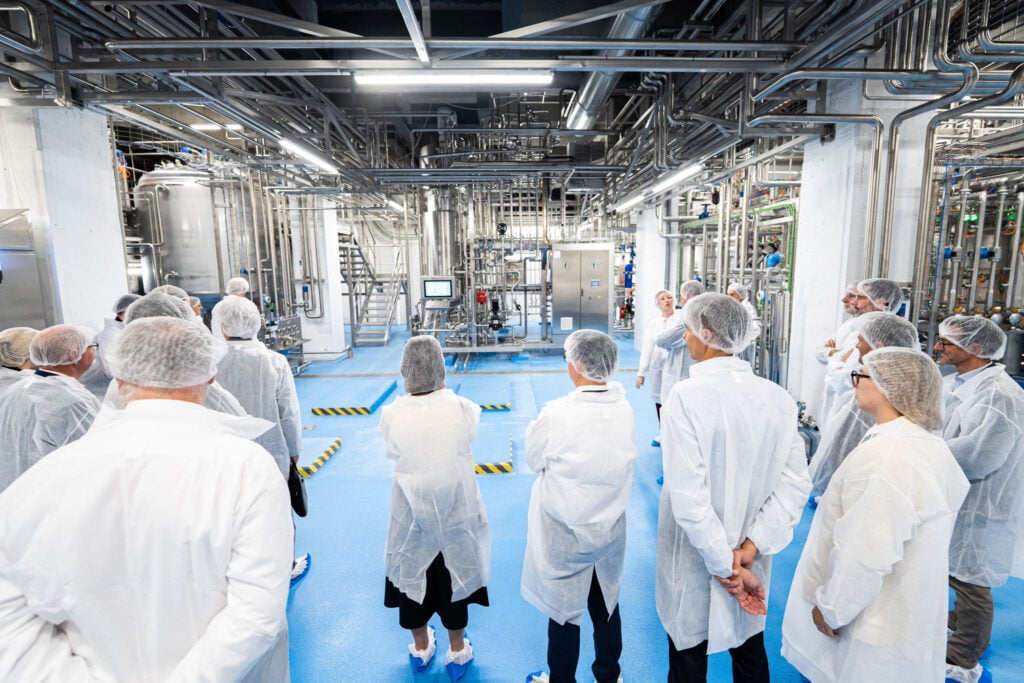
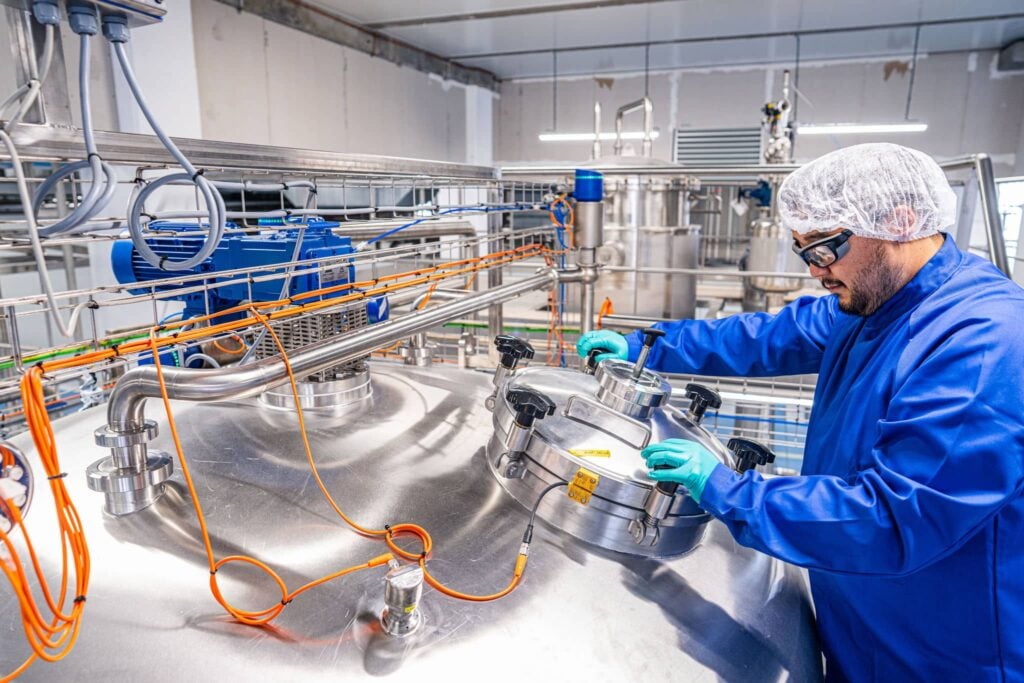
Spanning 5,000 square meters within the Michelin Innovation Park Cataroux’s Sustainable Materials Center, the newly operational facility features a robust fermentation capacity of 15 cubic meters. Backed by a diverse coalition of heavyweights across the food, agricultural, technology, and industrial sectors, the platform offers integrated fermentation, semi-industrial purification, and comprehensive bioprocess development capabilities. By providing crucial infrastructure and technical know-how, the initiative seeks to bolster Europe’s sovereign manufacturing capabilities, reduce reliance on petrochemicals, and accelerate the commercialization of bio-based materials, proteins, and ingredients.
A Powerful Cross-Industry Coalition and Strategic Chronology
The genesis of the Biotech Open Platform traces back to a shared recognition among prominent French and international enterprises regarding Europe’s critical shortage of biomanufacturing infrastructure. The platform was formally incorporated through a multi-sector partnership involving dairy giant Danone, global tire manufacturer Michelin, regional investment bank Crédit Agricole, tech transfer specialist Clermont Auvergne Innovation, biotech pioneer Greentech, and US-based biomanufacturer DMC Biotechnologies.
These founding partners collectively injected more than €20 million into the initial phase of development. Furthermore, the project has garnered substantial financial backing from public entities, including the European Union via the European Regional Development Fund (managed through the Auvergne-Rhône-Alpes Region), as well as Clermont Auvergne Métropole.
Following its initial conceptualization and announcement two years ago, the consortium focused on developing a state-of-the-art infrastructure designed to host startups, established industrial firms, and research and development organizations. The inauguration of the 5,000-square-meter facility marks the transition from planning to execution, with the site already welcoming its first cohort of advanced fermentation projects.
Overcoming the "Valley of Death" in Advanced Biomanufacturing
At its core, the Biotech Open Platform is engineered to solve a fundamental logistical hurdle in industrial biotechnology: scaling up complex biological processes without losing efficiency, purity, or economic viability.
While academic laboratories and startup incubators frequently produce promising molecules at a scale of several grams, translating those processes to industrial volumes—often moving from 10 grams to one metric ton—introduces immense technical challenges. These include shifts in oxygen transfer, heat dissipation, sterilization control, and downstream purification yields.
Khadidja Romari, CEO of the Biotech Open Platform, emphasized that physical equipment alone is insufficient to guarantee commercial success.
"Scale-up requires experience, technical know-how, and the ability to solve the issues that appear as the process moves from one scale to another," Romari explained. She further highlighted that intellectual property protection and strict confidentiality are paramount, noting that the platform’s dedicated operational teams are structured to safeguard proprietary data while helping companies accelerate their path toward commercialization.
The facility’s integrated architecture allows client companies to validate their bioprocesses under conditions genuinely representative of full-scale industrial production. This capability provides sufficient volumes for downstream application testing, regulatory validation trials, and early-stage market sampling.
White Biotechnology and the Pivot Away From Petrochemicals
The facility’s operations center heavily on "white biotechnology"—the application of biotechnology to industrial processes, encompassing the chemical, material, agricultural, and food sectors. Advanced fermentation, which includes precision fermentation as a primary methodology, utilizes genetically tailored or naturally occurring microorganisms as biological micro-factories. These microbes can synthesize high-value molecules such as functional proteins, specialized enzymes, cosmetic actives, bio-based materials, and complex food ingredients from renewable feedstocks rather than fossil fuels.
Florent Menegaux, chairman of the Michelin Group, underscored the strategic significance of the platform for traditional industrial players seeking sustainable transformations.
"Biotechnology will play a major role in the sustainable transformation of many sectors. By providing companies with an open infrastructure and leading expertise, we want to accelerate the transition from research to industry," Menegaux stated. He added that for Michelin, the platform serves as a vital tool to explore bio-based alternatives to molecules traditionally derived from petrochemicals, thereby reinforcing broader corporate sustainability mandates.
For Danone, involvement in the platform aligns with its extensive history and expertise in microbial fermentation. The multinational food conglomerate manages one of the world’s largest libraries of fermented strains, encompassing approximately 4,000 identified strains. Furthermore, Danone holds the distinction of being the sole major dairy enterprise aligned with the Global Methane Pledge, which targets a 30% reduction in methane emissions by the end of the decade. The corporation has also established a venture portfolio in the space, having previously backed precision fermentation startups such as Israel’s Imagindairy and France’s Standing Ovation, which specialize in producing animal-free whey and casein proteins, respectively.
Antoine de Saint-Affrique, CEO of Danone, noted that the collaborative infrastructure directly addresses structural gaps in the region’s innovation ecosystem.
"We are strengthening a critical link in Europe’s biotechnology ecosystem by accelerating the industrial scale-up of laboratory innovations," Saint-Affrique remarked. "Biotech Open Platform demonstrates the value of shared infrastructure and long-term partnerships in enhancing European competitiveness."
Broader Implications for European Industrial Sovereignty
The launch of the Biotech Open Platform arrives at a critical juncture for European economic and industrial policy. Policymakers and industry analysts have grown increasingly vocal about Europe’s tendency to excel in early-stage scientific research while losing promising homegrown startups to foreign markets due to a domestic deficit in scale-up infrastructure—a systemic vulnerability often referred to as the "second valley of death."
This deficiency was formally acknowledged in recent strategic frameworks released by the European Commission, which outlines comprehensive strategies for food research and innovation. The European strategy emphasizes that building a competitive, resilient agrifood and bio-based system requires immediate investment in industrial-scale fermentation plants. Without such facilities, European companies frequently face exorbitant costs to lease foreign manufacturing capacity or are forced to relocate production entirely outside the European Union.
By establishing a centralized, open-access facility equipped with dedicated staff and rigorous IP protocols, the Biotech Open Platform directly addresses these systemic constraints. The initiative enables regional companies to retain ownership of their intellectual property while utilizing shared, cost-effective industrial assets.
Outlook and Future Trajectory
As the Biotech Open Platform welcomes its inaugural slate of commercial projects, its success will likely serve as a blueprint for future public-private partnerships across the European Union. The integration of diverse industrial actors—ranging from automotive and tire manufacturing to dairy production and agricultural biotechnology—demonstrates that the transition toward a bio-based economy requires cross-sector convergence.
By successfully bridging the chasm between laboratory discovery and industrial production, the platform not only mitigates financial and operational risks for individual innovators but also strengthens Europe’s long-term industrial autonomy. As demand for sustainable alternatives to petrochemicals and conventional animal proteins continues to accelerate, centralized scale-up hubs like the one in Clermont-Ferrand will play an indispensable role in shaping the future of global manufacturing.
