

Protein Industries Canada has invested in a new project to upcycle beer industry waste into high-value ingredients, including sustainable proteins, fibres, and cocoa extenders.
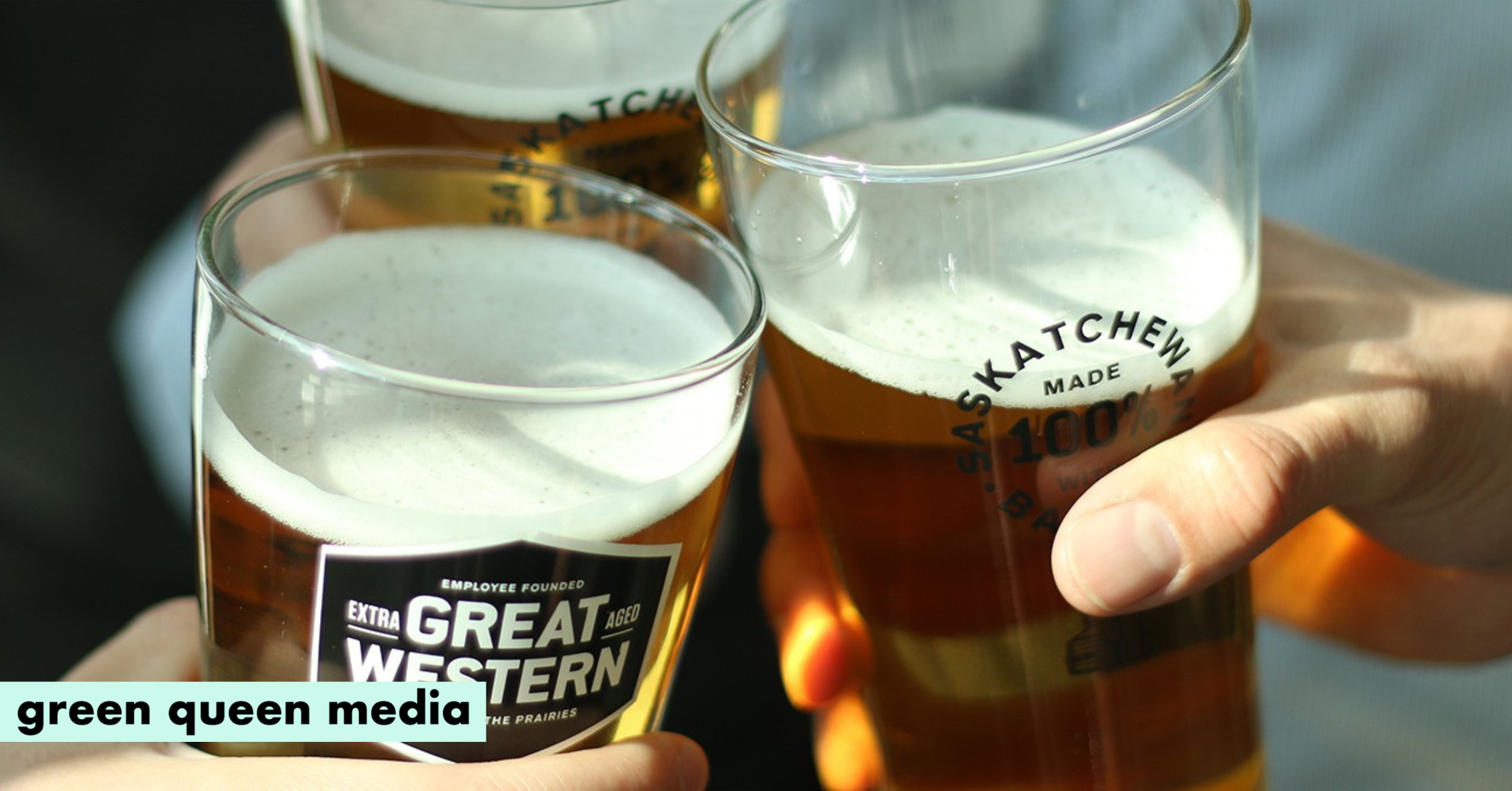
The global food system stands at a critical juncture, facing mounting pressures from population growth, climate change, and resource depletion. In this challenging landscape, innovative solutions are emerging from unexpected sources, with the brewing industry’s byproduct, brewers’ spent grain (BSG), now at the forefront of a significant sustainability push in Canada. Protein Industries Canada, a federal government-backed innovation cluster, has announced a substantial investment in a groundbreaking project aimed at transforming BSG into a suite of high-value, low-carbon ingredients, including sustainable proteins, functional fibres, and cocoa alternatives. This initiative, spearheaded by Terra Bioindustries in collaboration with Great Western Brewing Company, represents a pivotal step towards a more circular economy within Canada’s food and beverage sectors.
The project, valued at C$1.1 million, signifies a concerted effort to extract maximum value from agricultural co-products. Protein Industries Canada has committed C$486,000 (approximately $350,000 USD) to this endeavor, with the remaining funding provided by industry partners. The core objective is to leverage Terra Bioindustries’ proprietary technology to convert BSG into a range of ingredients, including plant-based proteins, dietary fibres, cocoa extenders, and sweeteners.
Tyler Groeneveld, CEO of Protein Industries Canada, underscored the strategic importance of this project. "This project is a strong example of how Canada can make more food here, creating more value from the crops and co-products we already produce," Groeneveld stated. He emphasized that transforming BSG into these valuable ingredients would not only bolster the domestic supply chain but also foster new economic opportunities within Canada. "That is exactly the kind of innovation that will grow Canada’s food production capacity, while creating new economic opportunities here at home," he added, highlighting the dual benefits of economic growth and enhanced food security.
The Untapped Potential of Brewers’ Spent Grain
Brewers’ spent grain (BSG) is the primary solid residue left after the mashing and lautering processes in beer production. It primarily consists of malted barley, with smaller amounts of other grains depending on the beer style. Globally, the brewing industry generates an estimated 36.4 million tonnes of BSG annually, with 85% of the waste stream from beer production attributed to this byproduct. Historically, the utilization of BSG has been limited, with approximately 70% currently repurposed as animal feed. Other common applications include biofuel production and composting. However, a significant portion of this nutrient-rich material still finds its way to landfills, where its decomposition contributes to the release of potent greenhouse gases like methane and carbon dioxide, exacerbating environmental concerns.
The potential environmental and economic benefits of diverting BSG from landfills and transforming it into higher-value products are substantial. By upcycling this waste stream, the project aims to achieve several critical objectives:
- Reduce Greenhouse Gas Emissions: Diverting BSG from landfills mitigates methane emissions. Furthermore, using BSG as a feedstock for ingredient production can displace the need for virgin resources, further lowering the carbon footprint of food manufacturing.
- Combat Food Waste: Transforming a significant byproduct into edible ingredients directly addresses the global challenge of food waste.
- Enhance Food Security: By creating new sources of plant-based proteins and fibres, the project contributes to a more diversified and resilient food supply, potentially easing pressure on traditional agricultural resources.
- Improve Nutrition Security: The high protein and fibre content of BSG-derived ingredients can enhance the nutritional profile of various food products, contributing to better public health outcomes.
Terra Bioindustries’ Innovative Upcycling Platform
Terra Bioindustries, a Canadian startup founded in 2019, has developed a proprietary platform designed to unlock the inherent value within BSG. Their technology focuses on gently breaking down the complex structure of spent grains, enabling the separation and extraction of key components. The process involves several stages:
- Grain Fractionation: The platform efficiently separates the BSG into its constituent parts, including proteins, fibres, and soluble carbohydrates (sugars).
- Protein Isolation: The separated protein fraction is then processed into a high-quality, dried plant-based protein ingredient. This ingredient is designed to be versatile and easily incorporated into various food applications.
- Sugar Extraction and Fermentation Feedstock: The sugars extracted from the BSG are concentrated and refined to serve as a feedstock for precision fermentation. This opens avenues for producing other valuable compounds and ingredients through microbial processes.
- Fibre Valorization: The fibrous components are processed into functional fibre ingredients, offering nutritional benefits and textural properties.
This innovative approach moves beyond traditional low-value uses of BSG and positions it as a valuable raw material for the food industry. Terra Bioindustries has progressed from bench-scale development to product validation and is actively collaborating with partners across the brewing, grain processing, food manufacturing, and precision fermentation sectors.
New Ingredient Portfolio: Terra Protina, Terra Fibra, Terra Choc, and Terra Malt
Under this new project, Terra Bioindustries will utilize its advanced technology to convert BSG sourced from Great Western Brewing Company into four distinct, high-value ingredients:
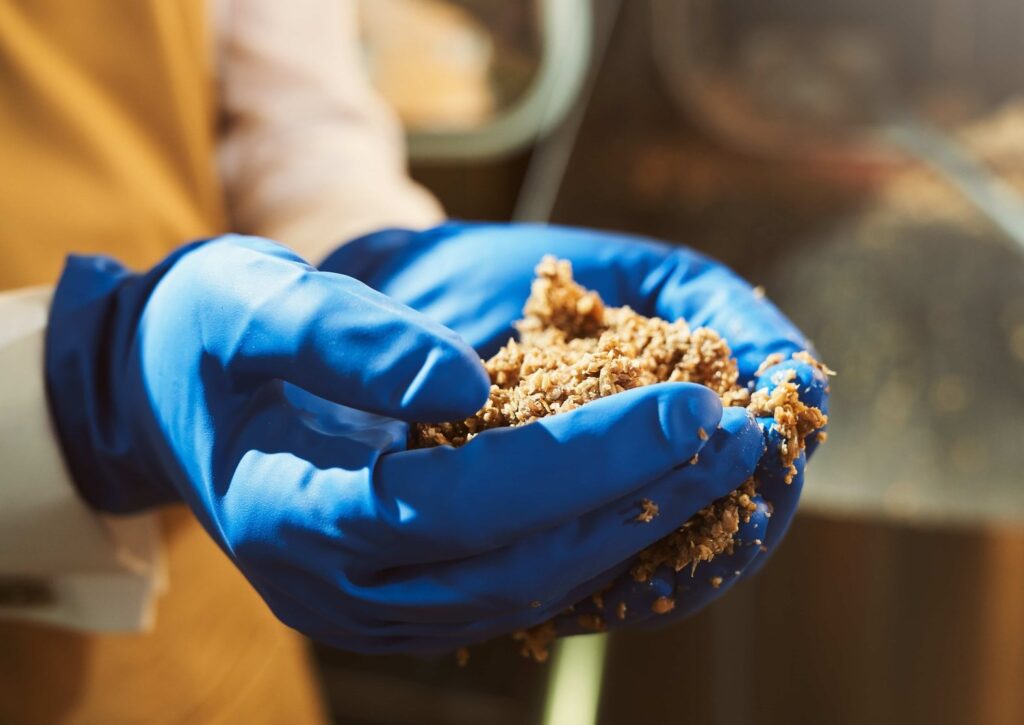
- Terra Protina: This is a high-protein concentrate with a taste profile described as similar to bread. It offers a reduced carbohydrate content while significantly boosting protein and fibre levels. Its applications include baked goods, pasta, and snack products, where it can enhance nutritional value and improve texture.
- Terra Fibra: This ingredient is a high-fibre flour boasting over 60% dietary fibre content. It possesses a mild, malty flavour, making it suitable for incorporation into a wide range of food products without imparting an overpowering taste. Its high fibre content makes it ideal for health-conscious food manufacturers.
- Terra Choc: Positioned to tap into the rapidly growing alternative chocolate market, Terra Choc is a cocoa extender. This ingredient offers a sustainable and potentially cost-effective alternative or supplement to traditional cocoa, allowing for the creation of novel confectionery products with a reduced environmental footprint.
- Terra Malt: This is a toffee-like barley malt syrup. It is designed to add rich flavour, sweetness, and a natural caramel colour to various food and beverage applications. Potential uses include sauces, confectionery, and even brewed drinks, where it can contribute to desirable taste and visual characteristics.
Each of these ingredients is designed to serve as a low-carbon base for food and beverage products. The project aims to demonstrate the efficacy and market appeal of these novel ingredients, paving the way for broader adoption by the food industry.
Circular Economy in Action: Great Western Brewing Company’s Role
Great Western Brewing Company, a prominent Canadian brewery, is a key partner in this initiative. The company will supply its BSG to Terra Bioindustries for upcycling. Beyond providing the raw material, Great Western Brewing Company plans to directly utilize one of the upcycled ingredients, Terra Malt.
Brendan Halbgewachs, CFO of Great Western Brewing Company, highlighted the financial and operational advantages of this collaboration. "This project means thousands of dollars staying in our business – funds we can put back into our recent investment in innovation, strengthen our operations, and support good local jobs," Halbgewachs stated. He added that the investment helps the company "reinvest in our people and continue giving back to our community."
Furthermore, Great Western Brewing Company intends to leverage the low fermentable sugar content of Terra Malt to develop a non-alcoholic beer. This application demonstrates how the upcycled ingredient can directly contribute to product innovation within the brewing industry itself, creating a truly circular system. The ability to reduce alcohol production during fermentation by using Terra Malt signifies a significant step towards more sustainable beverage manufacturing.
Broader Implications and Global Trends
The Canadian initiative aligns with a growing global trend of valorizing food industry byproducts. Numerous companies and research institutions worldwide are exploring innovative ways to transform BSG and other brewing waste streams into valuable resources.

- Global Innovations: In Europe, Swiss startup Yeastup has established an industrial-scale facility to convert spent brewer’s yeast into proteins and functional ingredients. French company Yeasty has developed a method to remove bitterness from brewer’s yeast, producing a flour suitable for alternative proteins, pet food, and nutritional products.
- Scientific Advancements: Researchers at Nanyang Technological University in Singapore have developed a method to extract over 80% of proteins from BSG. This advancement has contributed to the development of ingredients like Prew:tein by ProteinDistillery, a fermented ingredient that mimics egg white.
The Canadian government’s commitment to the alternative protein sector is substantial. Protein Industries Canada has been allocated C$353 million by the federal government between 2018 and 2028. This funding fuels a variety of innovation projects aimed at strengthening Canada’s position in the global plant-based food market. For example, Protein Industries Canada recently co-financed a C$15.1 million project focused on scaling up the production of whole-cut meat and seafood alternatives.
Mélanie Joly, Canada’s Minister of Industry, commented on the significance of the BSG upcycling initiative. "By connecting Canadian creativity with Terra’s technology, this initiative will strengthen our domestic food supply chain and reinforce Canada’s leadership in sustainability and innovation," Joly said. She further articulated the project’s role in building a more resilient food sector: "Supported by Protein Industries Canada, one of Canada’s global innovation clusters, this project is a shining example of how we can build a more resilient food sector – one that produces high-quality ingredients while minimizing environmental impact."
Economic and Environmental Impact Analysis
The implications of this project extend beyond the immediate partners. The successful implementation of BSG upcycling can lead to:
- Economic Diversification: The creation of new ingredient categories opens up new market segments and revenue streams for Canadian businesses. It fosters the growth of a bio-based economy, creating skilled jobs in processing, research, and development.
- Reduced Agricultural Land Use: By deriving proteins and fibres from an existing byproduct, the reliance on land-intensive agricultural production for these nutrients can be reduced, freeing up land for other uses or for rewilding efforts.
- Enhanced Competitiveness: Canadian companies that adopt sustainable practices and develop innovative ingredients can gain a competitive edge in both domestic and international markets, where consumer demand for sustainable products is rapidly increasing.
- Strengthened Supply Chain Resilience: Reducing reliance on imported ingredients and maximizing the value of domestically produced resources enhances the overall resilience of Canada’s food supply chain against global disruptions.
Future Outlook and Challenges
While the project holds immense promise, several factors will influence its long-term success. Scaling up production to meet industrial demand will require further investment and optimization of Terra Bioindustries’ technology. Market acceptance of novel ingredients, particularly in established food categories, will also be crucial. Consumer education regarding the benefits and safety of upcycled ingredients will play a vital role.
However, the strong governmental support, coupled with the clear environmental and economic drivers, positions this initiative for significant impact. The collaboration between a government innovation cluster, an established brewery, and an innovative technology company exemplifies a potent model for driving sustainable change within Canada’s agri-food sector. As the world grapples with the challenges of feeding a growing population sustainably, innovations like the upcycling of brewers’ spent grain offer a hopeful glimpse into a more resource-efficient and environmentally conscious future for food production. The journey from a beer byproduct to high-value ingredients underscores Canada’s commitment to pioneering solutions for a healthier planet and a more secure food system.
