
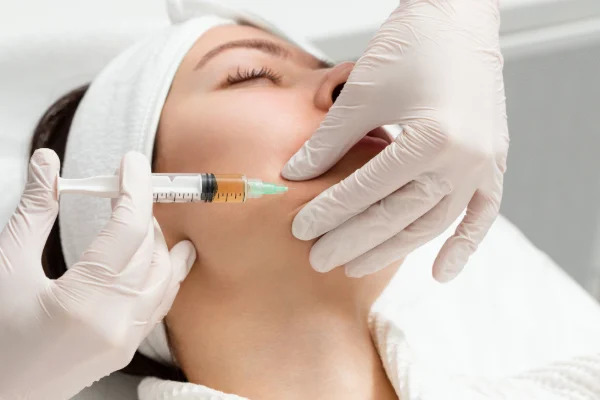
The medical aesthetics industry has undergone a radical transformation over the last decade, transitioning from a niche sector of elective cosmetic procedures to a multi-billion-pound global powerhouse of clinical innovation and non-surgical intervention. Central to this evolution in the United Kingdom and beyond is the Aesthetics Journal, a multi-platform media entity that has established itself as the primary source of news, clinical reports, and professional development for practitioners. Managed by Easyfairs, one of the world’s leading exhibition and media organizers, the Aesthetics Journal serves as a critical bridge between manufacturers, clinical practitioners, and regulatory bodies. By providing a comprehensive suite of media tools—including webinars, in-depth reports, peer-reviewed articles, and real-time news updates—the publication has become an indispensable resource for a community that is increasingly under the scrutiny of both the public and government regulators.
The Strategic Role of Aesthetics Journal in a Growing Market
The aesthetics sector is no longer defined solely by high-end clinics in urban centers; it has become a mainstream component of the broader healthcare and wellness landscape. As the demand for non-surgical treatments such as botulinum toxin, dermal fillers, and energy-based device therapies continues to surge, the need for centralized, high-quality information has never been greater. The Aesthetics Journal fulfills this role by offering a structured repository of knowledge that caters to a diverse range of professionals, including doctors, dentists, nurses, and allied healthcare providers.
Under the stewardship of Easyfairs, the journal has integrated its editorial content with large-scale industry events such as the Aesthetics Conference & Exhibition (ACE) and Clinical Cosmetic and Reconstructive (CCR) Expo. This synergy allows for a 360-degree approach to professional education. Practitioners do not merely read about new techniques; they engage with them through digital webinars and see them demonstrated at live events. This integrated media model is designed to uphold clinical excellence and patient safety, which remain the most significant challenges facing the industry today.
Chronology of Development: From Print to Multi-Platform Authority
The trajectory of the Aesthetics Journal reflects the broader shift in how medical information is consumed in the digital age. Initially launched as a traditional print publication focused on product launches and basic clinical tips, the journal has expanded its reach through a series of strategic digital pivots.
- The Print Foundation: In its early years, the journal focused on establishing credibility through peer-reviewed content. This established a foundation of trust among medical professionals who required evidence-based information to guide their clinical practice.
- The Digital Transition: With the rise of the internet, the journal launched its digital platform, aestheticsjournal.com. This allowed for the immediate dissemination of news, particularly regarding regulatory changes from the Medicines and Healthcare products Regulatory Agency (MHRA) and the Department of Health and Social Care.
- Acquisition and Integration: The acquisition of the brand by Easyfairs marked a significant turning point. It provided the journal with the infrastructure of a global events company, leading to the creation of the Aesthetics Awards, which celebrates excellence and safety in the field.
- The Multimedia Era: Recognizing the time constraints on modern practitioners, the journal introduced webinars and video interviews. This allowed for "on-the-go" learning, ensuring that practitioners could stay updated on the latest complications management protocols and injection techniques without leaving their clinics.
- Social Media Expansion: The establishment of robust communities on Instagram, LinkedIn, and Facebook has allowed the journal to engage with a younger demographic of practitioners and provide a platform for real-time discussion on industry trends.
Supporting Data: The Economic and Clinical Scale of Aesthetics
The importance of a centralized information hub like the Aesthetics Journal is underscored by the sheer scale of the market it serves. According to market research, the global medical aesthetics market was valued at approximately $15.4 billion in 2023 and is projected to grow at a compound annual growth rate (CAGR) of 11% through 2030. In the United Kingdom alone, the non-surgical cosmetic industry is estimated to be worth over £3.6 billion.
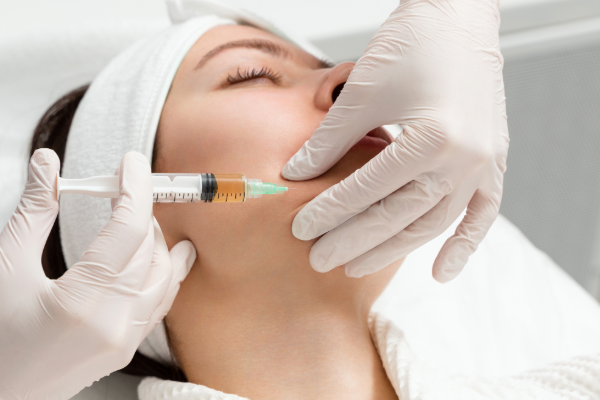
Data from the Aesthetics Journal’s internal reports suggest that the most sought-after information among practitioners includes:
- Complications Management: Over 60% of practitioners cite safety and the management of adverse events (such as vascular occlusions) as their primary educational concern.
- Regulatory Updates: With the UK government currently consulting on a new licensing secondary for non-surgical procedures, traffic to the journal’s regulatory news sections has seen a 45% year-on-year increase.
- Business Growth: As the market becomes more competitive, approximately 40% of the journal’s audience engages with content related to clinic management, marketing ethics, and patient retention.
These statistics highlight that the journal is not just a clinical guide but a business and regulatory compass for the aesthetics community.
Official Responses and the Drive for Professional Standards
The role of the Aesthetics Journal is frequently highlighted by industry leaders and regulatory advocates. Organizations such as the Joint Council for Cosmetic Practitioners (JCCP) and the British College of Aesthetic Medicine (BCAM) often utilize the journal’s reach to communicate vital safety standards to the wider community.
Industry analysts suggest that the "democratization of information" provided by the journal has been a double-edged sword. While it empowers practitioners with knowledge, it also places a responsibility on the publication to vet its contributors rigorously. "The Aesthetics Journal serves as a gatekeeper of sorts," says one industry consultant. "In an era where social media influencers often blur the lines between medical advice and marketing, having a platform that prioritizes peer-reviewed reports and factual news is essential for the survival of the industry’s reputation."
Furthermore, Easyfairs has emphasized that their commitment to the aesthetics community goes beyond simple publishing. Their mission statement involves "the constant pursuit of excellence," which is reflected in the journal’s adherence to high editorial standards. By providing a platform for webinars and interviews with global KOLs (Key Opinion Leaders), they ensure that UK practitioners remain at the forefront of global aesthetic trends.
Digital Integration and the Impact of Social Media
The inclusion of social media links for Instagram, LinkedIn, and Facebook in the journal’s primary interface is a strategic necessity. In the modern aesthetics landscape, peer-to-peer networking is as important as formal education.

- Instagram: This platform serves as the visual heartbeat of the industry. The Aesthetics Journal uses it to highlight procedural results, share quick "clinical pearls," and provide behind-the-scenes coverage of major conferences.
- LinkedIn: This is the professional engine of the brand. It facilitates B2B connections, allowing clinic owners to connect with manufacturers and legal experts. It is also the primary venue for discussing the economic implications of new tax laws or employment regulations affecting clinics.
- Facebook: Through dedicated groups and community pages, Facebook remains a vital tool for long-form discussion and peer support, particularly regarding the ethical challenges of aesthetic practice.
This multi-channel approach ensures that the journal’s content is accessible regardless of how a practitioner chooses to consume media. It creates a "loop" of information where a news story on the website might spark a debate on LinkedIn, which then leads to a deep-dive webinar a week later.
Broader Impact and Future Implications
The impact of the Aesthetics Journal extends beyond the individual practitioner to the safety of the general public. By educating clinicians on the latest safety protocols and ethical marketing practices, the journal indirectly protects patients from substandard care. As the UK moves toward a more regulated environment—potentially involving a mandatory licensing hum for all practitioners—the journal will likely serve as the primary medium through which these new laws are explained and implemented.
Looking ahead, the journal is expected to lean more heavily into data-driven reporting and AI-integrated educational tools. The "Aesthetics Journal Reports" are becoming more granular, providing market insights that help practitioners decide which technologies are worth the investment. As regenerative medicine, including polynucleotides and exosomes, becomes the next frontier of aesthetics, the journal’s role in debunking myths and presenting clinical evidence will be paramount.
In conclusion, the Aesthetics Journal, supported by the global reach of Easyfairs, has transitioned from a simple trade magazine to a vital pillar of the medical aesthetics infrastructure. Its commitment to providing up-to-date, multi-media information ensures that the aesthetics community is not only well-informed but also equipped to navigate the complex clinical and regulatory challenges of the 21st century. As the industry continues to mature, the synergy between high-quality journalism, digital education, and live professional events will remain the gold standard for industry advancement.
