
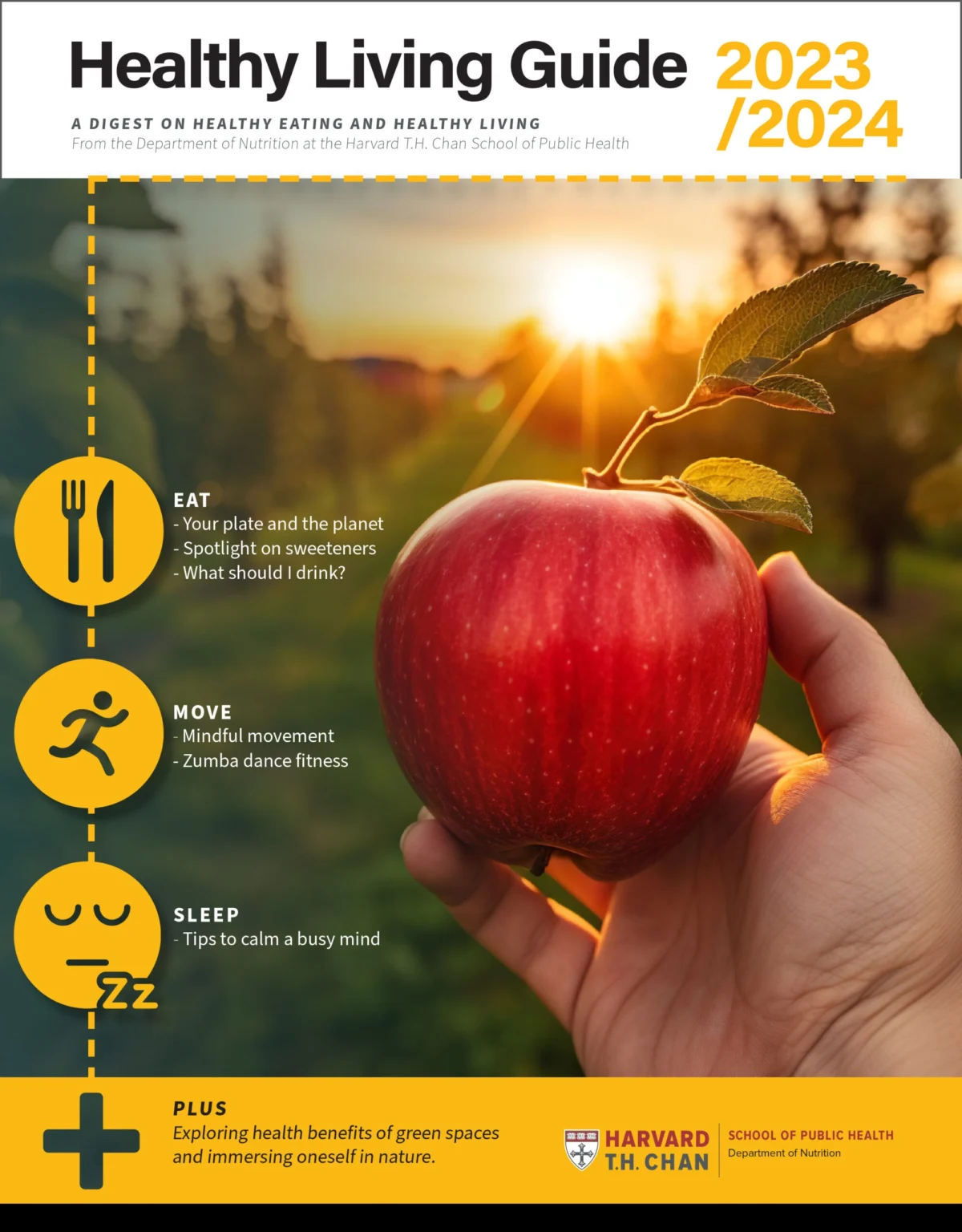
The Harvard T.H. Chan School of Public Health’s Department of Nutrition has released its fourth annual "Healthy Living Guide," offering a comprehensive overview of current research and practical advice on nutrition, physical activity, and sleep. This year’s guide, published at the dawn of 2024, places a significant emphasis on the integration of mindfulness into public health initiatives, a theme amplified by the recent establishment of the Thich Nhat Hanh Center for Mindfulness in Public Health.
A New Focus on Mindfulness in Public Health
The launch of the Thich Nhat Hanh Center for Mindfulness in Public Health in 2023 marks a pivotal moment for the Department of Nutrition. The Center is dedicated to exploring and implementing mindfulness practices to enhance well-being on a population level, moving beyond individual benefits to foster collective health improvements. A cornerstone of this endeavor is the investigation into mindful eating and its profound impact on both personal health and the health of the planet. This guiding principle is interwoven throughout the current edition of the "Healthy Living Guide," influencing the selection and presentation of research findings and actionable tips.
The Center’s commitment to this interdisciplinary approach is a direct response to a growing body of evidence suggesting that mindfulness can be a powerful tool in addressing complex health challenges. Research has indicated that mindful eating practices can lead to reduced consumption of unhealthy foods, improved digestion, and a greater appreciation for food, thereby fostering a more sustainable relationship with our dietary choices. This aligns with global efforts to combat rising rates of diet-related diseases and promote more sustainable food systems.
Key Research Highlights and Practical Guidance
The 2023-2024 "Healthy Living Guide" delves into several critical areas of health research. Among the featured topics are the latest findings on the impact of ultra-processed foods on mental health. Studies have increasingly linked high consumption of ultra-processed foods to an elevated risk of depression, anxiety, and cognitive decline. The guide aims to equip readers with the knowledge to identify these foods and make informed choices that support both physical and mental well-being.
In the realm of physical activity, the guide explores innovative and engaging ways to incorporate movement into daily life. This year, specific attention is given to the energetic and accessible practice of Zumba, highlighting its potential to improve cardiovascular health, boost mood, and increase overall fitness levels. The article suggests that incorporating enjoyable forms of exercise like Zumba can significantly improve adherence to physical activity recommendations, a common challenge in maintaining long-term health.
Sleep health remains a crucial component of the guide, with a focus on the concept of "chronotypes" – the natural inclination of individuals to be morning larks or night owls. Understanding one’s chronotype can inform strategies for optimizing sleep patterns, improving sleep quality, and mitigating the health consequences associated with chronic sleep deprivation or misalignment with societal schedules. The guide presents evidence on how different chronotypes can be managed to promote better health outcomes, including improved metabolic function and enhanced cognitive performance.
Background and Chronology of the Guide’s Evolution
The "Healthy Living Guide" has evolved significantly since its inception. The first edition, released in 2020, aimed to provide a foundational understanding of healthy eating and living principles, particularly relevant during a period of global health uncertainty. It focused on core nutritional advice, the benefits of regular physical activity, and the importance of adequate sleep.
The second edition, published in late 2021, began to incorporate more specialized research findings, including early insights into the gut microbiome’s role in overall health and the emerging understanding of the link between diet and immune function. It also expanded on the benefits of various forms of exercise and provided more nuanced advice on sleep hygiene.
The third edition, released in early 2023, saw a deeper dive into the psychological aspects of eating and well-being, touching upon topics like intuitive eating and the impact of stress on dietary choices. It also highlighted advancements in understanding the complex interplay between genetics, diet, and disease risk.
This fourth edition, released in January 2024, represents a maturation of the guide, reflecting the Department of Nutrition’s increasing engagement with broader societal health challenges and the integration of interdisciplinary research. The establishment of the Thich Nhat Hanh Center serves as a catalyst for this shift, underscoring a commitment to holistic well-being that extends from individual choices to global public health strategies. The guide’s progression mirrors the advancements in nutritional science and public health research, demonstrating a continuous effort to provide timely, evidence-based information to the public.
Supporting Data and Scientific Context
The research highlighted in the "Healthy Living Guide" is grounded in robust scientific methodologies. For instance, studies on ultra-processed foods often involve large-scale epidemiological research, analyzing dietary patterns of thousands of individuals over extended periods. Meta-analyses of these studies have consistently shown a correlation between higher consumption of ultra-processed foods and increased risk of conditions such as type 2 diabetes, cardiovascular disease, obesity, and certain types of cancer. The World Health Organization (WHO) has recognized the significant public health threat posed by ultra-processed foods, recommending policies to reduce their availability and consumption. Data from the Global Nutrition Report consistently points to a double burden of malnutrition, where undernutrition coexists with overweight and obesity, often driven by diets high in processed foods and low in essential nutrients.
Research into physical activity, including the benefits of programs like Zumba, is often supported by clinical trials and observational studies. These studies measure physiological markers such as VO2 max, blood pressure, cholesterol levels, and body composition changes. For example, a 2019 review published in the Journal of Strength and Conditioning Research indicated that regular aerobic exercise, including dance-based programs, can lead to significant improvements in cardiovascular health and a reduction in body fat percentage.
The scientific understanding of sleep chronotypes is rooted in chronobiology, the study of biological rhythms. Research in this field utilizes genetic analysis, hormone level monitoring, and actigraphy (wearable sleep trackers) to understand individual sleep-wake cycles. Studies have demonstrated that misalignment between an individual’s chronotype and their imposed sleep schedule (e.g., working night shifts) is associated with increased risks of metabolic syndrome, cardiovascular disease, and mood disorders. The National Sleep Foundation provides extensive resources and research summaries on chronotypes and their health implications.
Broader Impact and Implications
The "Healthy Living Guide" serves as a critical resource for the public, translating complex scientific findings into accessible information. By emphasizing the interconnectedness of diet, physical activity, sleep, and mental well-being, the guide encourages a holistic approach to health. The integration of mindfulness practices, particularly through the lens of the Thich Nhat Hanh Center, suggests a forward-thinking strategy in public health. This approach acknowledges that behavior change is often influenced by psychological factors and that cultivating awareness can lead to more sustainable healthy habits.
The guide’s focus on population-level interventions, such as promoting mindful eating to address both individual and planetary health, has significant implications for public policy and healthcare systems. By advocating for research and implementation of mindfulness in public health, the Department of Nutrition is contributing to a growing movement that seeks to build resilient communities and foster a healthier relationship between humanity and the environment.
The availability of the guide in a downloadable PDF format, complete with printable tip sheets, enhances its accessibility and utility for a diverse audience. This democratizes access to health information, empowering individuals to take proactive steps towards improving their well-being. The inclusion of a quiz, referencing previous editions, further encourages engagement and reinforces learning, promoting a continuous journey of health exploration.
Official Statements and Future Directions
While direct quotes from specific individuals involved in the guide’s creation are not provided in the initial article, the editorial tone reflects the commitment of the Harvard T.H. Chan School of Public Health to evidence-based public health and the promotion of well-being. The introduction, wishing readers a "healthy, fulfilling, and mindful 2024," encapsulates the overarching goals of the guide and the department’s vision.
The establishment of the Thich Nhat Hanh Center for Mindfulness in Public Health signifies a long-term investment in this area of research and practice. Future editions of the "Healthy Living Guide" are likely to feature more in-depth explorations of mindfulness-based interventions, their efficacy across different demographics, and their potential to address global health disparities. The ongoing research at the Center will undoubtedly shape the evolving landscape of public health, integrating ancient wisdom with modern scientific inquiry to cultivate a healthier future for all.
The "Healthy Living Guide" is more than just a compilation of health tips; it is a testament to the dynamic and evolving nature of nutritional science and public health. By embracing new research paradigms, such as the integration of mindfulness, and by providing clear, actionable guidance, the Harvard Department of Nutrition is empowering individuals and communities to make informed choices that foster lasting health and well-being.
