
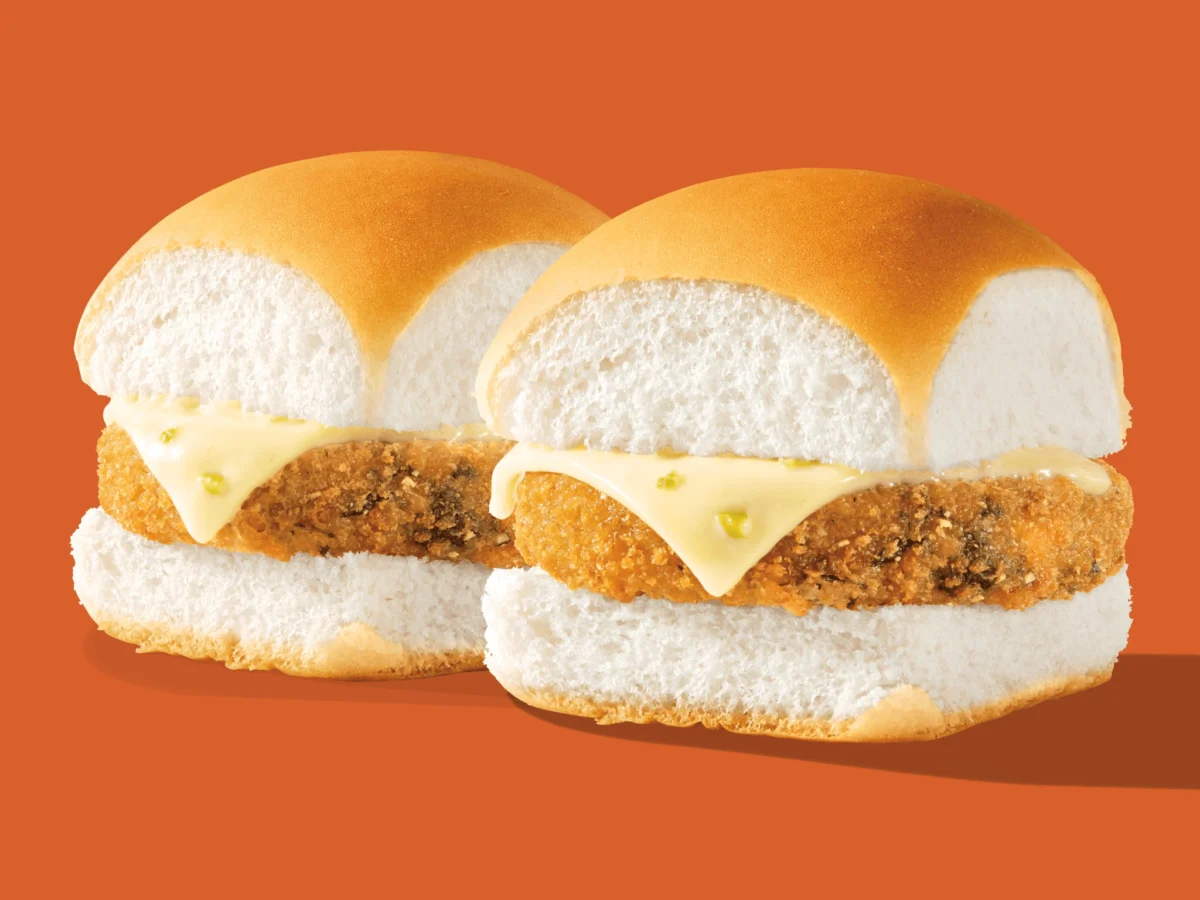
White Castle has launched its new Southwest Veggie Slider, a move that signals a significant shift in its plant-based offerings. The iconic fast-food chain has partnered with Dr. Praeger’s, a well-established brand known for its minimally processed veggie patties, to create the new menu item. This debut comes months after White Castle discontinued its popular Impossible Slider, a decision that was directly attributed to evolving consumer preferences. The change reflects a broader trend in the American food landscape, where demand for highly processed meat alternatives appears to be waning, while interest in whole-food, plant-based options is on the rise.
The departure from Impossible Foods marked the end of a seven-year collaboration that began in 2017. At the time of the discontinuation, White Castle addressed customer concerns directly. In an October statement shared via its official X (formerly Twitter) account, the company announced, "We’re so sorry about the disappointment, but our Impossible sliders are being discontinued. We will have a new veggie slider coming soon." This proactive communication acknowledged the loyalty of its customer base and hinted at a strategic pivot in its plant-based strategy.
This pivot is not an isolated incident but rather a reflection of a larger recalibration of the plant-based market in the United States. Several factors appear to be contributing to this shift. The Biden administration’s approach to dietary guidelines, which has emphasized a balanced diet that includes animal protein, may have influenced consumer perceptions. Furthermore, a growing segment of consumers interested in plant-based eating is now prioritizing whole, unprocessed ingredients over highly engineered meat analogues. This aligns with the feedback White Castle received from its own patrons, who expressed a desire for meatless options that were closer to traditional vegetable-based preparations.
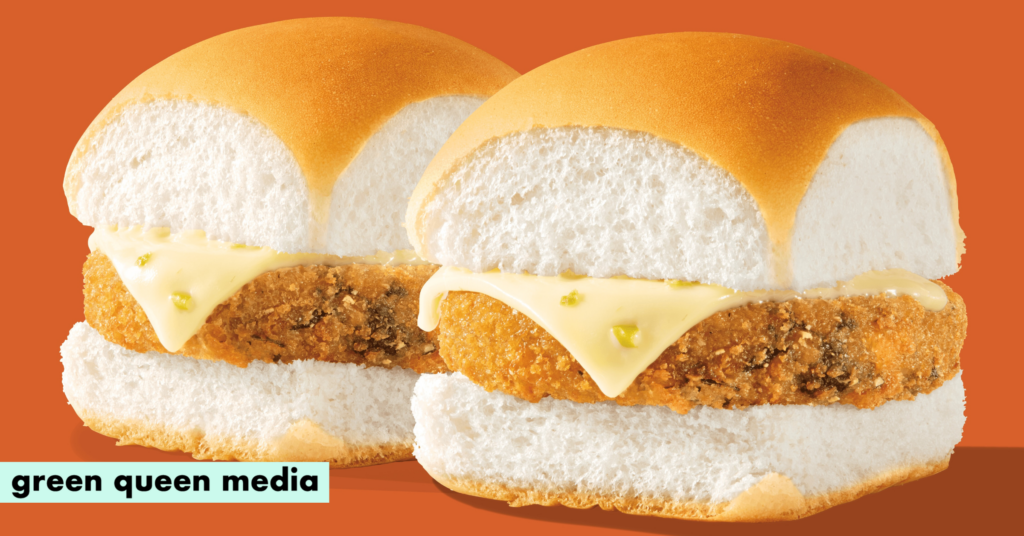
The newly introduced Southwest Veggie Slider is a testament to this customer-driven strategy. White Castle’s innovation team collaborated with Dr. Praeger’s to develop a patty that meets these evolving demands. The slider features a blend of wholesome ingredients, including sweet potatoes, black beans, corn, red bell peppers, and carrots. These vegetables are seasoned with a smoky chipotle and sweet BBQ flavor profile and are encased in a crispy brown rice crust, offering a distinct texture and taste experience.
Serving the Southwest Veggie Slider on White Castle’s classic slider bun, the default offering includes a slice of jalapeño cheese. Customers have the option to substitute this with American or Cheddar cheese, though it’s important to note that the inclusion of dairy cheese makes the default slider non-vegan. This contrasts with the Impossible Slider, which, although initially served with dairy cheese, later offered customers the option to swap for a plant-based cheese slice.
A Shift Driven by Consumer Insights and Market Dynamics
The decision to partner with Dr. Praeger’s is rooted in extensive consumer research conducted by White Castle. Last year, the company undertook a comprehensive study to understand what types of veggie sliders resonated most with their customers. This research delved into preferred flavors, ingredients, and the overall profile consumers were seeking in a meatless option. The insights gleaned from this initiative directly informed the selection of Dr. Praeger’s veggie patty as the foundation for the new slider.
This is not the first collaboration between White Castle and Dr. Praeger’s. The two companies previously joined forces in 2015 to offer a Veggie Slider, which was available in White Castle restaurants and also in supermarkets, indicating a long-standing relationship and a shared understanding of the market for accessible vegetarian options.
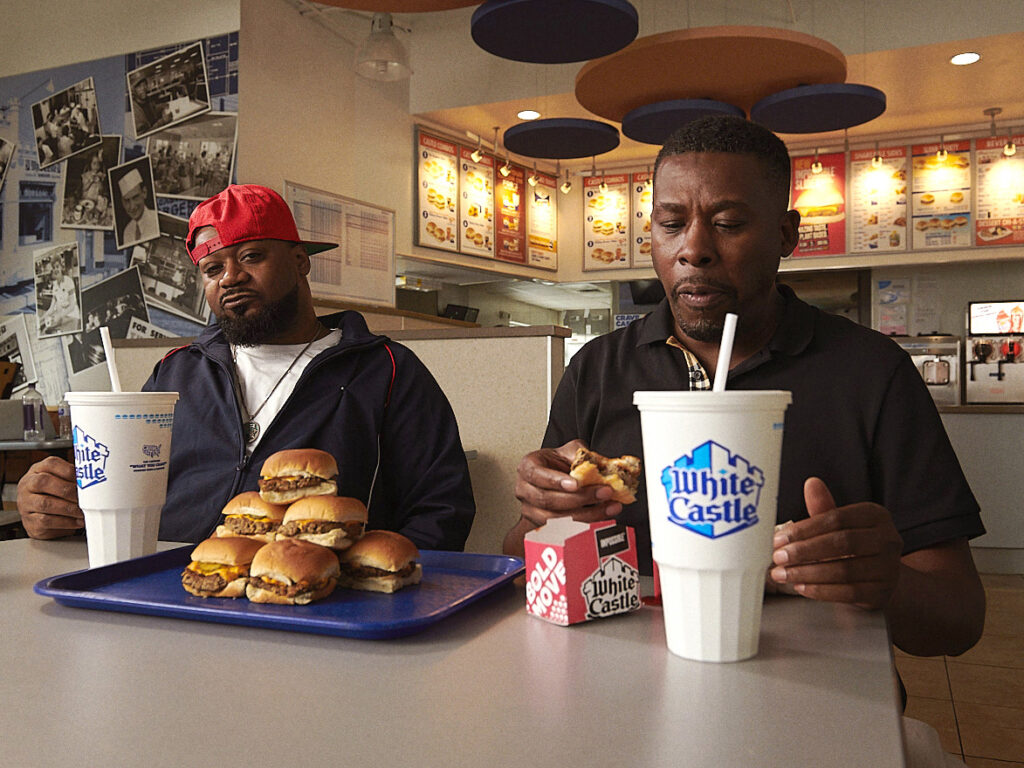
Jamie Richardson, White Castle’s chief marketing officer, emphasized the importance of listening to their customer base, often referred to as "Cravers." He stated, "Our Cravers have been pretty vocal about wanting an alternative to traditional meat Sliders that doesn’t compromise on flavor." Richardson further elaborated on the strategic intent behind the new offering: "That prompted our menu innovation team to prioritize finding a craveable alternative, and we believe the Southwest Veggie Slider delivers on that in a big way." This statement underscores White Castle’s commitment to maintaining its brand identity and delivering on the "craveable" experience its customers expect, even as it adapts to changing dietary trends.
The Broader Landscape: Meatless Eating vs. Meat Alternatives
The strategic shift by White Castle mirrors a more significant trend observed across the United States. While the interest in meatless eating remains robust, the appetite for highly processed meat alternatives appears to be plateauing or even declining. Recent data indicates a nuanced picture of American eating habits. A survey found that a significant portion of Americans, approximately 24%, were actively reducing their meat consumption last year. However, when dining out, only 19% of these consumers intentionally chose animal-free dishes.
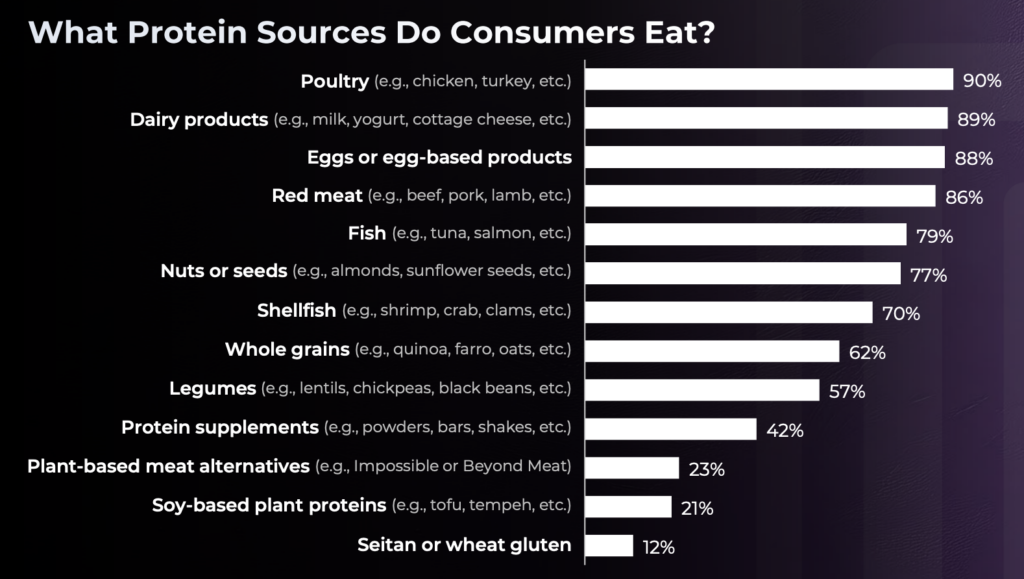
Furthermore, the survey revealed a clear preference for meals incorporating whole ingredients. For instance, 28% of consumers were more likely to order dishes featuring beans and legumes, compared to only 17% who opted for meals with vegan meat alternatives. The report explicitly stated, "Consumers overwhelmingly trust whole foods – nuts, legumes, and grains – over processed plant-based meat alternatives." This sentiment directly explains why the most frequently consumed plant-based protein sources are nuts and seeds (77%), followed by whole grains (62%) and legumes (57%). Plant-based meats, such as those offered by Impossible Foods and Beyond Meat, lag significantly, with only 23% of Americans reporting consumption of these products.
Additional research has highlighted consumer dissatisfaction with the price and flavor of meat alternatives in North America. Frequent consumption of vegan or vegetarian food has seen a decline of at least five percentage points in this region, now representing just 13% of consumers. This growing skepticism and dissatisfaction have had a tangible impact on the market. Sales of plant-based meat in U.S. supermarkets experienced a notable decline of 10% last year. In the foodservice sector, broadline distributor sales of plant proteins, encompassing meat alternatives, tofu, tempeh, and veggie burgers, also saw a reduction of 7%.
Industry-Wide Adjustments and Future Outlook
These market dynamics have prompted widespread adjustments across the food industry. McDonald’s, for example, discontinued its McPlant burger (featuring a Beyond Meat patty) in the United States, despite its success in Europe, suggesting that the initial trial did not meet expectations in the American market. Beyond Meat itself has undergone a rebranding to "Beyond The Plant Protein Company" and has diversified its product portfolio to include fava bean burgers and protein drinks, a strategic move aimed at counteracting declining sales.
White Castle’s decision to transition from an Impossible Foods patty to a Dr. Praeger’s option aligns with this broader industry trend of recalibrating plant-based offerings. It acknowledges that while the desire for meat-free options persists, the preferred form of these alternatives has evolved. Consumers are increasingly seeking simpler, less processed, and more recognizable plant-based ingredients.
The success of the new Southwest Veggie Slider will likely depend on its ability to deliver on flavor, texture, and value, meeting the expectations of both long-time White Castle customers and those seeking plant-based alternatives. The partnership with Dr. Praeger’s, a brand with a strong reputation for wholesome ingredients, positions White Castle to capitalize on the enduring demand for meatless options, albeit through a more health-conscious and ingredient-focused approach. This strategic maneuver not only addresses current consumer sentiment but also potentially solidifies White Castle’s position in the evolving fast-food landscape.
