
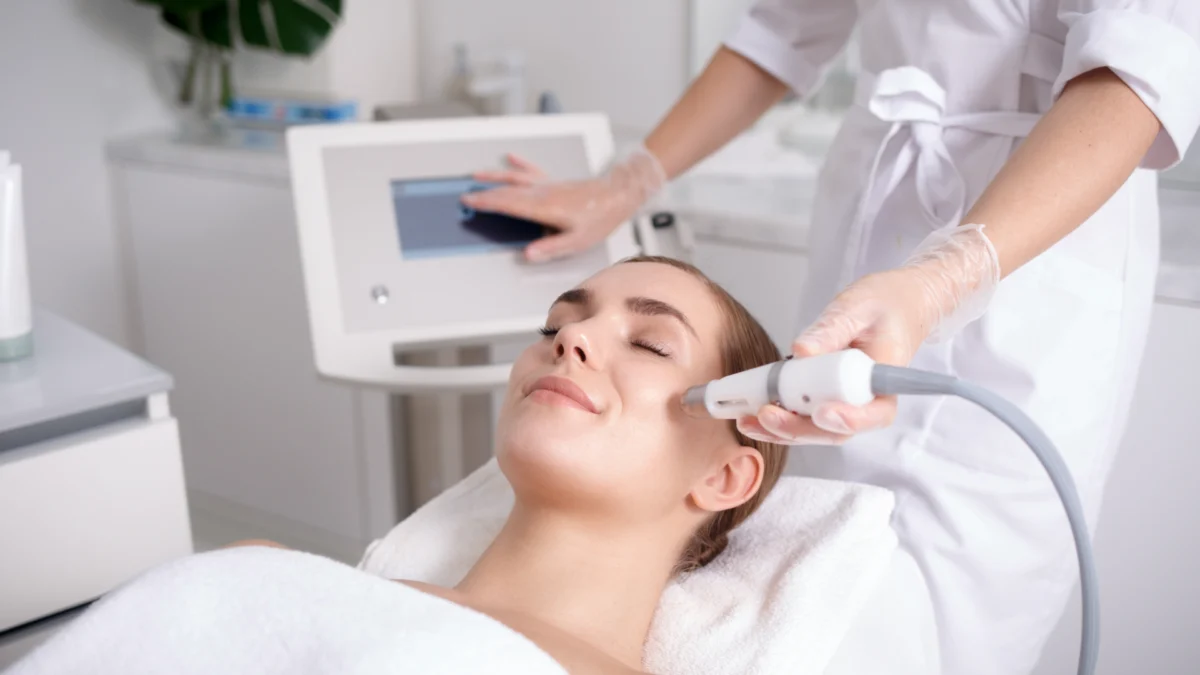
The United Kingdom’s aesthetic medicine sector is currently navigating a pivotal era of regulatory transition, marked by an unprecedented surge in consumer demand and technological innovation. However, this rapid expansion has significantly outpaced the development of robust legislative frameworks, creating a regulatory vacuum that has been exploited by the proliferation of counterfeit and unregulated medical devices. Aesthetic clinic founder Vanessa Brown-Ofoedu has highlighted the grave implications of this trend, emphasizing that as the industry moves toward a mandatory licensing scheme, the presence of illicit machinery poses a dual threat to patient safety and the professional integrity of practitioners. The influx of "copycat" devices—ranging from laser systems and Intense Pulsed Light (IPL) machines to High-Intensity Focused Ultrasound (HIFU) and cryolipolysis units—has become a primary concern for the Medicines and Healthcare products Regulatory Agency (MHRA) and various industry oversight bodies.
The Scale of the Counterfeit Market in UK Aesthetics
The non-surgical cosmetic industry in the UK is estimated to be worth over £3.6 billion, with energy-based devices accounting for a substantial portion of this valuation. As practitioners seek to offer the latest treatments, the high capital expenditure required for authentic, medical-grade equipment—often costing between £40,000 and £120,000—has driven some toward the "gray market." Online marketplaces and direct-from-manufacturer platforms have made it easier than ever to acquire devices that outwardly resemble premium brands but lack the internal engineering, safety mechanisms, and regulatory clearances required by law.
Data from organizations such as Save Face, a government-approved register for non-surgical cosmetic practitioners, indicates a sharp rise in complications linked to treatments performed with unregulated equipment. In many instances, patients have suffered permanent scarring, systemic infections, and severe burns due to inconsistent energy outputs and faulty cooling systems inherent in counterfeit machines. The lack of a centralized registry for aesthetic devices has historically made it difficult to track the volume of these units, but the MHRA has intensified its efforts to seize non-compliant medical hardware at ports of entry.
A Chronology of Regulatory Evolution
The current crisis of counterfeit devices is best understood through the lens of the UK’s long-standing struggle to regulate the "wild west" of aesthetics. The timeline of intervention reflects a slow but steady movement toward the stringent standards now being proposed.
- 2013: The Keogh Review: Following the PIP breast implant scandal, Sir Bruce Keogh conducted a review of the regulation of cosmetic interventions. He famously labeled the sector a "crisis waiting to happen," noting that non-surgical treatments were almost entirely unregulated.
- 2016: The Introduction of the JCCP: The Joint Council for Cosmetic Practitioners (JCCP) was established to provide a voluntary register and to advocate for higher standards in both training and equipment.
- 2021: Botulinum Toxin and Cosmetic Fillers (Children) Act: This legislation made it illegal to provide certain cosmetic procedures to under-18s, marking a shift toward statutory regulation.
- 2022: The Health and Care Act: This landmark legislation granted the Secretary of State for Health and Social Care the power to introduce a licensing scheme for non-surgical cosmetic procedures in England. This includes the regulation of the premises and the practitioners, indirectly impacting the requirements for the devices used.
- 2023-2024: Public Consultations: The government launched extensive consultations to define which procedures will be covered under the licensing scheme. A critical component of these discussions involves the "technical requirements" for devices, aiming to mandate that only UKCA (UK Conformity Assessed) or CE-marked equipment can be utilized in licensed clinics.
Technical Discrepancies and Patient Safety Risks
The danger of counterfeit devices lies in what is beneath the chassis. While a counterfeit laser may appear identical to a reputable brand’s flagship model, the internal components are often scavenged or of inferior quality. Authentic devices undergo years of clinical trials to ensure that the energy delivered (fluence) is precise and that the pulse duration is optimized for the target tissue without damaging the surrounding skin.
In counterfeit units, the "calibration" is frequently non-existent. A device set to deliver a specific wavelength may emit a broad, unstable spectrum of light, leading to unpredictable outcomes. For example, in laser hair removal or skin resurfacing, unstable energy spikes can cause third-degree burns, while insufficient energy can lead to "paradoxical adipose hyperplasia" in fat-freezing treatments—a condition where fat cells expand rather than diminish. Furthermore, genuine devices include sophisticated "fail-safe" software that shuts the machine down if a cooling fault is detected. Counterfeit models often bypass these safety protocols to reduce manufacturing costs, leaving both the patient and the practitioner at significant risk.
Identifying the Red Flags: A Guide for Practitioners
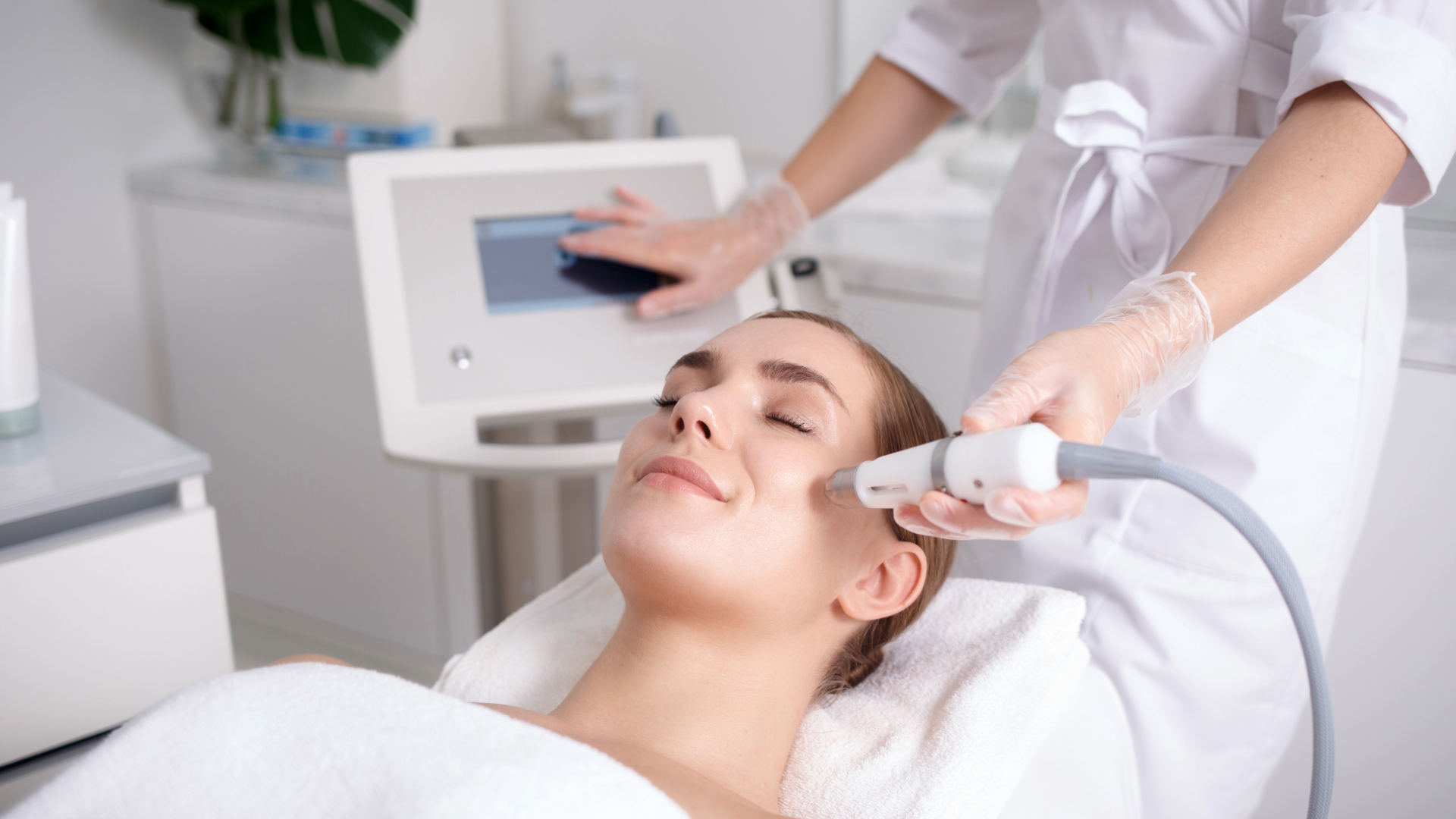
Vanessa Brown-Ofoedu and other industry leaders emphasize that the responsibility for due diligence rests squarely with the clinic owner. Identifying a counterfeit device requires a multi-faceted approach to verification.
1. The Price Point Discrepancy
If a device that typically retails for £50,000 is being offered for £5,000 on a third-party website, it is almost certainly a counterfeit or an unregulated "copycat." Authentic manufacturers invest heavily in Research and Development (R&D), clinical support, and post-market surveillance, costs which are reflected in the purchase price.
2. Documentation and Certification
In the UK, medical devices must carry the UKCA mark (or the CE mark until the transition period ends). However, counterfeiters have become adept at forging these certificates. Practitioners are advised to verify the "Declaration of Conformity" by contacting the "Notified Body" listed on the certificate. If a manufacturer cannot provide a valid certificate linked to a recognized European or UK regulatory body, the device should be considered unsafe.
3. Software and Interface Quality
Counterfeit devices often feature "glitchy" user interfaces, poor English translations in the software menus, and a lack of sophisticated patient tracking modules. Authentic high-end devices usually require a proprietary activation key or a connection to the manufacturer’s server for software updates.
4. Training and Clinical Support
Reputable manufacturers provide mandatory, comprehensive training as part of the purchase package. They offer clinical "hand-holding" and have dedicated engineers for servicing. Sellers of counterfeit equipment typically offer no training beyond a basic PDF manual and provide no after-sales technical support.
Official Responses and Industry Advocacy
The British College of Aesthetic Medicine (BCAM) and the JCCP have been vocal in their condemnation of the use of unregulated devices. In a recent statement, a spokesperson for the JCCP noted, "The use of non-UKCA/CE marked devices is not only a breach of professional standards but also a significant legal liability. Practitioners using such equipment are likely to find their professional indemnity insurance void in the event of a claim."
Insurance providers in the UK aesthetics space have also tightened their requirements. Leading insurers now demand proof of equipment purchase from authorized distributors and copies of the device’s regulatory certification before providing coverage. This shift is creating a financial barrier for those attempting to use illicit machinery, as the lack of insurance coverage presents an existential risk to their business.

The MHRA continues to monitor the market, working in tandem with Trading Standards to identify and remove dangerous products. The agency has issued several "Medical Device Alerts" over the last 24 months, specifically targeting uncertified HIFU and laser devices that have entered the UK market via international shipping platforms.
Broader Impact and the Future of the Sector
The prevalence of counterfeit devices has a corrosive effect on the reputation of the entire aesthetics industry. When a patient suffers a complication from a "cheap" treatment, the negative publicity rarely distinguishes between an unregulated operator using a counterfeit machine and a medical professional using gold-standard technology. This leads to a general erosion of public trust.
Furthermore, the economic impact on legitimate businesses is profound. Clinics that invest in authentic technology, staff training, and rigorous safety protocols are often forced to compete on price with "pop-up" clinics using low-cost, unregulated hardware. The upcoming licensing scheme is expected to level the playing field by mandating that all equipment meets national safety standards, effectively pricing out those who rely on illicit machinery.
As the UK moves toward the final implementation of the Health and Care Act’s licensing provisions, the scrutiny on aesthetic devices will only intensify. Practitioners are urged to audit their current inventory and ensure that all equipment is fully compliant with UKCA standards. For the consumer, the advice remains clear: always inquire about the make and model of the device being used and verify the practitioner’s credentials through accredited registers.
The transition toward a regulated market is a necessary evolution for the UK aesthetics sector. While the rapid growth of technology has provided clinicians with more tools than ever before, the integrity of the profession depends on the commitment to safety over profit. Avoiding counterfeit devices is not merely a regulatory requirement; it is a fundamental ethical obligation to the patients who entrust their health and appearance to the hands of aesthetic professionals.
