
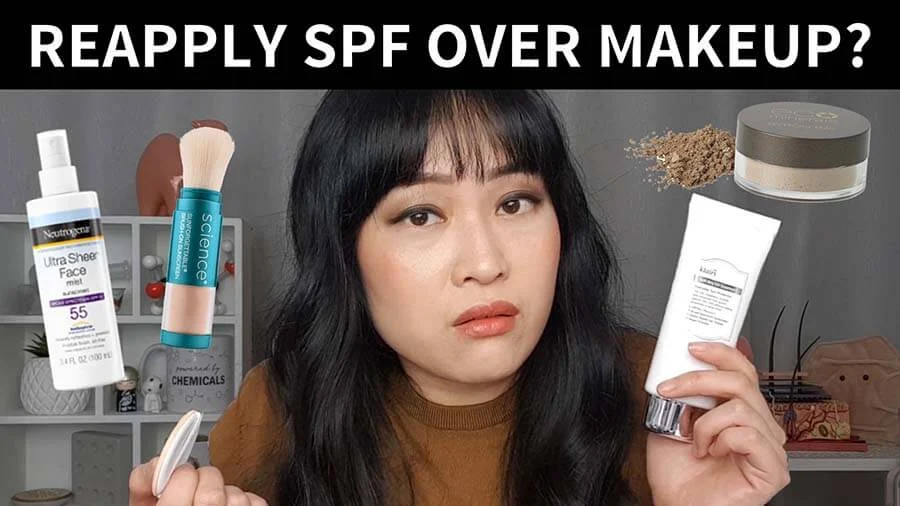
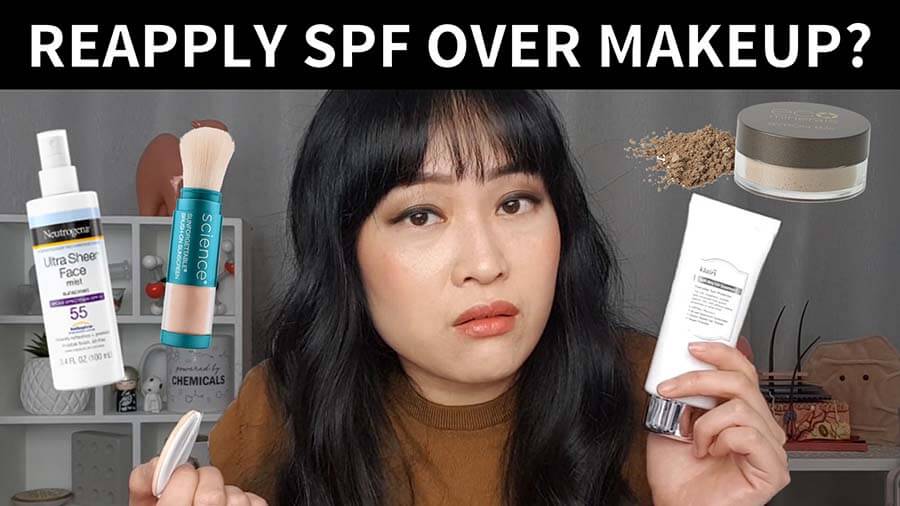
The persistent challenge of maintaining adequate sun protection throughout the day, particularly for individuals who wear makeup, has been a long-standing dilemma in skincare. While dermatological guidelines universally recommend sunscreen reapplication every two hours, the practicalities of adhering to this advice without disrupting a carefully applied face of makeup present a significant hurdle. Dr. Michelle Wong, a prominent beauty scientist and founder of Lab Muffin Beauty Science, recently addressed this common query, providing a comprehensive analysis and practical solutions for navigating sunscreen reapplication over makeup. Her insights, released on June 30, 2026, underscore the critical importance of continuous sun protection while offering pragmatic strategies tailored to various daily scenarios.
The Indispensable Need for Sunscreen Reapplication
The directive to reapply sunscreen regularly is rooted in the inherent instability and degradation of protective layers on the skin. Sunscreen, despite its initial efficacy, does not offer perpetual protection. Several factors contribute to its diminished effectiveness over time, necessitating frequent reapplication to maintain optimal defense against harmful ultraviolet (UV) radiation.
Firstly, physical displacement is a primary culprit. Daily activities such as touching the face with hands, rubbing against clothing, or even strands of hair brushing the skin can physically remove sunscreen particles. This mechanical disruption directly reduces the amount of protective product on the skin, creating vulnerable areas.
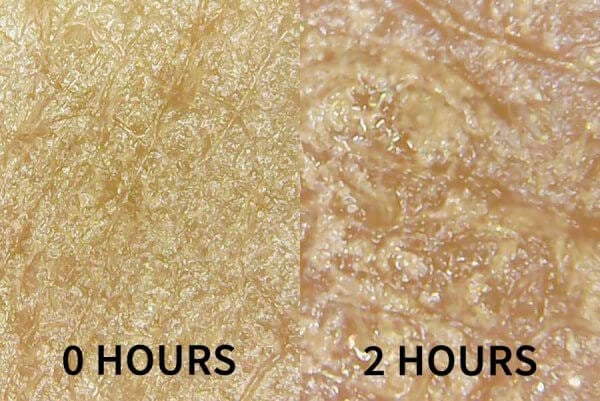
Secondly, the integrity of the sunscreen film itself is compromised by the skin’s natural physiological processes. Throughout the day, the skin produces sebum (oil) and sweat (water). These secretions interact with the applied sunscreen film, causing it to break up and become uneven. This effect is exacerbated by heavy sweating, which can significantly dilute and disperse the protective layer. Furthermore, facial movements—talking, eating, yawning, and general expressions—cause the skin to stretch and contract, leading to the sunscreen film cracking, clumping, and migrating into pores and creases. Visual evidence, often demonstrated with products like foundation that share similar film-forming properties, clearly illustrates this phenomenon, showing an even layer immediately after application transforming into a fragmented, clumped pattern within a few hours.
Thirdly, the sunscreen film naturally thins over time due to evaporation of volatile components and absorption of certain ingredients into the superficial layers of the skin. This reduction in film thickness directly correlates with a decrease in its ability to absorb or reflect UV radiation effectively, thereby diminishing its protective qualities.
Finally, while modern sunscreen formulations are largely designed for photostability, older or less advanced organic ("chemical") sunscreens could degrade upon absorbing too much UV radiation. Photostable filters, whether organic or inorganic, are engineered to resist breakdown, but even they remain susceptible to the physical and physiological factors that compromise the sunscreen film. Therefore, regardless of the filter type, the overall effectiveness of sunscreen invariably declines with prolonged wear.
The cumulative effect of these factors means that the initial SPF (Sun Protection Factor) rating, which is determined under controlled laboratory conditions with a precise application amount (2 mg/cm²), is rarely maintained for extended periods in real-world settings. This gradual erosion of protection underscores the critical public health message from dermatological bodies worldwide, including the American Academy of Dermatology and the Cancer Council, which consistently advocate for reapplication every two hours, or more frequently after swimming, sweating, or towel drying.
Quantifying Protection Loss: Insights from Scientific Studies
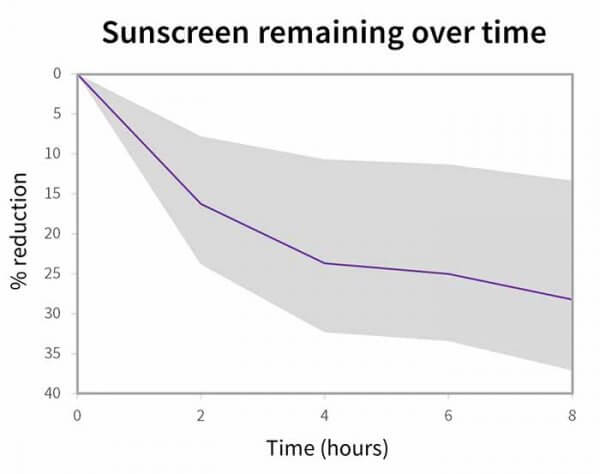
Understanding the actual rate at which sunscreen protection degrades is crucial for informed reapplication strategies. Dr. Wong highlighted a key study by Rungananchai C et al. (2019), which provided rare direct data on sunscreen persistence on the face. In this study, 20 participants applied sunscreen mixed with a dye at the standard 2 mg/cm² to their faces. Researchers then photographed the distribution of the dye over an 8-hour period, with participants allowed up to an hour of outdoor exposure but otherwise engaging in indoor activities without applying other products.
The findings revealed a significant reduction in dye presence over time: an average of 16% less dye after just 2 hours, 7% less after 4 hours (total 23% less), and a further 4.5% less after 8 hours, culminating in an approximate 30% reduction in sunscreen coverage by the end of the day. While this study provides valuable quantitative data, it’s important to acknowledge its limitations. It focused on indoor workers with minimal disruption, and different sunscreen formulations (e.g., water-resistant vs. non-water-resistant, chemical vs. mineral) may exhibit varying degrees of persistence. However, it strongly suggests that even under relatively benign conditions, a substantial portion of sun protection is lost.
To illustrate the practical impact, a 30% reduction in sunscreen coverage translates directly to a proportional decrease in SPF. For instance, an initial SPF 50 could effectively drop to SPF 35, SPF 30 to SPF 21, and SPF 15 to SPF 10. This linear relationship between applied sunscreen amount and actual SPF underscores that starting with a higher SPF offers a greater residual protection margin at the end of the day. The implications are clear: relying solely on a morning application, even of a high-SPF product, may leave individuals significantly under-protected against the cumulative effects of UV exposure, which include accelerated skin aging, hyperpigmentation, and an increased risk of skin cancer.
Navigating Reapplication: Tailored Strategies for Diverse Lifestyles
Recognizing that a one-size-fits-all approach to sunscreen reapplication is impractical, Dr. Wong outlined three distinct scenarios, offering adaptable strategies that balance sun protection with cosmetic concerns. This pragmatic framework acknowledges the compromises inherent in reapplying sunscreen over makeup.
Scenario 1: Minimal Sun Exposure
For individuals whose daily routine involves predominantly indoor activities with limited direct sun exposure—such as commuting in the morning and evening, working in an office, and avoiding peak sun hours—Dr. Wong suggests that reapplication may not be strictly necessary. In these instances, relying on the initial morning application, coupled with conscious efforts to minimize incidental sun exposure (e.g., walking on the shady side of the street, sitting away from windows), can be sufficient. This approach prioritizes minimal disruption to makeup while acknowledging the reduced UV load. Signs of adequate protection, such as the lightening of freckles and rapid fading of post-inflammatory hyperpigmentation, can serve as indicators of efficacy for personal assessment.
Scenario 2: Significant and Unavoidable Sun Exposure
At the opposite end of the spectrum are situations involving prolonged and intense sun exposure, such as extended outdoor activities, beach visits, or sports. In these high-risk scenarios, sun protection must take absolute precedence over cosmetic perfection. Dr. Wong strongly advises using a water-resistant sunscreen and adopting a minimalist makeup approach. This might involve only tinted moisturizer, blush, or strategically placed concealer, minimizing products that require precise placement. The strategy then involves diligent reapplication of the water-resistant sunscreen every two hours. For those concerned about buildup or dirt, a gentle makeup wipe can be used to cleanse the face before reapplication, though generally, sunscreen can be layered directly. Complementary measures, such as wearing wide-brimmed hats and UPF-rated clothing, are also crucial.
Scenario 3: Moderate Daily Sun Exposure with Makeup Considerations
This "in-between" scenario represents the most common dilemma for many, where maintaining a polished makeup look is desired, but a decent level of reapplication is also needed due to moderate sun exposure (e.g., a lunch break walk, sunny commute). Here, the core principle is that sun protection scales linearly with the amount applied. The goal is to apply as much sunscreen as possible in an even layer, with minimal disturbance to existing makeup. This is where the choice of reapplication product and technique becomes critical.
Evaluating Reapplication Tools: A Critical Assessment
The market offers various products purported to facilitate sunscreen reapplication over makeup, but their efficacy varies significantly. Dr. Wong’s analysis critically assesses these options, emphasizing the need for sufficient application quantity to achieve labeled SPF.
Foundation and Powders with SPF: Insufficient Protection
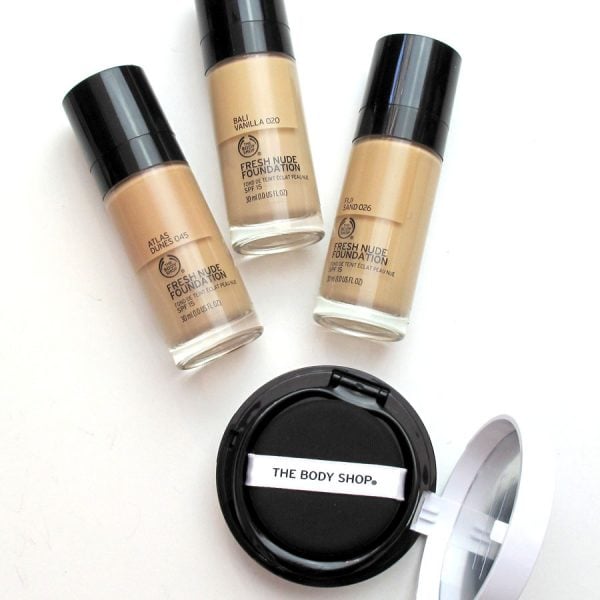
While many foundations and powders boast SPF ratings, Dr. Wong cautions against relying on them for primary sun protection or reapplication. Studies indicate that the average amount of liquid foundation applied (around 0.54g for a 400 cm² face) is insufficient to achieve the stated SPF, often yielding only a fraction of the advertised protection. For example, a foundation labeled SPF 15 might only provide an actual SPF of 3-5 at typical application levels. Powders are even less effective; an average application of 85 milligrams across the face results in negligible SPF, far below what is required for meaningful protection. The inherent unevenness of powder application further compromises its protective capabilities.
Even specialized powder sunscreens, such as those from Colorescience, which demonstrate water resistance and higher mineral content, face significant practical limitations. While a Colorescience study showed an average of 0.542 mg/cm² of product remaining after a water resistance test (suggesting good adherence), this was achieved by applying 2 mg/cm² of powder, patting it evenly, and letting it set for 15 minutes—an application regimen that is highly unrealistic for daily reapplication over makeup. Furthermore, to extract a sufficient amount of product from the brush applicator to achieve these levels (approximately 0.22g for a full face), one would need to swirl the brush for a full 60 seconds, priming it multiple times. This laborious process, combined with small product sizes and high cost, renders powder sunscreens generally impractical for robust reapplication, despite their innovative formulations.
Sunscreen Sprays: Reassessment and Revised Recommendations (June 2026 Update)
Sunscreen sprays have often been touted as a convenient solution for reapplication over makeup. However, a significant update from June 2026, incorporating new experiments by Dr. Wong and reports from Australian researchers, leads to a revised recommendation: sunscreen sprays are generally not recommended for direct facial reapplication.
Previous assumptions suggested that at least 1/2 to 1/3 of the sprayed product would land on the face. However, recent tests indicate that with normal application, only 1/5 to 1/9 of the product actually reaches the skin. This drastic reduction in deposited product means that achieving sufficient, even coverage for the labeled SPF is highly improbable. Furthermore, aerosol sunscreens, which come in pressurized metal cans, contain propellants. Tests by organizations like Choice magazine have revealed that only 40-60% of the dispensed product is actual sunscreen, with the remainder being propellant. This means even more product needs to be applied to compensate for the dilution. Wind conditions further exacerbate the problem, blowing away a significant portion of the spray.
While sprays might be acceptable if applied very close to the skin (a couple of inches), this method is likely to disturb makeup significantly. The revised recommendation is to spray the product into the hand first, then pat it onto the skin with fingers or a sponge, effectively treating it as a liquid sunscreen.
The Recommended Method: Sunscreen Lotion with a Cushion Puff
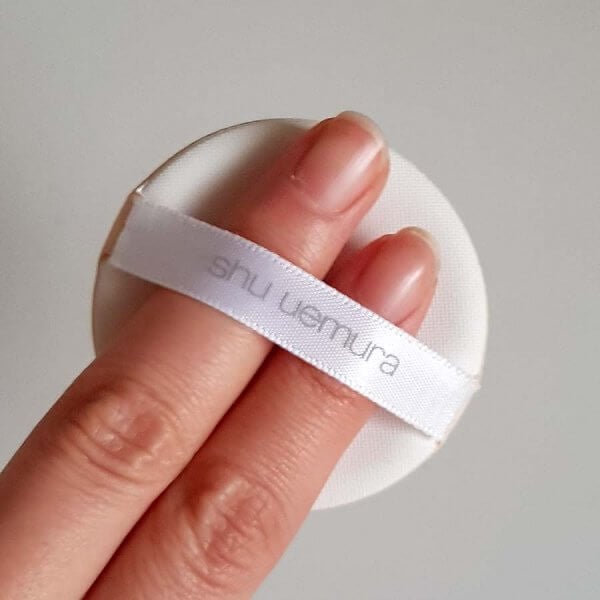
Dr. Wong’s preferred and most effective method for reapplying sunscreen over makeup involves using regular sunscreen lotion applied with a cushion puff. This technique, popular in the Asian skincare community for years, offers a superior balance of efficacy and cosmetic elegance.
Cushion applicators, which are thin and typically made of non-absorbent material, soak up less product than traditional beauty sponges, ensuring more sunscreen is transferred to the skin. They are also portable, can be easily carried in a bag (e.g., in a ziplock), and their flexible design allows for precise application around intricate areas like the nose and eyes.
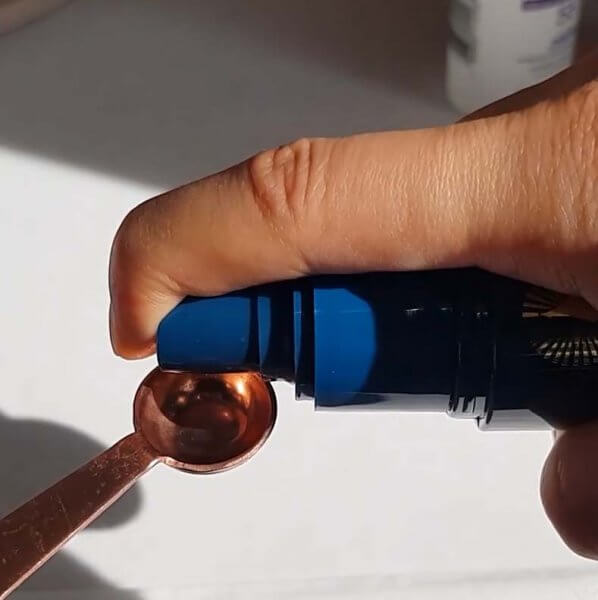
The application process involves dispensing a measured amount of liquid sunscreen (e.g., a quarter teaspoon for the face) onto the cushion puff. Beginning with areas of the face that are typically bare or have minimal makeup (e.g., jawline, forehead perimeter), the sunscreen is gently patted onto the skin. The applicator is then moved to areas with more makeup, ensuring even distribution without excessive rubbing, which could smudge foundation or concealer. While reapplication over intricate eye makeup like eyeshadow is challenging and likely to cause disruption, it’s a manageable compromise for overall facial protection.
For optimal results, lightweight, silicone-based sunscreens tend to work best with this method, as they spread easily and dry down without feeling heavy or greasy over makeup. Dr. Wong recommends checking ingredient compatibility if switching sunscreens, though generally, reapplying the same sunscreen used in the morning is a safe bet.
Broader Implications and the Future of Sun Protection
The ongoing challenge of sunscreen reapplication highlights a critical gap in consumer-friendly sun protection solutions. As awareness of UV damage continues to grow, there is an increasing demand for products that seamlessly integrate into daily routines without compromising aesthetic goals.
Dr. Wong’s analysis underscores the need for continued innovation in the beauty and skincare industry. Future developments may include smarter applicator designs that ensure precise and sufficient product delivery, highly transparent and lightweight sunscreen formulations that blend imperceptibly over makeup, and potentially novel technologies that allow for effective, mess-free reapplication. The ultimate goal is to remove the friction points that currently deter many from consistent reapplication.
From a public health perspective, clear and practical guidance, like that provided by Dr. Wong, is essential. Educating consumers on the nuances of sunscreen efficacy, the limitations of SPF in makeup, and effective reapplication techniques empowers individuals to make informed choices for their long-term skin health. As scientific understanding evolves and product technologies advance, the vision of achieving optimal sun protection without sacrificing daily aesthetics inches closer to reality. For now, a pragmatic, adaptable approach, utilizing tools like the cushion puff, remains the most reliable strategy for sustained sun defense.
