
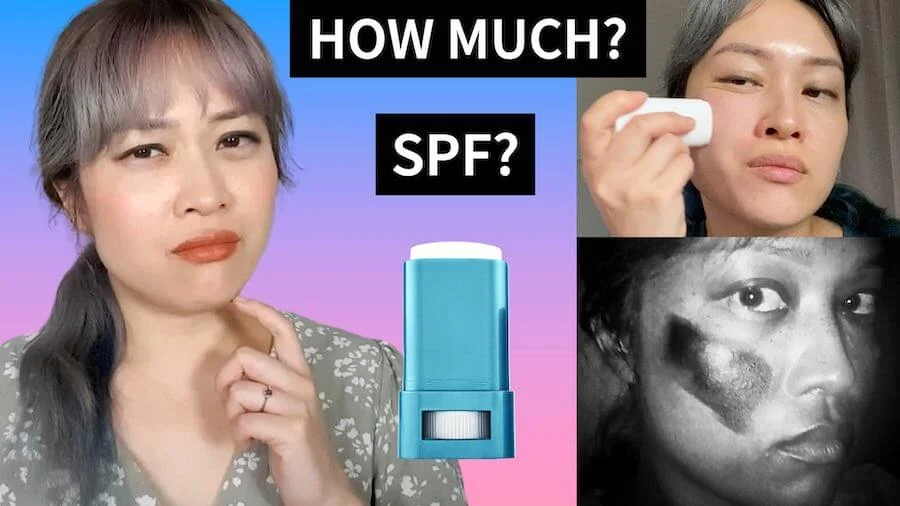
Sunscreen sticks, celebrated for their portability and mess-free application, present a unique challenge for consumers: determining if an adequate amount has been applied to achieve the stated SPF. A recent investigation by Dr. Michelle Wong of Lab Muffin Beauty Science, published on June 25, 2026, sheds critical light on this widespread dilemma, revealing that common application practices with sunscreen sticks fall significantly short of the recommended dosage for effective sun protection. The comprehensive study utilized precise weighing techniques and video analysis to quantify application amounts, estimated SPF, and application time, ultimately concluding that achieving full SPF with sticks is far more difficult and time-consuming than generally perceived, often resulting in substantially lower protection levels and frequently missed areas.
The Rise of Sunscreen Sticks and Application Challenges
In an era where sun protection is increasingly emphasized for public health, sunscreen sticks have emerged as a popular choice, particularly for on-the-go reapplication and targeting specific areas like the face. Their solid format eliminates the potential for spills and offers a convenient alternative to lotions. However, unlike liquid sunscreens, where a "teaspoon rule" or similar volumetric guidance can be applied, quantifying the amount of a solid stick product transferred to the skin has remained elusive for the average user. This lack of clear, actionable guidance has led to widespread speculation and uncertainty regarding their efficacy in real-world use. The scientific standard for achieving labeled SPF is a coverage of 2 milligrams per square centimeter (2 mg/cm²). Dr. Wong’s research sought to bridge this knowledge gap by rigorously testing how much product is actually applied during typical "generous" usage scenarios.
Methodology: Unpacking the Face Application Tests
The initial phase of the investigation focused on face application, employing a meticulous methodology to estimate protection levels. Dr. Wong, the sole subject of the experiment, used three popular Korean SPF 50+ sunscreen sticks known for their lightweight textures: Tocobo, Abib, and Benton. The choice of SPF 50+ reflects the high protection sought by many consumers.
To quantify the applied amount, each sunscreen stick was weighed using jewelry scales accurate to 0.01g before and after application. This gravimetric method is considered the gold standard in SPF testing. Based on previous measurements, Dr. Wong established that her face required 0.76g of product to achieve the standard 2 mg/cm² coverage for the labeled SPF. The estimated SPF for each layer was then calculated assuming a linear relationship between the amount applied and the SPF, a common approximation in such studies.
Beyond mass, the study also meticulously tracked application time. Using video footage captured in selfie mode, Dr. Wong painstakingly analyzed the duration for which the sunscreen stick remained in contact with her skin. This metric aimed to provide a more relatable reference point for consumers who do not have access to precision scales. The process involved repeated "generous" applications, initially planned as a single layer but extended to three layers when preliminary results indicated significantly lower application amounts than anticipated. This iterative approach allowed for observation of product build-up and changes in transfer efficiency.
Key Findings from Face Tests: Under-Application is Widespread
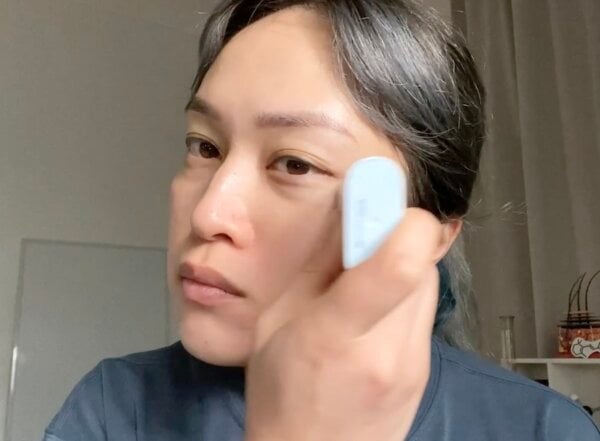
The results from the face application tests were stark and revealed a consistent pattern of under-application. Even with what Dr. Wong considered a "generous" initial layer, the average amount applied was merely 0.29g. This figure represents approximately 38% of the 0.76g required to achieve the labeled SPF 50, resulting in an estimated SPF of only 19.1.
Detailed results for each stick and layer are summarized below:
| Layer | Accrued Mass (g) | SPF Equivalent | Accrued Time on Skin (sec) | Layer Mass (g) |
|---|---|---|---|---|
| Tocobo 1st | 0.29 | 19.1 | 43.0 | 0.29 |
| Tocobo 2nd | 0.49 | 32.2 | 87.5 | 0.20 |
| Tocobo 3rd | 0.69 | 45.4 | 152.5 | 0.20 |
| Abib 1st | 0.25 | 16.4 | 44.0 | 0.25 |
| Abib 2nd | 0.43 | 28.3 | 111.5 | 0.18 |
| Abib 3rd | 0.59 | 38.8 | 188.0 | 0.16 |
| Benton 1st | 0.33 | 21.7 | 78.5 | 0.33 |
| Benton 2nd | 0.51 | 33.6 | 160.5 | 0.18 |
| Benton 3rd | 0.63 | 41.4 | 220.0 | 0.12 |
Across all three sticks, the first layer, despite involving an average of 43 seconds of direct skin contact, only delivered approximately one-third of the necessary product. Even after three successive layers, with total application times approaching several minutes (e.g., 220 seconds for Benton), the average accrued mass was 0.64g, still below the 0.76g target. This is particularly striking when compared to lotion sunscreens, which Dr. Wong noted she could apply in a full 0.76g amount within approximately 60 seconds, achieving full SPF with less product and in significantly less time. The data suggests that the intuitive perception of "generous" application with sunscreen sticks is deeply flawed, leading to a false sense of security.
Texture and Formula Influence on Application
The study also highlighted how the distinct textures of the sunscreen sticks influenced product transfer and the diminishing returns observed with subsequent layers.
- Tocobo: Described as soft and silky, it transferred the most product initially but became slicker with additional layers.
- Abib: Noted for its very slick, dry oil-like texture, it transferred less product per pass, especially in later layers, indicating a resistance to further build-up on the skin.
- Benton: A mineral sunscreen, it was the thickest and transferred a good amount in the first layer, but subsequent layers saw a rapid decrease in transfer, likely due to its substantial, less spreadable texture.
These observations underscore that product formulation plays a critical role in how easily a stick sunscreen can be applied adequately. A stick’s ability to transfer product onto the skin diminishes as the skin surface becomes more saturated, regardless of continued application effort.
Challenging the ‘Four Passes’ Recommendation
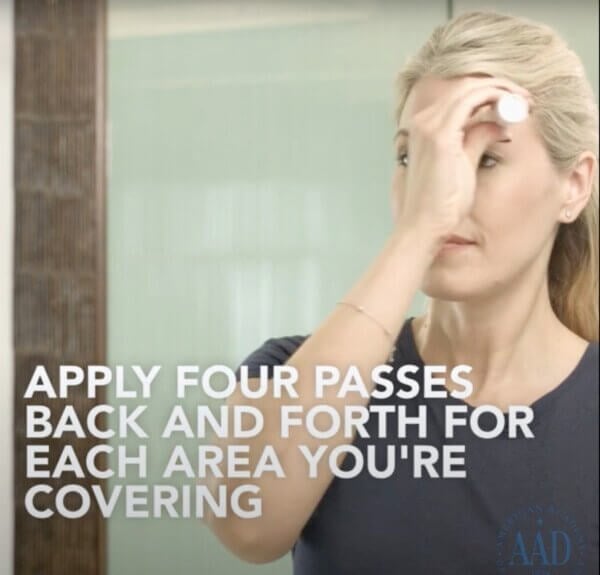
A commonly cited guideline, particularly from the American Academy of Dermatology (AAD), recommends applying "four passes" of a sunscreen stick for sufficient coverage. This recommendation has long been a source of debate due to its qualitative nature. Dr. Wong’s study directly challenged this advice by quantifying the number of passes made during her face application experiments.
Across four distinct facial regions (left cheek, right cheek, forehead, chin), the average number of passes for the first layer ranged from 7 to 16. Even with these extensive passes, the amount applied was still only about one-third of the required 0.76g. For subsequent layers, the number of passes increased further, with some areas receiving up to 24 passes in the third layer, yet still failing to reach the target mass.
Key findings regarding passes on the face:
- The first layer averaged 8-10 passes per facial area.
- Even with more passes, the subsequent layers applied less product.
- A "single pass" in this context often involved multiple overlapping strokes, indicating the difficulty of defining a "pass" on an irregular surface like the face.
The study unequivocally demonstrated that adhering to a "four passes" rule is highly unlikely to provide adequate protection. The AAD’s own demonstration video, where the model applies four passes without significant overlap, further suggests that this guideline may prioritize ease of communication over actual efficacy. The subjective nature of "a pass" on a contoured face makes it an unreliable metric for ensuring proper coverage.
Arm Application: A ‘Best Case’ Scenario Reveals Persistent Challenges
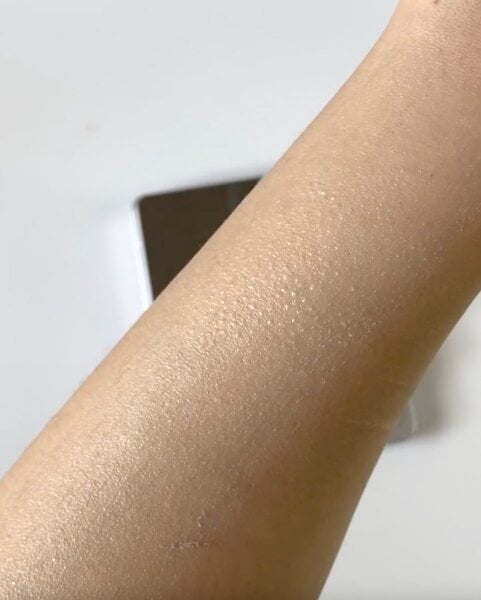
To further investigate product transfer under ideal conditions, Dr. Wong conducted additional tests on the flat surface of her arm. This "best case scenario" aimed to minimize variables introduced by facial contours and varied pressure. For these tests, 20 passes of the Tocobo and Abib sticks were applied, and the mass transferred and the area covered were measured.
The results from the arm tests reinforced the difficulty of achieving the 2 mg/cm² standard:
- Tocobo stick: Required approximately 16-21 passes to achieve 2 mg/cm² coverage.
- Abib stick: Required a significantly higher ~40-64 passes to reach the same coverage, consistent with its slicker texture observed in face tests.
Even on a flat surface, achieving adequate coverage necessitated far more passes than the commonly recommended four. The amount applied was also highly dependent on pressure, a variable that is difficult for consumers to standardize. This suggests that even with conscious effort, the physical properties of sunscreen sticks make them inherently challenging to apply in sufficient quantities.
The Pitfalls of UV Cameras for SPF Assessment
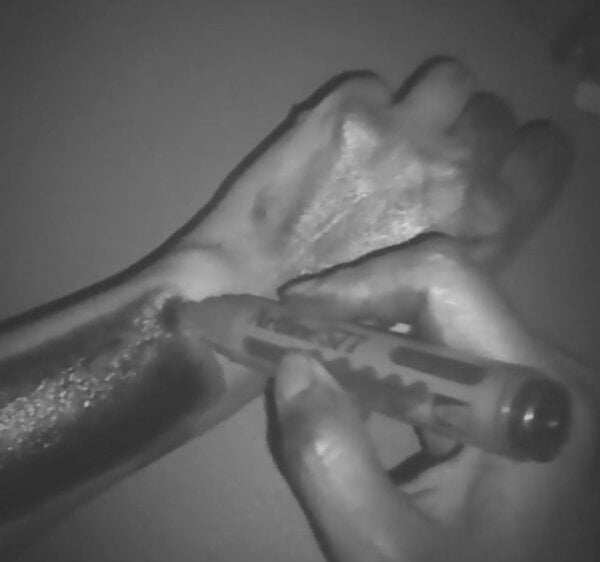
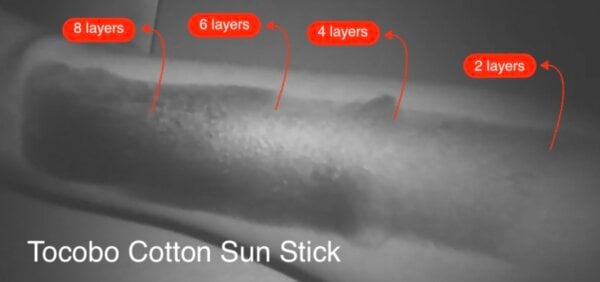
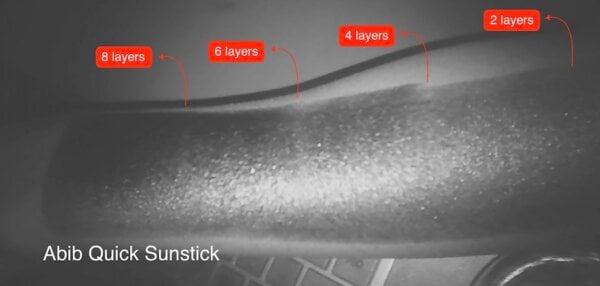
The study also critically evaluated the use of UV cameras, popular tools for visualizing sunscreen coverage. While acknowledging their utility for identifying missed spots, Dr. Wong demonstrated that UV cameras are a "very poor method for estimating SPF." Images showed that the visual darkness of an applied patch did not significantly increase after four passes, even as more product was demonstrably transferred. This discrepancy highlights that visual cues from UV cameras can be misleading regarding the actual mass of sunscreen applied, and thus, the true SPF achieved. Relying solely on a UV camera to gauge "enough" sunscreen can lead to a false sense of adequate protection.
Missed Spots: A Persistent Problem with Sticks
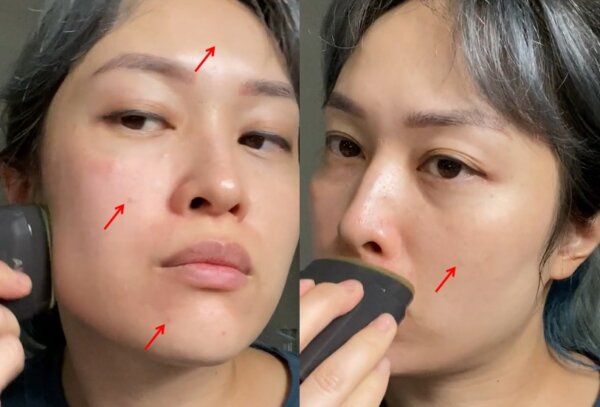
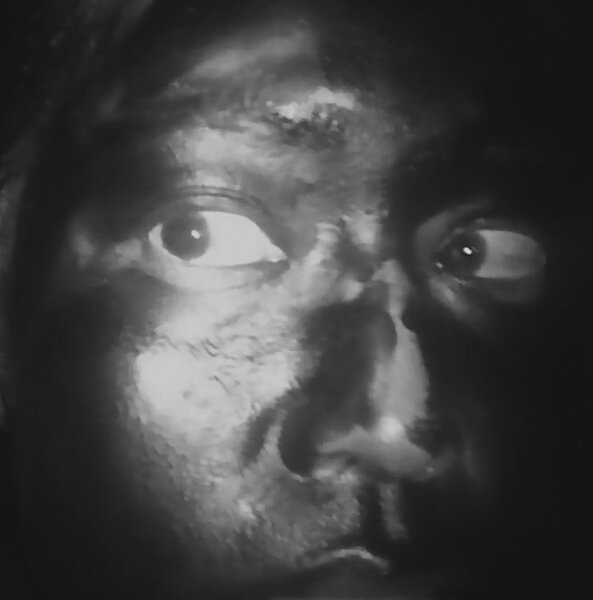
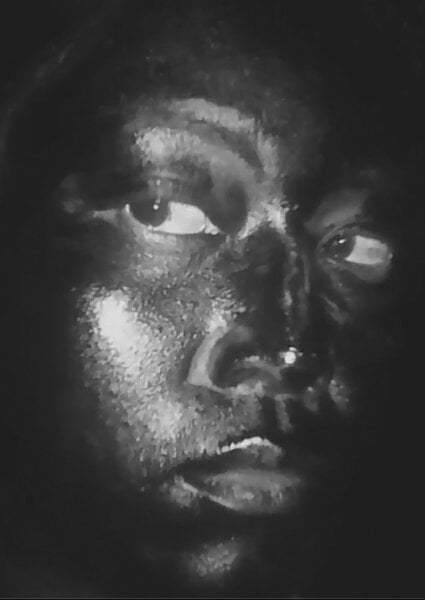
One of the most concerning findings was the prevalence of missed spots, even when applying the sticks while actively watching in selfie mode. Common areas overlooked included:
- The middle of the nose
- Eyebrows
- Under the brow bone
- Near the hairline
- The crevices next to the nostrils
These areas, often prone to sun exposure, are difficult to navigate with the broad, rigid surface of a stick, unlike the flexibility of fingers when applying lotion. The lack of tactile feedback from a stick further compounds this issue. While these missed spots can be corrected by rubbing the product in, this compromises the "no-touch" convenience that draws many to sticks and requires a UV camera to identify precisely where to rub. Without a UV camera, users would need to manually blend the entire face, negating much of the stick’s practical appeal.
Sensory Experience and Aesthetic Considerations
Beyond efficacy, the study also addressed the user experience, particularly the feel and appearance of multiple layers of stick sunscreen.
- Layer 1 (approx. 0.29g): While already feeling thicker than a full 0.76g of lotion sunscreen (due to sticks containing fewer volatile solvents like water or alcohol), all three sticks generally felt pleasant. The Tocobo stick appeared matte and silky, while the Abib stick was dewy, and the Benton mineral stick left only a slight white cast.
- Layer 2 (approx. 0.43-0.51g total): Textures began to become "slidey," potentially compromising makeup application, though this might vary on drier skin types. The Abib stick became quite glossy, and the Benton stick showed a more noticeable white cast.
- Layer 3 (approx. 0.59-0.69g total): All sticks transformed into a "slippery mess." The Benton mineral stick, in particular, became "pretty ghastly" with a significant white cast and transferred white grease onto fingernails upon touch.
This demonstrates a clear trade-off: achieving closer to the recommended SPF with a stick often comes at the cost of an undesirable sensory and aesthetic experience, making consistent, adequate application impractical for daily wear.
Broader Implications for Sun Protection

The findings from Lab Muffin Beauty Science carry significant implications for consumers, product manufacturers, and public health educators.
- Consumer Awareness: The study underscores that sunscreen sticks, despite their convenience, are generally not suitable as a primary form of sun protection, especially for prolonged or intense sun exposure, due to the inherent difficulty in applying sufficient amounts. Relying on intuitive "generous" application or qualitative guidelines like "four passes" provides a false sense of security.
- Product Design: Manufacturers might consider developing sticks with higher transfer efficiency or clearer visual cues for adequate application. However, the inherent trade-off between transfer volume and aesthetic feel (greasiness, white cast) presents a significant challenge.
- Public Health Guidance: Dermatological and public health organizations should revisit and refine their recommendations for sunscreen stick application. Emphasizing the need for multiple, overlapping layers and thorough blending, or perhaps providing time-based application guides rather than pass counts, could be more effective. Education should highlight the ergonomic challenges and potential for missed spots.
While sticks are suboptimal for primary sun protection, the study acknowledges their niche utility for specific situations:
- Reapplication: Especially over makeup, where rubbing in a lotion might disturb the cosmetic layer.
- Targeted Areas: Small, often-forgotten areas like the ears, hands, feet, or specific "hot spots" that need extra attention.
- Accessibility: For individuals who struggle with liquid formulations or require a compact, spill-proof option for occasional, limited exposure.
Call for Further Research and Public Engagement

Dr. Wong openly acknowledges the limitations of her study, primarily that it was conducted by a single individual. She encourages others to replicate her experiments, noting that individual application habits (e.g., pressure exerted) could influence results. Expanding this research to a larger, more diverse participant group would provide more robust data and help generalize the findings across different skin types and application styles. The detailed procedures provided in the article serve as a guide for citizen scientists or other researchers interested in contributing to this critical area of sun protection science.
In conclusion, while sunscreen sticks offer undeniable convenience, Dr. Wong’s rigorous investigation highlights a significant gap between perceived and actual protection. Consumers must be aware that achieving the labeled SPF with these products requires substantially more effort, time, and product than commonly believed, often resulting in an impractical and aesthetically undesirable finish. For robust sun protection, especially during significant sun exposure, traditional lotion sunscreens remain the more reliable choice, with sticks best reserved for targeted reapplication or supplementary protection.
Detailed Experimental Procedures (Replicated and Rephrased for Clarity)
For those wishing to conduct similar investigations, the following detailed procedures were employed:
I. Weight Applied Measurement
- Preparation: The subject’s face was thoroughly washed and allowed to dry completely to ensure no residual products interfered with application.
- Initial Weighing: Precision jewelry scales (calibrated for accuracy to ±0.02g using water and gastight syringes) were tared with the sunscreen stick placed upon them.
- Layer 1 Application: A generous amount of sunscreen stick was applied to the face while filming in selfie mode. This allowed the subject to monitor application areas.
- Reweighing: Immediately after Layer 1, the stick was reweighed to determine the mass transferred.
- Subsequent Layers: Steps 3 and 4 were repeated for a second and third "generous" layer. The decision to apply multiple layers was made dynamically when initial weighing revealed significant under-application. Application ceased when the face felt oversaturated or product transfer appeared to reverse.
- Repetition: The entire process (Steps 1-5) was repeated for each of the three Korean SPF 50+ sunscreen sticks (Tocobo, Abib, Benton).
II. Time Applied Measurement
- Video Processing: The recorded footage was converted to a constant frame rate (30 frames per second).
- Segmenting Contact Time: Using video editing software (Final Cut Pro), segments where the sunscreen stick was lifted off the skin for more than 10 frames (0.33 seconds) were meticulously removed. Due to a single camera angle, judgment calls were based on visible skin stretching and stick movement.
- Total Contact Time: The cumulative duration of continuous skin contact was calculated by the software and rounded to the nearest half-second for accuracy. It was noted that total application time (including gaps) was approximately 20-25% longer than the calculated contact time.
III. Face Pass Count
- Analysis of Condensed Footage: The condensed video footage (showing only skin contact) was reviewed frame-by-frame.
- Pass Identification: For four specific facial areas (middle of left cheek, middle of right cheek, middle of forehead, middle of chin), each instance where the sunscreen stick passed over the designated spot was counted as one "pass."
- Ambiguity Resolution: Due to the irregular surface of the face and overlapping movements, judgment was exercised to distinguish distinct passes from continuous movement within a single area.
IV. Arm Pass Measurement
- Preparation: The left forearm was thoroughly washed and dried.
- Initial Weighing: The sunscreen stick was tared on the scales.
- Application: Twenty straight, upward and downward passes were applied to the upper forearm, aiming to keep passes within the same general region.
- Area Delineation: A UV camera was used to visualize the applied sunscreen, and the boundaries of the covered area were marked with a marker. (It was observed that the shiny patch closely corresponded to the UV camera’s dark area, making a UV camera optional if only scales are available).
- Area Measurement: The dimensions of the marked area were measured with a ruler, ensuring the arm was held at a consistent angle to minimize skin surface area changes. The area was approximated as a trapezoid for calculation.
- Repetition: The procedure was repeated multiple times for the Tocobo stick and for the Abib stick (the Benton stick did not visualize well with the UV camera). Varying pressures were tested in subsequent runs to observe their impact.
