
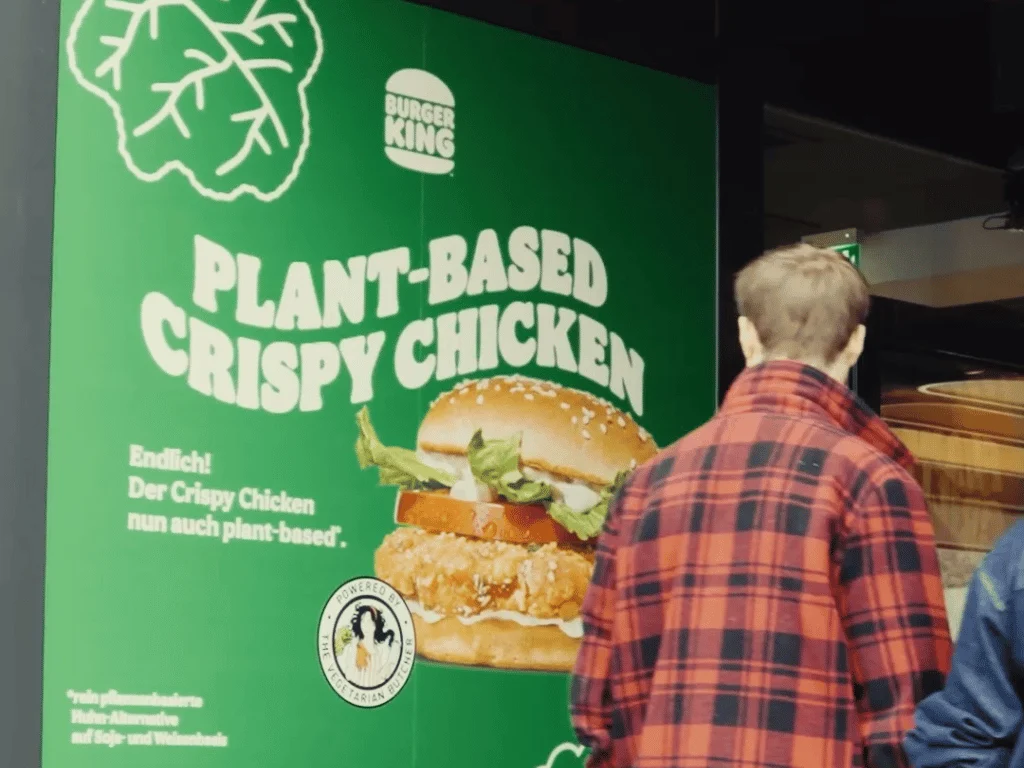
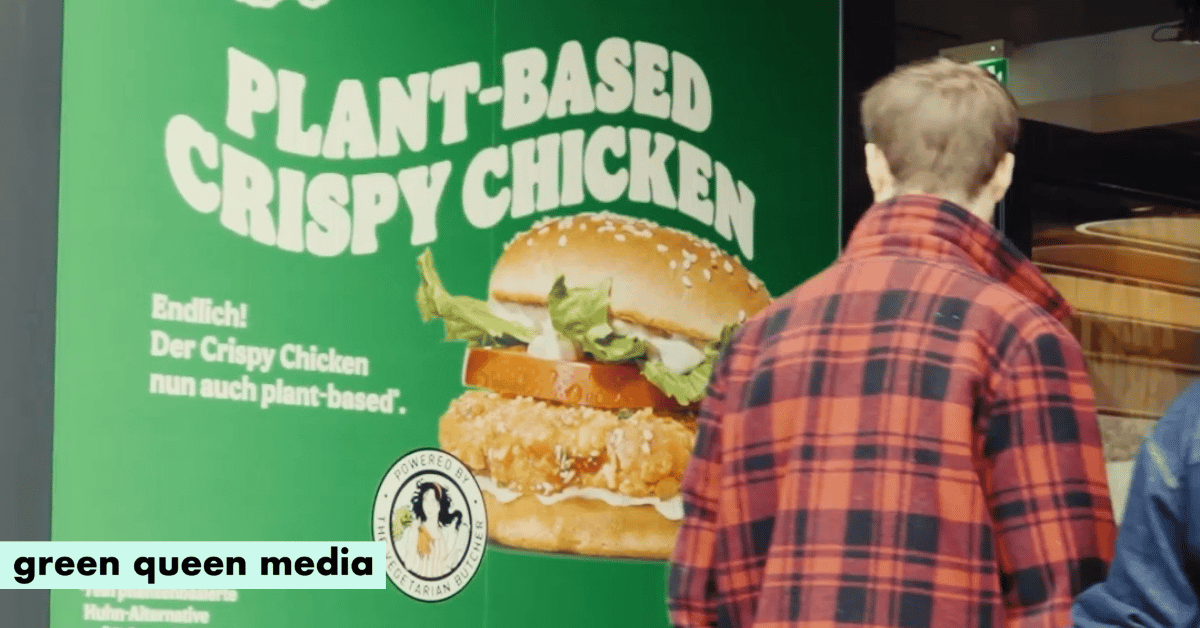
Fast-food giant Burger King has taken a definitive step forward in its European plant-based strategy by rolling out a completely vegan crispy chicken burger across all of its restaurant locations in Austria. Developed in close collaboration with alternative protein pioneer The Vegetarian Butcher, the launch represents a historic global first for the fast-food corporation, introducing a plant-based iteration of a core poultry menu item nationwide rather than restricting it to a limited-time test or a select few metropolitan stores.
The newly introduced menu item is available to Austrian consumers in several formats, including a single-patty burger, a double-patty variation, and a wrap. This strategic diversification aims to capture a broad demographic of flexitarian, vegetarian, and vegan diners seeking familiar fast-food textures and flavor profiles without the consumption of animal-derived proteins.
Anatomy of the New Plant-Based Offering
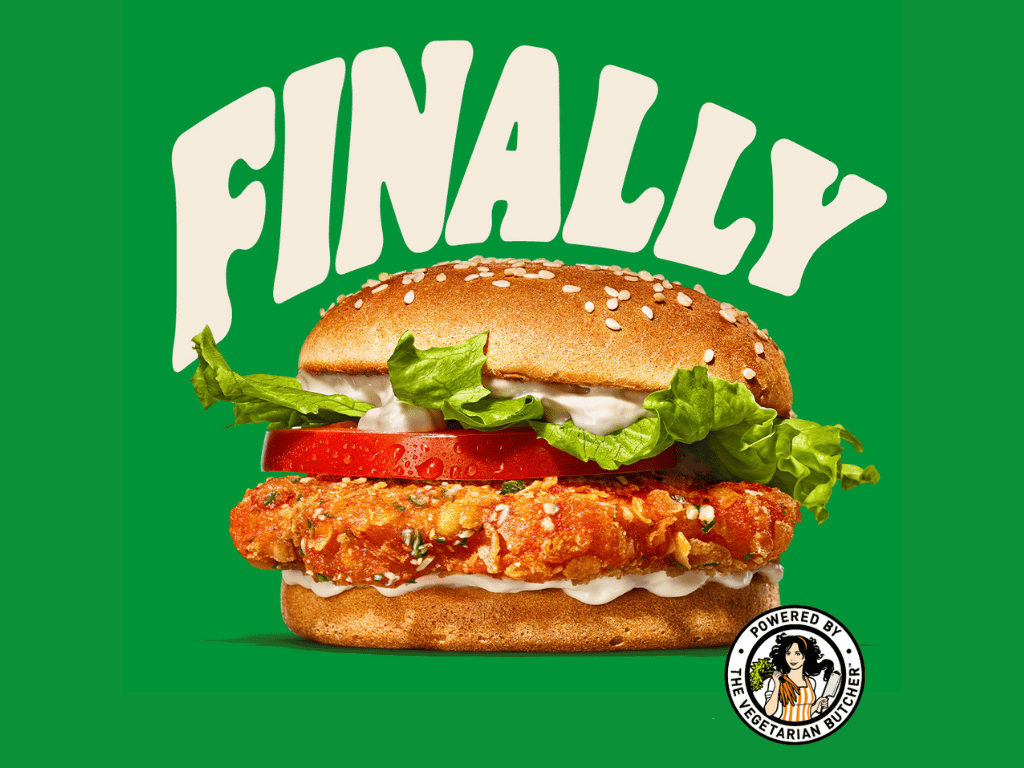
The newly engineered crispy chicken alternative is primarily formulated from a blend of soy and wheat protein, designed to mimic the fibrous texture and savory bite of conventional deep-fried poultry. To ensure operational clarity for kitchen staff and easy identification for consumers, each plant-based patty is visibly sprinkled with tiny pieces of pumpkin seeds. This deliberate visual marker serves a similar function to the parsley flakes utilized by Burger King during previous product rollouts in Germany, preventing cross-handling errors in high-speed commercial kitchens.
Served inside an extra-long sesame seed bun, the sandwich is layered with crisp lettuce, fresh tomatoes, and a savory vegan mayonnaise. Nutritional profiling indicates that the single-patty iteration provides approximately 17 grams of plant-based protein, while the wrap format yields 17.5 grams.
Georg Eder, Managing Director of Burger King Austria, emphasized that the introduction aligns with evolving consumer demands across the region. According to Eder, modern restaurant guests increasingly expect a diverse selection of plant-based alternatives to items they already recognize and enjoy. By introducing the crispy chicken option, the company is systematically expanding its meat-free portfolio to incorporate another mainstream comfort-food classic.
Evolution of the Partnership: From Beef to Poultry
The nationwide launch in Austria underscores the deepening commercial relationship between Burger King and The Vegetarian Butcher, a partnership that originated in 2019. During that initial phase, the two entities collaborated to introduce plant-based beef alternatives to European restaurant menus, capitalizing on the rising wave of mainstream interest in meat-free dining.
At the inception of the partnership, The Vegetarian Butcher operated as a subsidiary of consumer goods conglomerate Unilever. However, the corporate landscape surrounding alternative proteins shifted significantly when Unilever divested the brand to Vivera, a prominent European meat-free producer owned by JBS, the world’s largest conventional meat processor. Months following this acquisition, JBS unified its plant-free assets under a single operational banner designated as The Vegetarian Butcher Collective. Despite these corporate transitions, the supply chain integration with Burger King remained robust, enabling continuous menu innovation across international markets.
Prior to the arrival of the plant-based crispy chicken, Burger King’s Austrian consumer base already had access to several meat-free alternatives, including plant-based iterations of the signature Whopper, long chicken sandwiches flavored with regular or curry seasonings, and vegan chicken nuggets.
Global Positioning and Industry Leadership in Plant-Based Fast Food
Within the quick-service restaurant (QSR) sector, Burger King has consistently positioned itself as an industry leader in plant-rich menu development. A comprehensive global industry report published in 2023 distinguished the chain as the most vegan-friendly fast-food enterprise worldwide, outperforming major competitors such as McDonald’s, Subway, Pizza Hut, and KFC in terms of plant-based main dish availability.
The brand’s experimentation with plant-based eating spans multiple continents. In the United States, Burger King partnered with Impossible Foods in 2019 to debut the Impossible Whopper. While the plant-based beef patty successfully captured significant market share, the build itself remained non-vegan due to the inclusion of traditional egg-based mayonnaise. Across the Asia-Pacific region, the corporation integrated alternative proteins through localized partnerships, including collaborations with Australian manufacturer v2food to supply plant-based Whoppers in Australia via the Hungry Jack’s franchise network.
Moreover, Burger King has periodically transformed conventional outlets into fully meat-free experimental hubs. The company initiated this trend by converting a location in Cologne, Germany, into a temporary meat-free zone, followed by a highly publicized month-long transition of its flagship restaurant in London’s Leicester Square. These localized pilots support ambitious long-term corporate targets, such as the company’s public pledge to ensure that 50 percent of its entire United Kingdom menu is plant-based by the year 2031.
Retail Experiments and Logistical Challenges in Central Europe
Austria and Germany have frequently served as testing grounds for Burger King’s most aggressive sustainability and plant-based initiatives. In 2022, a single restaurant in Vienna temporarily replaced conventional beef burgers with plant-based equivalents, automatically serving meat-free options unless customers explicitly requested animal protein. The exercise was designed to test consumer habits and evaluate the feasibility of normalizing plant-based alternatives as the default culinary standard.
Further expanding its sustainability measures into beverages, Burger King implemented a temporary trial in Germany in 2023, making Oatly oat milk the default dairy alternative for all hot beverages across 10 store locations for a two-month period. In parallel, certain German markets strategically priced plant-based burgers lower than their meat-based counterparts to remove financial barriers and encourage broader consumer adoption of meat-free diets.
However, the path toward a fully plant-forward operating model has encountered operational hurdles. A notable misstep occurred in Austria when the company announced a permanent transition to oat milk for all hot drinks, effectively eliminating conventional dairy options entirely. Despite reporting an overwhelmingly positive initial consumer response to the non-dairy shift, intense pushback from a segment of traditional customers prompted corporate leadership to reverse the decision merely one week later, reinstating dairy milk as an option alongside the oat alternative.
Implications for the QSR Sector
The introduction of the plant-based crispy chicken burger in Austria illustrates a maturing fast-food landscape where alternative proteins are no longer treated as temporary novelties or niche menu additions. By scaling a vegan poultry product nationwide through standard operating channels, Burger King demonstrates that plant-based options can achieve parity with traditional menu items in terms of supply chain integration and marketing emphasis.
As consumer demographics continue to shift toward flexitarianism, QSR operators face mounting pressure to balance sustainability goals with consumer choice. While marketing missteps like the Austrian dairy reversal highlight the friction inherent in forcing dietary changes, structural additions such as the crispy chicken burger indicate that product innovation remains the primary driver of long-term plant-based growth in the global fast-food industry.
