
The integration of advanced dermatological technology into consumer skincare regimens has accelerated significantly with the introduction of home-use light-emitting diode (LED) devices. Among the latest contributions to this market is the Ulike ReGlow LED mask, a multi-wavelength phototherapy system designed to address common dermatological concerns, including epidermal inflammation, loss of elasticity, and hyperpigmentation. Developed by Ulike—a firm with over a decade of engineering experience in at-home intense pulsed light (IPL) hair removal devices—the ReGlow mask incorporates a structured hard-shell design and a 272-LED matrix. Recent product testing and independent clinical data from third-party laboratories have provided a comprehensive look at the device’s technological specifications, operational modes, and measurable physiological impacts on skin health over a standard 28-to-32-day testing cycle.
Technological Specifications and Multi-Wavelength Configuration
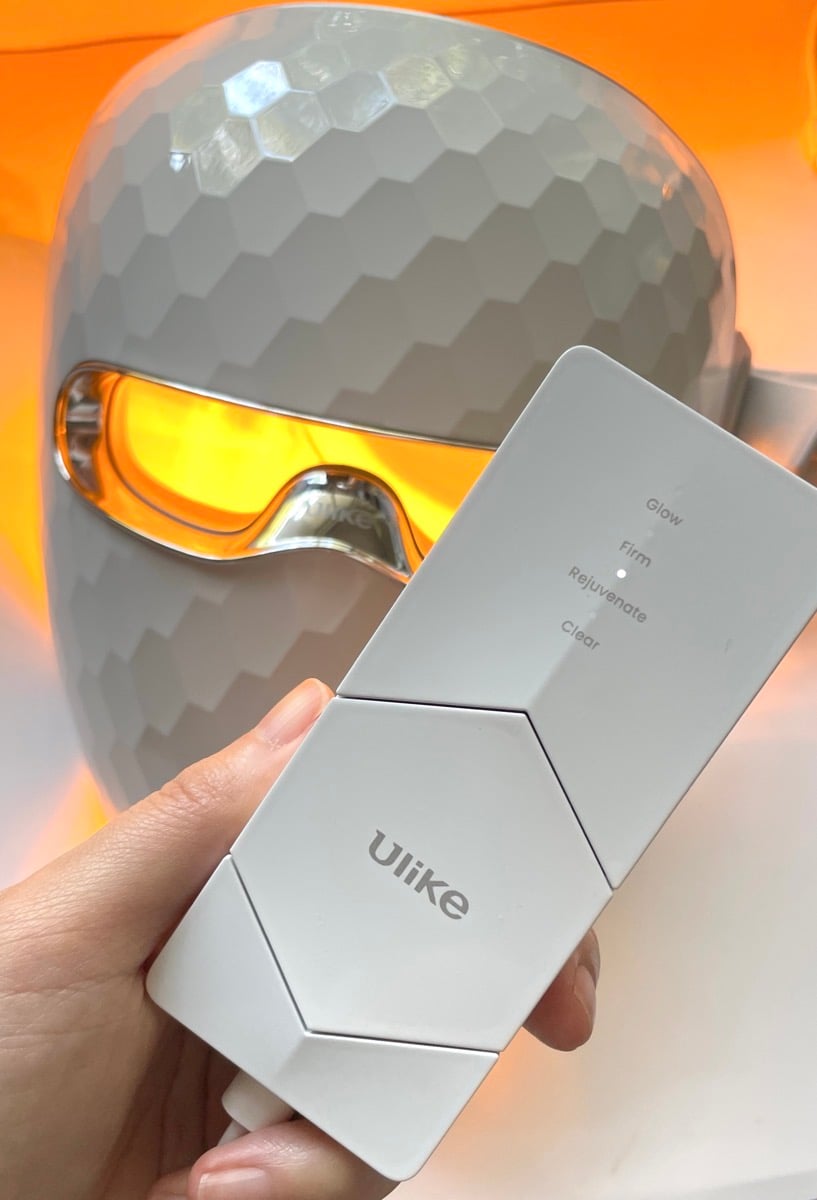
The functional efficacy of any LED phototherapy mask relies heavily on the specific light wavelengths emitted, as different wavelengths penetrate human skin at varying depths to stimulate distinct cellular mechanisms. The Ulike ReGlow device utilizes four distinct wavelengths of light, categorized into specific visible and invisible spectrums:
- Red Light (630 nm): Penetrates the upper layers of the dermis to stimulate cellular renewal, enhance microcirculation, and encourage the natural synthesis of collagen and elastin fibers.
- Infrared Light (830 nm): Reaches deeper subcutaneous tissue to facilitate tissue repair, reduce localized cellular inflammation, and accelerate healing processes.
- Yellow Light (590 nm): Absorbed efficiently by superficial blood vessels, this wavelength is primarily utilized to calm persistent skin redness and mitigate vascular flushing.
- Blue Light (465 nm): Targets Cutibacterium acnes bacteria responsible for inflammatory breakouts, though dermatologists note that blue light carries an elevated risk of stimulating hyperpigmentation in individuals with melanin-rich skin types.
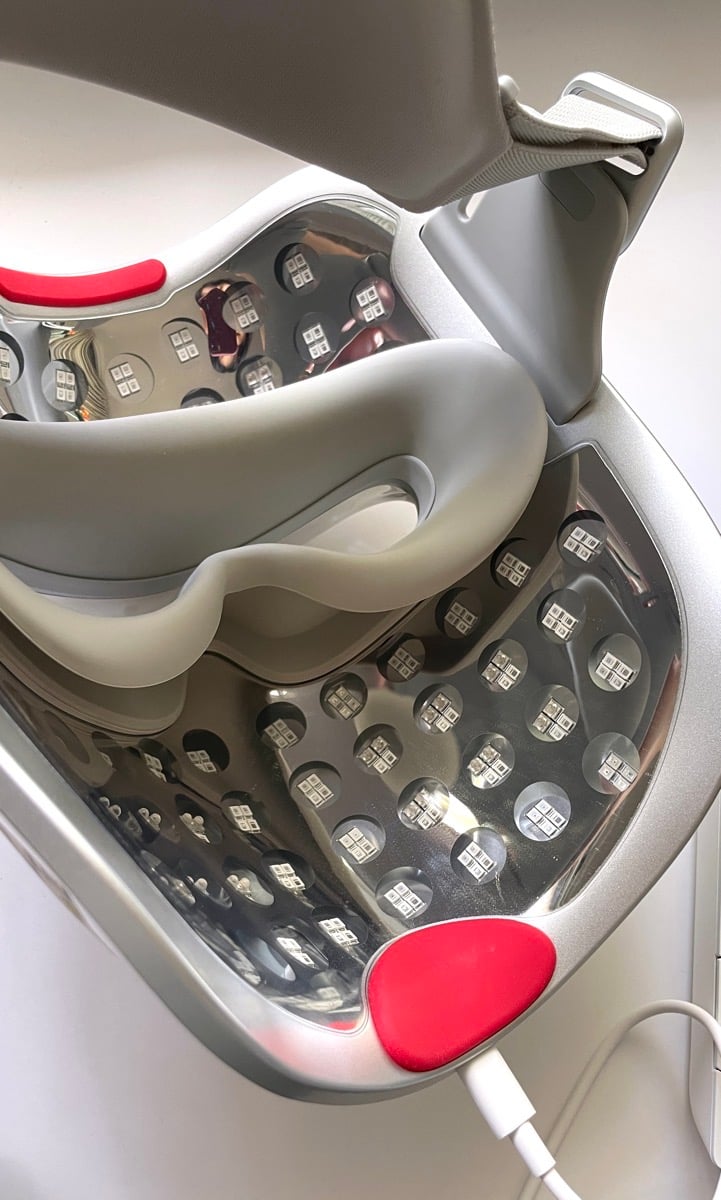
To maximize light delivery without requiring direct contact with the epidermis, the ReGlow mask features 68 distinct diode clusters totaling 272 individual LEDs. Each cluster is backed by a mirrored reflective surface designed to diffuse photon dispersion across the facial plane, resulting in a manufacturer-reported 77.4% increase in light irradiance compared to standard non-reflective flexible masks.
Chronology and Personal Testing Methodology
To evaluate the real-world performance of the device, structured product trials were conducted over a 32-day monitoring period. The testing methodology required participants to maintain a stable baseline skincare routine with minimal alterations to isolate the effects of the phototherapy device.
The standard protocol involved utilizing the mask’s primary modes—specifically the "Glow" and "Firm" configurations—on a consistent schedule of three to five times per week. The device’s built-in automated timers govern treatment durations to prevent overexposure:
- Glow Mode: 5-minute automated shut-off.
- Clear Mode: 5-minute automated shut-off.
- Firm Mode: 8-minute automated shut-off.
- Rejuvenate Mode: 8-minute automated shut-off.
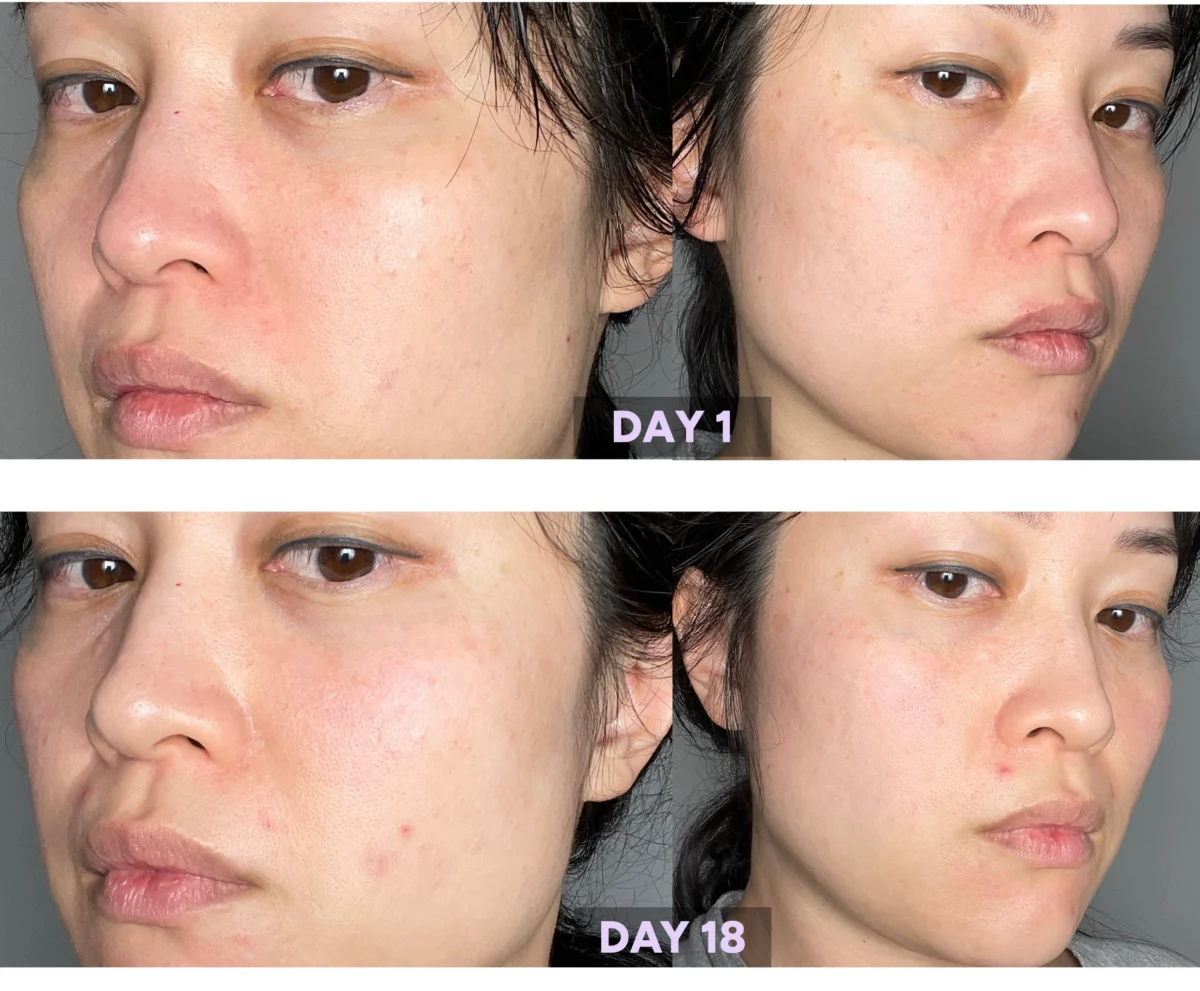
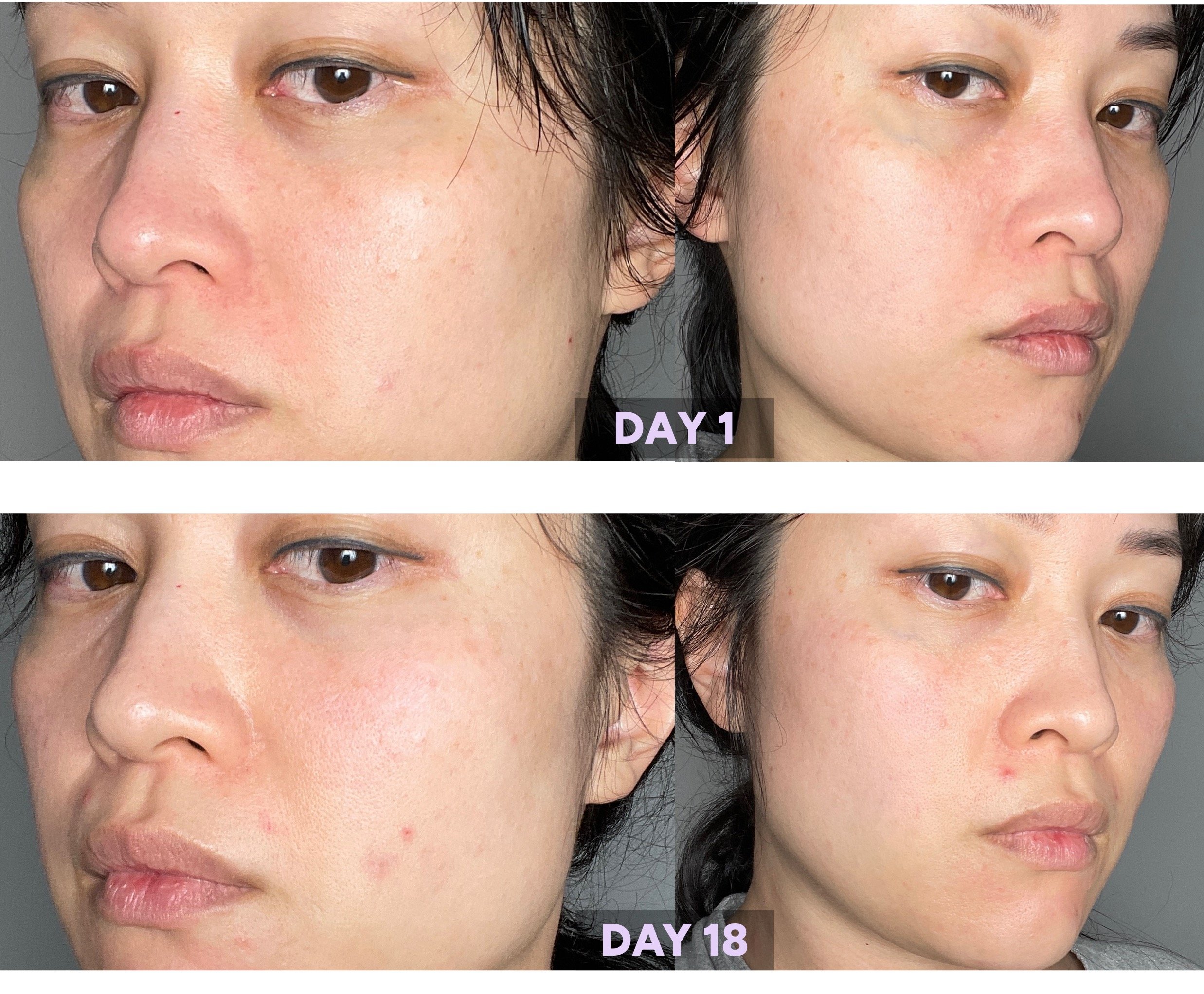
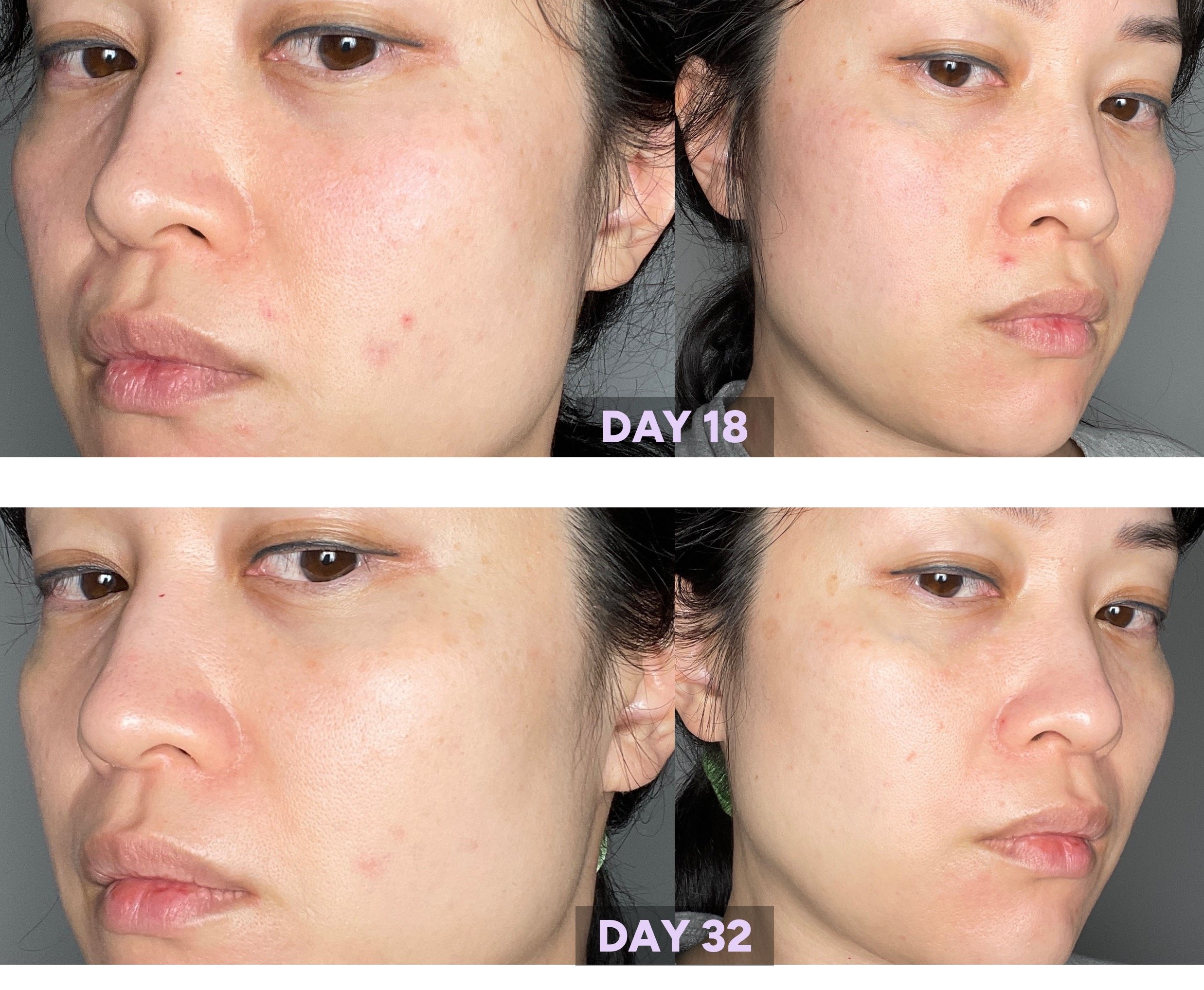
Total daily treatment durations are recommended to remain between 8 and 20 minutes, strictly capped at a maximum of 20 minutes per session. Throughout the 32-day tracking window, photographic documentation captured visible reductions in cutaneous erythema (redness), particularly across the nasal bridge and perioral regions, alongside accelerated resolution of transient inflammatory lesions.
Ergonomic Design and Hardware Engineering
A primary barrier to consumer adherence in at-home phototherapy is the operational friction associated with wearable hardware. Traditional flexible silicone or fabric masks often rely on multiple elastic or velcro straps that require manual tension adjustment, frequently leading to uneven pressure points, awkward fitting procedures, and accelerated wear on internal electrical wiring.
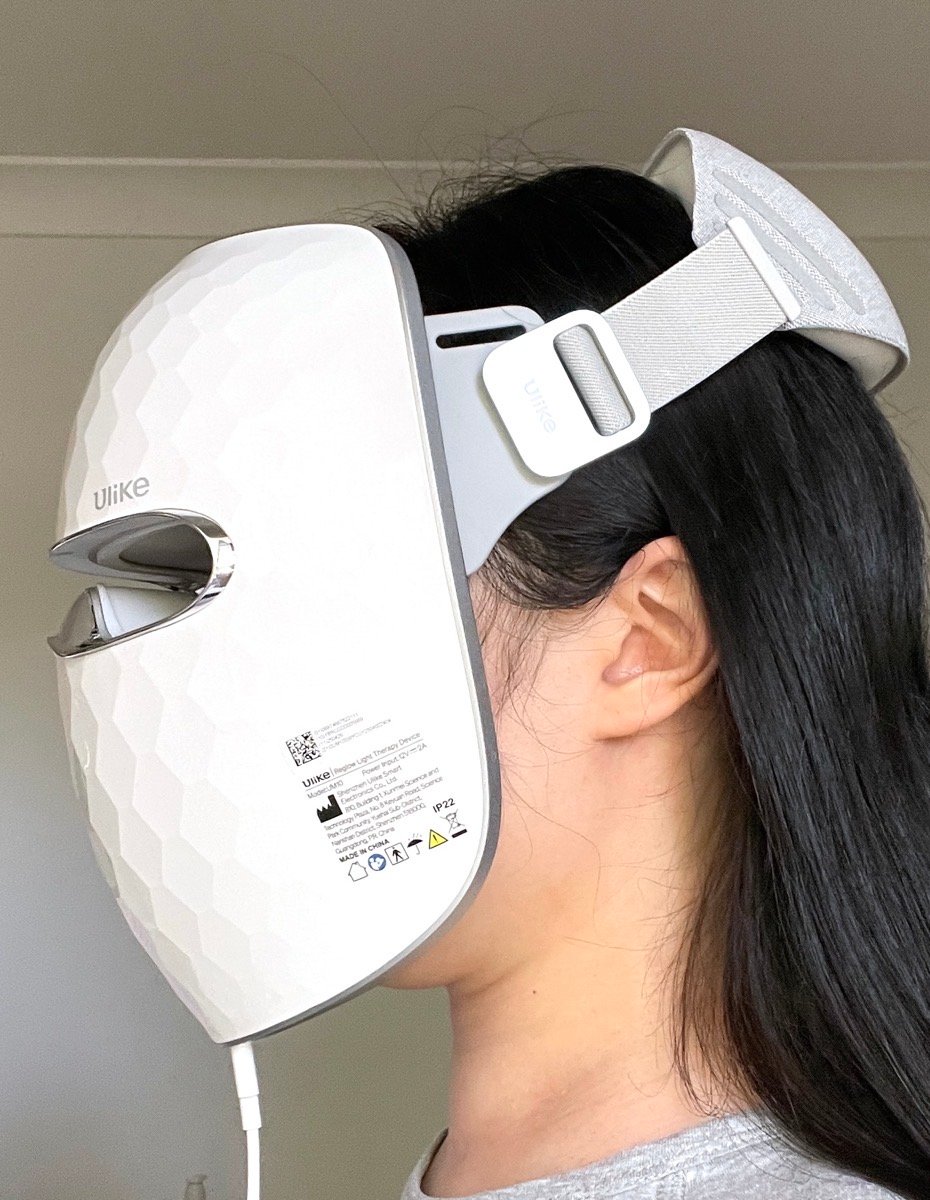
Drawing upon its extensive manufacturing history in personal care hardware, Ulike engineered the ReGlow mask utilizing a rigid, impact-resistant polymer chassis. The device incorporates a pre-adjusted, padded head strap designed for single-setting calibration; users position the mask onto the head via a sliding mechanism that secures instantaneously without recurrent strap manipulation.
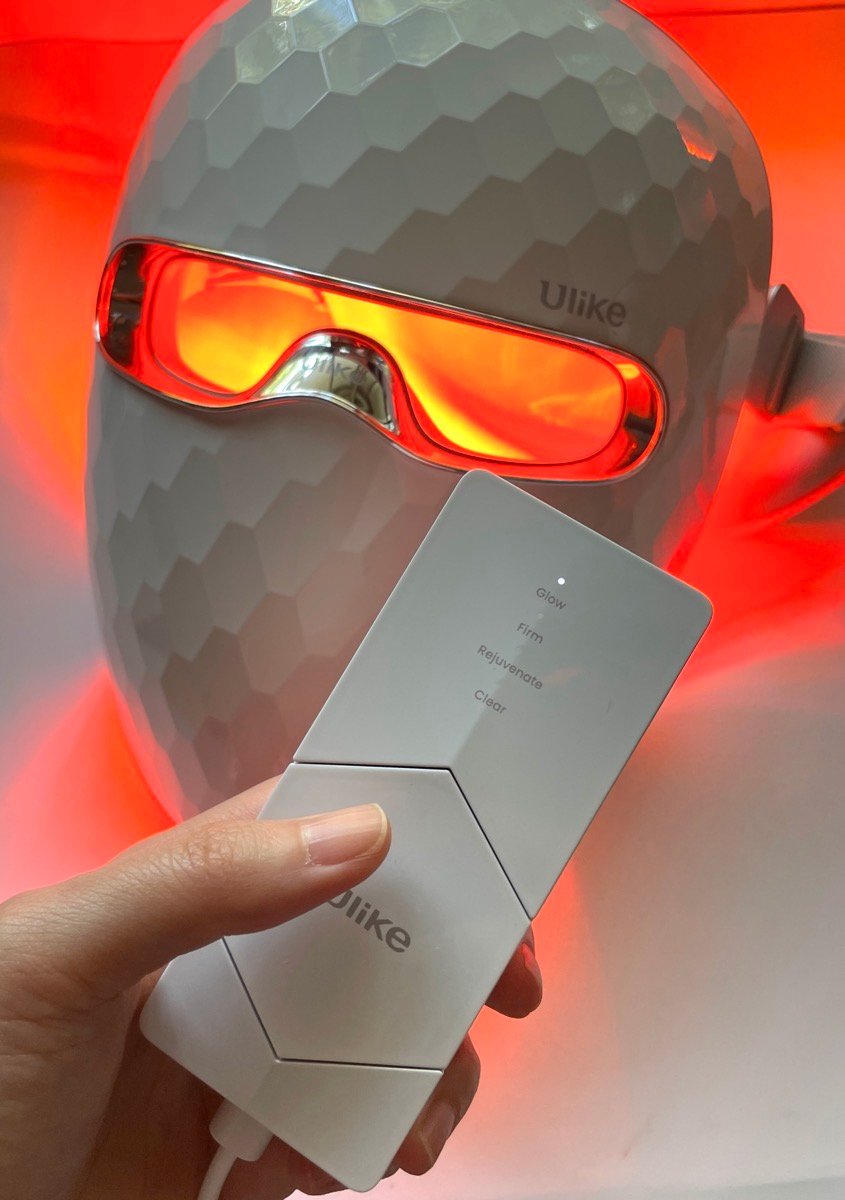
Additional structural features include an integrated internal eye shield that maintains a precise 1-centimeter standoff distance between the diode matrix and the ocular region, protecting the eyes from high-intensity blue light exposure while securing the focal plane. The rigid design deliberately eliminates direct facial contact across the entire inner surface. While this structural standoff reduces thermal accumulation and eliminates the necessity of sanitizing the interior surface after every application to prevent occlusive breakouts, it establishes a fixed focal distance that optimizes photon delivery uniformly across facial contours.
Independent Clinical Trials and Quantitative Findings
Safety and efficacy evaluations for the Ulike ReGlow mask were conducted through independent third-party dermatological testing facilities, notably SGS Guangzhou, utilizing controlled cohorts under standardized clinical conditions.
Study Cohort One: Focused on 32 Asian women aged 32 to 45 over a 28-day period. Subjects underwent treatments six times weekly, combining 10 minutes of Glow mode with 10 minutes of Firm mode per session. Quantitative skin analyzers measured improvements in dermal density, barrier function, and reduction of fine lines.
Study Cohort Two: Comprised 34 Asian women clinically classified with sensitive skin, aged 21 to 35. Over a concurrent 28-day trial, participants underwent six weekly sessions utilizing the Rejuvenate and Clear modes.
Subjective consumer perception surveys compiled across both cohorts yielded high satisfaction ratings: approximately 97% of participating subjects reported visible improvements in forehead rhytides (lines), accelerated fading of post-inflammatory hyperpigmentation, enhanced epidermal smoothness, and a notable decrease in baseline facial redness. Furthermore, targeted analysis of the Clear mode indicated a measurable reduction in melanin density among subjects, validating the phototherapeutic impact on pigmented pathways when paired with appropriate wavelength parameters.
Broader Industry Implications and Market Impact
The commercial expansion of advanced home-use dermatological devices reflects a broader shift toward preventative, patient-administered aesthetic maintenance. Historically, high-irradiance light therapy was restricted to clinical settings under the direct supervision of dermatologists or licensed estheticians. The introduction of consumer hardware featuring clinically researched wavelengths—such as the 630 nm and 830 nm pairings utilized in the Ulike ReGlow—bridges the gap between professional-grade interventions and daily domestic routines.
However, dermatological specialists emphasize that device efficacy remains strictly tied to adherence and safety compliance. The inclusion of automated shut-off timers, integrated shielding, and multi-modal programmability addresses common safety concerns associated with unregulated home devices, such as retinal strain or post-inflammatory hyperpigmentation induced by improper blue light exposure. As independent clinical data continues to substantiate the physiological benefits of consistent, low-level light therapy, devices engineered with ergonomic considerations and verified irradiance standards are expected to occupy a central role in modern personal care and dermatological prophylaxis.
