
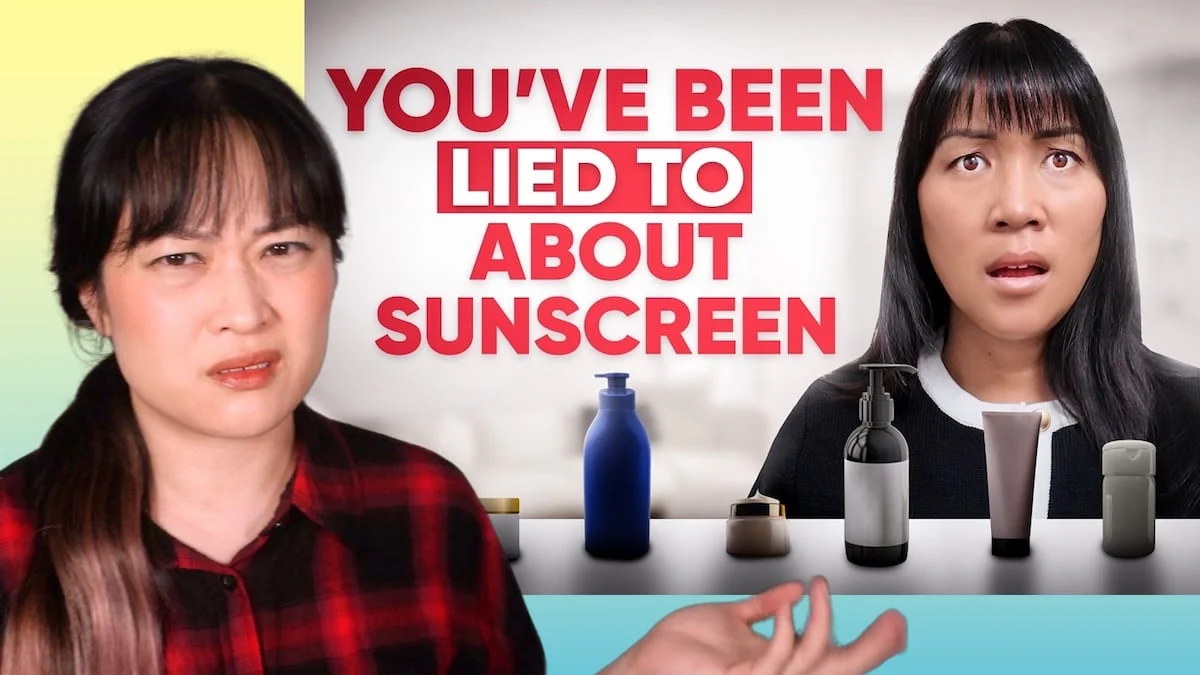
The claim that retinyl palmitate, a common ingredient in sunscreens and other skincare products, increases the risk of skin cancer when exposed to sunlight has gained significant traction, largely propagated by "clean beauty" advocacy groups such as the Environmental Working Group (EWG) in their widely distributed annual sunscreen guides. This assertion has recently been amplified through digital platforms, notably highlighted as a primary concern in a video by toxicologist Dr. Yvonne Burkart, titled "You’ve been lied to about sunscreen: Toxicologist reveals 6 things you should know about sunscreen." However, a thorough examination of the scientific evidence, conducted by experts in toxicology and cosmetic safety, reveals that this claim is a persistent myth lacking robust scientific validation for human use.
This comprehensive analysis, presented in collaboration with toxicologist and cosmetic safety assessor Mohammed Kanadil (@MoSkinLab), and further peer-reviewed by experienced toxicologists Dr. Norbert Kaminski and Dr. Lyle Burgoon, aims to dissect these claims and provide a fact-based perspective on the safety of retinyl palmitate in sun protection.
The Allegations: Unpacking the Claims Against Retinyl Palmitate
Dr. Burkart’s video, which has garnered considerable attention, explicitly states, "Some [sunscreen] ingredients can actually promote skin cancer. This one is really shocking because that’s the exact opposite of what sunscreen is supposed to do. Retinyl palmitate is a synthetic form of vitamin A that’s often added to sunscreens for its so-called anti-aging benefit. You’ll see it often promoted as helping to reduce wrinkles or even to improve the texture of your skin."
She continues to elaborate on the perceived dangers: "But here is what is most shocking. When exposed to sunlight, retinyl palmitate becomes highly unstable, breaks down into free radicals, which are extremely reactive. These free radicals damage DNA and lipids, as well as proteins, accelerate skin aging and may even increase the risk of tumor formation over time. In fact, studies show that retinyl palmitate when applied to the skin and exposed to sunlight generates reactive oxygen species or ROS and lipid peroxides, two well-established drivers of oxidative stress and photocarcinogenesis, which is the formation of cancer in response to sunlight."
These statements suggest a direct link to human skin cancer risk, implying that the application of retinyl palmitate in sunscreens could negate their protective benefits and actively harm users. The basis for these concerns, as articulated by Dr. Burkart and other proponents of the "clean beauty" narrative, primarily rests on three categories of scientific investigations: in vitro experiments, cell studies, and animal studies.
The Scientific Counter-Narrative: Deconstructing the Evidence
While the findings from these studies may appear alarming in isolation, a deeper dive into their methodologies, contexts, and limitations is crucial for an accurate risk assessment. Regulatory bodies and expert scientific committees, comprising leading toxicologists and dermatologists, consistently review this data within a broader framework of human physiology and real-world exposure scenarios.
-
Understanding In Vitro and Cell Studies: Limitations of Isolated Systems
In vitro experiments, often conducted in test tubes, have indeed demonstrated that retinyl palmitate can break down into reactive oxygen species (ROS) when exposed to UV radiation. These ROS are known to induce oxidative stress, a process implicated in cellular damage, including DNA mutations, which can contribute to cancer formation. Similarly, cell studies, where cells in petri dishes are exposed to UV light and retinyl palmitate, have shown an increased rate of mutations.However, the extrapolation of these findings directly to human skin is problematic. The environment within a test tube or a petri dish is vastly different from the complex biological milieu of human skin. In these isolated systems, retinyl palmitate often exists without the myriad of protective compounds, particularly antioxidants, that are naturally present in skin. Human skin possesses an intricate network of endogenous antioxidants (such as vitamin C, vitamin E, glutathione, and various enzymes) designed to neutralize free radicals and mitigate oxidative stress. In this natural environment, retinyl palmitate, itself a derivative of vitamin A, can actually function as an antioxidant, contributing to the overall protective capacity of the skin. Therefore, in a real-world context, the net effect of retinyl palmitate in skin is likely to be vastly different, potentially even beneficial, rather than solely pro-oxidant.
-
The Nuances of Animal Testing: The NTP Mouse Study Under Scrutiny
A central piece of evidence frequently cited is an animal study conducted by the National Toxicology Program (NTP), which Dr. Burkart specifically references: "What’s even more concerning is that animal studies conducted by the National Toxicology Program found that mice whose skin was treated with retinyl palmitate and exposed to sunlight (simulated sunlight) developed significantly more skin tumors than those animals who were not exposed to the same ingredient, but still had the simulated sunlight. But yet somehow this ingredient is still included in countless mainstream products, including sunscreens, which are marketed for daily use."The NTP study, published in 2012, involved SKH-1 hairless mice. While these mice are valuable models in photocarcinogenesis research, their specific genetic and physiological characteristics make direct extrapolation to humans challenging. SKH-1 mice are intentionally bred to be extremely sensitive to UV radiation and prone to developing skin tumors rapidly, allowing researchers to observe effects within a shorter timeframe. This heightened sensitivity means their skin environment and response to UV damage are profoundly different from human skin, which has evolved robust defense mechanisms against solar exposure.
Furthermore, the NTP study exhibited some puzzling results that complicate a straightforward interpretation. For instance, in some experimental groups, higher doses of UV exposure paradoxically resulted in fewer tumors. Additionally, the control cream, which did not contain retinyl palmitate but served as the vehicle for the test substance, also led to an increased incidence of tumors compared to untreated mice exposed to the same simulated sunlight. This suggests that other components within the base cream, or the act of applying any cream, might have contributed to the observed effects. One suspected culprit identified by safety assessors is diisopropyl adipate, an ingredient in the cream base, which has been shown to enhance UV sensitivity in hairless mice. Importantly, when diisopropyl adipate was tested on human skin, this enhanced sensitivity was not observed, further underscoring the species-specific nature of the NTP findings.
-
Differentiating Human and Hairless Mouse Skin Physiology
The fundamental differences between hairless mouse skin and human skin extend beyond UV sensitivity. Human skin is structurally more complex, with a thicker epidermis and dermis, different melanin distribution, and a more developed stratum corneum acting as a formidable barrier. It also possesses a superior capacity for DNA repair and a more robust antioxidant system. These adaptations allow human skin to tolerate and recover from UV exposure far more effectively than the delicate skin of SKH-1 mice. Consequently, a substance that might trigger an adverse reaction in a highly susceptible mouse model does not automatically pose the same risk to humans. In fact, for human skin, retinoids, including retinyl palmitate, are known to support skin health, promote cellular turnover, and enhance skin repair mechanisms, which could, theoretically, offer a protective effect against some forms of photodamage.
Regulatory Scrutiny and Expert Consensus: The Role of the SCCS
Given the long history of these studies and the consistent presence of retinyl palmitate in cosmetic formulations, one might wonder why it remains in use if the risks are as severe as claimed. The answer lies in the rigorous and comprehensive safety assessments conducted by independent scientific bodies.
-
A History of Rigorous Assessment: SCCS Reports of 2016 and 2022
The European Union’s Scientific Committee on Consumer Safety (SCCS) stands as a prime example of such a body. Composed of highly experienced scientists, predominantly toxicologists, the SCCS is tasked with evaluating the safety of cosmetic ingredients within the EU market. Their assessments are far more detailed and rigorous than typical peer-reviewed papers, synthesizing all available data, including the very NTP study and in vitro/cell studies frequently cited by critics.The SCCS first reviewed the safety of Vitamin A compounds (retinol, retinyl acetate, and retinyl palmitate) in 2016. After a thorough evaluation of all relevant scientific literature, including the concerns about phototoxicity and carcinogenicity, the SCCS concluded that retinyl palmitate is safe for use in sunscreens. Their expert opinion explicitly addressed the limitations of the animal and in vitro studies, emphasizing the differences between test conditions and the human physiological environment.
This assessment was reaffirmed and updated in a 2022 report. The SCCS maintained its conclusion that retinyl palmitate, along with retinol and retinyl acetate, is safe in sunscreens at currently used concentrations. This consistent finding from a leading international scientific body, whose mandate is consumer safety, stands as a powerful counterpoint to alarmist claims. The SCCS’s cautious approach is further evidenced by their recommendations regarding the overall intake of Vitamin A. In their 2022 report, they suggested restricting the total amount of Vitamin A in cosmetic products (including retinol, retinyl acetate, and retinyl palmitate) to account for potential cumulative exposure from diet and supplements, thereby ensuring that overall Vitamin A levels remain within safe limits. This demonstrates a proactive and cautious stance, ensuring that even perceived marginal risks are addressed, rather than dismissing concerns outright.
-
Beyond Retinyl Palmitate: A Cautious Approach to Total Vitamin A Exposure
It is important to note that the SCCS’s recommendations on Vitamin A are not a blanket condemnation of these ingredients. Instead, they represent a nuanced understanding of systemic exposure. Vitamin A is an essential nutrient, but excessive intake from all sources (food, supplements, and cosmetics) can lead to adverse health effects. The SCCS recommendation aims to manage the total systemic burden of Vitamin A, not to suggest that retinyl palmitate in sunscreens specifically poses a topical risk of skin cancer. This distinction is often lost in simplified "clean beauty" narratives, which tend to conflate topical application with systemic absorption and exaggerate localized effects. Other international regulatory bodies, such as the U.S. Food and Drug Administration (FDA) and Health Canada, have also reviewed retinoids and generally permit their use in cosmetics, indicating a broad scientific consensus on their safety profile under normal conditions of use.
Real-World Dermatology: Retinoids as Protective Agents
Perhaps the most compelling real-world evidence comes from the field of dermatology itself. Retinoids, a class of compounds derived from Vitamin A, have been integral to dermatological practice for over 50 years. Prescription-strength retinoids, such as tretinoin and isotretinoin, are widely used not only for treating acne and signs of aging but also for the prevention and treatment of certain precancerous skin lesions (actinic keratoses) and some forms of skin cancer (e.g., squamous cell carcinoma).
Dermatology patients using retinoids are under regular medical supervision, undergoing frequent skin examinations. If retinoids, including their derivatives like retinyl palmitate, genuinely increased the risk of skin cancer when exposed to sunlight, dermatologists would have observed a significant uptick in such cases over decades of widespread use. The absence of such an epidemiological signal, coupled with their documented efficacy in chemoprevention, strongly suggests that under real-world conditions, retinoids are not carcinogenic and can even be protective. The idea that a milder, esterified form like retinyl palmitate in a sunscreen would suddenly become a pro-carcinogen when more potent retinoids are used therapeutically for cancer prevention lacks logical and empirical support.
The Broader Implications: Navigating Misinformation in Beauty Science
The persistent propagation of the retinyl palmitate myth highlights a significant challenge in the modern information landscape: the ease with which scientific nuances can be distorted or oversimplified into alarmist narratives. Organizations like the EWG, while claiming to advocate for consumer safety, often employ methodologies that diverge from established toxicological risk assessment principles, leading to exaggerated hazard ratings and unfounded fears.
This phenomenon has broader implications for public health and consumer trust. When consumers are misled about the safety of scientifically validated ingredients, it can erode confidence in regulatory bodies and conventional science. It can also divert attention from genuinely effective sun protection strategies, as individuals might avoid sunscreens containing perceived "toxic" ingredients, opting for less effective alternatives or foregoing sun protection altogether. This, ironically, could lead to a higher risk of skin cancer due to inadequate UV protection, undermining the very goal of reducing skin cancer incidence.
The reliance on individual studies, often taken out of context, while ignoring comprehensive expert reports from bodies like the SCCS, is a significant "red flag" in evaluating scientific claims. Official safety assessments are designed to provide a holistic view, considering all available data, dose-response relationships, exposure routes, and species relevance, before making a definitive statement on safety. They represent a consensus of expert opinion, built on a foundation of rigorous scientific methodology, rather than selective interpretation.
Conclusion: Upholding Scientific Integrity in Consumer Advice
In conclusion, the assertion that retinyl palmitate in sunscreens increases the risk of skin cancer is a myth not supported by the weight of scientific evidence, particularly when considering human physiology and real-world exposure. While in vitro and specific animal studies have shown certain reactions, these findings do not directly translate to human risk due to significant differences in biological complexity, antioxidant defense systems, and the conditions under which these experiments were conducted.
The consistent evaluations by the European Union’s Scientific Committee on Consumer Safety (SCCS) in 2016 and 2022, alongside decades of dermatological practice using retinoids for skin health and cancer prevention, affirm the safety of retinyl palmitate in sunscreens. These expert bodies conduct thorough, multi-faceted risk assessments that account for the nuances often overlooked by "clean beauty" advocates.
Consumers seeking reliable information on product safety are best served by consulting the findings of independent, authoritative scientific and regulatory bodies. Relying on partial interpretations of scientific literature or alarmist claims from non-expert sources can lead to unnecessary fear and potentially detrimental choices regarding personal health and sun protection. The scientific consensus remains clear: retinyl palmitate, when used in sunscreens, does not promote skin cancer and can be considered a safe ingredient for daily use.
References
National Toxicology Program. Photocarcinogenesis study of retinoic acid and retinyl palmitate [CAS Nos. 302-79-4 (All-trans-retinoic acid) and 79-81-2 (All-trans-retinyl palmitate)] in SKH-1 mice (Simulated Solar Light and Topical Application Study). Natl Toxicol Program Tech Rep Ser. 2012;(568):1-352.
Tolleson WH, Cherng SH, Xia Q, et al. Photodecomposition and phototoxicity of natural retinoids. Int J Environ Res Public Health. 2005;2(1):147-155. doi:10.3390/ijerph2005010147
Mei N, Xia Q, Chen L, Moore MM, Fu PP, Chen T. Photomutagenicity of retinyl palmitate by ultraviolet a irradiation in mouse lymphoma cells. Toxicol Sci. 2005;88(1):142-149. doi:10.1093/toxsci/kfi291
Scientific Committee on Consumer Products. Opinion on Vitamin A (Retinol, Retinyl Acetate, Retinyl Palmitate). October 6, 2016.
Scientific Committee on Consumer Safety. Revision of the Scientific Opinion (SCCS/1576/16) on Vitamin A (Retinol, Retinyl Acetate, Retinyl Palmitate). October 24, 2022.
