

Polycystic Ovary Syndrome (PCOS) represents one of the most prevalent endocrine disorders among women of reproductive age, affecting approximately 8% to 13% of the population globally. For women navigating this condition, the journey toward a healthy pregnancy requires a nuanced approach to nutrition and supplementation. Medical professionals and fertility specialists increasingly emphasize that the standard "one-size-fits-all" prenatal vitamin may not fully address the metabolic and hormonal complexities associated with PCOS. Consequently, selecting a targeted prenatal vitamin becomes a critical component of a comprehensive management strategy aimed at improving fertility outcomes and mitigating pregnancy-related complications such as gestational diabetes and pre-eclampsia.
Understanding the PCOS Clinical Landscape
PCOS is characterized by a triad of symptoms: irregular menstrual cycles, androgen excess, and the presence of polycystic ovaries on ultrasound. At its core, however, the condition is often driven by insulin resistance and chronic low-grade inflammation. These metabolic markers do not disappear during pregnancy; rather, they can intensify, placing the mother and the developing fetus at higher risk for complications.
Clinical data suggests that women with PCOS are nearly three times more likely to develop gestational diabetes compared to those without the condition. Furthermore, the risk of pregnancy-induced hypertension and premature birth is significantly elevated. These risks necessitate a proactive nutritional strategy that begins well before the first positive pregnancy test. Targeted supplementation serves to bridge the gap between dietary intake and the heightened physiological demands of a PCOS-impacted pregnancy.
The Chronology of Nutritional Intervention
The timeline for nutritional support in PCOS begins in the preconception phase. Reproductive endocrinologists generally recommend that women with PCOS start a specialized vitamin regimen at least three to six months before attempting to conceive. This "pre-conception window" is vital for several reasons:
- Oocyte Quality Improvement: High levels of androgens and insulin can negatively impact egg quality. Specific antioxidants, such as CoQ10 and Myo-inositol, require time to influence the follicular environment.
- Nutrient Loading: Ensuring adequate levels of folate and Vitamin D prior to conception reduces the risk of neural tube defects and early miscarriage, which are statistically higher in the PCOS population.
- Metabolic Stabilization: Early intervention with Omega-3 fatty acids and Vitamin D can help improve insulin sensitivity, creating a more favorable environment for implantation.
Once pregnancy is confirmed, the supplementation strategy shifts toward supporting fetal organogenesis and maintaining maternal metabolic health through the three trimesters and into the postpartum period.

Essential Nutrients for the PCOS Demographic
To effectively manage PCOS during pregnancy, a prenatal vitamin must contain a specific profile of vitamins and minerals. The American Pregnancy Association and other leading health organizations have identified several core nutrients that are particularly impactful for this demographic.
Folate and the Methylation Factor
Folate, or Vitamin B9, is universally recognized for its role in preventing neural tube defects (NTDs) such as spina bifida. For women with PCOS, the form of B9 is often as important as the dosage. Many women with PCOS also possess MTHFR gene mutations, which hinder the body’s ability to convert synthetic folic acid into its usable form. Therefore, many specialists recommend "methylated folate" (5-MTHF) to ensure maximum bioavailability. The standard recommendation is at least 400 micrograms (mcg) daily, though some providers may suggest higher doses based on individual risk factors.
Iron and Oxygen Transport
Iron requirements nearly double during pregnancy to support the increased blood volume and the development of the placenta. For PCOS patients, preventing iron-deficiency anemia is crucial for maintaining energy levels and ensuring adequate oxygen delivery to the fetus. The recommended daily intake is 27 milligrams (mg). However, iron can often cause gastrointestinal distress, leading many high-quality prenatal brands to use chelated iron, which is gentler on the stomach.

The Critical Role of Vitamin D
Perhaps the most significant nutrient for PCOS management is Vitamin D. Research indicates that approximately 80% of women with PCOS suffer from a Vitamin D deficiency. This deficiency is linked to worsened insulin resistance and lower success rates with ovulation induction. During pregnancy, Vitamin D is essential for calcium absorption and immune function. Clinical guidelines suggest a daily intake of 4,000 IU for pregnant women, particularly those with metabolic disorders, to help reduce the risk of gestational diabetes.
Calcium for Skeletal Integrity
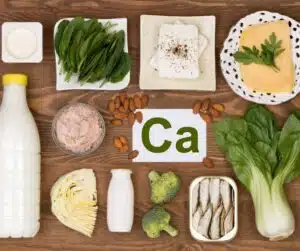
As the fetus develops its skeletal structure, it draws calcium directly from the mother’s stores. Without adequate supplementation, this can lead to a decrease in maternal bone density. A daily intake of 1,000 mg is recommended. For PCOS patients, calcium also plays a secondary role in cellular signaling and insulin secretion, making it a dual-purpose mineral in their prenatal regimen.
Omega-3 Fatty Acids and Inflammation
Omega-3 fatty acids, specifically DHA (docosahexaenoic acid), are vital for the baby’s brain and eye development. For the mother with PCOS, Omega-3s serve as a potent anti-inflammatory agent. By reducing systemic inflammation, these fatty acids help improve insulin sensitivity and can even assist in lowering elevated androgen levels. The American Pregnancy Association recommends a minimum of 300 mg of DHA daily, preferably sourced from high-quality fish oil to ensure bioavailability.
Analysis of Leading Prenatal Options for PCOS
When evaluating the market for prenatal vitamins, several products stand out due to their ingredient transparency, independent testing, and specific nutrient concentrations.
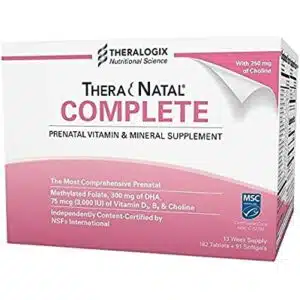
TheraNatal Complete: The Gold Standard
Produced by Theralogix, TheraNatal Complete is frequently cited by fertility clinics as a top-tier choice for PCOS. Its formulation includes methylated folate and a higher-than-average dose of Vitamin D (3,000 IU in the core tablet plus additional amounts in the companion softgel). Crucially, it integrates a high-quality DHA softgel, eliminating the need for separate purchases. The product is also NSF International certified, ensuring that the contents match the label and are free from contaminants.
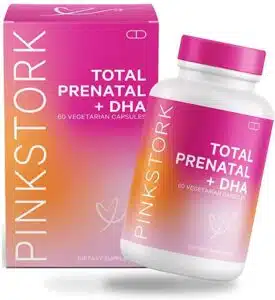
Pink Stork Total Prenatal: Comprehensive Support
Pink Stork has gained a significant following for its focus on clean ingredients. Their Total Prenatal includes a robust B-complex, which is essential for energy metabolism—a common struggle for those with PCOS-related fatigue. It also features a blend of zinc, selenium, and chromium. Chromium, in particular, is a trace mineral that has been studied for its ability to improve the way the body uses insulin, making this a strategic choice for the insulin-resistant patient.
Nature Made Prenatal with Folic Acid + DHA: Accessibility and Value
For many, the high cost of specialized supplements can be a barrier to consistent use. Nature Made offers a USP-verified prenatal that provides the essential 27 mg of iron and 200 mg of DHA in a single softgel. While it uses folic acid rather than methylated folate, it remains a reliable, science-backed option for women who do not have specific methylation issues.
Addressing Preconception: The Role of Inositol and CoQ10
In the context of PCOS, prenatal care often involves supplements that go beyond the standard multivitamin. Two substances, Inositol and CoQ10, have become central to the conversation regarding PCOS fertility.
Inositol (Myo-Inositol and D-Chiro-Inositol): Often referred to as "Vitamin B8," inositol is a sensitizer that helps the body process insulin more effectively. For women with PCOS, taking a 40:1 ratio of Myo-inositol to D-Chiro-inositol (such as Ovasitol) has been shown to restore ovulation and improve egg quality. Many women continue inositol into pregnancy under medical supervision to help manage blood sugar levels.
CoQ10 (Coenzyme Q10): As an antioxidant, CoQ10 supports mitochondrial function within the egg cells. Since PCOS is often associated with oxidative stress, CoQ10 supplementation during the preconception phase can significantly improve the chances of a healthy embryo development.
Broader Implications for Maternal Health
The enrichment of prenatal care for PCOS patients has implications that extend far beyond the nine months of pregnancy. By utilizing targeted vitamins to manage insulin and inflammation during gestation, women may reduce their long-term risk of developing Type 2 diabetes later in life. Furthermore, the focus on high-quality nutrition sets a precedent for postpartum health management.
Medical analysts suggest that as the prevalence of metabolic disorders continues to rise, the pharmaceutical and supplement industries will likely move toward more "personalized nutrition." This means that in the future, prenatal vitamins may be further customized based on a woman’s specific PCOS phenotype or genetic markers.

Conclusion and Recommendations
Managing PCOS during pregnancy is a multifaceted challenge that requires more than just dietary changes. The integration of high-quality, targeted prenatal vitamins is a non-negotiable aspect of modern obstetric care for the PCOS patient. By focusing on higher doses of Vitamin D, methylated folate, and Omega-3 fatty acids, women can actively work to stabilize their metabolic health and provide the best possible environment for their developing baby.
Healthcare providers stress that while supplements are vital, they should be part of a holistic approach that includes a low-glycemic diet, regular physical activity, and consistent medical monitoring. Patients are encouraged to consult with their OB-GYN or a Reproductive Endocrinologist to tailor their vitamin intake to their specific bloodwork and health history. Ultimately, the right prenatal vitamin serves as both a nutritional safety net and a therapeutic tool in the successful management of a PCOS pregnancy.
