
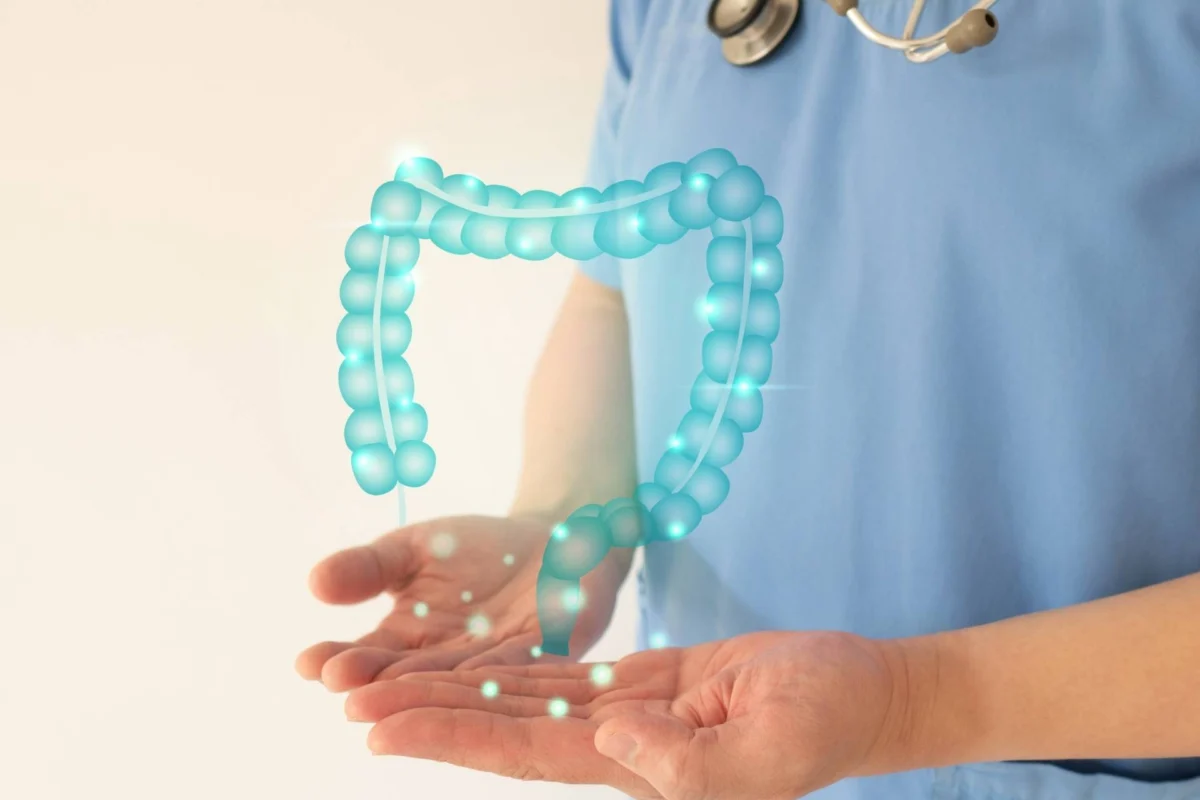
The human digestive tract has long been viewed by the general public as a relatively uniform tube responsible for nutrient absorption and waste expulsion, yet modern biological science is increasingly revealing it to be a highly sophisticated, segmented organ system with distinct regional specializations. A groundbreaking study published in the journal Cell, led by Jérémie Rispal and his colleagues at the University of California, San Francisco (UCSF), has provided a transformative understanding of how the colon maintains this regional diversity. The research demonstrates that the gut microbiota and the metabolites they produce are not merely passive residents of the large intestine but are the primary architects of the colon’s regional identity and its protective functions. By investigating the interplay between microbial signals and cellular gene activity, the study offers a new blueprint for understanding intestinal diseases like Crohn’s disease and ulcerative colitis, potentially shifting the focus of future treatments toward microbiota-targeted metabolic therapies.
The Architecture of the Colon: Mapping the Three Functional Zones
For decades, clinicians have noted that different inflammatory bowel diseases (IBD) tend to manifest in specific areas of the gut. Ulcerative colitis typically begins in the rectum and moves upward, while Crohn’s disease can affect any part of the gastrointestinal tract in a "patchy" distribution. The UCSF study provides a cellular explanation for these observations by mapping the colon into three distinct geographical regions: the proximal (beginning), middle, and distal (end) segments.
The research team utilized advanced single-cell RNA sequencing to analyze the gene expression profiles of colon cells in mice. They discovered that each of these three regions possesses a unique "transcriptional signature." Cells in the proximal colon, located nearest to the small intestine, are primarily specialized for metabolic processes, particularly the processing and breakdown of fats. As one moves toward the middle and distal regions, the cellular priority shifts significantly. In these later segments, the cells are more heavily involved in the production of protective mucus and the absorption of water, functions critical for the formation and passage of waste. This regionalization ensures that the colon can handle the varying chemical and physical states of its contents as they transit through the body.
The Role of Gut Microbes as Biological Directors
The most striking finding of the UCSF research is that this regional specialization is not an inherent, hard-wired trait of the colon cells themselves. Instead, it is a dynamic state maintained by constant communication with the gut microbiome. To prove this, the researchers conducted experiments using germ-free mice—animals raised in sterile environments without any internal bacteria.
In the absence of microbes, the distinct regional identities of the colon cells largely vanished. The "transcriptional landscape" of the colon became remarkably uniform, with the specialized gene activities of the proximal, middle, and distal regions fading away. Essentially, without microbial input, the colon loses its "map" and reverts to a generalized state that is less efficient at performing localized tasks. However, the researchers found that this process is reversible. When microbes were reintroduced to the germ-free mice, the colon cells regained their regional identities, and the specialized gene activities were restored. This suggests that the colon is in a state of constant plastic response to the microbial environment, with bacteria providing the necessary cues for cells to "know" which part of the colon they reside in and what their specific duties should be.
Decoding the Stem Cell Mystery
A critical question addressed by the study was whether the regional identity of the colon was pre-programmed into the stem cells that reside in each segment. To investigate this, the team grew "organoids"—miniature versions of colon tissue—in a laboratory setting using stem cells harvested from the three different regions of the mouse colon.
The results were telling: stem cells taken from the proximal colon were capable of producing the cell types usually found in the distal colon, and vice versa, when grown outside their natural environment. This confirmed that the stem cells are "region-agnostic" or multipotent regarding their regional identity. The specialization observed in a living animal is therefore driven by external environmental signals—specifically those originating from the microbiome—rather than an internal genetic clock within the stem cells. This discovery places the microbiome at the center of intestinal development and maintenance, suggesting that the health of the colon is inextricably linked to the specific chemical signals produced by the trillions of bacteria living within it.
The Niacin Connection: A Breakthrough in Protective Barrier Function
Through a series of metabolic screenings, the researchers identified a specific bacterial metabolite that plays a starring role in this regional regulation: niacin, also known as Vitamin B3. Niacin is produced by several species of beneficial gut bacteria as they ferment dietary fibers and other nutrients.
The study found that niacin is particularly influential in the proximal colon. When niacin binds to specific receptors on the surface of colon cells, it triggers a cascade of gene activity that strengthens the intestinal barrier. This barrier is a thin layer of cells and mucus that prevents harmful bacteria and toxins from leaking out of the gut and into the bloodstream—a phenomenon often referred to as "leaky gut" which is a precursor to systemic inflammation.
In lab-grown tissues and mouse models, the application of niacin was shown to directly protect colon cells from damage and enhance their structural integrity. This provides a mechanistic link between diet, microbial activity, and physical gut health. If the bacteria that produce niacin are depleted—due to poor diet, antibiotic use, or disease—the proximal colon loses its protective identity, making it more susceptible to injury and inflammation.
Chronology of the Research and Scientific Evolution
The UCSF study represents a culmination of nearly two decades of shifting paradigms in gastroenterology.
- Early 2000s: The Human Microbiome Project begins, shifting the view of bacteria from "germs" to essential symbionts.
- 2010-2015: Research establishes that microbial diversity is lower in patients with IBD, but the "chicken or egg" question remains regarding whether the disease causes the microbial shift or vice versa.
- 2018-2022: Advancements in single-cell sequencing allow researchers to look at individual cells rather than tissue chunks, revealing unexpected diversity in organ linings.
- 2024-2025: The UCSF team begins integrating metabolic profiling with single-cell sequencing, leading to the identification of niacin as a key signaling molecule.
- 2026 (Publication): The findings are published in Cell, providing a definitive link between regional cellular identity and microbial metabolites.
This timeline illustrates a move away from descriptive microbiology (what is there?) toward functional microbiology (what are they doing and how are they talking to our cells?).
Clinical Implications: A New Lens on Crohn’s Disease
To ensure the findings were relevant to humans, the researchers compared their mouse data with samples from human patients. They found strikingly similar patterns of regional gene activity in the human colon. Crucially, they observed that in patients suffering from Crohn’s disease, the cells in the affected regions had lost their specific regional identity. These cells no longer "knew" they were part of a specialized segment and failed to perform their protective and metabolic functions.
This "loss of identity" suggests that IBD may not just be an overactive immune response, but a fundamental failure of cellular specialization driven by a breakdown in microbial communication. If the signals (like niacin) are missing or the cells become "deaf" to them, the colon’s defenses crumble.
While the authors emphasize that more research is needed to fully understand the human application, the implications are profound. Current IBD treatments often focus on suppressing the immune system (biologics, steroids), which can have significant side effects. This research suggests a more targeted approach: restoring the specific metabolites or microbial populations required to maintain regional cellular identity.
Expert Analysis and Industry Reaction
The scientific community has reacted to the study with cautious optimism. Independent gastroenterologists have noted that the "niacin mechanism" is particularly intriguing because it offers a relatively low-cost, low-toxicity target for intervention.
"The idea that we can ‘re-educate’ colon cells to regain their protective functions by introducing specific metabolites like niacin is a major shift," says Dr. Elena Rossi, a specialist in mucosal immunology (inferred analysis). "It moves us toward a model of ‘precision probiotics’ or ‘postbiotics,’ where we aren’t just giving general ‘good bacteria’ but are providing the specific chemical keys needed to unlock the body’s own repair mechanisms."
However, some experts warn against self-treating with over-the-counter niacin supplements. The study highlights that the colon’s response is highly localized and dependent on a complex interplay of factors. Excess niacin in the upper GI tract might not reach the colon in the necessary concentrations, or it might have off-target effects.
The Colon vs. The Small Intestine: A Higher Dependency
One of the final takeaways from the UCSF team is the comparison between the colon and the small intestine. The study found that the colon is significantly more dependent on the microbiome for its structural identity than the small intestine. This is likely due to the sheer volume of bacteria present; the colon houses the highest concentration of microbes in the entire body.
This high bacterial load makes the colon a "microbial-dominated organ." While the small intestine relies more on internal genetic programming and dietary signals for its function, the colon has evolved to outsource much of its regulatory signaling to its resident bacteria. This explains why the colon is so frequently the site of disease when the microbiome is disrupted.
Future Outlook and Conclusion
The discovery that gut microbes and metabolites like niacin shape the regional identity of colon cells marks a milestone in gastroenterology. It provides a biological explanation for why diseases hit certain parts of the gut harder than others and identifies a potential path for the next generation of IBD therapies.
The next phase of research will likely involve human clinical trials to determine if niacin-based delivery systems—designed to release the vitamin specifically in the proximal colon—can help patients in the early stages of Crohn’s disease or those in remission to maintain their intestinal barrier.
As we continue to map the "geography" of the human body at a cellular level, it is becoming increasingly clear that we are not single organisms, but complex ecosystems. The health of our cells is inseparable from the health of our microbes, and the regional identity of our gut is a conversation that never stops. By learning to listen to that conversation, scientists are opening the door to a future where intestinal disease is not just managed, but prevented by maintaining the ancient, metabolic bond between humans and their microscopic inhabitants.
