
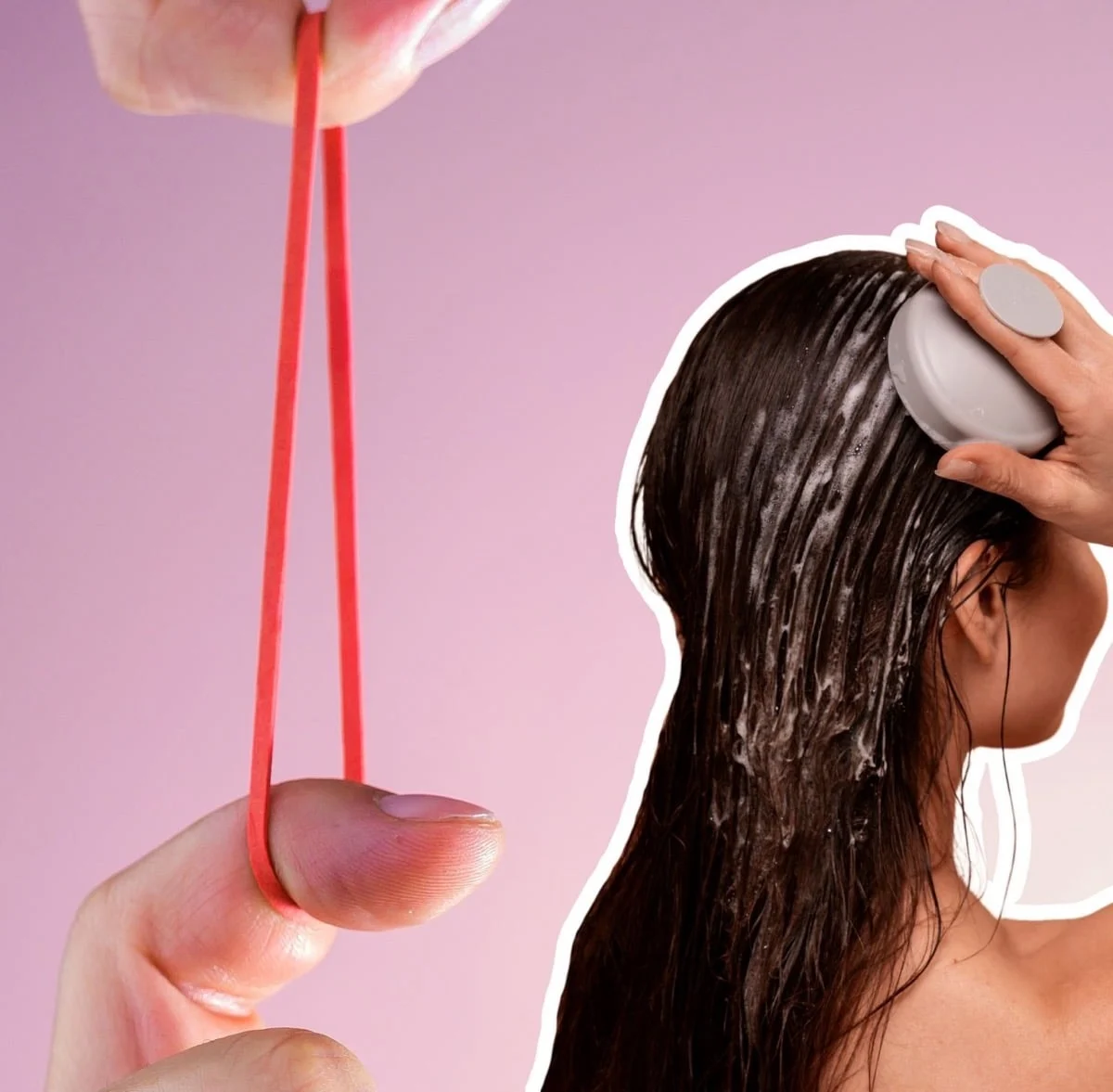
The interaction of water with human hair has long been a fertile ground for misconceptions, with one of the most pervasive myths being the concept of "hygral fatigue." This widely circulated belief posits that the repetitive cycles of wetting and drying hair inherently lead to cumulative damage, causing it to weaken and eventually break. However, rigorous scientific scrutiny and the understanding of hair’s molecular structure reveal that this notion is largely unfounded. Far from being a destructive force, water is essential for hair health, and the perceived "fatigue" is not a direct consequence of its presence, but rather an oversimplification of complex hair mechanics and an misinterpretation of scientific data. This article delves into the scientific realities of hair-water interactions, dissects the origins and propagation of the hygral fatigue myth, and offers evidence-based insights into maintaining optimal hair health.
To truly understand how water affects hair, it is crucial to first appreciate hair’s fundamental architecture. Human hair is primarily composed of keratin, a fibrous protein, organized into three main layers: the cuticle, cortex, and medulla. The outermost layer, the cuticle, consists of overlapping, scale-like cells that protect the inner cortex. The cortex, making up the bulk of the hair fiber, contains keratin proteins arranged in long chains, reinforced by various types of chemical bonds. These bonds include strong disulfide bonds, which provide structural integrity and determine hair’s shape (straight, wavy, curly), and weaker hydrogen and ionic bonds.
When hair comes into contact with water, several predictable and temporary changes occur. Water molecules, being polar, are readily absorbed by the hydrophilic (water-loving) regions within the keratin structure. This absorption causes the hair fiber to swell, increasing its diameter by up to 15-20% and its length by a small percentage. This swelling is a natural process that temporarily disrupts the weaker hydrogen bonds within the cortex. As the hair dries, these hydrogen bonds readily reform, allowing the hair fiber to return to its original dimensions and structural integrity. Simultaneously, the absorption of water causes the cuticle scales to slightly lift. This lifting increases the hair’s porosity and can make it feel softer, but also renders it more susceptible to friction and mechanical damage if not handled gently.
The concept of "hygral fatigue" emerges from an extrapolation of these observable effects. Proponents of the myth suggest that the repeated swelling and deswelling, coupled with the lifting and resealing of cuticle scales, places an undue strain on the hair fiber. They argue that this constant "stress" eventually weakens the hair, leading to increased breakage, frizz, and dullness, much like how a material might fatigue under repeated mechanical stress. This idea has gained traction in popular hair care circles and even found its way into some academic papers, often without robust supporting evidence. Consequently, it has fueled advice against frequent hair washing, particularly for those with textured or damaged hair, implying that minimizing water exposure is key to preserving hair health.
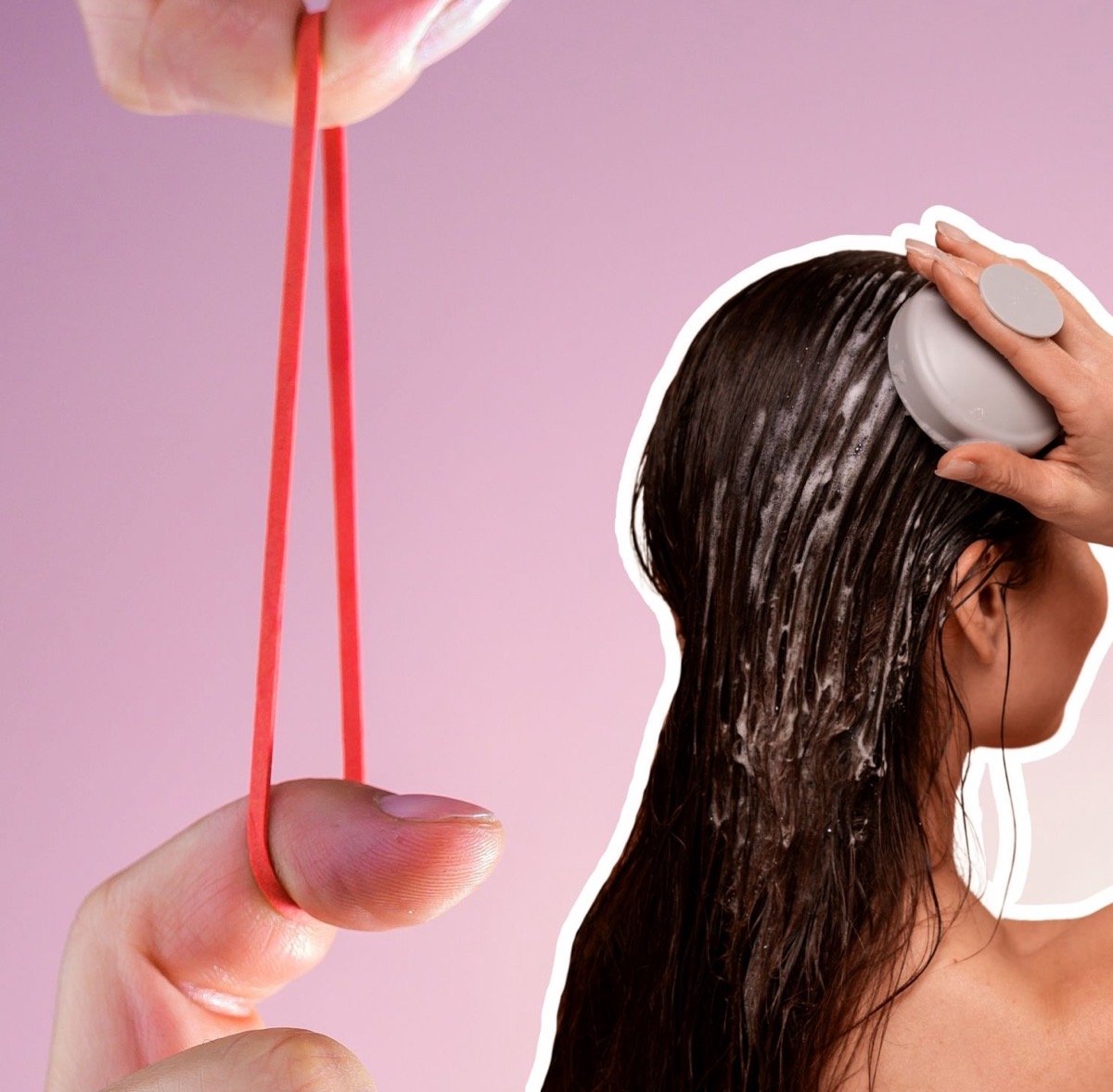
However, a closer look at the molecular mechanics reveals a critical distinction between hair and materials that genuinely suffer from fatigue. A common analogy used to explain hygral fatigue compares hair to a rubber band that loses its elasticity and eventually snaps after being stretched repeatedly. This analogy is fundamentally flawed when applied to hair’s interaction with water. In a rubber band, repeated stretching breaks permanent cross-links or causes irreversible structural changes that accumulate over time, leading to material failure. In contrast, the hydrogen bonds within hair, which are disrupted by water, are temporary bonds. They are designed to break and reform without any lasting damage to the underlying keratin structure. Think of it less like stretching a rubber band to its breaking point and more like joining and unjoining LEGO bricks: the individual bricks (atoms/molecules) remain intact, and the connection (hydrogen bond) can be repeatedly formed and broken without degrading the components themselves. Electrons and protons, the fundamental particles involved in these bonds, do not "wear down" from repeated interactions.
The scientific literature that appears to lend credence to hygral fatigue often requires careful re-evaluation. One frequently cited study, published in Annals of Dermatology in 2011 by Lee Y. et al., investigated the damage caused by different hair drying methods. The researchers observed "bulges" on the surface of air-dried hair samples, which they attributed to prolonged water swelling. This observation was then used to suggest that air drying, due to the extended period of hair saturation, could be more damaging than blow-drying at a low temperature.
However, this interpretation has been met with skepticism within the hair science community. Air drying is a standard procedure in hair research, and such prominent "bulges" are not routinely reported as a consequence of water absorption in healthy hair. The presence of these bulges in that specific experiment could potentially be an anomaly, possibly linked to pre-existing damage in the hair sample, unique experimental conditions, or even a methodological artifact. Without widespread replication of this specific observation under controlled conditions, attributing these bulges solely to water swelling and equating them to cumulative "hygral fatigue" is tenuous. The primary takeaway from the Lee et al. study, consistently supported by other research, is that high heat from blow-drying causes significant damage, while gentle, low-temperature drying methods are preferable, irrespective of the "bulges" observation.
Another avenue through which the hygral fatigue myth gained traction was through studies exploring the protective effects of certain oils, particularly coconut oil, against water absorption. Several studies, published in journals like the Journal of Cosmetic Science in the early 2000s and 2010s (e.g., Rele and Mohile 1999, 2003; Ruetsch et al. 2001; Keis et al. 2007; Gode et al. 2012), investigated whether coconut oil could reduce the amount of water absorbed by hair, thereby theoretically mitigating "hygral fatigue." These experiments often employed dynamic vapor sorption (DVS) apparatus, measuring the weight change of oil-coated hair at varying humidities. Some conclusions suggested that coconut oil minimized water uptake more effectively than other oils, leading to claims of its "anti-hygral fatigue" properties.
However, cosmetic chemist Trefor Evans and others have highlighted a crucial potential experimental error in these interpretations. When hair is coated with oil, its total weight increases. If the amount of absorbed water is then expressed as a percentage of the hair’s total weight (hair + oil), the resulting percentage will appear smaller simply because the denominator is larger. This mathematical artifact could create the illusion that less water was absorbed, even if the absolute quantity of water absorbed remained the same. Furthermore, the structural reality of hair makes it highly improbable for any topical oil to completely "seal" the fiber against water molecules. Hair’s cuticle, though overlapping, has microscopic gaps at the edges of its scales, and water molecules are exceedingly small. The water content of hair is primarily dictated by the ambient relative humidity, and while oils can offer some hydrophobic barrier, they cannot fundamentally prevent water absorption.
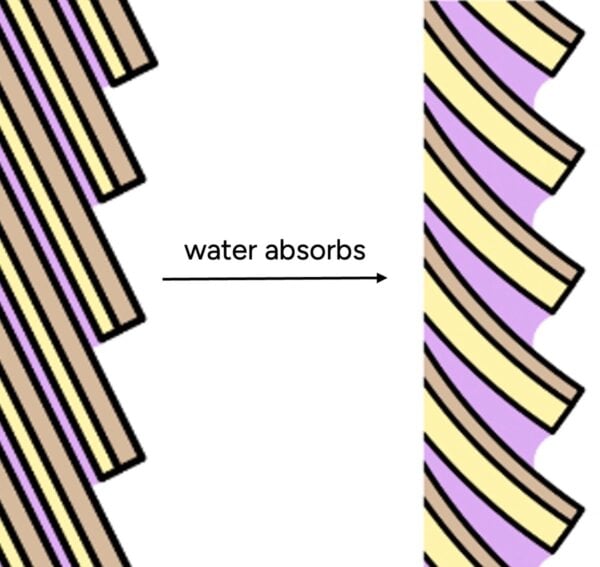
Despite the debunking of the hygral fatigue myth, it is critical to acknowledge that wet hair is more fragile and susceptible to damage than dry hair. This increased vulnerability, however, is not due to water itself causing structural breakdown, but rather due to changes in hair’s physical properties when saturated. When hair is wet, the temporary disruption of hydrogen bonds makes the keratin structure more pliable and elastic. This increased elasticity means wet hair can stretch further before breaking, but it also reduces its tensile strength – the force required to break it. Additionally, the lifted cuticle scales increase friction between individual hair strands and between hair and styling tools. This combination of reduced tensile strength and increased friction makes wet hair highly prone to mechanical damage from brushing, combing, towel-drying, or even vigorous styling.
Therefore, while water ingress and egress do not inherently "fatigue" hair, the act of manipulating wet hair without proper care can certainly lead to breakage and damage. This understanding forms the basis of best practices in hair care, which are endorsed by dermatologists, cosmetic chemists, and hair scientists globally. These practices emphasize gentle handling, particularly when hair is wet. Using a wide-tooth comb or fingers to detangle wet hair, rather than a brush, minimizes pulling and breakage. Blotting hair gently with a microfiber towel instead of vigorously rubbing it helps prevent cuticle damage and friction. Applying leave-in conditioners or detangling sprays can further reduce friction and ease the combing process. Furthermore, protecting hair from excessive heat during drying and styling, irrespective of the air-drying duration, remains a paramount concern for preserving hair health.
The persistence of myths like hygral fatigue underscores the broader challenge of disseminating accurate scientific information in the beauty industry. Such misconceptions can lead consumers to adopt suboptimal or even detrimental hair care routines, driven by fear rather than evidence. For instance, individuals might unnecessarily avoid washing their hair frequently, potentially leading to scalp issues or product buildup, under the mistaken belief that they are protecting their hair from "fatigue." The constant evolution of beauty science, coupled with the rapid spread of information (and misinformation) through social media, highlights the crucial role of objective, factual reporting and education from credible sources.
In conclusion, the notion of "hygral fatigue" as an inherent damage mechanism from repeated wetting and drying cycles is a myth. Hair’s molecular structure, with its temporary hydrogen bonds, is designed to accommodate water absorption and desorption without cumulative degradation. While certain studies have been misinterpreted or flawed in their conclusions, the overwhelming scientific consensus is that water itself is not the enemy. Instead, the real concern lies in the increased mechanical fragility of wet hair. By understanding this distinction and adopting gentle hair care practices, particularly when hair is saturated, individuals can confidently embrace regular washing and optimal hydration, ensuring their hair remains healthy, strong, and vibrant. The true science of hair care advocates for intelligent handling, not fear of water.
