

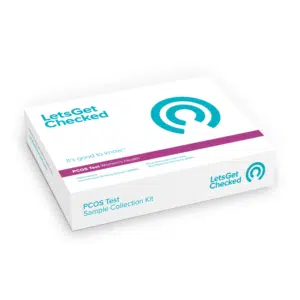
Polycystic Ovary Syndrome (PCOS) remains the most prevalent endocrine disorder among individuals of reproductive age, yet it is frequently characterized by a protracted and often frustrating diagnostic process. Recent clinical research indicates that the journey to a formal diagnosis can take upwards of two years and necessitate at least three separate consultations with healthcare professionals. This diagnostic "odyssey" creates significant barriers to early intervention, particularly for a condition that affects approximately 8% to 13% of women worldwide. In response to these systemic delays, the medical technology sector has introduced at-home diagnostic tools, such as the Let’s Get Checked PCOS Home Test, which utilizes capillary blood sampling to provide a preliminary hormonal profile. This shift toward decentralized testing represents a significant evolution in how chronic hormonal imbalances are identified and managed in a modern clinical context.
The Diagnostic Bottleneck: Understanding the Two-Year Delay
The delay in PCOS diagnosis is not merely a matter of administrative inefficiency but is rooted in the complex, multi-systemic nature of the syndrome. PCOS is a "syndrome of exclusion," meaning clinicians must rule out other potential endocrine disorders before confirming a diagnosis. The 2017 study published in the journal Human Reproduction and cited by PubMed highlights a pervasive dissatisfaction among patients regarding the time taken to receive an accurate diagnosis. For many, the symptoms—ranging from irregular menstrual cycles to hirsutism and persistent weight gain—are initially dismissed or treated in isolation rather than as a cohesive hormonal disorder.

The financial and psychological toll of this delay is substantial. Patients often report increased levels of anxiety and depression during the period of uncertainty. Furthermore, because PCOS is a leading cause of ovulatory infertility, a two-year delay can significantly impact family planning and reproductive success. The introduction of at-home testing is positioned as a disruptive solution to this bottleneck, allowing patients to gather empirical hormonal data before their first clinical appointment, thereby streamlining the consultative process.
The Clinical Standard: The Rotterdam Criteria
To understand the utility of at-home testing, it is necessary to examine the global gold standard for diagnosis: the Rotterdam Criteria. Established in 2003 by a consensus of experts, these criteria require a patient to present with at least two of the following three conditions:
- Oligo-ovulation or Anovulation: Characterized by irregular menstrual cycles, typically fewer than eight periods per year, or cycles that exceed 35 days in length.
- Hyperandrogenism: This may be clinical (visible symptoms such as acne, thinning scalp hair, or excess body hair) or biochemical (elevated levels of circulating androgens like testosterone).
- Polycystic Ovaries: Identified via transvaginal ultrasound, where the ovaries appear enlarged and contain numerous small follicles (typically 12 or more in each ovary, measuring 2–9 mm in diameter).
The complexity arises because a patient can have "polycystic ovaries" on an ultrasound without having the clinical syndrome, or they can have the syndrome with perfectly normal-looking ovaries. This nuance is why a combination of medical history, physical examination, and blood chemistry is essential.

Technical Analysis of At-Home Hormonal Screening
The Let’s Get Checked PCOS Home Test and similar diagnostic kits focus on the biochemical aspect of the Rotterdam Criteria. By using a finger-prick lancet to collect a small blood sample, these tests analyze a specific panel of hormones that serve as biomarkers for the condition. The typical panel includes:
- Testosterone: The primary male sex hormone, which is often elevated in PCOS patients, leading to physical symptoms like hirsutism.
- Sex Hormone-Binding Globulin (SHBG): A protein that regulates the amount of "free" testosterone in the blood. Low levels of SHBG are a common indicator of PCOS-related hormonal imbalance.
- Luteinizing Hormone (LH) and Follicle-Stimulating Hormone (FSH): In a healthy cycle, these hormones maintain a specific ratio. In many PCOS cases, the LH level is significantly higher than the FSH level, disrupting ovulation.
- Anti-Müllerian Hormone (AMH): Often used as a proxy for ovarian reserve, highly elevated AMH levels are frequently observed in individuals with polycystic ovaries.
The methodology for these tests requires precise timing. For individuals with a regular cycle, testing is recommended on days three through five of the menstrual cycle to capture baseline hormonal levels. For those with irregular cycles—a hallmark of PCOS—the test can be taken on any consecutive days, provided the laboratory is informed of the lack of a regular cycle to ensure accurate interpretation.
Differential Diagnosis and the Necessity of Exclusion
A critical component of a professional PCOS diagnosis is the exclusion of mimicking conditions. Clinical experts emphasize that while an at-home test can indicate a "probable" diagnosis, it cannot definitively rule out other serious disorders. Healthcare providers typically conduct secondary screenings to exclude:

- Cushing’s Syndrome: Caused by excess cortisol, which can mimic the weight gain and irregular cycles of PCOS.
- Congenital Adrenal Hyperplasia (CAH): A genetic disorder affecting the adrenal glands that results in high androgen production.
- Androgen-Secreting Tumors: Rare but serious growths that cause rapid-onset hyperandrogenism.
- Thyroid Dysfunction: Specifically hypothyroidism, which can cause menstrual irregularities and weight fluctuations.
- Hyperprolactinemia: Elevated levels of prolactin which can suppress ovulation.
The role of the home test is therefore viewed as a "first-step" indicator rather than a final verdict. It provides the patient with a data-backed rationale to seek specialized care from an endocrinologist or reproductive specialist.
Supporting Data: The Long-Term Health Implications
The urgency for early diagnosis is underscored by the long-term metabolic risks associated with PCOS. The syndrome is not merely a reproductive issue; it is a systemic metabolic disorder. Data from the Centers for Disease Control and Prevention (CDC) suggests that more than 50% of women with PCOS develop Type 2 diabetes by age 40. Furthermore, the condition is linked to:
- Gestational Diabetes: Increased risk during pregnancy, affecting both mother and child.
- Cardiovascular Disease: Higher rates of hypertension and high LDL cholesterol.
- Non-Alcoholic Fatty Liver Disease (NAFLD): Severe inflammation caused by fat buildup in the liver.
- Endometrial Cancer: Due to the infrequent shedding of the uterine lining (endometrium) caused by irregular periods.
By identifying hormonal imbalances early through accessible testing, patients can implement lifestyle interventions—such as targeted nutritional changes and insulin-sensitizing medications—that may mitigate these long-term risks.
Industry Response and Reliability Standards
The rise of at-home testing has met with a mix of cautious optimism and scrutiny from the medical community. To ensure clinical validity, companies like Let’s Get Checked utilize CLIA-certified and CAP-accredited laboratories, the same facilities used by hospitals and private practices. This ensures that the biochemical analysis of the blood sample meets rigorous federal standards for accuracy.
However, medical professionals often point out the limitations of "capillary" vs. "venous" blood draws. While finger-prick tests are highly accurate for many hormones, certain markers may be more reliably measured through traditional intravenous collection. Despite this, the convenience factor is a powerful driver of adoption. The ability to bypass the initial waiting room experience and arrive at a doctor’s office with a lab report in hand is seen as a major step toward patient empowerment.
Broader Impact on Public Health and Healthcare Equity
The democratization of diagnostic tools has significant implications for healthcare equity. Many women in rural or underserved areas may lack easy access to reproductive endocrinologists. At-home testing kits, which often include a telehealth consultation or a follow-up call from a nursing team to explain results, bridge the gap between self-care and professional medical intervention.

In terms of cost-effectiveness, the initial investment in a home kit (approximately $119, often reduced by insurance or discounts) may be lower than the cumulative cost of multiple co-pays for inconclusive doctor visits. By providing a clear indication of hormonal status, these tests allow for more focused and efficient use of healthcare resources.
Conclusion: The Future of Endocrine Health Management
The landscape of PCOS diagnosis is shifting from a reactive model—where patients wait years for answers—to a proactive model driven by accessible technology. While at-home tests are not a replacement for a comprehensive physical exam and ultrasound, they serve as a vital tool in the modern diagnostic toolkit. They offer a "probable" diagnosis that empowers the patient to advocate for their health with empirical evidence.
As the medical community continues to refine the Rotterdam Criteria and explore the genetic markers of PCOS, the integration of at-home data into clinical workflows is likely to become more common. For the millions of women struggling with the symptoms of polycystic ovary syndrome, these innovations represent more than just convenience; they represent a significant reduction in the time spent in medical limbo, paving the way for earlier treatment and better long-term health outcomes.
