
The pervasive narrative surrounding hair hydration suggests a straightforward path to luscious locks: simply add water. Yet, beneath the surface of marketing claims and common wisdom lies a complex scientific reality where water’s role is far from simple, often paradoxical, and frequently misunderstood by consumers and even some industry professionals. This article delves into the intricate relationship between hair and water, challenging long-held beliefs and illuminating the genuine mechanisms behind hair health and aesthetics.
For decades, the beauty industry has championed "hydrating" hair products, leading consumers to believe that infusing hair with water directly translates to softness, smoothness, and overall vitality. However, a growing consensus among cosmetic scientists and hair experts indicates that this interpretation is largely a myth. The very concept of "hydrated hair" as popularly understood often contradicts its actual scientific state. Dr. Michelle Wong, a prominent cosmetic chemist and science communicator, highlights the industry’s reluctance to dismantle this ingrained belief, noting that explaining the true science is often deemed too complex or commercially counterproductive, risking consumer alienation. This journalistic exploration aims to bridge that gap, offering clarity on a topic shrouded in scientific nuance and marketing simplification.
The Molecular Dance: Water and Hair Bonds
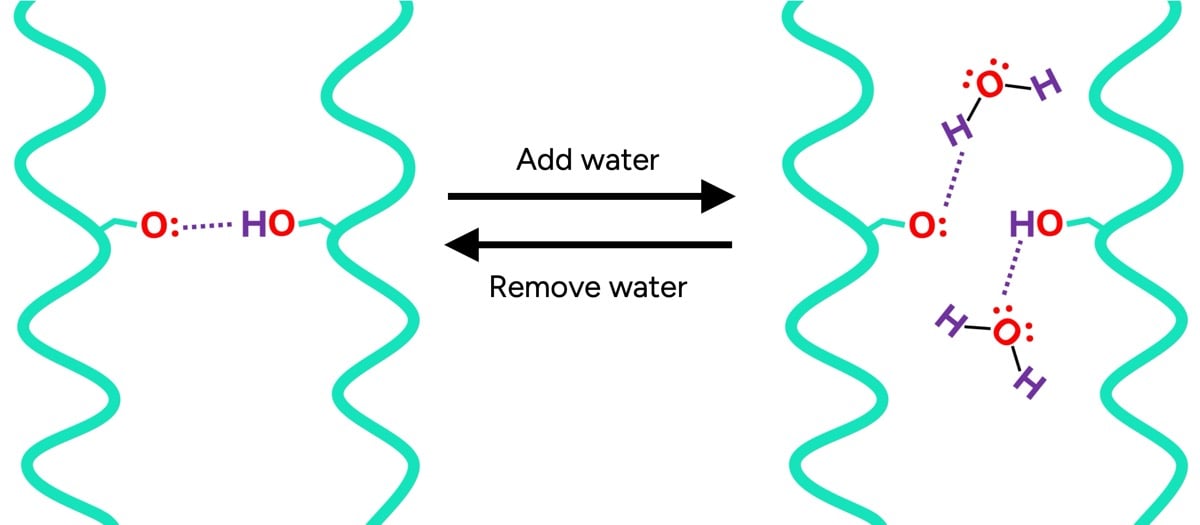
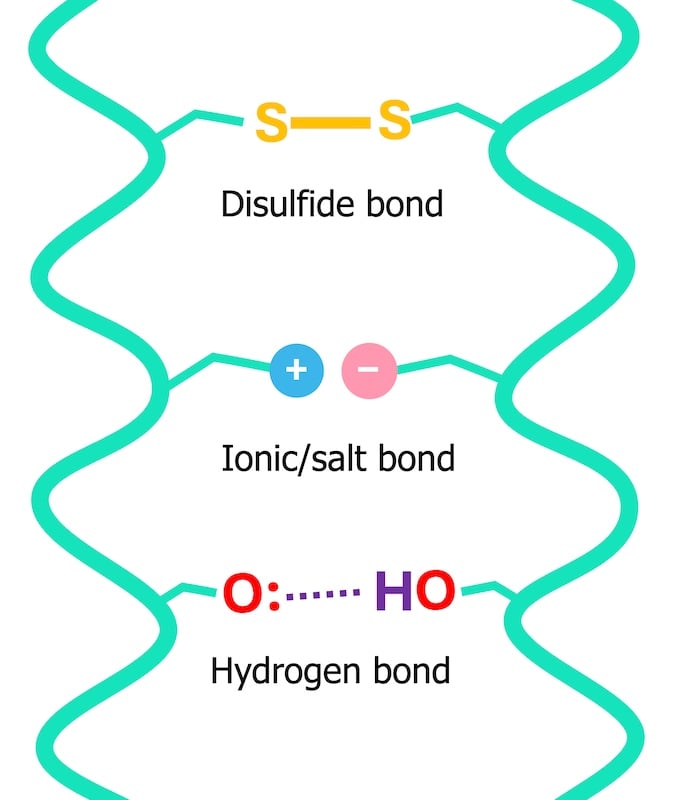
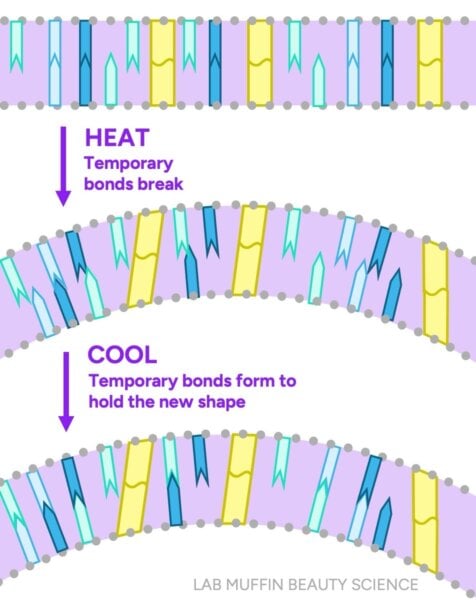
At its core, hair is a complex protein structure, primarily composed of keratin. The strength and shape of a hair strand are determined by various bonds holding these proteins together. These bonds fall into two main categories: permanent and temporary. Permanent bonds, such as disulfide bonds, are strong covalent links that dictate the hair’s natural curl pattern and are altered through chemical treatments like perms or relaxers. Temporary bonds, predominantly hydrogen bonds, are weaker and far more dynamic, playing a crucial role in hair’s immediate physical properties and its interaction with water.
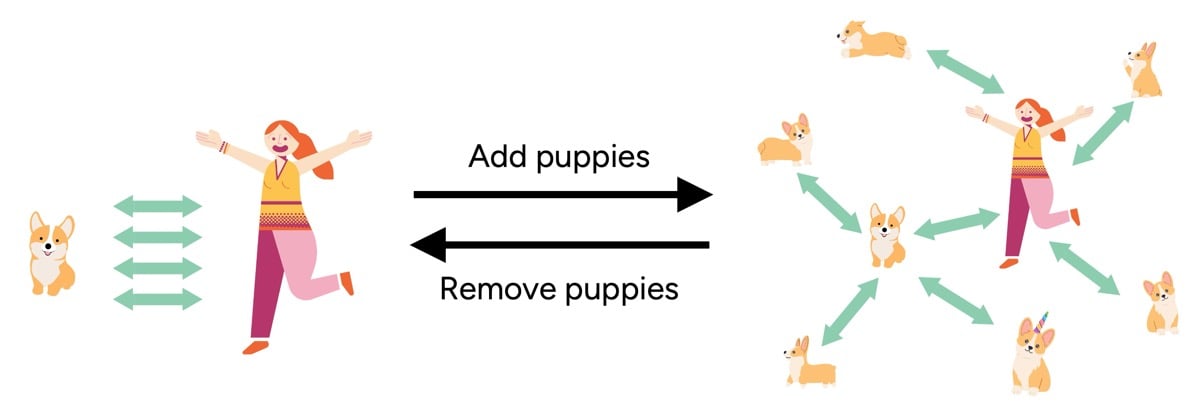
In dry hair, keratin proteins form a robust network of these temporary hydrogen bonds, essentially "holding hands" at a molecular level, contributing to the hair’s stiffness and strength. When water is introduced, its molecules readily form new hydrogen bonds with the keratin proteins. This process disrupts the existing protein-to-protein hydrogen bonds, causing the proteins to instead "hold hands" with water molecules. Consequently, wet hair has significantly fewer internal bonds holding its protein structure together, leading to a reduction in its overall strength and an increase in elasticity. This phenomenon is akin to introducing many new, friendly puppies into a dog park where only two dogs previously interacted; the original pair’s bond weakens as they engage with the newcomers.
The Dual Nature of Wet Hair: Fragility and Flexibility
The scientific implications of water breaking hair bonds are profound and explain several common hair care conundrums. Wet hair, with its reduced internal bonding, becomes significantly weaker and more susceptible to damage from mechanical stress. It can stretch more easily (up to 30% or more without breaking, compared to dry hair) but also snaps more readily if over-stretched. This increased elasticity makes it more flexible but simultaneously more fragile.
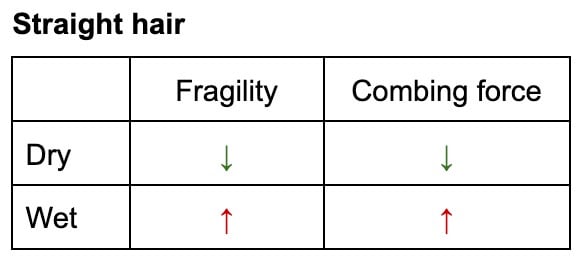
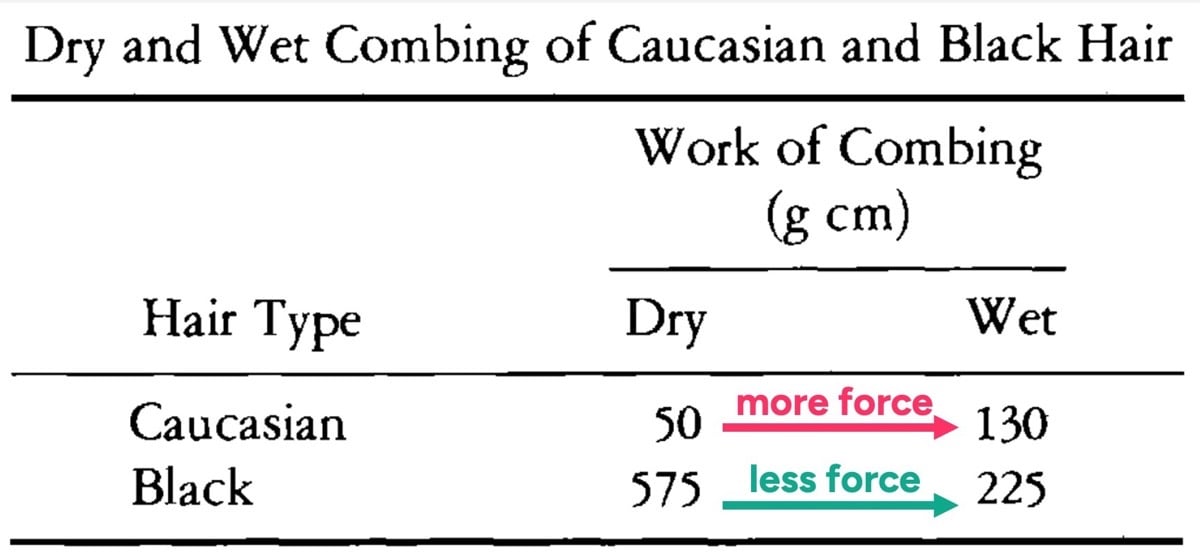
This dual nature has direct consequences for hair care practices, particularly detangling. For straight hair, combing when wet is often more damaging. While the hair is more flexible, the weakened internal structure makes it vulnerable to breakage from the friction and force of a comb or brush. Moreover, water’s surface tension can cause straight strands to stick together, increasing resistance during detangling. Studies, such as those by Epps and Wolfram in the 1980s, have highlighted the increased damage incurred when combing straight hair in a wet state.
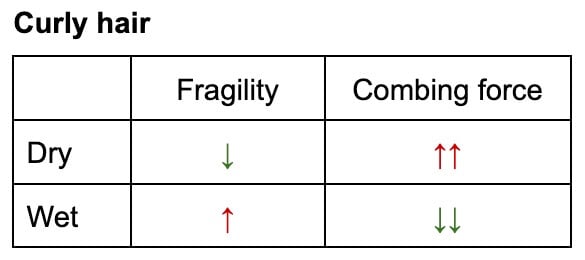
Conversely, for curly and coily hair, wet detangling is often less damaging. Even though the individual strands are weaker, the water helps to loosen the curl pattern, reducing tangles and allowing for smoother separation with less force. The inherent shape of curly hair creates more resistance when dry, making dry detangling a more strenuous and damaging process. This observation underscores the importance of tailoring hair care routines to specific hair types, rather than applying a one-size-fits-all approach. The presence of conditioner further aids detangling by coating strands, reducing friction, and minimizing mechanical stress, whether hair is wet or dry.
Challenging Sensory Perception: Why "Dry" Feels "Hydrated"
One of the most counterintuitive findings in hair science is the disconnect between perceived "hydration" and actual water content. Hair that feels soft, smooth, and healthy—qualities often attributed to "hydrated" hair—actually tends to have lower internal water content than hair that feels rough, coarse, or "dry."
A seminal study cited by Evans (2013) demonstrated this phenomenon vividly. Fifty individuals were asked to evaluate hair samples with varying water content. A majority perceived the hair with less water as more moisturized, smoother, less tangled, and less damaged. This paradoxical perception is rooted in the microscopic structure of the hair cuticle, the outermost layer composed of overlapping scales.
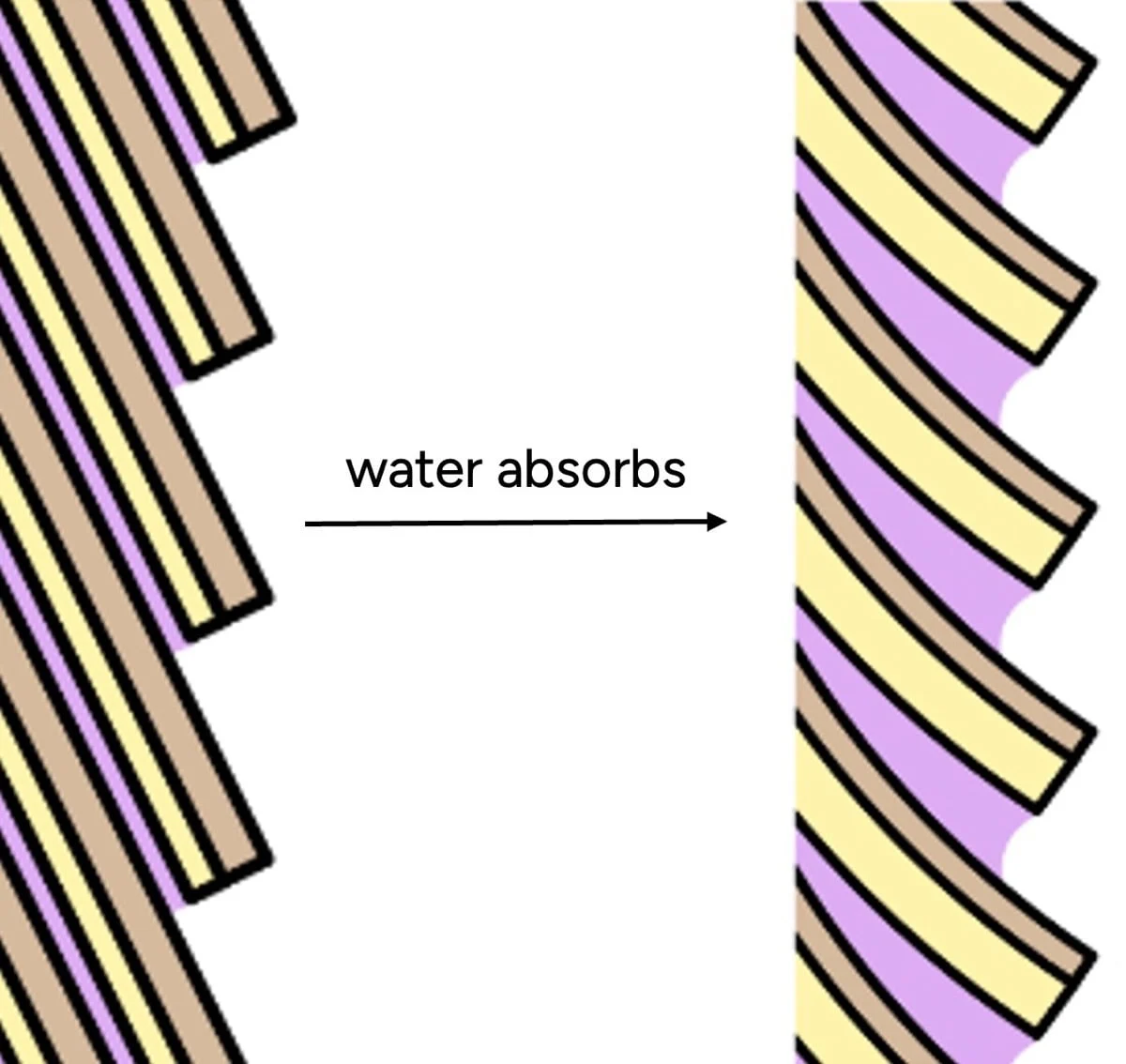
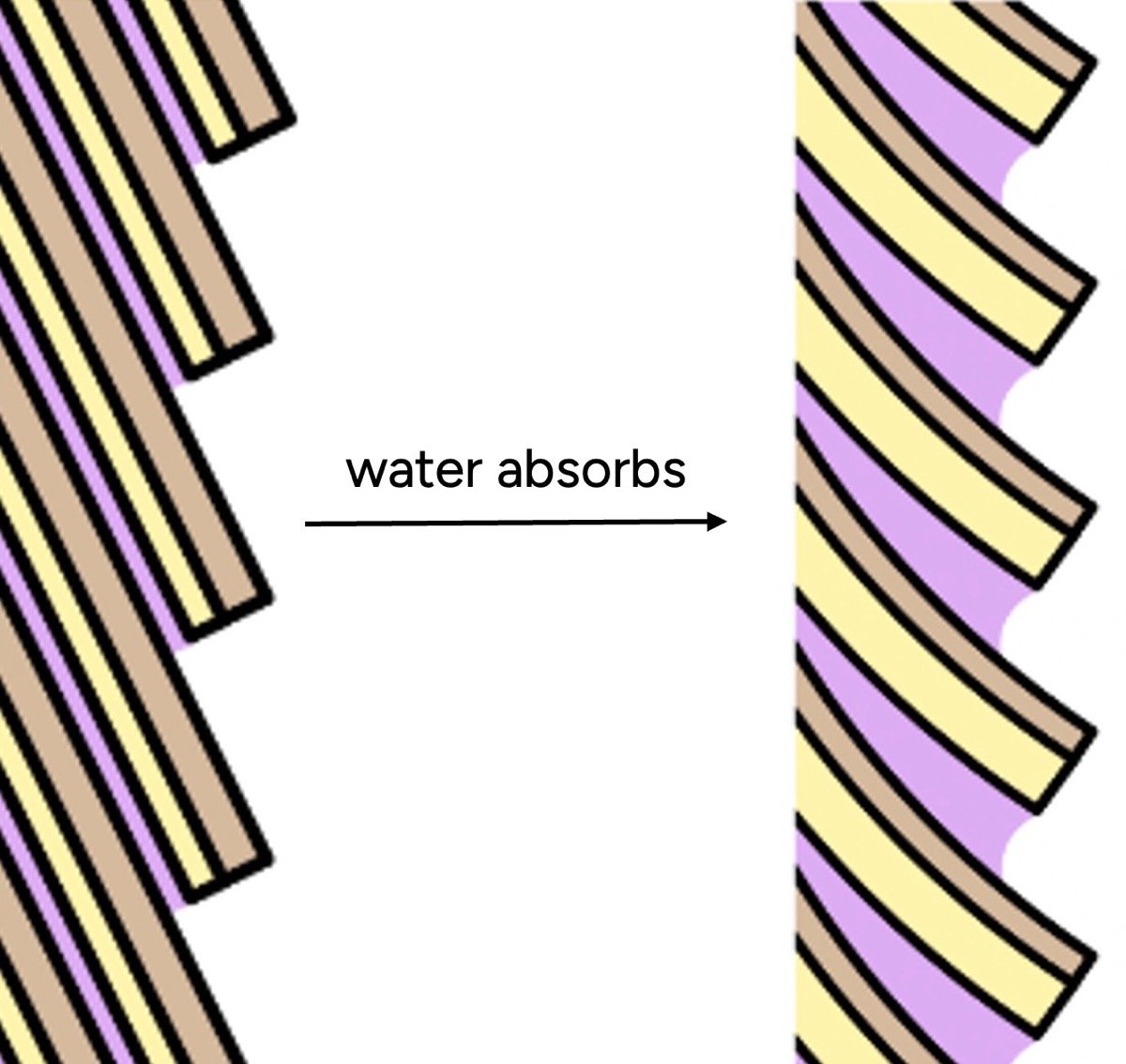
When hair absorbs excess water, the cuticle scales swell. Crucially, different parts of the scale swell unevenly. The endocuticle (the underside of each scale) and the cell membrane complex (the "glue" between scales) absorb significantly more water than the top layer. This differential swelling causes the scales to lift and become more prominent, creating a bumpy, rough surface. Furthermore, water itself is a sticky substance, increasing friction between strands (a principle exploited when wetting fingers to grip objects). Thus, hair with higher water content feels microscopically rougher and "grippier." Our brains, accustomed to interpreting roughness as "dryness" in most other materials, mislabel this sensation as a lack of moisture.
The True Function of "Hydrating" Products
Given this scientific understanding, how do products marketed as "hydrating" actually work? The answer lies primarily in conditioning. These products typically contain ingredients like silicones, fatty alcohols, and various oils that act as emollients and film-formers. These components deposit a fine layer onto the hair cuticle, smoothing down the lifted scales and filling in any gaps. This protective, lubricating layer reduces friction, making the hair surface feel smooth, soft, and easy to comb – precisely the qualities consumers associate with "hydration."
This mechanism essentially mimics and enhances the hair’s natural F-layer, an incredibly thin, hydrophobic (water-repelling) lipid layer on the cuticle surface. The F-layer is crucial for protecting the hair and maintaining its smooth texture, but it is easily damaged and stripped away by chemical treatments, excessive heat styling, and even harsh washing. Conditioners, therefore, function as a restorative measure, replicating the F-layer’s benefits rather than directly "hydrating" the hair by increasing its internal water content.
The Ritual of Washing: Reshaping and Renewing
The satisfying sensation of freshly washed and conditioned hair, often described as "hydrated," is not solely due to increased water content but a combination of complex physical and chemical transformations.
-
Optimal Conditioning Distribution: Water acts as an excellent solvent and spreading agent. During washing, the abundance of water allows conditioning ingredients to disperse evenly across each strand, ensuring comprehensive coverage and maximum smoothing effect.
-
Hair Shape Reset: Water, especially combined with heat and shampoo (which reduces surface tension), is exceptionally effective at breaking the temporary hydrogen bonds that hold styled hair in place. This "resets" the hair, allowing its permanent disulfide bonds to pull it back into its natural, unstressed configuration. This is why humidity can quickly undo a carefully styled look, and why washing eliminates heat styling. The hair becomes highly plastic, like softened wax, allowing for effective restyling.
-
Curl Clumping and Alignment: For curly and coily hair, water plays an additional, vital role in promoting curl definition. Water’s surface tension helps individual strands align parallel to each other. As wet strands touch, water "zips" them together through a process known as self-assembly, forming larger, well-defined curl clumps. These aligned clumps present a smoother, more uniform surface that reflects light better and feels silkier to the touch. This enhanced alignment also gives the illusion of "hydration" when dry; larger, smoother clumps transfer heat away from the hand more efficiently, feeling cooler and smoother, which our brains can interpret as "moisturized."
-
Microscopic Surface Restoration: Water can also correct microscopic imperfections. Rapid drying, especially with high heat, can cause uneven shrinkage of cuticle scales, leading to buckling and a rougher surface (Gamez-Garcia, 2021). Similarly, minor stretching can induce this buckling. Soaking hair in water and allowing it to dry naturally often resets these scales, restoring a smoother cuticle surface.
The "Sweet Spot" of Hair Water Content
While excessive water can weaken and roughen hair, a complete lack of water is equally detrimental. There is an optimal range of water content for hair, analogous to skin. Skin that is too wet becomes fragile and prone to crumbling, while excessively dry skin becomes stiff and cracks. Hair behaves similarly.
Hair that is too dry (typically below 5-7% water content) experiences several negative effects:
- Increased Static Electricity: In low humidity environments, hair readily builds up static charge as it rubs against other materials, leading to frustrating flyaways. Water normally helps dissipate these charges.
- Brittleness and Reduced Shock Absorbency: Severely dry hair is brittle because its many, tightly formed bonds make it inflexible. It cannot absorb mechanical shock from brushing or styling without developing microscopic cracks that eventually lead to breakage. This is observable in dry fingernails (made of similar keratin) which splinter more easily than wet, flexible nails.
Therefore, the ideal water content for healthy hair lies in a balanced middle ground, generally around 10-15% by weight, where it retains sufficient flexibility without being overly weakened or rough.
Adjusting Hair’s Water Content and Perception
Achieving this "happy medium" and the desired sensory experience involves several strategies, though the precise mechanisms of some are still debated:
- Conditioners and Oils: These are the most direct way to smooth the cuticle, reduce friction, and provide a protective barrier. Ingredients like silicones, fatty alcohols, and natural oils (e.g., coconut oil, as explored by Kaushik et al., 2021) are highly effective.
- Humectants: Ingredients like glycerin or hyaluronic acid can attract water from the air to the hair surface, potentially increasing its flexibility and reducing static, especially in moderate humidity.
- Protein Treatments: While not directly affecting water content, hydrolyzed proteins can temporarily fill gaps in damaged cuticles, strengthening the hair and making it feel smoother, which can indirectly contribute to a perception of health.
- Gentle Drying: Allowing hair to air dry or using low heat with a diffuser can prevent rapid, uneven drying that leads to cuticle buckling, thus promoting a smoother surface.
Implications for Consumers and the Beauty Industry
The scientific understanding of hair and water has significant implications. For consumers, it empowers more informed product choices. Instead of blindly reaching for "hydrating" labels, understanding that the goal is often conditioning, structural integrity, and friction reduction can lead to more effective routines. Products focusing on cuticle smoothing, barrier repair (like the F-layer), and appropriate detangling are key.
For the beauty industry, this knowledge presents a challenge and an opportunity. The ingrained "hydration" myth is a powerful marketing tool. However, forward-thinking brands and educators are beginning to embrace scientific accuracy, providing consumers with genuine insights into hair biology. This shift fosters trust and encourages the development of products based on sophisticated understanding, moving beyond simplistic narratives to address real hair needs, whether that’s strengthening weakened bonds, improving cuticle alignment, or managing environmental stressors like humidity or dryness.
In conclusion, water is neither an unmitigated boon nor a universal foe for hair. It is a fundamental element that intricately interacts with hair’s molecular structure, acting as a powerful tool for reshaping, cleansing, and enabling conditioning. The key to healthy, beautiful hair lies not in blindly "hydrating" it, but in understanding these interactions, treating hair gently, and leveraging the right products to optimize its structural integrity and surface smoothness. The myth of simple "hydration" gives way to a nuanced science that ultimately offers a clearer path to effective hair care.
References
- Robbins CR. Chemical and Physical Behavior of Human Hair. 5th ed. Springer Berlin Heidelberg 2012.
- Evans T. Consumer vs. scientific language: relating in vivo to in vitro. Cosmetics & Toiletries. 2013;128(5):300-304.
- Epps J, Wolfram LJ. Letter to the editor. J Soc Cosmet Chem. 1983;34:213-214.
- Gamez-Garcia M. Moisture in the cuticle sheath: effects on hair mechanical and cosmetic properties. J Cosmet Sci. 2021;72:687-696.
- Kamath YK, Hornby SB. Effect of chemical and humectant treatments on the mechanical and fractographic behavior of Negroid hair. J Soc Cosmet Chem. 1985;36:39-52.
- Kaushik V, Chogale R, Mhaskar S. Single hair fiber assessment techniques to discriminate between mineral oil and coconut oil effect on hair physical properties. J Cosmet Dermatol. 2021;20(4):1306-1317. doi:10.1111/jocd.13724
- Wong M. Hair, hydration and water: the real science. Lab Muffin Beauty Science. January 28, 2026. Accessed March 11, 2026. https://labmuffin.com/hair-hydration-and-water-the-real-science/
