
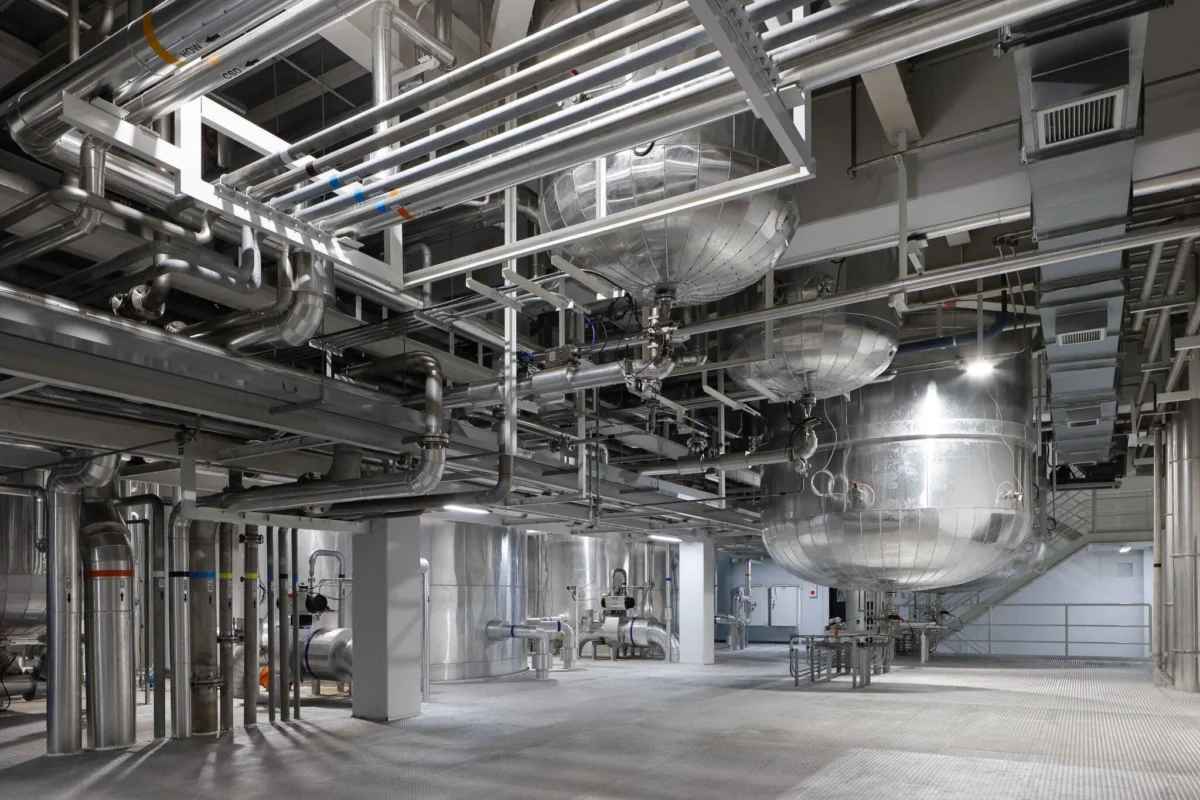
Japanese biotechnology innovator Spiber has officially inaugurated a comprehensive contract biomanufacturing and strain development platform, a strategic expansion designed to accelerate the commercialization of next-generation proteins across the food, chemical, research, and industrial sectors. Best known for pioneering the development of fermentation-derived "Brewed Protein" materials for the global fashion industry—where its sustainable fibers have been adopted by over 40 major luxury and lifestyle brands—Spiber is now making its extensive bio-infrastructure accessible to external partners. The newly introduced service aims to alleviate persistent industry-wide bottlenecks, specifically targeting low microbial yields, costly scale-up failures, and a critical global shortage of contract fermentation capacity capable of transitioning genetically modified organisms (GMOs) from laboratory benches to commercial-scale production.
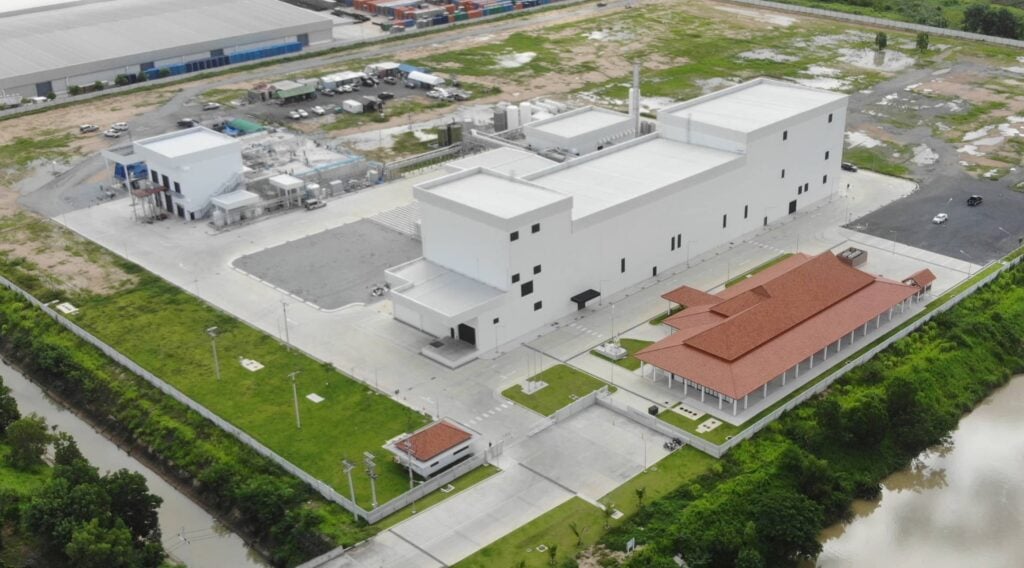
The launch of the Spiber Biofoundry leverages the company’s advanced pilot and commercial manufacturing facilities located in Tsuruoka, Japan, and Rayong, Thailand. By opening these assets to third-party developers, Spiber aims to streamline the development lifecycle for food ingredients, industrial enzymes, diagnostic raw materials, and specialized research reagents. Company leadership emphasizes that granting external firms access to tried-and-tested bioreactors and proprietary strain engineering workflows will significantly shorten time-to-market metrics, reducing the prohibitive ongoing operational expenditures that frequently stifle early-stage synthetic biology enterprises.

Evolution from Fashion Tech to Industrial Biofoundry
Founded nearly two decades ago by Kazuhide Sekiyama, Hideya Mizutani, and Junichi Sugahara, Spiber has raised a cumulative total of approximately $489 million in venture capital and strategic investments. The enterprise built its reputation on a proprietary synthetic biology and materials science platform that utilizes microbes to convert agricultural waste streams into structural proteins. These agricultural inputs are fermented to create versatile biopolymers that can be spun into high-performance fibers capable of displacing traditional animal-derived textiles such as cashmere, silk, wool, fur, and leather, as well as petroleum-based synthetics.
The environmental metrics associated with Spiber’s flagship material have served as a cornerstone for its market positioning. Life-cycle assessments indicate that the company’s Brewed Protein fibers generate up to 75% fewer greenhouse gas emissions while consuming 94% less water and 86% less land compared to conventional cashmere production. Unlike many competitors in the alternative protein and sustainable materials space, Spiber successfully crossed the notoriously difficult "valley of death" between bench-scale synthesis and industrial commercialization. By constructing an end-to-end proprietary infrastructure encompassing gene sequence design, host strain construction, and industrial-scale fermentation and purification, the company achieved commercial titers reaching 50 grams per liter at its Rayong facility.
Addressing Structural Bottlenecks in Precision Fermentation
The decision to establish a dedicated contract manufacturing and strain optimization service stems from widespread structural challenges within the broader precision fermentation industry. Over the past decade, numerous synthetic biology startups have struggled to transition successful laboratory bench processes into large-scale commercial operations. Key obstacles include a scarcity of pilot- and commercial-scale contract manufacturing organizations (CMOs) willing to handle precision-engineered microbes, alongside unpredictable fermentation yields that render large-scale manufacturing economically unviable.
Spiber’s new service directly addresses these pain points by offering an integrated, two-pronged approach: high-yield strain engineering and comprehensive bioprocess development. Through the strain development division, clients can enlist Spiber to optimize gene sequences for target proteins, introduce these sequences into proprietary microbial host strains, and evaluate expression dynamics in culture. Internal case studies released by the company demonstrate significant performance enhancements; in comparative evaluations, Spiber’s optimized sequences delivered between 5.9 and 9.4 times the yield of commercially optimized human FGF-2 controls, and 1.1 to 2.6 times the output for human interferon-gamma. Across broader analytical tests involving multiple protein targets, Spiber-optimized sequences reportedly outperformed standard benchmarks in 90% of cases, achieving an average fourfold improvement in yield with peak outcomes reaching a fortyfold increase.
Scalable Infrastructure and Flexible Commissioning
Complementing its strain optimization capabilities, the fermentation and purification service offers scalable manufacturing options designed to accommodate varying phases of commercial development. Clients can commission unit operations incrementally or utilize the full suite of production capabilities. Bench-scale evaluations begin in one-liter fermentation tanks, advancing to 2,000-liter vessels housed at Spiber’s research and development center in Tsuruoka, Japan. For full-scale industrial production, clients gain access to commercial fermenters exceeding 100,000 liters at the company’s Rayong manufacturing plant in Thailand.
This tiered flexibility permits external enterprises to engage Spiber for targeted evaluations or secure multi-ton production runs across diverse product categories, including microbial biomass, industrial enzymes, research reagents, and novel food ingredients. By providing modular access to infrastructure that typically requires tens or hundreds of millions of dollars in capital expenditure to build independently, Spiber aims to democratize precision fermentation and lower the financial barriers that prevent innovative proteins from reaching commercial viability.
Strategic Implications and Industry Outlook
The launch of the Spiber Biofoundry reflects a broader maturation trend within the global synthetic biology sector. As venture capital funding environment shifts toward capital efficiency and proven operational execution, platform companies are increasingly looking to monetize their underlying technological infrastructure rather than relying solely on end-consumer product sales. For Spiber, this diversification strategy hedges against sector-specific downturns in the luxury apparel market while maximizing the utility of its multi-million-dollar manufacturing assets in Asia.
Industry analysts note that the success of Spiber’s contract service could establish a new benchmark for asset-heavy biotech startups seeking non-dilutive revenue streams. However, challenges remain. Integrating external customer strains into established, high-volume manufacturing facilities requires rigorous quality control, stringent biosecurity protocols, and sophisticated intellectual property management to protect client formulas while maintaining cross-contamination protocols in shared bioreactors.
Company executives remain optimistic that cross-industry collaboration will drive broader adoption of bio-based manufacturing. Speaking on the strategic rationale behind the launch, CEO Maya Kawana emphasized that the company’s long-term vision extends far beyond textiles. By extending its platform capabilities to external innovators, Spiber hopes to accelerate the global transition away from finite natural resources, paving the way for a more sustainable bio-economy where precision fermentation serves as a foundational manufacturing pillar for multiple industrial sectors.
