
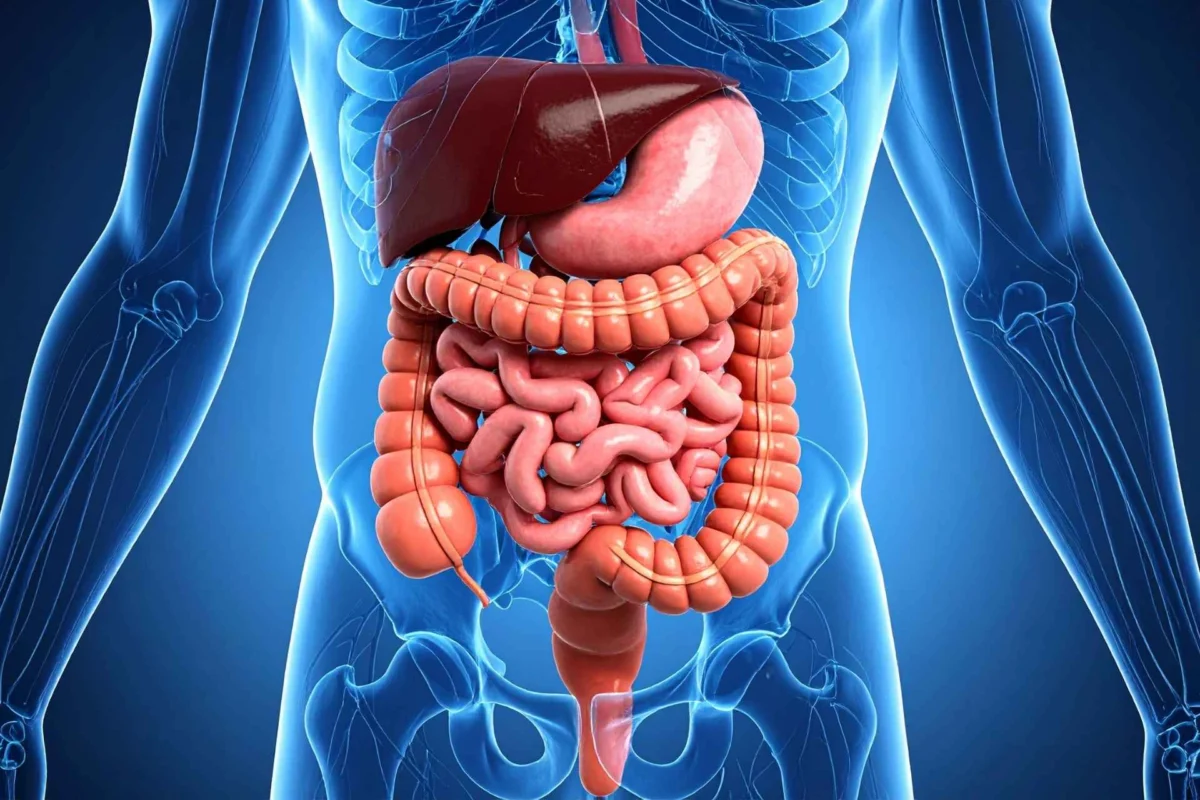
Colorectal cancer remains one of the most significant challenges in modern oncology, consistently ranking as the third most common cancer diagnosed in both men and women and the second leading cause of cancer-related deaths globally. While traditional risk factors such as diet, age, and genetics have long been documented, the scientific community has increasingly turned its focus toward the complex ecosystem of the human gut. Recent research published in the journal Cell Host & Microbe has unveiled a groundbreaking mechanism by which the gut microbiota—specifically the bacterium Fusobacterium nucleatum—interacts with the host’s immune system to potentially suppress tumor growth. This discovery, led by Elisa Sorrenti and her colleagues at the Università della Svizzera Italiana in Bellinzona, Switzerland, suggests that the presence of certain microbes combined with specific genetic markers may dictate the efficacy of the body’s internal defense against colorectal malignancies.
The study centers on the role of neutrophils, the most abundant type of white blood cell in the human body. Traditionally viewed as the "first responders" of the innate immune system, neutrophils are rapidly recruited to sites of infection and inflammation. However, in the context of oncology, their role has been notoriously ambiguous. These cells, referred to as tumor-associated neutrophils (TANs), exhibit a high degree of plasticity. Depending on the signals they receive from the tumor microenvironment, they can either adopt a pro-tumorigenic (N2) phenotype, which aids in tumor progression and immunosuppression, or an anti-tumorigenic (N1) phenotype, which actively attacks and destroys malignant cells. The Swiss research team’s findings provide a critical map for how the gut microbiome can flip this switch, turning neutrophils into effective tumor killers.
The Role of the Gut Microbiome in Colorectal Oncology
The human gastrointestinal tract is home to trillions of microorganisms, collectively known as the gut microbiota. This community is essential for metabolic processes, the synthesis of vitamins, and the maturation of the immune system. In recent years, dysbiosis—an imbalance in these microbial populations—has been linked to various diseases, including inflammatory bowel disease (IBD) and colorectal cancer (CRC). Previous studies had established that Fusobacterium nucleatum, a Gram-negative anaerobic bacterium typically found in the oral cavity, is often enriched in colorectal tumor tissues.
Historically, F. nucleatum was viewed primarily as a villain in the progression of colorectal cancer. It was known to promote tumor cell proliferation and contribute to chemoresistance by modulating autophagy pathways. However, the new data suggests a more nuanced reality. The researchers found that while the bacteria are associated with tumors, their presence also serves as a potent stimulus for the recruitment and activation of neutrophils. This recruitment is mediated by chemokines—specialized signaling proteins that act as chemical beacons for immune cells.
In analyzing tumor tissues compared to adjacent healthy tissues, the research team observed a significant upregulation of chemokines such as CXCL1, CXCL2, and CXCL8 (also known as Interleukin-8). These signals are the primary drivers for neutrophil infiltration into the tumor mass. The study demonstrated that F. nucleatum was particularly effective at inducing these chemokines, far outperforming other common gut residents like Bacteroides fragilis, which showed a comparatively negligible effect on neutrophil recruitment.
Experimental Chronology and Laboratory Findings
The investigation followed a rigorous chronological path, moving from clinical observations to controlled laboratory environments and mouse models. The team first identified the correlation between high bacterial loads and neutrophil density in human CRC samples. To understand the causality, they transitioned to in vitro experiments, exposing human neutrophils to various bacterial strains.
When neutrophils were introduced to F. nucleatum in a controlled environment, the results were transformative. The cells underwent a process of activation characterized by rapid morphological changes, increased motility, and the release of cytotoxic granules. These granules contain antimicrobial proteins and reactive oxygen species (ROS) that, while designed to kill bacteria, are also capable of inducing apoptosis in nearby tumor cells. In contrast, neutrophils exposed to B. fragilis remained largely quiescent, failing to demonstrate the aggressive, tumor-killing behavior triggered by Fusobacterium.
To further validate these findings, the researchers utilized mouse models of colorectal cancer. Mice colonized with F. nucleatum showed a marked increase in the production of neutrophil-attracting chemokines within the tumor microenvironment. This influx of neutrophils was directly correlated with a reduction in tumor burden, provided the immune cells were properly activated.
The Siglec-14 Genetic Marker: A Critical Discovery
Perhaps the most significant enrichment of this research is the identification of the Siglec-14 receptor as the molecular "on-switch" for neutrophil cytotoxicity. Siglecs (Sialic acid-binding immunoglobulin-type lectins) are a family of cell surface receptors that recognize sialic acids on the surface of cells and microbes. Siglec-14 is an activating receptor expressed on the surface of neutrophils, and it plays a vital role in sensing pathogens.
The research team discovered that the tumor-killing effect of F. nucleatum was entirely dependent on the presence and activation of Siglec-14. When this receptor was engaged by the bacteria, it triggered an intracellular signaling cascade that primed the neutrophil for attack. Interestingly, the human population exhibits genetic diversity regarding this receptor. Due to a common gene deletion, some individuals lack the Siglec-14 receptor entirely, instead possessing only the inhibitory counterpart, Siglec-5.
In patients who possess the Siglec-14 receptor, the presence of F. nucleatum in the tumor was associated with significantly better survival outcomes. These patients’ immune systems were essentially "armed" by the bacteria to fight the cancer. For those lacking the receptor, the presence of the same bacteria did not confer the same survival advantage, as their neutrophils lacked the necessary hardware to receive the activation signal. This finding provides a compelling explanation for why previous studies on F. nucleatum in CRC have yielded conflicting results regarding patient prognosis.
Supporting Data and Statistical Context
Colorectal cancer statistics underscore the urgency of these findings. According to the World Health Organization (WHO), more than 1.9 million new cases of CRC were diagnosed in 2020 alone. While the five-year survival rate for localized CRC is approximately 91%, this figure drops precipitously to 14% for patients with distant metastatic disease. The ability to harness the body’s own immune system through "microbiome-modulated immunotherapy" could represent a paradigm shift for patients who do not respond to traditional treatments.
The data presented by Sorrenti’s team suggests that the "microbiome-immune-genetics" triad is a powerful predictor of disease trajectory. In their cohort analysis, patients with a "high F. nucleatum / high neutrophil / Siglec-14 positive" profile showed a 30-40% improvement in survival rates compared to those with low bacterial infiltration or those lacking the Siglec-14 gene. This statistical significance highlights the potential for Siglec-14 to serve as a biomarker for stratifying patients into different treatment pathways.
Implications for Future Therapy and Immunotherapy
The implications of this study reach far beyond basic biology, offering a new blueprint for the development of innovative cancer treatments. Currently, the field of immunotherapy is dominated by checkpoint inhibitors (such as PD-1/PD-L1 inhibitors), which work by "releasing the brakes" on T-cells. However, many colorectal cancers, particularly those that are microsatellite stable (MSS), are notoriously resistant to these treatments.
The discovery that neutrophils can be transformed into potent anti-tumor agents via microbial stimulation opens a new front in the war on cancer. Potential therapeutic strategies derived from this research include:
- Next-Generation Probiotics: Developing engineered strains of F. nucleatum or other bacteria that can safely colonize the tumor site and activate neutrophils without the pathogenic risks associated with wild-type bacteria.
- Siglec-14 Agonists: Creating pharmacological agents that mimic the binding of F. nucleatum to the Siglec-14 receptor, thereby "tricking" neutrophils into an anti-tumor state regardless of the patient’s microbiome composition.
- Precision Diagnostics: Using genetic testing to identify the Siglec-14 status of CRC patients to predict their likelihood of responding to certain microbial-based or immune-boosting therapies.
Professional Analysis and Conclusion
The work of the Università della Svizzera Italiana researchers marks a transition in how oncologists view the relationship between the host and its internal microbial environment. It moves the conversation from a simplistic "good vs. bad" bacteria narrative toward a sophisticated understanding of context-dependent immunity.
"Our work identifies both intratumoral microbiota composition and the host genetic makeup as critical factors for the elicitation of neutrophil cytotoxic effects," the authors noted in their concluding remarks. They further emphasized that Siglec-14 stands as a "potential therapeutic target for the development of innovative immunotherapies unleashing [tumor-associated neutrophils’] cytotoxic potential."
As the medical community continues to grapple with the complexities of colorectal cancer, the integration of microbiome science and genetic profiling offers a more personalized approach to care. The realization that a bacterium once thought to be purely detrimental can, under the right genetic conditions, act as a catalyst for cancer suppression is a testament to the intricate balance of human biology. Future clinical trials will likely focus on how to safely manipulate these microbial signals to ensure that for more patients, the gut’s "first responders" are equipped and ready to turn the tide against malignancy.
