
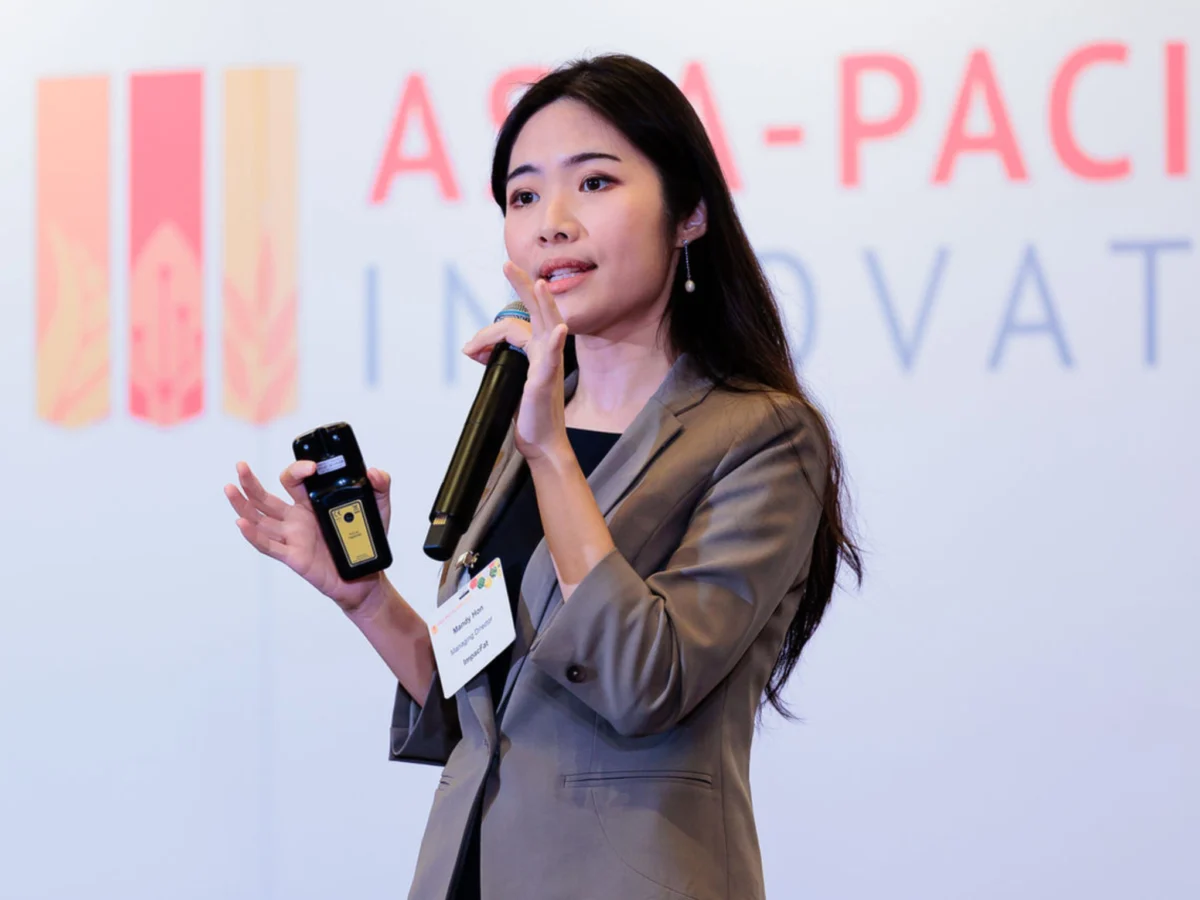
The convergence of cellular agriculture and the clean beauty industry has reached a significant milestone following a strategic partnership between Japanese cellular agriculture pioneer IntegriCulture and Singapore-based alternative fat developer ImpacFat. The two biotechnology innovators have signed a Memorandum of Understanding (MoU) to develop and commercialize sustainable marine-derived cosmetics tailored specifically for the Asian market, utilizing ImpacFat’s proprietary cultivated omega-3 fish fat.
This alliance represents a broader structural shift within the Asia-Pacific personal care sector, where consumer demand for sustainable, transparent, and high-performance ingredients is accelerating at an unprecedented pace. By combining ImpacFat’s advanced cell culture platform with IntegriCulture’s deep manufacturing expertise and proprietary cellular agriculture infrastructure, the partnership aims to introduce functional, bio-based cosmetics that offer novel narratives and measurable environmental benefits.
Chronology of the Partnership and Market Expansion
The collaboration between IntegriCulture and ImpacFat builds upon a foundation of aggressive international expansion and a series of strategic milestones achieved by both companies over the past several years.
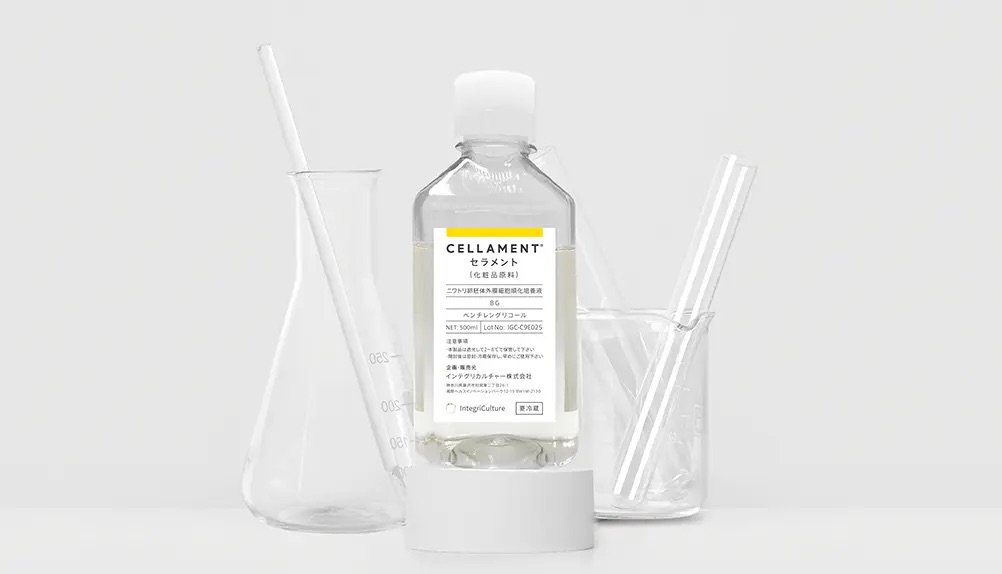
ImpacFat’s entry into the Japanese market approximately a year ago served as a crucial precursor to this agreement. Following a successful funding tranche, the Singaporean startup established dedicated research and operational infrastructure in Tokyo, explicitly targeting commercial skincare launches by 2026. This physical presence in Japan allowed ImpacFat to forge closer ties with regional biotechnology leaders, ultimately paving the way for the MoU with IntegriCulture.
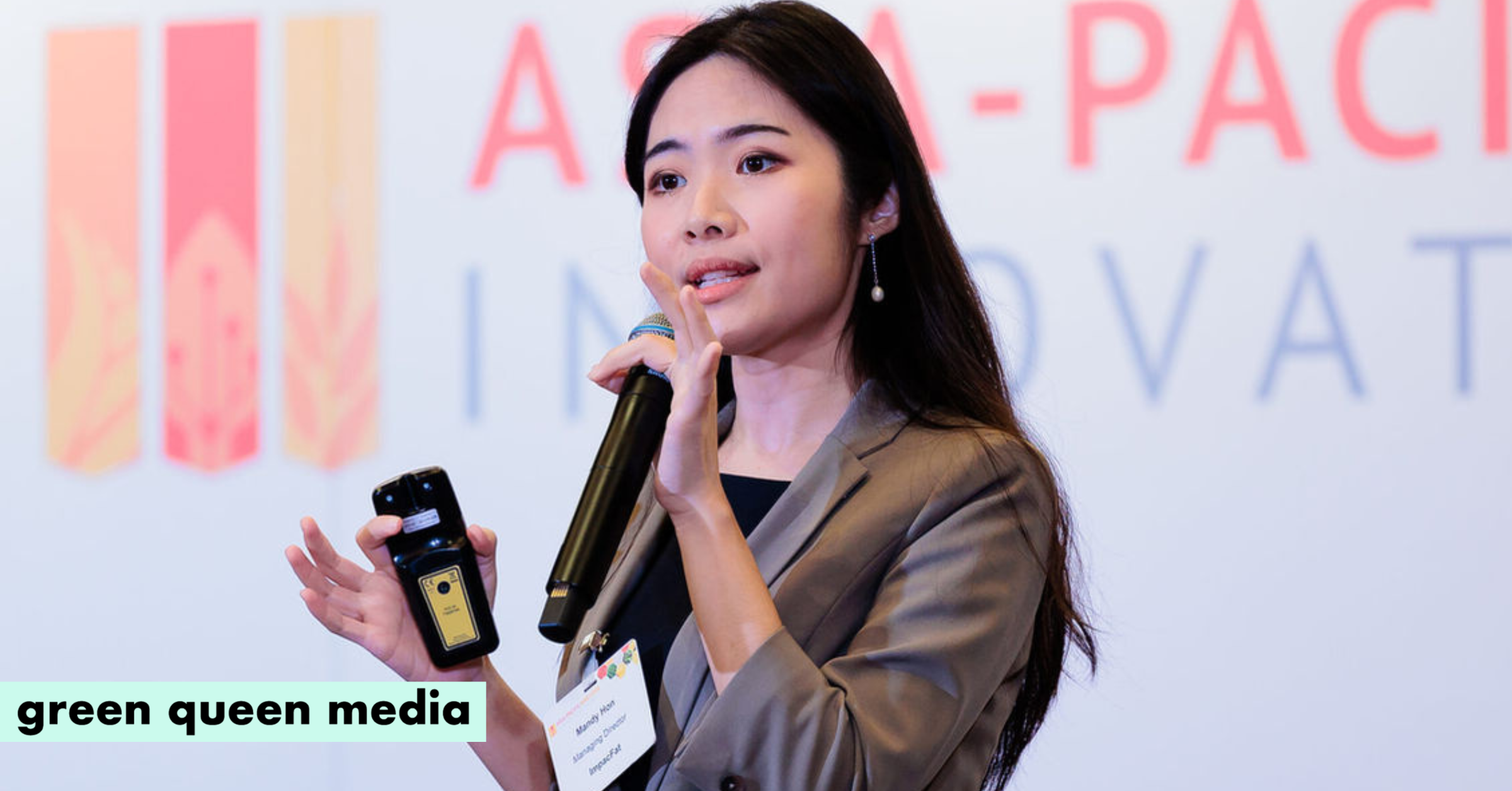
IntegriCulture has similarly been positioning itself as a central hub for cellular agriculture applications across multiple verticals, with a distinct emphasis on cosmetic ingredients. The Japanese firm previously partnered with Umami Bioworks to explore cell-cultured marine cosmetics, proving the viability of integrating marine-derived actives with its proprietary cell-cultured serum, Cellament. The new collaboration with ImpacFat expands IntegriCulture’s portfolio, adding high-potency marine lipids to its existing roster of bio-based ingredients.
The Science of Sustainable Marine Cosmetics
The technical framework of the partnership relies on isolating and cultivating cells from premium marine species, such as eels and pangasius catfish. ImpacFat develops stable cell lines that proliferate within controlled bioreactor environments until they mature into healthy, lipid-rich fat cells. Once harvested, the resulting ingredient yields exceptionally high concentrations of unsaturated fats and omega-3 fatty acids, frequently outperforming wild-caught bluefin tuna in omega-3 density.
ImpacFat has historically produced its cultivated fats in five-litre bioreactors while actively scaling its operations toward 10- to 50-litre capacities. Alongside bulk fat production, the company has focused on developing stem-cell-conditioned media and exosome-based active ingredients specifically formulated for topical personal care applications.
IntegriCulture complements these marine lipids with its flagship cellular agriculture innovation, Cellament. Derived through the selective cultivation of avian reproductive cells—including the amnion, yolk sac, and plasma membrane—Cellament is a cell-cultured serum rich in nourishing proteins and rejuvenating growth factors designed to revitalize human skin at a cellular level.
Scientific evaluations of Cellament indicate significant dermatological efficacy. The ingredient has been shown to reduce enzymatic activity that degrades skin elasticity by 10% to 70%, accelerate skin cell turnover to enhance smoothness, and mitigate the formation of wrinkles. Furthermore, clinical observations associate the serum with increased moisture retention in keratinocytes—the cells comprising 90% of the epidermis—while actively neutralizing free radicals to slow visible signs of aging.
Consumer Demands and Market Dynamics in Asia-Pacific
The strategic timing of the IntegriCulture-ImpacFat alliance is closely aligned with shifting consumer preferences throughout Southeast Asia and the broader Asia-Pacific region. According to market research data from Statista and regional beauty insights, approximately two-thirds of Southeast Asian consumers identify natural ingredients as the primary purchase driver when selecting clean beauty products. Additionally, 43% of consumers prioritize overall brand sustainability, demanding strict environmental accountability and complete ingredient transparency.
Representatives from ImpacFat emphasize that modern cosmetics consumers increasingly demand raw materials that transcend conventional performance metrics. Alongside sustainability, the market places a premium on brand differentiation, novel consumer narratives, and targeted functionality.
To capitalize on these dynamics, IntegriCulture and ImpacFat plan to establish a comprehensive B2B service framework. The partners will collaborate directly with cosmetics manufacturers, brand owners, aesthetic clinics, salons, and ingredient distributors. Their joint offerings will encompass product planning, original equipment development (OEM), custom ingredient proposals, and seamless market introduction across key territories, beginning primarily in Japan and Singapore.
Broader Industry Context: Alternative Fats Transform Personal Care
The joint venture between IntegriCulture and ImpacFat is part of a larger, global wave of biotechnology companies deploying alternative fats to revolutionize the personal care and beauty sectors. As regulatory pressures mount and consumers reject environmentally damaging extraction methods—such as traditional palm oil harvesting or overfishing—biotech firms are turning to precision fermentation, yeast cultivation, and cellular agriculture.
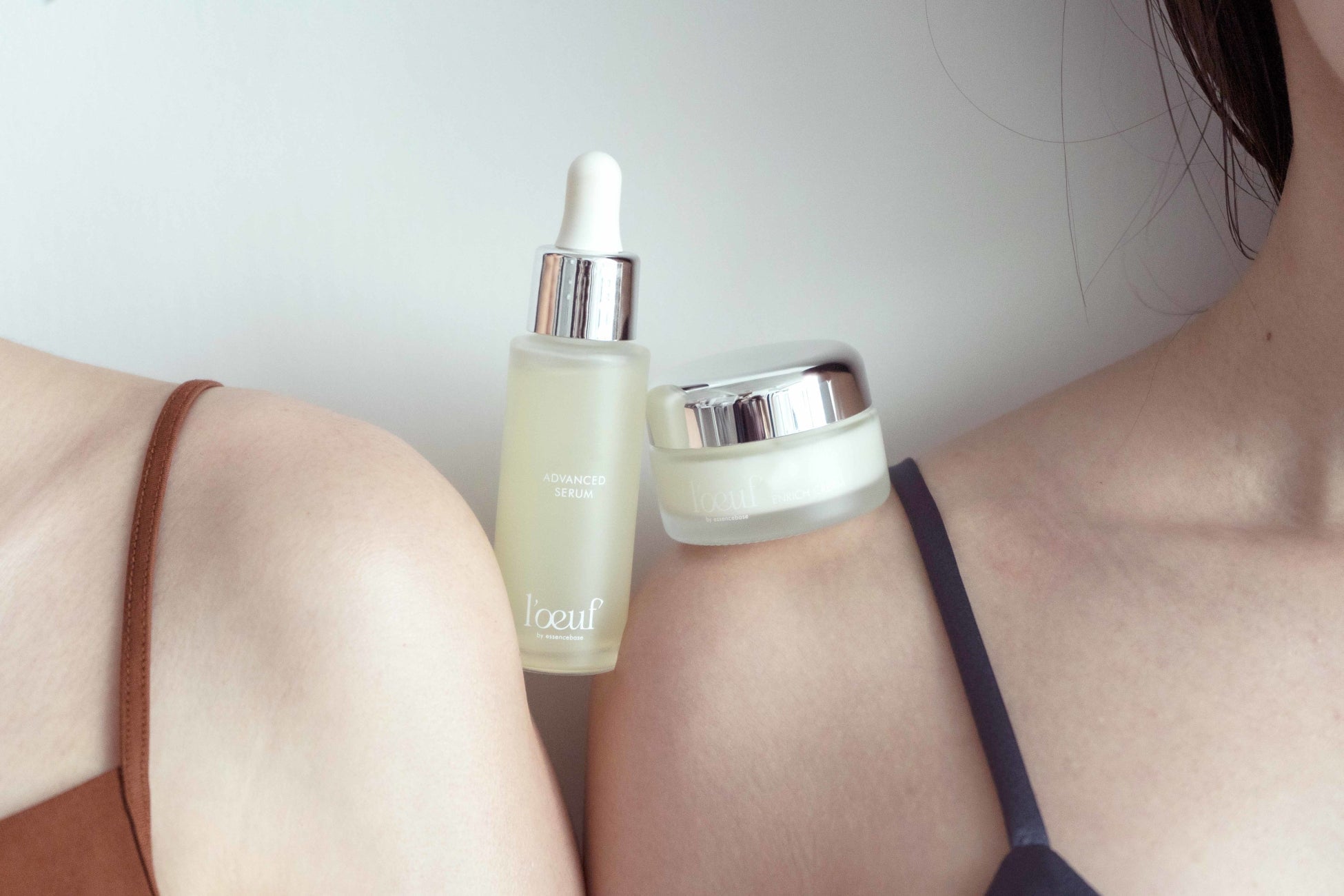
Several prominent players are currently reshaping the ingredient supply chain:
- Savor has introduced carbon-derived fats designed for broad applications across skincare, haircare, and therapeutic formulations.
- Clean Food Group utilizes industrial food waste and advanced yeast fermentation to manufacture sustainable palm oil alternatives for personal care manufacturers.
- Aio leverages waste streams to produce microbial fats, which have already been successfully integrated into commercial skin booster serums and face creams.
- C16 Biosciences markets a portfolio of yeast-derived fats and oils engineered specifically for the beauty and cosmetics industry.
- Melt&Marble has secured regulatory clearance for its precision-fermented fats within the global personal care market.
- Checkerspot has unveiled high-performance microalgal oils for cosmetics in partnership with specialized botanical manufacturers.
Implications and Future Outlook
The partnership between IntegriCulture and ImpacFat signals an evolution in how beauty and personal care brands source raw materials. By replacing wild-caught marine extracts and resource-intensive agricultural lipids with precisely engineered, cell-cultured alternatives, the companies offer a scalable solution to the resource constraints facing the global cosmetics industry.
As the partners evaluate initial prototyping phases and work toward commercialization ahead of the 2026 horizon, the success of their cross-border collaboration could establish a new benchmark for open innovation in biotechnology. By embedding traceability, science-backed efficacy, and rigorous sustainability into the core of their supply chains, IntegriCulture and ImpacFat are well-positioned to meet the escalating demands of eco-conscious consumers throughout the Asia-Pacific region and beyond.
