
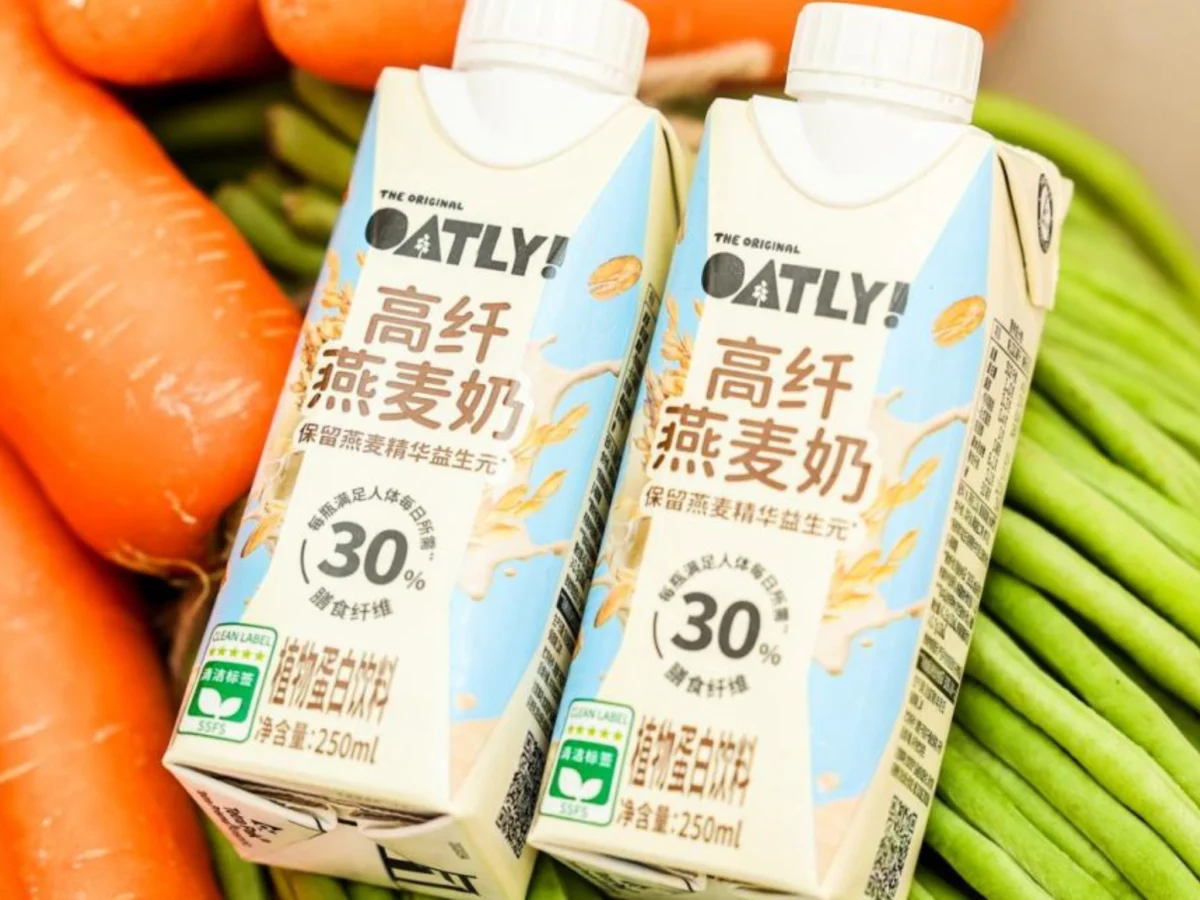
Swedish plant-based dairy giant Oatly has introduced a high-fibre oat milk and a low-GI (glycemic index) cream in the Chinese market, signalling a significant strategic shift to capitalize on growing health consciousness and address past performance challenges in the region. This move is part of a broader initiative to enhance its product offerings by highlighting diverse nutritional benefits, aiming to bolster its momentum and win over a discerning consumer base. The company is currently undergoing a strategic review of its Greater China business, which has experienced several years of weak performance, with sales declining by 2% and volumes falling by nearly 9% in the first quarter of 2026.
Addressing a Growing Health Imperative: The Rise of Fibre and Low-GI Diets
The introduction of these new products directly targets two burgeoning health trends in China: the increasing awareness of fibre deficiency and the expanding interest in low-GI foods. Recent years have seen a surge in discussions around "fibermaxxing," a trend popularized on social media platforms like TikTok and Xiaohongshu, which encourages higher dietary fibre intake. This aligns with mounting concerns about insufficient fibre consumption across the Chinese population. On platforms like Xiaohongshu, content related to dietary fibre has garnered an impressive 460 million views, indicating a significant public interest in this macronutrient.
Experts and health organizations have underscored the critical role of fibre in maintaining overall health. The recommended daily intake of fibre in China is between 25 to 30 grams. However, current consumption levels are significantly lower, averaging only 10.2 grams per day, creating a substantial nutritional gap. This deficiency is being increasingly recognized, driving demand for fibre-rich food and beverage options.
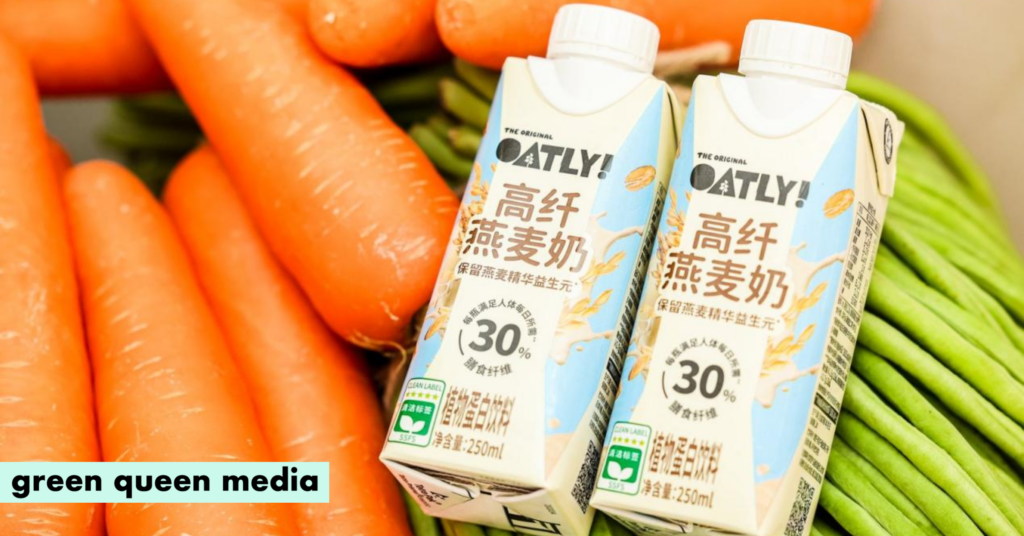
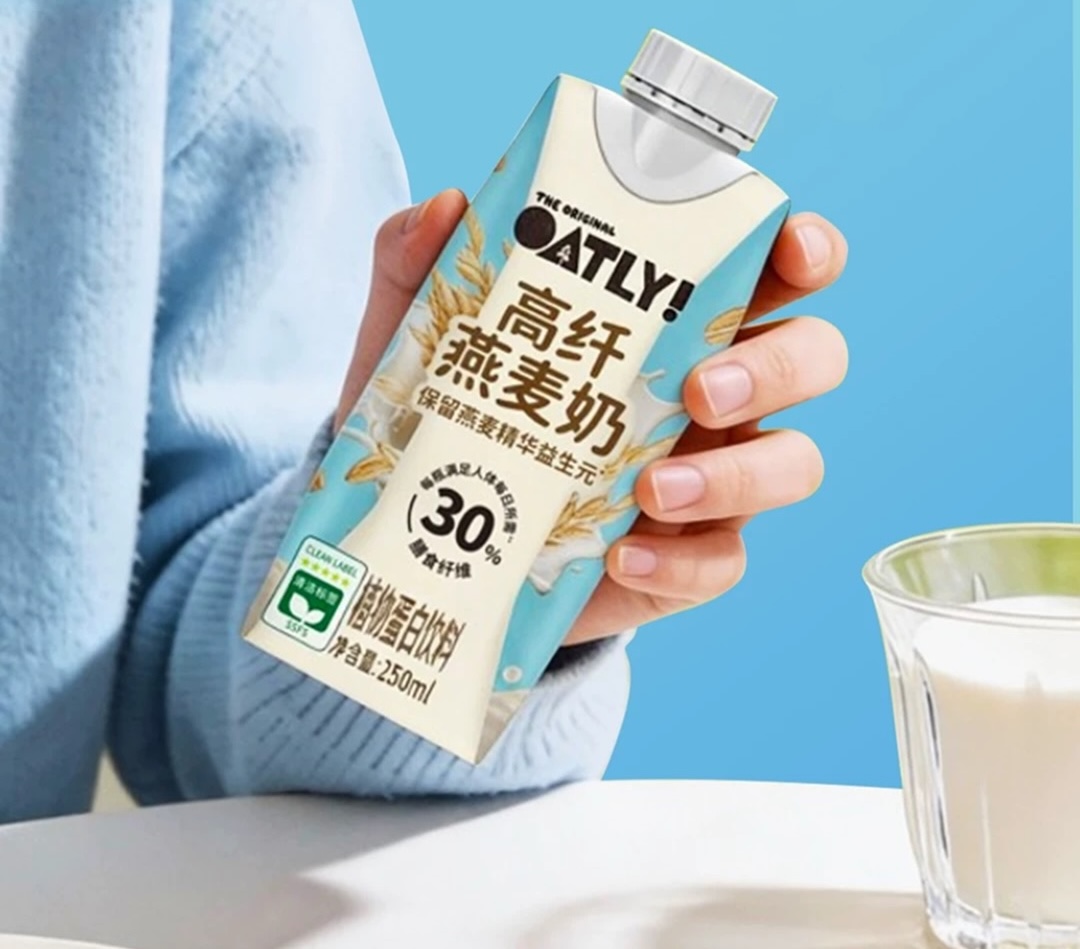
Oatly’s new high-fibre oat milk is engineered to address this gap. It utilizes an innovative enzymatic hydrolysis technology designed to preserve the native soluble dietary fibre, beta-glucan, naturally present in oats. Furthermore, the product is enhanced with added water-soluble polyglucan to boost its fibre content. The result is a dual-fibre oat milk that offers a smooth texture, natural sweetness, and a substantial 7.5 grams of dietary fibre per 250ml serving. This means a single bottle can contribute up to 30% of an individual’s daily fibre requirement, a considerable contribution towards meeting recommended intake levels.
The low-GI cream further caters to a segment of consumers seeking to manage their blood sugar levels and overall metabolic health. Low-GI foods are digested and absorbed more slowly, leading to a gradual rise in blood glucose levels, which can promote sustained energy and aid in weight management.
A Deep Dive into Chinese Consumer Needs: "Healthy and Delicious" as the Core Tenet
Zhu Feiwen, Assistant Vice President and Head of R&D for Oatly Greater China, emphasized the company’s commitment to understanding local consumer preferences. "Based on a deep understanding of Chinese consumers, Oatly focuses on the core issue of ‘healthy and delicious’ product development," Zhu stated. "While creating functional health products with high fibre and low GI, we continue to tackle the challenge of optimising the taste of functional health foods, and have made significant progress in this direction." This statement highlights Oatly’s dual strategy of prioritizing both nutritional efficacy and palatability, recognizing that consumer adoption hinges on products that are both beneficial and enjoyable to consume.
The company’s dedication to developing products that align with these consumer demands is further exemplified by its collaboration with the Shanghai Society of Food Science (SSFC). Together, they are promoting the application of clean-label standards in food production. Oatly’s new fibre-rich oat milk has achieved a five-star clean-label certification, signifying its adherence to stringent standards, including the use of no more than one additive. This certification resonates with a growing consumer preference for transparent ingredient lists and minimally processed foods.
Zhang Chun, President of Oatly Greater China, articulated the company’s vision for the future of plant-based consumption. "Health is not a form of asceticism, but a joyful party in life," Zhang remarked. "Oat milk consumption has evolved from nutritional supplementation to functional segmentation and scenario adaptation." This perspective suggests that Oatly aims to position its products not merely as dietary alternatives but as integral components of a holistic healthy lifestyle, tailored to specific consumer needs and occasions.
The GLP-1 Connection: Capitalizing on a Global Health Trend
The emphasis on fibre is also strategically linked to the growing global interest in GLP-1 (glucagon-like peptide-1) hormones and their role in appetite regulation and weight management. GLP-1 is an incretin hormone released in the gut that can reduce appetite, promote satiety, and help regulate blood sugar levels. This mechanism is the basis for popular weight-loss medications like Ozempic and Wegovy, which have seen skyrocketing popularity in China.
By promoting fibre-rich foods, Oatly is indirectly tapping into the public’s growing awareness of the benefits of GLP-1. Dietary fibre can naturally stimulate the release of GLP-1, offering a functional health benefit that aligns with consumer aspirations for weight management and improved metabolic health, without relying on pharmaceutical interventions. This positioning allows Oatly to offer a health-conscious alternative that appeals to a broad consumer base interested in wellness.
A History of Innovation and Strategic Realignments in the Chinese Market
Oatly’s foray into the Chinese market began in 2018. Since its debut, the company has achieved significant milestones, selling enough oat milk to make an estimated 1.7 billion lattes by November of the previous year. However, the journey has not been without its challenges. The company has experienced a turbulent period in China, necessitating a restructuring of its operations in the region. This has led to a comprehensive strategic review, expected to conclude this year, which may involve the carve-out of its Greater China business.
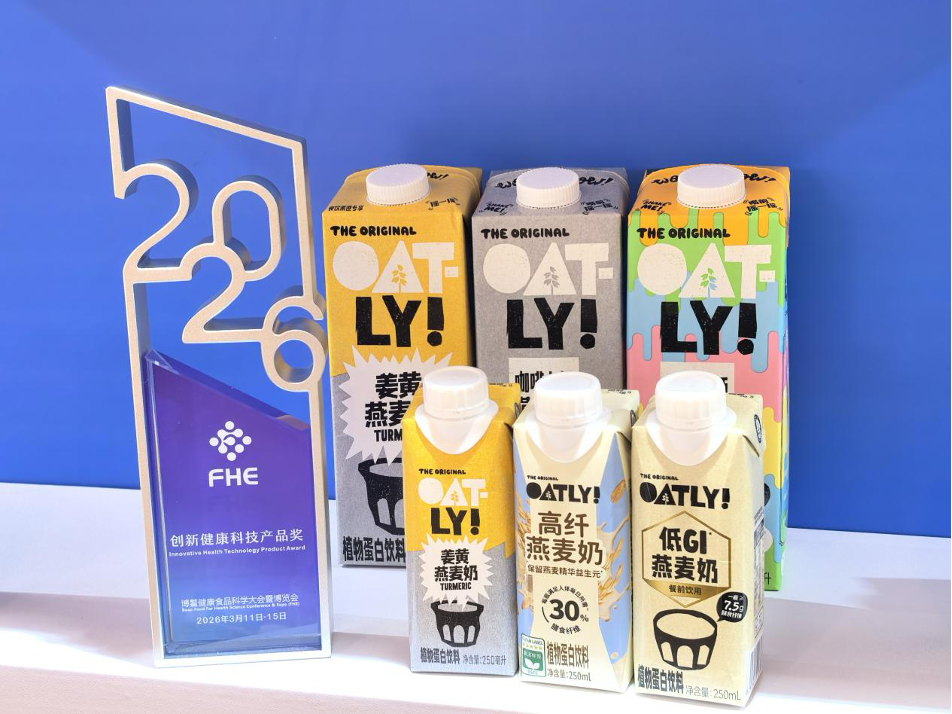
Prior to this latest product launch, Oatly had already been diversifying its portfolio beyond standard milk alternatives. The company had introduced innovative products such as gardenia-peach-flavoured oat milk, a low-GI ice cream, and even veggie crisps, as noted by Dao Foods International, an impact investment firm focused on China. These ventures indicate a proactive approach to exploring new market segments and consumer preferences within the plant-based space.
Dao Foods International highlighted in a recent newsletter that while oat milk has nutritional advantages, it contains less protein than traditional dairy milk and slightly higher carbohydrate content. They noted that "Outside of coffee scenarios, this creates a perceived trade-off for consumers," which explains Oatly’s strategic adjustment in positioning. By emphasizing functional benefits like high fibre and low GI, Oatly aims to overcome these perceived trade-offs and present oat milk as a versatile and beneficial dietary staple.
Broader Market Context and Future Outlook
Oatly’s strategic pivot in China is also supported by a growing consumer predisposition towards plant-based diets for health reasons. Polling data indicates that 36% of Chinese consumers opt for plant-based diets due to health concerns. Furthermore, when informed about the benefits of veganism, an overwhelming 98% of the Chinese population expresses willingness to consume more plant-based foods. This widespread openness presents a significant opportunity for companies like Oatly.
The company’s recent product innovations are not isolated initiatives but are part of a larger ecosystem of support for oat-based products in China. Oatly jointly launched the Oat Milk Healthy Eating Initiative with the SSFC, the China Agricultural University, and the China Food Information Center in 2025. This initiative aims to promote oat milk consumption across the country. This effort aligns with broader national initiatives, such as the Whole Grain Action Plan released by seven national departments in the preceding year, which seeks to increase the consumption of whole grains over the next decade. Additionally, the publication of the Scientific Consensus on Oats and Health by five major institutions last year further underscored the nutritional value of oats and encouraged their inclusion in diets through products like oat milk.
Looking ahead, Oatly envisions a future where plant-based products offer comprehensive health solutions. "High-fibre oat milk is just the beginning of our product matrix, and the future of plant-based products is not only a matrix, but also a comprehensive health solution that combines lifestyle, exercise, emotions, functions, and nutrition," Zhang concluded. This ambitious vision suggests a long-term strategy focused on integrating plant-based nutrition into a holistic wellness framework, aiming to capture a significant share of China’s rapidly evolving health and wellness market. The success of Oatly’s new high-fibre and low-GI offerings will be a crucial indicator of its ability to navigate the competitive landscape and reignite growth in one of its most important international markets.
