
As the world continued to navigate the evolving landscape of the COVID-19 pandemic throughout 2021, a notable shift in consumer behaviors related to food and lifestyle habits emerged. While many individuals grappled with the persistent "new normal"—a blend of re-emerging pre-pandemic routines and newly adopted habits forged during the 2020 lockdowns—data from a prominent U.S. consumer survey indicates a discernible alteration in how Americans approached their diets and home-based activities. This analysis delves into these shifts, exploring the underlying trends, their potential implications, and the ongoing imperative for prioritizing healthy living amidst global health challenges.
Shifting Dietary Habits and Home Life in 2021
A comprehensive U.S. consumer survey conducted in 2021, as reported by the International Food Information Council (IFIC) in their 2021 Food & Health Survey, revealed a decrease in certain behaviors that had seen a significant surge in 2020. For instance, the percentage of Americans who reported "snacking more" declined from 32% in 2020 to 18% in 2021. Similarly, the proportion of individuals admitting to "eating more in general" dropped from 20% in 2020 to 11% in 2021. These figures suggest a partial return to pre-pandemic eating patterns, perhaps as social distancing measures eased and more regular work and school schedules resumed for a segment of the population.
However, this apparent return to normalcy was not uniform across all lifestyle aspects. The same survey indicated a significant decrease in the practice of cooking at home, with only 47% of consumers reporting this in 2021, a notable drop from 60% in 2020. This decline could be attributed to several factors, including the reopening of restaurants and increased opportunities for dining out, as well as potential fatigue from sustained home-based culinary efforts.
Beyond these behavioral shifts, the survey also underscored persistent and significant disparities in food security. This highlights the complex and uneven impact of the pandemic on different socioeconomic groups, with some households continuing to face challenges in accessing adequate and nutritious food.
The Enduring Shadow of the Pandemic and the Call for Global Health
The persistence of COVID-19, coupled with the emergence of new variants throughout 2021, served as a stark reminder of the ongoing global health crisis. This reality amplified the critical need for accelerated vaccination efforts worldwide, particularly in low- and lower-middle-income countries where access to vaccines remained a significant hurdle. The uneven distribution of vaccines not only posed a direct health risk to vulnerable populations but also hindered the global economic recovery and the full restoration of normalcy.
Reaffirming Core Principles of Healthy Living
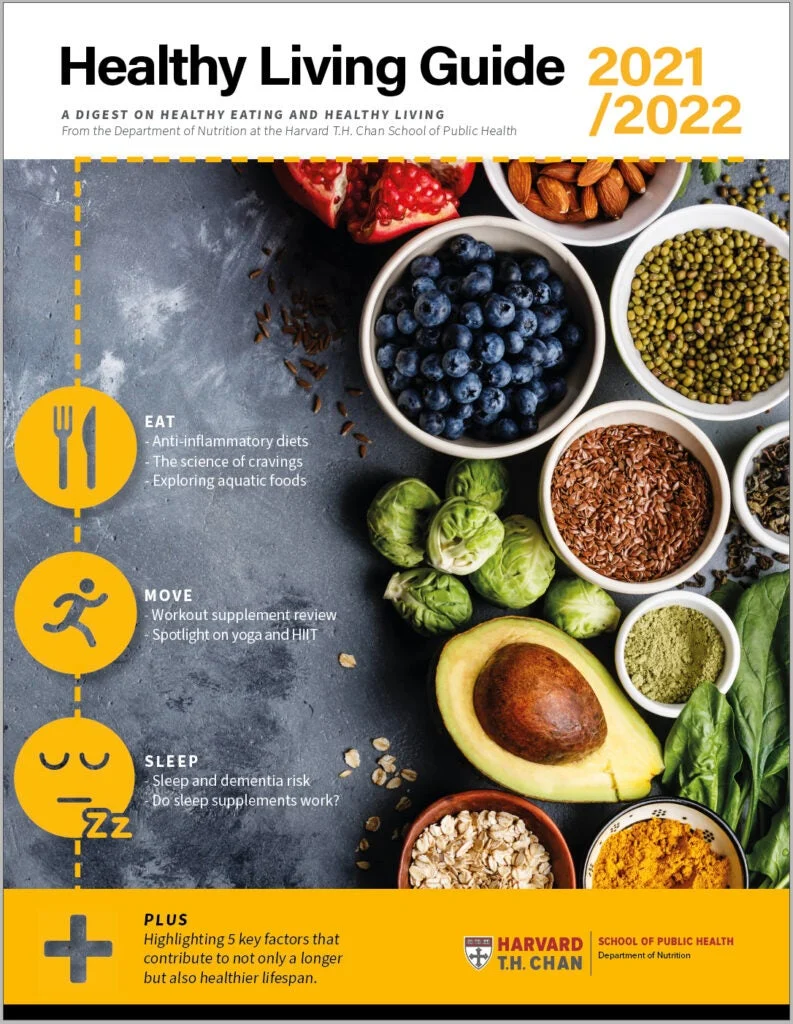
In response to these evolving circumstances and the enduring challenges, health organizations and researchers continued to emphasize the foundational importance of healthy behaviors. The Harvard T.H. Chan School of Public Health’s Nutrition Source, for example, reiterated its commitment to providing evidence-based guidance on healthy eating and living. Their "Healthy Living Guide," released for 2021-2022, revisited core themes that remain crucial for individual well-being, irrespective of the prevailing pandemic conditions. These themes include the fundamental pillars of:
- Eating Well: Focusing on balanced nutrition, nutrient-dense foods, and mindful eating practices.
- Being Active: Encouraging regular physical activity to support cardiovascular health, mental well-being, and overall fitness.
- Getting Enough Sleep: Highlighting the critical role of adequate sleep in immune function, cognitive performance, and emotional regulation.
The guide aimed to equip individuals with practical strategies and updated research findings to integrate these healthy habits into their daily lives. It also provided a closer examination of popular nutrition and lifestyle topics, offering accessible information to empower informed decision-making.
Timeline of Emerging Trends and Public Health Initiatives
- Early 2020: The onset of the COVID-19 pandemic leads to widespread lockdowns and a dramatic shift in daily routines. This period sees a surge in home cooking, increased snacking, and a general focus on immediate health and safety concerns.
- Mid-2020 to Late 2020: As lockdowns persist, interest in home-based activities and healthier lifestyles intensifies for some. Research and public health campaigns begin to address the long-term implications of pandemic-induced lifestyle changes.
- Throughout 2021: A gradual easing of restrictions in many regions allows for a partial return to pre-pandemic activities. Consumer surveys begin to reflect a subtle shift away from the extreme dietary and behavioral changes of 2020, though significant disparities in food security persist. The emergence of new COVID-19 variants underscores the ongoing global health imperative.
- Late 2021 to Early 2022: Health organizations release updated guidance, such as Harvard’s Healthy Living Guide, emphasizing the continued importance of core healthy behaviors amidst evolving pandemic conditions. Discussions around global vaccine equity gain prominence.
Supporting Data and Analysis
The observed decrease in home cooking (from 60% to 47%) can be analyzed through the lens of economic reopening and changing social dynamics. As restaurants and other food service establishments resumed operations, consumers may have opted for the convenience of dining out or ordering takeout, potentially leading to less emphasis on meal preparation at home. This shift, however, carries potential implications for dietary quality and cost. While dining out can be a source of enjoyment and social connection, it can also lead to increased consumption of processed foods, higher calorie intake, and greater expenditure compared to home-prepared meals.
The decline in reported "snacking more" and "eating more in general" from 2020 to 2021 is also noteworthy. During the initial phase of the pandemic, many individuals experienced increased stress, boredom, and altered work schedules, which can contribute to emotional eating and increased caloric intake. As life began to normalize, and perhaps as individuals regained a sense of control over their routines, these behaviors may have receded. This suggests a degree of behavioral adaptability, but also highlights the impact of environmental and psychological factors on eating habits.
The persistent issue of food insecurity, however, remains a critical area of concern. Data from organizations like Feeding America has consistently shown that the pandemic exacerbated existing inequalities, leading to higher rates of food insecurity among low-income households, communities of color, and rural populations. The fact that this disparity remains a significant finding in consumer surveys underscores the need for sustained public policy interventions and community support programs to ensure equitable access to nutritious food.
Broader Impact and Implications
The shifts in consumer behavior observed in 2021 have broader implications for public health, the food industry, and individual well-being.
- Public Health: While a move away from excessive snacking and eating might seem positive, the decline in home cooking raises concerns about potential declines in dietary quality. Public health initiatives may need to adapt to encourage healthier choices both within and outside the home. The continued emphasis on vaccination and global health equity remains paramount in mitigating the ongoing pandemic’s impact.
- Food Industry: The food industry, including restaurants, grocery stores, and food manufacturers, will need to monitor these evolving consumer preferences. A potential decrease in home cooking could impact demand for certain ingredients and kitchenware, while an increased demand for convenient, healthy, and sustainably sourced options may emerge.
- Individual Well-being: For individuals, the experience of the pandemic has been a catalyst for reflection on health and lifestyle. The Healthy Living Guide serves as a valuable resource, reminding individuals that even amidst uncertainty, consistent attention to diet, exercise, and sleep can significantly contribute to resilience and overall health. The ability to adapt to new circumstances while retaining a focus on fundamental health practices is a key takeaway.
Official Responses and Recommendations
Health organizations like the Harvard T.H. Chan School of Public Health’s Nutrition Source consistently advocate for evidence-based approaches to health. Their publication of the "Healthy Living Guide" represents a proactive step in providing accessible, actionable advice. The guide’s emphasis on core principles of healthy eating, physical activity, and sleep underscores the enduring relevance of these lifestyle factors.
Furthermore, global health organizations, such as the World Health Organization (WHO), have repeatedly stressed the critical importance of vaccine equity. Statements from WHO officials have highlighted that ending the pandemic globally requires ensuring that vaccines are accessible to all countries, not just the wealthiest. This remains a central tenet of the global health response.
Conclusion: Towards a Healthier Future
As the world continues to adapt, the insights gleaned from 2021’s consumer behavior offer a nuanced picture of our collective journey. While the pandemic has undoubtedly reshaped many aspects of our lives, it has also underscored the profound importance of individual and collective health. The data suggests a partial recalibration of habits, with a decrease in some pandemic-driven extremes, but also highlights the persistent challenges of food insecurity and the ongoing necessity for global health solidarity. The ongoing commitment to providing and embracing reliable information on healthy eating, active living, and adequate sleep, as exemplified by resources like Harvard’s Healthy Living Guide, remains a vital strategy for fostering well-being in an ever-changing world. The future of healthy living will likely be shaped by our ability to integrate these foundational principles with adaptability and a commitment to equitable health outcomes for all.
