
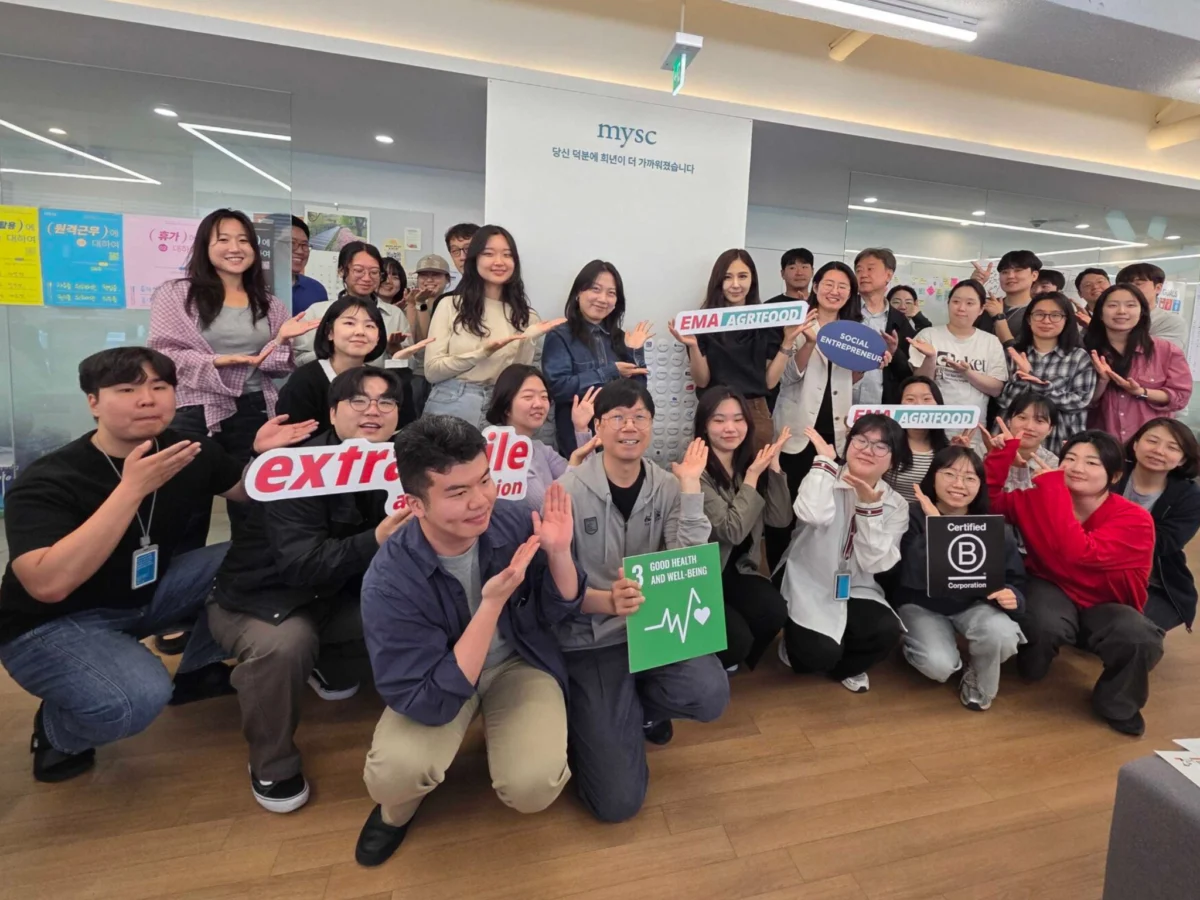
South Korea’s innovative food technology startup, Soyft Biome, has successfully secured a new round of financing aimed at significantly expanding the market penetration of its novel plant-based products. These groundbreaking offerings are meticulously derived from fermented soybean waste, transforming what was once considered a byproduct into high-value, climate-friendly food alternatives. The investment from MY Social Company’s (MYSC) Extramile Lycon Fund signals strong confidence in Soyft Biome’s pioneering waste-to-value AquaProtein and Soyft technologies, poised to disrupt traditional food manufacturing and consumption patterns.
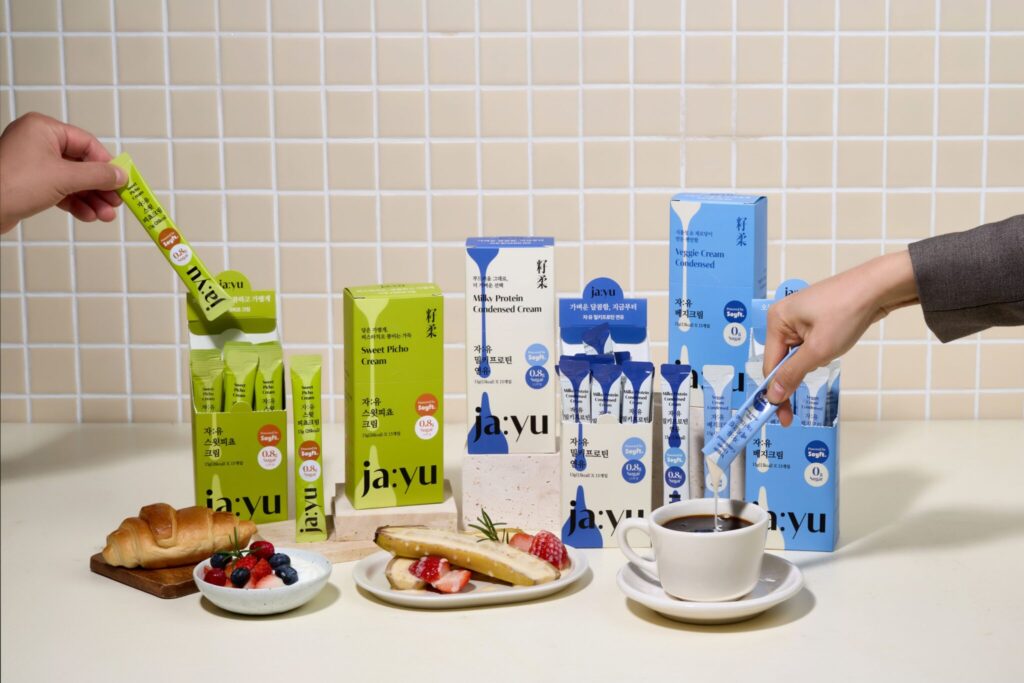
The company’s strategic vision centers on elevating the presence of its plant-based alternatives within the bustling South Korean foodservice sector, targeting a substantial increase in placements within coffee shops and bakeries nationwide. This expansion initiative is directly fueled by the recent capital injection, underscoring the fund’s commitment to supporting sustainable and technologically advanced ventures. Soyft Biome’s operational framework is strategically divided into three distinct verticals, each addressing a specific market need: Ja:yu, specializing in low-sugar condensed milks; KetoYou, focused on the production of tempeh products; and Fermax, which markets protein-boosted energy drinks. This diversified approach allows Soyft Biome to cater to a broad spectrum of consumer preferences and dietary requirements.
Yoon Seo-yeon, the Chief Executive Officer of Soyft Biome, articulated the company’s strategic objectives in light of this crucial funding. "Through this investment, we will strengthen our product competitiveness and production systems to provide healthy plant-based alternatives to more consumers and corporate clients," stated Yoon. This statement highlights a dual focus on enhancing internal capabilities and broadening external market access, aiming to solidify Soyft Biome’s position as a leading provider of sustainable and health-conscious food solutions. The company’s commitment extends beyond mere product development, encompassing a holistic approach to resource optimization and environmental stewardship within the food industry.
The Science Behind Soyft Biome: AquaProtein and Emulsion Technology
At the core of Soyft Biome’s innovation lies its proprietary AquaProtein technology, a sophisticated process that upcycles byproducts generated during the steaming and fermentation of soybeans, specifically those utilized in tempeh production. This resourceful method not only mitigates waste but also yields a highly functional plant-based protein. AquaProtein is distinguished by its rich amino acid profile and the presence of beneficial saponins. Furthermore, it exhibits exceptional functional properties, including superior viscosity, remarkable moisture retention capabilities, and excellent foam-holding capacity. These attributes make it an exceptionally versatile ingredient, suitable for a wide array of applications within the burgeoning plant-based food market. Its utility spans from serving as an effective egg substitute in various culinary applications to forming the base for plant-based sauce formulations and enriching high-protein food and beverage products.
Currently, Soyft Biome leverages AquaProtein across its product lines. The Ja:yu brand utilizes this functional protein in its plant-based cream and sauce formulations, while the Fermax label incorporates it into its range of functional drinks. The company’s namesake Sofyft formula represents another significant technological advancement. This innovative emulsion-stabilized plant-based technology is engineered to deliver superior viscosity and texture without the inclusion of dairy or sugar. Described as a clean-label technology, it offers remarkable adaptability, finding application in a variety of products that typically rely on dairy or sugar for their consistency, including creams, condensed milks, and dressings.
A prime example of Sofyft’s impact is evident in Soyft Biome’s Veggie Cream Condensed product. While traditional condensed milks are dairy-based and often high in sugar, this innovative alternative utilizes Soyft Biome’s plant-based ingredients to achieve a low-sugar, dairy-free profile. The success of this product is further validated by its entry into major South Korean distribution channels. These include prominent e-commerce platforms like Coupang Rocket Fresh, health and beauty retailers such as Olive Young, and food delivery services including Baemin B Mart, alongside placements in established department stores. This widespread availability underscores consumer acceptance and the growing demand for sophisticated, guilt-free dairy alternatives.
With the recent infusion of capital, Soyft Biome is strategically positioned to amplify the market presence of the Ja:yu brand. The company plans to accelerate its expansion into the foodservice channel, with a particular emphasis on catering to the needs of coffee shop and bakery franchises. Simultaneously, it aims to deepen its penetration into the rapidly growing low-sugar and wellness markets, capitalizing on increasing consumer awareness and demand for healthier food options. This strategic push is expected to solidify Soyft Biome’s market share and enhance its brand recognition across key consumer segments.

Expanding Horizons: Cosmetics and Medical Nutrition Markets on the Horizon
The strategic vision of Soyft Biome extends far beyond the immediate food and beverage sector. The company is actively exploring opportunities to leverage its proprietary emulsion formulation technology in diverse industries, including cosmetics and medical nutrition. This forward-thinking approach is driven by the inherent versatility and advanced properties of their developed technologies.
A spokesperson from MYSC, the investment firm backing Soyft Biome, elaborated on their rationale for supporting the startup. "The existing dessert and sauce market had limitations as it could not break away from a structure centered on high-sugar and dairy products," the spokesperson observed. "We determined that Soyft Biome is competitive because it has solved technical challenges through the upcycling of fermentation byproducts and low-sugar, plant-based formulation technology." This statement underscores MYSC’s recognition of Soyft Biome’s ability to address critical market gaps and technological hurdles within the food industry, particularly concerning sustainability and health.
Soyft Biome is also participating in MYSC’s 2026 Agri-Food Technology Startup Accelerator Support Program. This prestigious program, backed by the national agriculture ministry, provides crucial support for advancing business models and validating global market potential. The participation signifies a significant endorsement of Soyft Biome’s innovative approach and its potential for scalable growth on an international stage. The program’s resources are expected to facilitate further research and development, market analysis, and strategic partnerships, all aimed at accelerating the company’s trajectory.
Looking towards the future, Yoon Seo-yeon articulated an ambitious long-term goal for the company. "We will grow into a technology platform company that expands beyond food into various industries based on a sustainable food system," Yoon stated. This vision positions Soyft Biome not just as a food producer, but as a technology provider capable of transforming industrial processes and product development across multiple sectors. The company’s strategy hinges on the adaptable nature of its proprietary emulsion formulation technology. Soyft Biome highlights that its unique microemulsion structure offers exceptional benefits, including tolerance to varying temperatures and pH levels, and long-term storage stability. These robust characteristics make it highly suitable for application in demanding fields such as medical nutrition, where precise formulation and stability are paramount, and in the cosmetics industry, particularly for skincare products where ingredient efficacy and shelf-life are critical consumer considerations.
The Broader Implications: Sustainability, Health, and Innovation in the Food Chain
The success of Soyft Biome represents a microcosm of a larger global shift towards sustainable food systems and innovative waste valorization. By transforming fermented soybean waste, a byproduct often destined for landfill or lower-value applications, into high-quality ingredients and consumer products, the company is setting a new benchmark for resource efficiency. This "waste-to-value" model not only reduces the environmental footprint of food production but also creates economic opportunities by unlocking the latent value in agricultural byproducts.
The implications for the food industry are profound. As consumer demand for plant-based and healthier options continues to surge, companies like Soyft Biome are demonstrating that sustainability and profitability can go hand-in-hand. The technical challenges overcome by Soyft Biome in achieving superior texture, taste, and stability in dairy-free and low-sugar products are crucial for mainstream adoption. Their success could inspire further investment and research into similar upcycling technologies across various agricultural sectors, potentially leading to a significant reduction in food waste and a more circular economy.
Furthermore, Soyft Biome’s foray into non-food sectors like cosmetics and medical nutrition highlights the expanding possibilities of biomaterial innovation. The inherent biocompatibility and functional properties of their plant-derived ingredients suggest a future where sustainable, plant-based solutions become increasingly prevalent in areas traditionally dominated by synthetic or animal-derived components. This diversification strategy not only broadens Soyft Biome’s market potential but also reinforces the company’s role as a pioneer in leveraging biotechnology for a more sustainable and healthier future across multiple industries. The company’s trajectory is closely watched as a bellwether for the evolving landscape of food technology and sustainable innovation.
