
The alternative protein sector, particularly the burgeoning cultivated meat industry, continues to grapple with significant financial headwinds, as evidenced by the recent bankruptcy filing of Berlin-based startup Cultimate Foods. The company, which specializes in producing cell-cultured fat to enhance the flavor profiles of cultivated meat products, has initiated a formal financial restructuring process overseen by appointed administrators. This move signals a critical juncture for Cultimate Foods as it seeks to navigate a challenging economic landscape and reposition itself for sustained future growth.
A Strategic Pivot Towards Financial Stability
Cultimate Foods confirmed its financial restructuring in a statement released on LinkedIn last month. The company articulated its objective as "initiating a structured financial reorganisation to strengthen our foundation and position the company for long-term growth." This deliberate step underscores the company’s commitment to survival and its belief in the underlying value of its proprietary technology. Co-founder and Chief Technology Officer Jordi Morales-Dalmau conveyed a sense of optimism to Green Queen, stating that the team remains fully operational and dedicated to advancing "CultiSense – our proprietary flavouring technology for the food industry – and to delivering on our commitments to our customers." Morales-Dalmau further elaborated, "We are in active dialogue with investors and financial partners and are confident in navigating this transition successfully."
The Science Behind CultiSense: Elevating Cultivated Meat’s Flavor
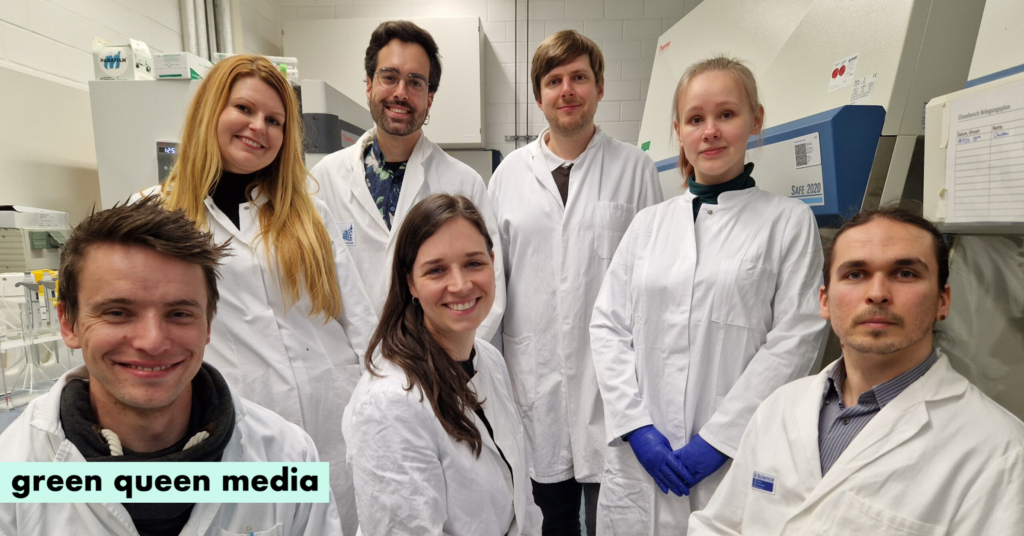
Founded in 2022 by Eugenia Sagué, George Zheleznyi, and Jordi Morales-Dalmau, Cultimate Foods’ strategic focus on cultivated fat represents a calculated approach to addressing a key challenge in the cultivated meat market: achieving desirable taste and aroma at scale. Their flagship innovation, CultiSense, is designed to deliver the authentic savory flavor and aroma characteristic of meat without relying on animal slaughter. The process begins with the careful selection of a limited number of cells from bovine and porcine sources. These cells are then developed into immortalized cell lines, specifically engineered for beef and pork fat production, respectively.
These cell lines are cultivated within bioreactors, utilizing a proprietary culture media. This controlled environment facilitates exponential cell proliferation, a critical step for scalable production. Upon harvesting, the cultivated cells are meticulously processed into high-value flavor ingredients suitable for industrial application. The unique selling proposition of CultiSense lies in its ability to act as a potent, bio-based flavor precursor. By delivering complex meaty notes through a single component, it empowers food manufacturers to streamline their ingredient lists, simplify product formulations, reduce their environmental footprint by lowering greenhouse gas emissions, and enhance the stability of their supply chains.
The strategic emphasis on cultivated fat over whole-cut cultivated meat is widely recognized within the industry as a more pragmatic pathway to bringing affordable cultivated meat products to market in the near term. Fat is intrinsically linked to the sensory experience of meat, significantly influencing taste, aroma, and mouthfeel. Industry leaders often highlight fat’s paramount culinary impact compared to muscle and connective tissues. This is why many companies are adopting a hybrid approach, integrating cultivated fat with plant-based ingredients to create innovative meat alternatives. Prominent players like Mission Barns, Mosa Meat, and Hoxton Farms have embraced this strategy, underscoring the significant market potential for cultivated fat as a standalone ingredient. Maarten Bosch, CEO of Mosa Meat, articulated this sentiment previously, stating, "Fat is the primary driver of flavour in meat, influencing taste, aroma, and mouthfeel. Of the main components of meat – muscle, fat, and connective tissue – fat has the most significant culinary impact."
A Turbulent Financial Climate for Cultivated Meat
Cultimate Foods’ financial restructuring occurs against a backdrop of considerable financial strain across the entire cultivated meat sector. The company, which employs a team of 21 individuals, had previously secured €2.3 million in a seed funding round in 2024. This investment was earmarked for scaling up production capabilities and expanding commercial operations for CultiSense. Furthermore, in the preceding year, Cultimate Foods received significant funding from the European Regional Development Fund (ERDF) and the state of Lower Saxony. This governmental support was designated for a crucial project aimed at establishing a scalable and robust production platform for cultivated fat.

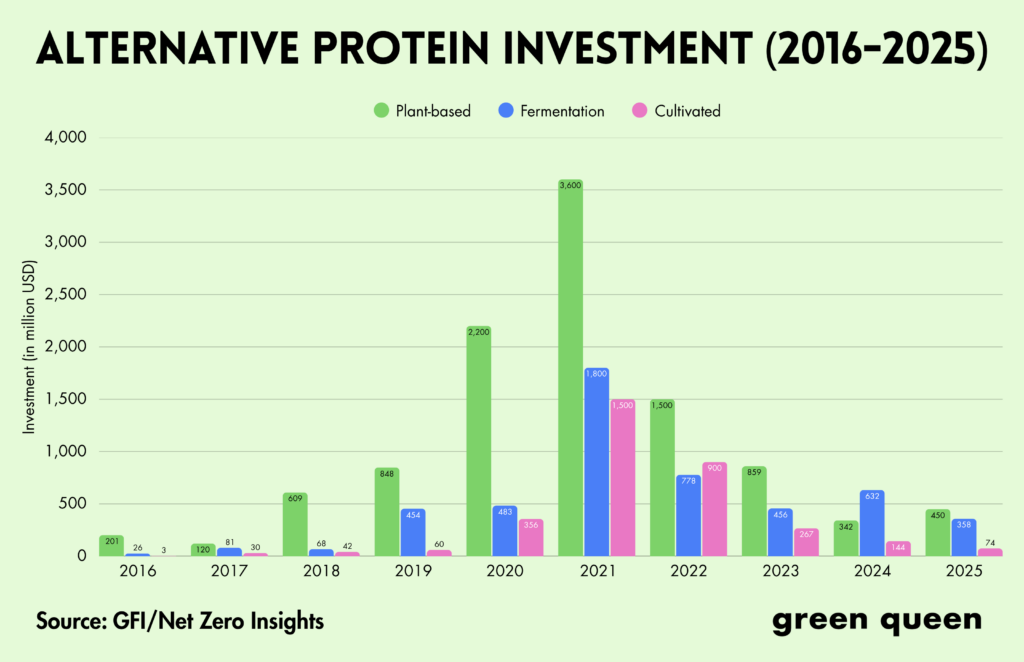
Despite these strategic investments and funding successes, the company’s current financial situation reflects the broader economic realities confronting the cultivated meat industry. Data from the Good Food Institute (GFI) highlights a significant downturn in investment. In the past year, startups within the cultivated meat segment collectively raised only $74 million, a stark decline representing nearly half of the funding secured in the previous year and a staggering 20-fold decrease from the peak investment levels observed in 2021. This contraction in investor confidence and capital availability has proven to be a critical challenge, leading to the closure or significant strategic shifts of several promising companies.
Notable among these are Believer Meats, a company that had achieved significant regulatory milestones with both FDA and USDA approval for its cultivated chicken in the United States. Meatable, another player in the cultivated meat space, also ceased operations. Upstream Foods, a direct competitor in the cultivated fat segment, similarly faced financial difficulties.
The impact of these funding challenges extends beyond direct closures. Uncommon Bio, for instance, divested its cultivated meat business and pivoted towards therapeutic applications. CellRev, a company specializing in bioprocessing for cell culture technologies, including those for meat production, ceased trading. Avant, a cultivated fish startup, unfortunately shuttered its research arm in Singapore, although it continues to maintain its headquarters in Hong Kong. Even Upside Foods, recognized as one of the best-funded entities in the cultivated meat arena, has diversified its strategy by launching Lucius Labs, a new division specifically targeting the life sciences sector, indicating a broader industry trend towards exploring adjacent markets for sustained revenue streams.
Implications for the Cultivated Meat Industry
The bankruptcy filing of Cultimate Foods, a company focused on a crucial component for cultivated meat, serves as a potent indicator of the ongoing consolidation and recalibration within the alternative protein market. While the technology itself holds immense promise for a more sustainable and ethical food future, the path to commercial viability remains fraught with financial obstacles. The high cost of research and development, the complexities of scaling production, and the need for significant capital investment continue to challenge startups.
The focus on cultivated fat, as exemplified by Cultimate Foods, Hoxton Farms, and Mission Barns, is likely to remain a more accessible entry point for many companies. The ability to integrate these ingredients into existing food systems, particularly hybrid products, offers a more immediate revenue stream and a less daunting regulatory pathway compared to developing whole-cut cultivated meat. However, even this sub-sector is not immune to financial pressures, as demonstrated by Cultimate Foods’ current predicament.
The ongoing financial restructuring at Cultimate Foods will be closely watched by industry observers. The success of its efforts to secure new investment and successfully emerge from bankruptcy will provide valuable insights into the resilience of the cultivated meat sector and its capacity to attract and retain capital in a challenging economic environment. The company’s commitment to its proprietary technology and its active engagement with investors suggest a determined effort to overcome these hurdles. Nevertheless, the broader trend of reduced funding and the closure of several prominent companies underscore the urgent need for innovation in business models, cost reduction strategies, and continued regulatory clarity to foster a more robust and sustainable cultivated meat industry. The coming months will be critical in determining whether Cultimate Foods can indeed chart a course back to long-term growth.
